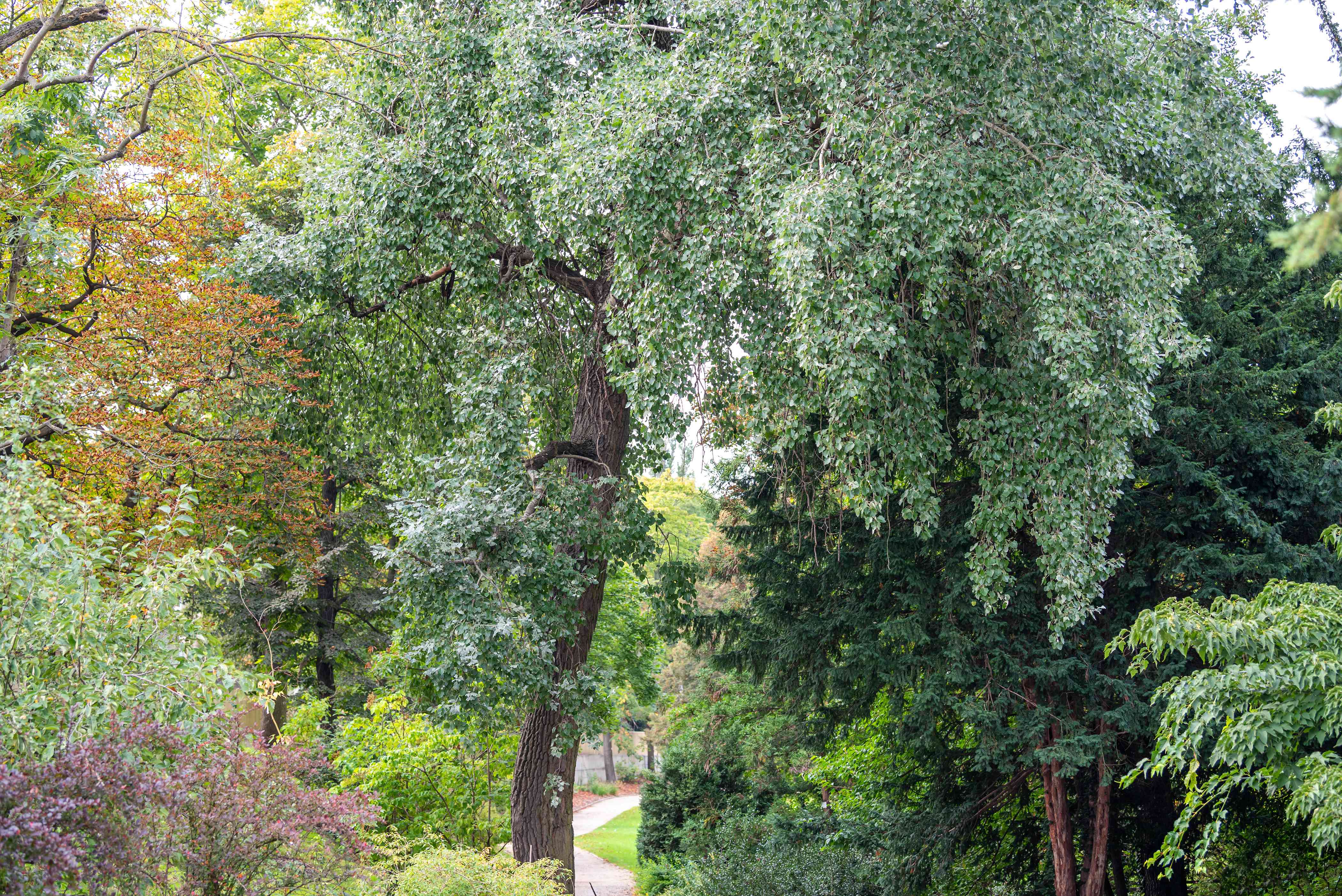
Poplars are the “fast-forward” button of the tree world. Plant one, blink twice, and suddenly you’re staring up at a
full-on canopy like it pays rent. That speed is exactly why poplar trees (the genus Populus, including cottonwoods
and aspens) are popular for quick shade, windbreaks, and tough restoration jobs along rivers and creeks.
But here’s the trade-off: fast growth can come with fast dramaaggressive roots, brittle branches, messy fluff (hello,
cottonwood “snow”), and a tendency to outgrow a cozy suburban yard like a Great Dane in a studio apartment.
The goal of this guide is simple: help you pick the right poplar for the right placeand avoid planting a future
“why did I do this?” story next to your driveway.
Poplar 101: What People Mean When They Say “Poplar”
In everyday U.S. landscaping talk, “poplar” can mean a few different things:
- True poplars (Populus): cottonwoods, aspens, and poplars like Lombardy poplar and black poplar.
- Cottonwoods: a group of poplars known for cottony seed fluff on female trees.
- Aspens: poplars that often spread by root suckers and can form clonal groves.
Also: the tree commonly called tulip poplar isn’t a true poplar at allit’s a tuliptree
(Liriodendron tulipifera). It’s a great tree in the right setting, but it’s not in the Populus family.
At-a-Glance: Which Poplar Fits Which Job?
| Type | Best Use | Biggest Pro | Biggest Con |
|---|---|---|---|
| Eastern cottonwood | Big landscapes, riparian areas | Very fast shade | Huge size + aggressive roots |
| Plains cottonwood | Windbreaks, Great Plains sites | Tough pioneer tree | Messy + space-hungry |
| Black cottonwood | Pacific Northwest riparian | Excellent habitat tree | Needs room and moisture |
| Fremont cottonwood | Southwest near water | Iconic desert-riparian shade | High water needs in landscapes |
| Narrowleaf cottonwood | Streamsides, Intermountain West | More narrow form | Still a cottonwood (roots + suckers) |
| Balsam poplar | Cold regions, restoration | Hardy + fragrant buds | Leaf issues + weak wood |
| Lombardy poplar | Temporary screen, formal lines | Tall and skinny fast | Short-lived, disease-prone |
| Black poplar | Large properties, specialty plantings | Classic poplar form | Not ideal for small yards |
| White poplar | Hardy sites (with caution) | Silvery foliage | Can spread aggressively/invasively |
| Quaking aspen | Cool climates, mountain settings | Fall color + “trembling” leaves | Suckering + heat stress |
The 10 Poplar Trees: Pros and Cons of Each Type
1) Eastern Cottonwood (Populus deltoides)
Eastern cottonwood is the classic “river-bottom giant” of much of the U.S.a fast-growing native that can become a
massive shade tree in the right place. It’s also one of the reasons arborists keep a straight face when you say,
“I want a fast-growing tree near my patio.”
- Pros: Extremely fast growth; great for large-scale shade; valuable wildlife tree; useful for streambank projects.
- Cons: Can grow very large; brittle branches in storms; aggressive root systems that can heave pavement and hunt for water; female trees release cottony seed fluff.
Best-fit tip: Eastern cottonwood shines on big rural lots or near waterwaysplaces where “mature tree size”
isn’t a threat, it’s the point. If fluff is a concern, nurseries sometimes sell male “cottonless” selections, but the
roots and size still demand respect.
2) Plains Cottonwood (Populus deltoides ssp. monilifera)
Consider plains cottonwood the Great Plains cousin of eastern cottonwoodbuilt for wide-open skies, wind, and
rivers that don’t always cooperate. It’s commonly associated with shelterbelts and riparian corridors in the Plains.
- Pros: Hardy pioneer tree for the Plains; excellent windbreak potential on large properties; fast-growing shade in the right moisture conditions.
- Cons: Still huge at maturity; cotton/fluff from female trees; not “foundation-friendly” due to extensive roots; can look rough in droughty, compacted suburban sites.
Best-fit tip: If you’re planting for function (windbreak, erosion control) and you have acreage, plains cottonwood is a workhorse.
If you’re planting ten feet from a sidewalk… it’s a future concrete sculpture project.
3) Black Cottonwood (Populus trichocarpa)
Black cottonwood is a signature riparian tree of the Pacific Northwest and parts of the West. In the right habitat,
it can become a towering tree with real ecological valuethink shade for waterways, nesting sites, and habitat
complexity.
- Pros: Excellent riparian restoration species; supports wildlife; fast growth; can become a long-lived big tree in natural settings.
- Cons: Needs moisture and space; large limbs can break; female trees produce cottony seed; not a great “tight yard” tree.
Best-fit tip: This is a “right tree, right ecosystem” choice. Near streams and rivers, black cottonwood is often a star.
In a small irrigated lawn, it may outgrow your watering plan and your patience.
4) Fremont Cottonwood (Populus fremontii)
Fremont cottonwood is iconic in the Southwestbig shade, bright green leaves, golden fall color, and the kind of
presence that makes a hot day feel slightly less personal. The catch: it’s a riparian tree, which means water matters.
- Pros: Fantastic shade in hot climates when near a reliable water source; important wildlife tree in desert riparian corridors; fast growth.
- Cons: High water needs over time; often outgrows typical home irrigation; can die back if not near groundwater or regular flooding/irrigation; roots can invade leach fields and lift hardscapes.
Best-fit tip: Fremont cottonwood is best adjacent to natural water or managed flood irrigationnot as a “set it and forget it”
lawn tree. When it’s happy, it’s gorgeous. When it’s thirsty, it’s a stress test for everyone.
5) Narrowleaf Cottonwood (Populus angustifolia)
Narrowleaf cottonwood is native across much of the Intermountain West and Rocky Mountain regions, typically along
streams and creeks. Compared with broader-leaved cottonwoods, it often has a slimmer lookstill not “small,” but
less sprawling than some cottonwood relatives.
- Pros: Native riparian tree; narrower crown can fit certain linear landscapes better; valuable for habitat and erosion control; attractive yellow fall color.
- Cons: Moisture-dependent; can sucker from roots; cottony seeds on female trees; can still cause conflicts with pavement and utilities if planted too close.
Best-fit tip: If your property borders a creek and you want a locally appropriate tree, narrowleaf cottonwood can be a smart,
regionally native choice. Just give it distance from “things humans insist must stay flat.”
6) Balsam Poplar (Populus balsamifera)
Balsam poplar is a northern native, known (among other things) for sticky, aromatic buds that smell like a walk through
the woods after rain. It’s hardy and fast-growing, often occurring in moist sites and cool climates.
- Pros: Cold-hardy; fast growth; useful in restoration plantings; fragrant buds; good for wildlife cover in the right region.
- Cons: Can be messy; susceptible to leaf diseases/defoliation in some areas; wood can be weak; not ideal for small ornamental landscapes.
Best-fit tip: In northern climates with room and moisture, balsam poplar is a solid “function-first” tree. In compact,
manicured landscapes, it tends to be judged unfairly for being… a wild, fast-growing poplar.
7) Lombardy Poplar (Populus nigra ‘Italica’)
Lombardy poplar is famous for its tall, narrow, columnar shapebasically the “exclamation point” of landscape design.
People plant it for quick screening or a formal avenue look. People remove it later because biology has opinions.
- Pros: Fast, upright growth; strong vertical accent; quick privacy screen; classic formal silhouette.
- Cons: Often short-lived; prone to cankers and other diseases; can sucker from roots; brittle branches; generally not a long-term, low-maintenance choice.
Best-fit tip: If you need a temporary screen while slower, longer-lived trees establish, Lombardy can play that role.
If you expect a 50-year carefree hedge, Lombardy will disappoint you with impressive efficiency.
8) Black Poplar (Populus nigra)
Black poplar is the species behind Lombardy poplar (which is a cultivar/clone). It’s historically significant in
poplar breeding and still used in hybrids and specialty plantings.
- Pros: Fast-growing; useful parent in hybrid poplar programs; can be a strong choice for certain large properties and windbreak-style plantings.
- Cons: Not typically the best suburban landscape tree; can suffer from pests/diseases; size and root behavior can create conflicts if space is limited.
Best-fit tip: Black poplar is most often a “working landscape” treethink farms, windbreaks, and breeding/hybrid systems
more than a tidy front-yard specimen.
9) White Poplar / Silver Poplar (Populus alba)
White poplar brings striking two-toned leaves (green above, pale and silvery beneath) and rugged tolerance once
established. It can also spread aggressively through suckers and has become naturalized in many parts of the U.S.
In some regions, it’s considered invasive or weedy.
- Pros: Distinctive silvery foliage; tolerant of a range of conditions; fast growth; can handle challenging sites better than many “dainty” ornamentals.
- Cons: Suckers and spreads; can form thickets; potential invasive behavior depending on region; maintenance-heavy in lawns; not a friendly neighbor to gardens that prefer staying put.
Best-fit tip: Before planting white poplar, check local guidance (your state extension office is your friend). If it’s flagged as
invasive where you live, choose a native alternative that won’t turn into a long-term removal project.
10) Quaking Aspen (Populus tremuloides)
Quaking aspen is beloved for its white bark, fluttering leaves, and spectacular golden fall color. It’s also famous for
forming groves connected by a shared root systemmeaning you may plant “one tree” and end up with “a small nation.”
- Pros: Beautiful movement and sound in wind; standout fall color; supports wildlife; can create a naturalistic grove effect.
- Cons: Root suckering is common; can struggle in heat, drought, and low-elevation sites; susceptible to cankers and other stress-related problems when grown outside its comfort zone.
Best-fit tip: Aspen is a great choice in cooler regions or at higher elevations where it naturally thrives. If you’re in a hot,
low-elevation area, consider it a “vacation tree”it likes you, but it can’t live with you.
How to Choose the Right Poplar (Without Regret Landscaping)
Start with spacethen double it
Poplars are often planted small and sold with big promises. Remember: the mature tree is the real customer. Give
poplars generous distance from buildings, sidewalks, septic systems, and underground utilities. Many conflicts with
poplars aren’t “tree problems”they’re “we planted a giant moisture-seeking tree next to plumbing” problems.
Know your water reality
Cottonwoods and many poplars are naturally tied to water. In irrigated landscapes, they may grow quickly at first
and then decline when irrigation can’t keep up with their mature demand. If you can’t provide deep, consistent moisture
(or you don’t have natural groundwater access), choose a more drought-adapted shade tree for your region.
Decide how you feel about “bonus trees”
If root suckers would drive you nuts, be cautious with aspens and some poplars. If you love a natural grove look and
you have the space, suckering can be a feature, not a bug.
Maintenance Reality Check: Common Poplar Headaches
- Cankers and dieback: Poplars can be vulnerable to canker diseases, especially under stress (drought, compacted soil, wounds).
- Leaf-eating insects: Beetles can defoliate poplars and cottonwoods, particularly on young trees.
- Borers: Wood-boring insects can attack stressed trees and make branch failure more likely.
- Storm breakage: Fast growth often means weaker wood; pruning and siting matter.
- Fluff and litter: Female cottonwoods produce cottony seeds; all poplars drop twigs, leaves, and sometimes big branches.
Practical takeaway: If you want a “plant it and ignore it” shade tree, most poplars are not your soulmate.
If you want fast function (windbreak, restoration, quick canopy) and you can manage the trade-offs, poplars can be
exactly right.
Real-World Experiences (The Stuff People Say After Living With Poplars)
Talk to ten homeowners or land managers about poplars and you’ll get ten storiesbecause poplars are the kind of tree
that leaves an impression. On large rural properties, the tone is often affectionate: “They shot up fast, gave the cattle
shade, and the windbreak made a real difference.” People who planted plains cottonwoods in shelterbelts often describe
a noticeable reduction in wind speed across open fields within a few years. In those settings, the “mess” is less of a
crisisthere’s room for fallen twigs, and a little cotton fluff doesn’t ruin anyone’s weekend.
In riparian restoration projects, the praise gets even louder. Cottonwoods are frequently described as “instant structure”
for stream corridors: they stabilize banks, cool the water with shade, and create habitat layers faster than many slower
hardwoods. Land managers also talk about timinghow young cottonwoods can be sensitive when conditions swing from
flooding to drought. When they’re planted where moisture is reliable, their performance can feel almost unfairly good.
In suburban yards, the reviews are… spicier. A common scenario goes like this: someone plants a cottonwood for fast
shade, loves it for five years, and then realizes the tree is no longer “a tree” so much as “a large, ambitious organism
with opinions about sidewalks.” People report lifting pavers, cracked driveway edges, and roots that seem to be drawn
toward irrigation lines like they’re following a dessert smell. Even when the roots don’t break anything, the maintenance
load can surprise new ownersmore pruning, more twig drop, more storm cleanup.
Then there’s the cottonwood fluff season. Some folks find it whimsical“summer snow!” Others describe it like a low-grade
prank: it gathers in fence corners, clings to mulch, and makes the yard look like it’s been visited by a pillow factory.
One of the most repeated “aha” moments is learning that cotton isn’t the same thing as pollen. The fluff is the seed
carrier; allergies are more often tied to pollen and the broader seasonal hay fever swirl. Still, plenty of people simply
dislike the mess and prefer male cultivars when cottonwoods are truly needed.
Aspens have their own legend. People who plant quaking aspen in the right climate talk about the magic: the sound of
leaves trembling, the bright fall color, the way a small grove changes the feel of a yard. People who plant them in hot,
low-elevation areas often describe a slow disappointmentleaf scorch, canker issues, and a general vibe of “this tree is
not enjoying the assignment.” And almost everyone has a story about suckers: sometimes they’re welcomed as free trees,
sometimes they’re treated like tiny rebels that must be negotiated with weekly.
The most consistent “experienced poplar owner” advice is simple: poplars are fantastic when you match them to their
natural role. Give cottonwoods water and space, and they reward you fast. Give aspens cool conditions and room to
behave like a grove, and they shine. Put any of them in a cramped spot with limited water and lots of pavement, and
they’ll eventually act like a fast-growing tree trapped in a slow-growing world.
Final Thoughts
Poplars aren’t bad treesthey’re just honest trees. They tell you exactly what they are: fast, vigorous, and built for
big landscapes and dynamic environments. If you want quick shade, wind protection, or riparian restoration, the right
poplar can be a slam dunk. If you want a polite ornamental that stays small, cleans up after itself, and never argues with
your sidewalk, consider a different guest for your yard.