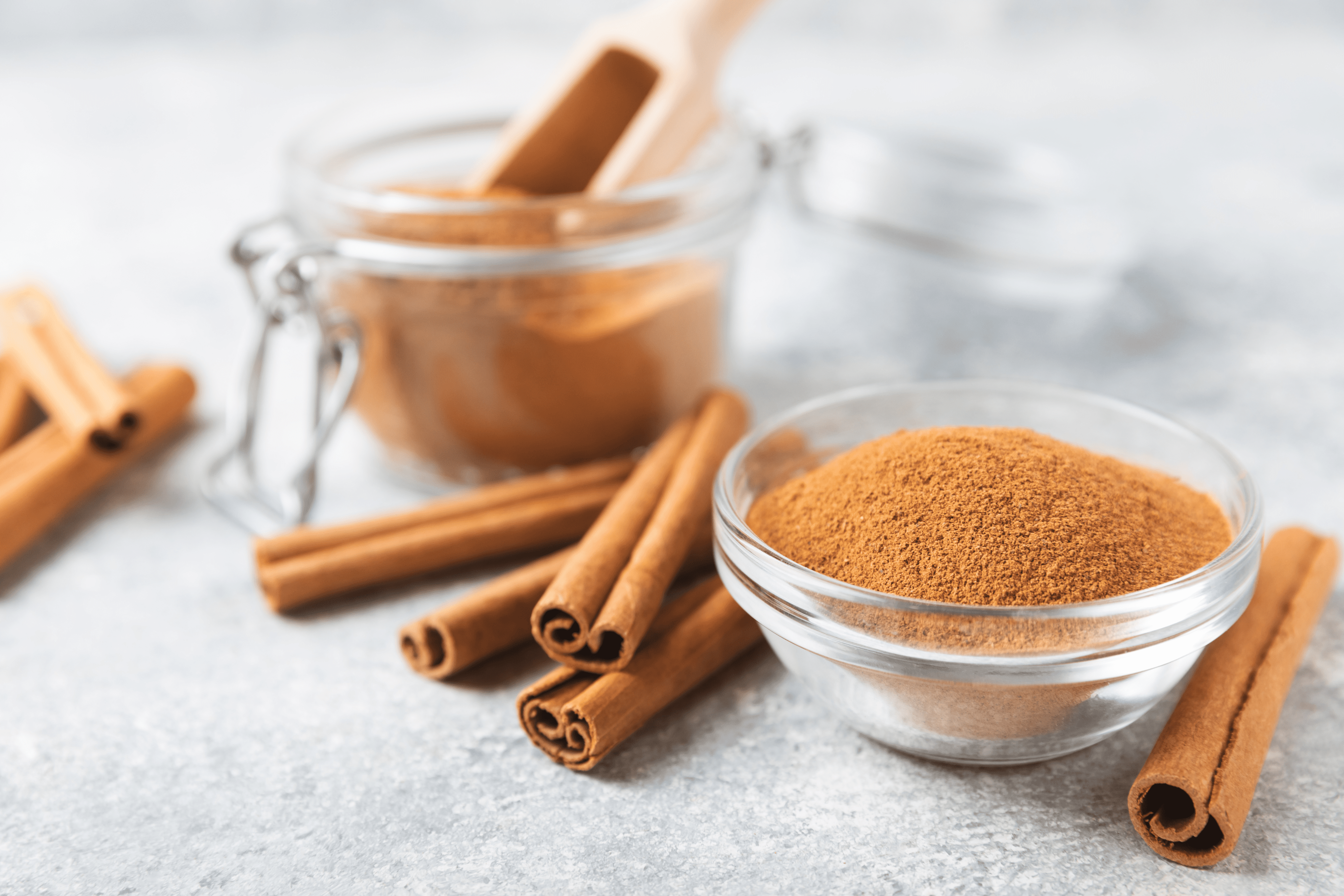
Cinnamon is supposed to make your oatmeal taste like a warm hugnot make you wonder if your spice rack is moonlighting as a chemistry lab.
But recent testing and ongoing public health alerts have put a very specific pantry staple under an uncomfortable spotlight: ground cinnamon (and some cinnamon-containing spice blends).
This article breaks down what “unsafe levels” actually means, which products were flagged in widely cited testing, why lead shows up in spices in the first place,
and what practical steps you can take to protect your householdwithout swearing off cinnamon forever (because come on).
Quick note: This is consumer health information, not medical advice. If you think someone in your home may have been exposed to lead, contact a healthcare professional.
What the testing found (and why it matters)
Multiple reports in the U.S. have highlighted a recurring problem: some ground cinnamon products contain lead at levels that may be unsafe with repeated use,
especially for children and pregnant people. Lead exposure is a big deal because it can accumulate in the body over time.
You might not feel anything right away, but that doesn’t mean it’s harmless.
One widely covered set of findings involved a batch of cinnamon powders and cinnamon-containing spice blends that measured above
1 part per million (ppm) of leada level used by New York State for recall actions for spices in that context.
In plain English: if you’re using a product regularly, small doses can add up, and the risk is higher for smaller bodies (kids) and developing brains.
“Unsafe” doesn’t mean instant symptoms
A frustrating part of lead exposure is that it doesn’t always announce itself with neon warning signs. Many people have no immediate symptoms,
and symptomswhen they do show upcan be vague (fatigue, irritability, stomach issues). That ambiguity is why prevention is the name of the game:
it’s easier to avoid exposure than to play detective later.
The 12 cinnamon products flagged in widely reported testing
The following list has been reported by major U.S. outlets summarizing independent testing results. It includes
ground cinnamon powders and five-spice powders that contain cinnamon.
If you have these exact products at home, the safest move is to stop using them.
Ground cinnamon powders (9)
- Badia Cinnamon Powder
- Deep Cinnamon Powder
- EGN Cinnamon Powder
- Mimi’s Products Ground Cinnamon
- Paras Cinnamon Powder
- Rani Brand Ground Cinnamon
- Bowl & Basket Ground Cinnamon (ShopRite)
- Three Rivers Cinnamon Stick Powder
- Zara Foods Cinnamon Powder
Five-spice powders containing cinnamon (3)
- BaiLiFeng Five Spice Powder
- Spicy King Five Spices Powder
- Yu Yee Brand Five Spice Powder
Important nuance: “brand” can be shorthand in headlines, but contamination risk can be lot-specific.
Still, when reputable testing identifies a product as high-risk, it’s reasonable to treat any remaining container in your pantry as a “do not use”
unless the manufacturer provides clear, credible, batch-level evidence to the contrary.
How does lead end up in cinnamon anyway?
If your first thought is “Why would lead be in a spice?”congrats, your brain is working correctly. Lead isn’t an ingredient.
So contamination usually comes from the supply chain, not the recipe.
1) Soil and environmental contamination
Lead is a naturally occurring metal, and it can be present in soil and dustespecially in areas impacted by industrial activity or historical pollution.
Plants can take up contaminants from their environment, and spices (which are often dried plant material) can concentrate what’s in that environment.
2) Processing, storage, and shipping
Spices travel. A lot. Along the way, contamination can be introduced via equipment, dust, packaging, or storage conditions.
When you’re dealing with a powder, it doesn’t take much contaminated dust to create a problem.
3) Adulteration (the “please tell me you’re kidding” scenario)
In some food fraud cases, unsafe additives have been used to increase weight, deepen color, or boost perceived qualitybecause money.
Regulators and investigators have previously raised concerns that certain high-profile cinnamon contamination events may have involved intentional adulteration.
Who’s most at risk from lead exposure?
Children
Kids absorb lead more easily than adults, and their nervous systems are still developing.
Health authorities emphasize that there is no known safe level of lead exposure for children.
Even low levels can negatively affect learning, behavior, and development.
Pregnant people and fetuses
Lead can cross the placenta. That makes prenatal exposure especially concerning, because early development is when the brain is laying down critical wiring.
If you’re pregnant (or trying to be), it’s worth being extra cautious about any products implicated in lead alerts.
Everyone else (yes, adults too)
Adults aren’t immune. Chronic exposure is associated with problems like hypertension and kidney effects.
The difference is that children face higher risk from smaller amountsso protecting kids tends to drive public health guidance.
Common symptoms (often non-specific)
Lead exposure can be hard to spot without testing. Symptoms may include irritability, lethargy, fatigue, abdominal discomfort,
constipation, headaches, or difficulty concentrating. If you’re concerned, a clinician can advise whether blood lead testing makes sense.
What to do if one of these products is in your pantry
Step 1: Stop using it (don’t “use it up”)
This is one of those moments when being frugal backfires. If a cinnamon product has been flagged for elevated lead, don’t bake it into muffins
and hope the oven “kills the toxins.” (Lead is an element. It does not care about your baking temperature.)
Step 2: Dispose of it safely
- Seal the container (or place it in a sealed bag) to minimize powder spreading.
- Throw it away according to local guidance. (Many places simply recommend discarding in the trash.)
- Do not donate it to food pantries or share it with friends. This isn’t a “let me pass you my problem” situation.
Step 3: Consider what you used it in
If you used the product recently, don’t panic. One-time exposure is generally less concerning than repeated intake over weeks or months.
Still, if a baby, toddler, or pregnant person consumed foods heavily seasoned with an implicated product over time, it’s reasonable to consult a healthcare provider.
Step 4: Ask about testing if you’re worried
Blood lead testing is the standard way to assess exposure. Guidance varies by age and risk factors.
If you’re unsure, a pediatrician (for children) or primary care clinician can help determine whether testing is appropriate.
How to buy safer cinnamon (without living in fear of French toast)
1) Choose reputable brands with stronger quality controls
One reassuring takeaway from published testing coverage is that some cinnamon products tested with very low lead levelsproof that low-contamination cinnamon is achievable.
Larger, established brands may have more robust supplier standards and testing programs. That’s not a guarantee, but it can reduce risk.
2) Be skeptical of “too good to be true” pricing
Spices are expensive to source and test properly. If one product is dramatically cheaper than similar options,
ask the uncomfortable but useful question: How? Deep discounts can be finebut extreme price gaps may reflect corners being cut somewhere upstream.
3) Consider cinnamon sticks and grind your own
Grinding whole cinnamon sticks at home won’t magically erase contamination, but it can reduce certain risks tied to powders (like contamination during bulk handling).
Plus, you’ll get fresher flavor. If you bake a lot, a small spice grinder or a microplane can be a surprisingly satisfying kitchen upgrade.
4) Rotate spices and diversify your flavors
Public health agencies often encourage dietary variety as a general way to reduce repeated exposure to any single contaminant.
Translation: you can still enjoy cinnamonjust don’t make it your personality and your primary food group.
5) Watch for official alerts and recalls
Beyond independent testing, U.S. regulators have issued multiple public health alerts and recommended recalls for specific ground cinnamon products over time,
with reported lead levels in the low single-digit ppm range for certain items. Because cinnamon has a long shelf life,
“old cinnamon” in the back of the cabinet can matter as much as what you bought last week.
FAQ: The questions people actually ask (usually while staring at their spice rack)
Is all cinnamon contaminated?
No. Many products have low or very low lead levels in reported testing coverage.
The issue is that you can’t judge safety by smell, taste, color, or whether the label has a cute drawing of a cinnamon stick.
Does “organic” mean lead-free?
Organic refers to certain agricultural practices and inputs; it does not automatically mean free from heavy metals.
Soil contamination can affect both conventional and organic crops.
Can I “detox” lead out of my body?
There’s a lot of marketing nonsense around “detox.” If you’re concerned about lead exposure, the evidence-based path is:
stop the exposure source and talk to a healthcare professional about appropriate testing and follow-up.
Should I toss everything with cinnamon in it?
Focus on the source: the cinnamon product itself. If you used a flagged cinnamon heavily and recently in a large batch of food,
some people choose to discard that food out of cautionespecially if it’s intended for young children.
For most adults, the bigger concern is repeated exposure over time, not a single cinnamon roll.
Bottom line
Cinnamon is still a beloved stapleand it can stay that way. The goal isn’t to panic; it’s to be appropriately picky.
If your product is on the widely reported “stop using” list, get it out of rotation. Then replace it with a better-vetted option,
keep an eye on official alerts, and treat ultra-cheap spices with the same suspicion you’d give a “designer” handbag sold out of a trunk.
Your future selfmid-bake, dusting cinnamon on something delightfuldeserves peace of mind.
: Experiences / scenarios related to the topic
Real-world cinnamon moments: what this looks like in everyday life
Let’s talk about the part headlines skip: the lived-in, slightly chaotic, very human experience of realizing
“Wait… the cinnamon I’ve been using might be a problem.”
Scenario one is the holiday baker spiral. It’s late October, you’re feeling ambitious, and suddenly your kitchen smells like
pies, cider, and unrealistic expectations. Cinnamon is going into everythingsnickerdoodles, banana bread, pumpkin anything.
Then a friend texts you an article with the subject line: “Do you have this brand?!” You open your cabinet, and there it is:
the same jar you bought because it was on sale and you were feeling responsible with money. Now you’re standing in front of your spice rack,
doing mental math like, “How many teaspoons have I used this month?” (Answer: too many to keep guessing.)
Scenario two is the new-parent panic. Babies and toddlers don’t eat a lot of food, which is exactly why exposure can matter more:
smaller bodies, rapid development, and repeat snacks. Maybe cinnamon is in oatmeal, applesauce, smoothies, or that “healthy” muffin you batch-cooked
to feel like you have your life together. When contamination stories hit the news, parents aren’t being dramatic by worrying
they’re doing the correct, protective thing: identifying risks early. In this situation, the best next step is usually boring and practical:
stop using the product, talk to a pediatrician if there was frequent exposure, and move forward with a safer brand. The goal is action, not guilt.
Scenario three is the “but I only use a pinch” debate. This is where adults often try to talk themselves out of concern:
“I barely use any.” Truespices are small-dose ingredients. But the problem with lead isn’t just one big event; it’s accumulation over time.
If cinnamon is your daily ritual (coffee topper, overnight oats, yogurt swirl), that “pinch” is a repeat dose. A helpful mindset is:
don’t obsess over the teaspoon you used last Tuesdayfocus on what you’ll do differently starting today.
Scenario four is the pantry archaeology expedition. Cinnamon lasts forever. Which means the real surprise is often the backup container
hiding behind the paprika from 2019. People check the front jar, feel relieved, and forget the half-used refill bag in the back.
If you’re cleaning up your spice cabinet anyway, treat it like a mini safety audit: look at labels, check recalls/alerts when relevant,
and toss anything questionable or unlabeled. (Mystery cinnamon is not a fun adventure.)
The best part of these scenarios is also the simplest: the solution is usually easy.
Cinnamon is replaceable, and safer options exist. Once you swap products, your routine goes back to normal
and cinnamon can go back to being what it was always meant to be: the cozy supporting character, not the villain of your pantry.