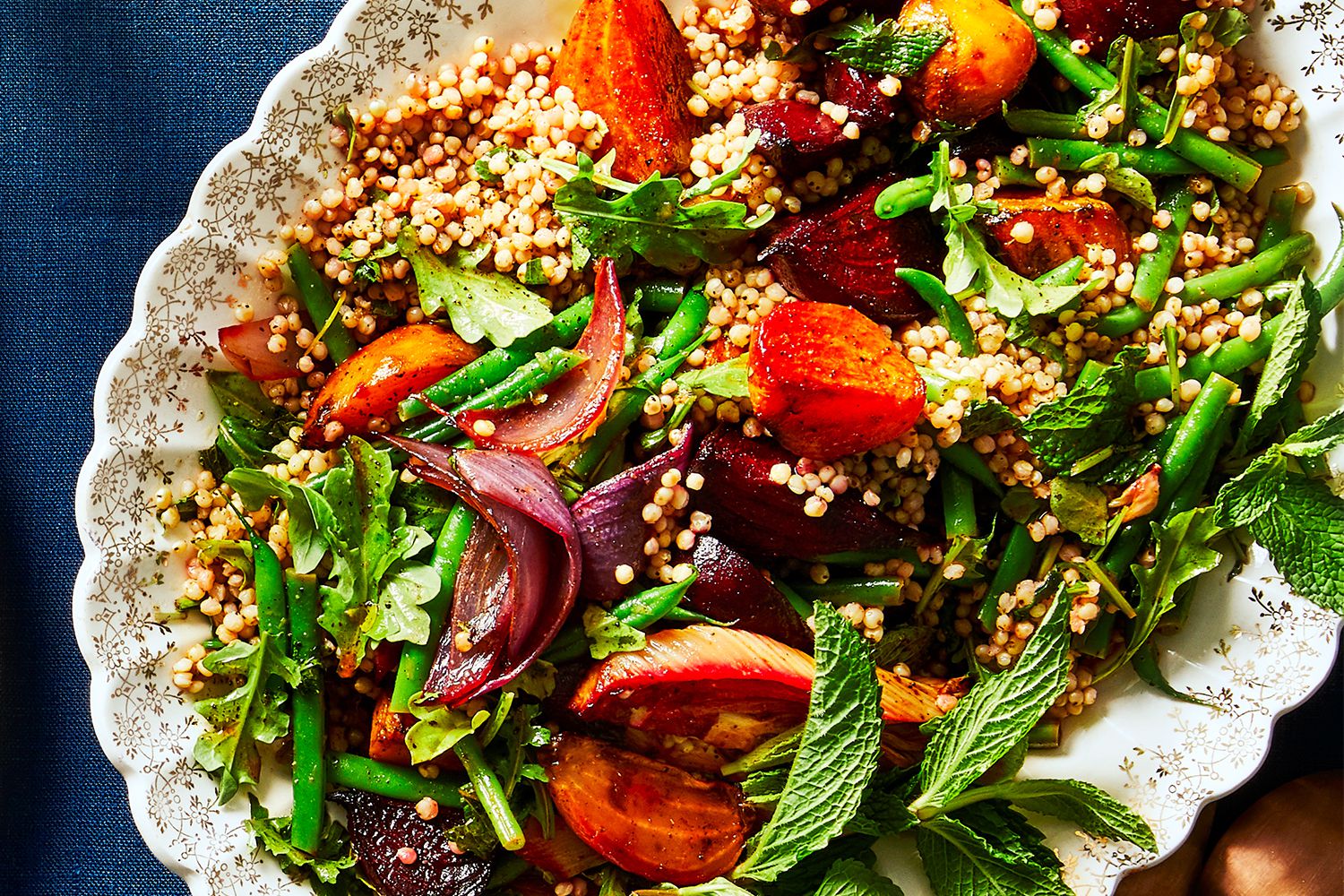
If your idea of eating more whole grains is sadly chewing on plain brown rice while staring out the window like a Victorian orphan, good news: we can do much better than that. A lot better. Whole grains are hearty, flexible, budget-friendly, and surprisingly good at making a meal feel substantial without making it feel boring. They bring chew, nuttiness, toastiness, and the kind of satisfaction that keeps you from rummaging through the pantry 47 minutes after lunch.
This guide rounds up 12 of the best whole grain recipes for every meal of the day, from breakfast bowls and pancakes to grain salads, soups, skillet dinners, snacks, and dessert. Along the way, you’ll also get smart ideas for cooking with oats, quinoa, barley, farro, bulgur, brown rice, wild rice, popcorn, and whole wheat. The goal is simple: help you eat more whole grains in ways that taste like real food you’d actually crave.
Why Whole Grain Recipes Deserve a Permanent Spot in Your Meal Plan
Whole grains contain all parts of the grain kernel, which means you get the bran, germ, and endosperm rather than just the starchy center. That matters because those outer layers carry much of the fiber, vitamins, minerals, and plant compounds that refined grains leave behind. In practical kitchen terms, whole grain recipes tend to be more filling, more textured, and more interesting than their pale, overly polished cousins.
They also work across every meal. Oats and whole wheat shine at breakfast. Quinoa and bulgur make lunch less sad. Farro and barley bring dinner-level comfort. Brown rice and wild rice can carry anything from roasted vegetables to salmon to chili. Even popcorn gets a seat at the table, because yes, it is a whole grain, and yes, that means snack time just got promoted.
One more reason to love them: whole grains are ideal for meal prep. Cook a pot once, then turn it into bowls, salads, soups, and side dishes all week. That is not just efficient. That is kitchen wizardry with leftovers.
12 Best Whole Grain Recipes for Breakfast, Lunch, Dinner, Snacks, and Dessert
1. Blueberry-Banana Baked Oatmeal
This is the breakfast equivalent of getting your life together without making a big speech about it. Rolled oats, mashed banana, cinnamon, milk, blueberries, and a handful of chopped walnuts bake into a soft, sliceable breakfast that feels part casserole, part muffin, and part genius move on a busy morning.
Why it works: Oats are approachable, affordable, and rich in fiber. Banana adds natural sweetness, blueberries bring brightness, and walnuts make it feel hearty enough to count as an actual meal rather than a snack wearing pajamas.
Best tip: Bake it on Sunday, chill it, and reheat squares throughout the week. It also travels well, which makes it excellent for mornings when your schedule is sprinting and your coffee has become your emotional support beverage.
2. Whole Wheat Yogurt Pancakes
Whole wheat pancakes have a reputation for being a little too earnest. These are not those pancakes. Stir together whole wheat flour, baking powder, eggs, plain yogurt, milk, vanilla, and a little maple syrup for pancakes that are fluffy, lightly nutty, and far more exciting than the phrase “responsible breakfast” suggests.
Why it works: Whole wheat flour adds substance and a toasted flavor, while yogurt keeps the texture tender. Top them with berries, peanut butter, or warm apples sautéed with cinnamon.
Best tip: Don’t overmix the batter. Pancakes, like people, do not thrive under too much pressure.
3. Savory Farro Breakfast Bowl with Eggs and Greens
If sweet breakfasts are not your thing, farro is ready to step in. Cooked farro topped with sautéed spinach, a fried or poached egg, avocado, and a sprinkle of feta gives you a savory breakfast bowl with texture for days. It is chewy, rich, fresh, and just fancy enough to make a Tuesday feel less rude.
Why it works: Farro has a pleasantly chewy bite and nutty flavor that pairs beautifully with eggs and vegetables. It turns breakfast into something that actually sticks with you.
Best tip: Cook farro in advance and keep it in the fridge. Reheat with a splash of water or broth so it stays tender instead of turning into a bowl of tiny pebbles.
4. Quinoa Chopped Salad Jars
Quinoa is one of the easiest whole grains to build into lunch, especially when you’re tired of sandwiches and suspicious of sad desk salads. Layer quinoa with chopped cucumbers, cherry tomatoes, chickpeas, red onion, parsley, olives, and lemon vinaigrette in jars for a grab-and-go lunch that actually tastes bright and fresh.
Why it works: Quinoa has a mild flavor, cooks relatively fast, and plays nicely with crunchy vegetables and tangy dressing. It also gives lunch some staying power.
Best tip: Put the dressing on the bottom and the greens on top if you’re using jars. That way your lunch stays crisp instead of turning into a soggy science experiment.
5. Bulgur and Chickpea Tabbouleh Wraps
Bulgur deserves more attention than it gets. It cooks quickly, has a soft chew, and makes a brilliant base for herby, lemony lunches. Toss bulgur with chopped parsley, mint, cucumbers, tomatoes, chickpeas, olive oil, and lemon juice, then wrap it in whole wheat flatbread with hummus for an easy lunch that tastes like effort, even when it wasn’t.
Why it works: Bulgur is one of the most convenient whole grains for weekday cooking because it hydrates quickly and absorbs flavor like a champ.
Best tip: Make extra tabbouleh and serve it later with grilled chicken, baked tofu, or stuffed into bell peppers for dinner.
6. Vegetable Barley Soup
This is one of those whole grain recipes that tastes like comfort and competence. Pearl barley often gets the spotlight, but true whole barley or hulled barley gives the dish more whole-grain character. Simmer it with onions, carrots, celery, mushrooms, garlic, tomatoes, white beans, and broth for a soup that is deeply satisfying without feeling heavy.
Why it works: Barley thickens the broth naturally and brings a chewy, almost risotto-like texture to the pot. Mushrooms deepen the flavor, and beans make it more filling.
Best tip: Soup is a great place to use leftover vegetables. A handful of spinach, zucchini, or corn can slide right in without complaint.
7. Brown Rice Salmon Bowls with Edamame
If you need a dinner formula that rarely fails, start with brown rice. Add roasted or pan-seared salmon, shelled edamame, shredded carrots, cucumber, avocado, and a sesame-soy drizzle. Suddenly you have a grain bowl that feels restaurant-inspired without the takeout tab.
Why it works: Brown rice has enough chew to stand up to bold toppings and sauces. Paired with salmon and vegetables, it creates a balanced meal that feels clean but still comforting.
Best tip: Short-grain brown rice gives you a slightly stickier bowl, while long-grain brown rice stays fluffier. Choose your vibe.
8. Mushroom Farro “Risotto”
Traditional risotto is lovely, but it also asks for your full attention like a toddler near a staircase. This farro version is more forgiving. Sauté mushrooms, shallots, and garlic, then stir in farro and broth until tender. Finish with Parmesan, black pepper, and a little butter or olive oil for a cozy dinner with serious depth.
Why it works: Farro’s natural chew creates a risotto-like dish with more structure and nutty flavor. Mushrooms amplify the savory side, making it feel luxurious without requiring culinary drama.
Best tip: Add peas or spinach near the end for color and balance. Your bowl will thank you.
9. Whole Wheat Pasta Primavera
Whole wheat pasta gets unfairly judged because too many people cook it into sadness. When done right, it is earthy, hearty, and ideal with plenty of vegetables and a silky sauce. Toss it with broccoli, zucchini, peas, cherry tomatoes, garlic, olive oil, lemon zest, and a shower of Parmesan for a dinner that is fresh, colorful, and weeknight-friendly.
Why it works: Whole wheat pasta has more flavor than standard pasta and pairs especially well with vegetables, herbs, and citrus. It tastes grounded, not gimmicky.
Best tip: Pull it from the water a minute early and finish it in the pan with a splash of pasta water. That is where the glossy magic happens.
10. Wild Rice Turkey and Cranberry Stuffed Peppers
Wild rice has an earthy, woodsy flavor that makes dinner feel a little more special. Mix cooked wild rice with ground turkey, onions, celery, dried cranberries, chopped pecans, and herbs, then stuff the mixture into bell peppers and bake until tender. It is cozy, colorful, and great for cooler evenings.
Why it works: Wild rice has a distinct texture that keeps the filling lively. The cranberry-pecan combination adds sweetness and crunch without turning the dish into a holiday parody.
Best tip: You can make the filling ahead and assemble later. Future you will be delighted.
11. Savory Popcorn Snack Mix
Let’s give snack time some respect. Air-popped popcorn tossed with olive oil, nutritional yeast, smoked paprika, garlic powder, roasted chickpeas, and a few whole grain cereal squares becomes a crunchy, salty snack that beats random handfuls of whatever was closest to your keyboard.
Why it works: Popcorn is a whole grain with volume, crunch, and endless seasoning potential. Nutritional yeast adds a cheesy vibe, and roasted chickpeas make the mix more substantial.
Best tip: Season while the popcorn is still warm so the spices actually stick instead of drifting sadly to the bottom of the bowl.
12. Oat and Whole Wheat Apple Crisp
Dessert absolutely belongs in a whole grain lineup, and apple crisp proves the point beautifully. Slice apples and toss them with cinnamon, nutmeg, lemon juice, and just enough maple syrup. Top with a mixture of rolled oats, whole wheat flour, chopped pecans, butter, and brown sugar, then bake until bubbling and golden.
Why it works: Oats add chew and crispness, while whole wheat flour makes the topping taste nuttier and less one-note than a standard crumble.
Best tip: Serve it with Greek yogurt for breakfast leftovers or vanilla ice cream for dessert. This is what experts call range.
How to Make Whole Grain Meals Taste Better Every Time
The secret to better whole grain recipes is not suffering. It is seasoning. Cook grains in broth instead of water when appropriate. Add herbs, citrus, toasted nuts, garlic, olive oil, chili crisp, vinaigrettes, or grated cheese. Whole grains love bold flavors because they have enough personality to carry them.
Texture matters, too. A bowl of soft grains with soft vegetables can feel a little sleepy. Add crunch with seeds, nuts, cucumbers, cabbage, or toasted breadcrumbs. Add creaminess with yogurt, avocado, tahini, or a jammy egg. Add acid with lemon juice or vinegar. The difference between “healthy” and “can I have seconds?” is often one squeeze of lemon and one pinch of salt.
It also helps to mix grains into meals you already love instead of trying to reinvent your entire kitchen personality overnight. Swap brown rice into burrito bowls. Use oats in muffins and crisps. Stir farro into soups. Try whole wheat pasta with your favorite sauce. Fold cooked quinoa into salads. You do not need a dramatic grain awakening. You just need a few smart habits.
Extra Real-Life Experience: What It’s Actually Like to Cook More Whole Grain Recipes
In real kitchens, the move toward whole grain meals usually does not begin with a sweeping lifestyle speech or an organized pantry worthy of a magazine spread. It begins with one practical decision, like buying oats instead of sugary cereal, swapping white rice for brown rice in one dinner a week, or making a grain salad because the lettuce in the fridge has seen better days. The first experience many people have is simple surprise: whole grains are far more versatile than expected.
At breakfast, for example, oats are often the gateway grain. People start with oatmeal, realize they can bake it, chill it, top it with fruit, or blend it into pancakes, and suddenly breakfast gets easier. Then comes the next revelation: whole grains are not just “healthy,” they are useful. They hold up in the fridge. They reheat well. They keep you fuller longer. They give meals structure. That is when cooking with them stops feeling like an obligation and starts feeling like a strategy.
Lunch is where whole grains really earn trust. A container of cooked quinoa or farro in the refrigerator can rescue the middle of the day with very little effort. Toss in chopped vegetables, beans, leftover chicken, feta, or a spoonful of hummus, and lunch is handled. Many people notice that these grain-based lunches feel more stable than lighter meals that fade fast. Instead of being hungry an hour later and making eye contact with a vending machine, you are comfortably full and able to move on with your life.
Dinner can be the biggest adjustment, especially in households where refined pasta or white rice has been the automatic default for years. The first few tries can be uneven. Brown rice may seem too chewy. Whole wheat pasta may get overcooked. Farro may feel unfamiliar. But experience fixes most of that quickly. Once cooking times are dialed in and the grains are paired with strong flavors like garlic, lemon, roasted vegetables, herbs, sauces, or cheese, the resistance tends to fade. In fact, many home cooks end up preferring the nuttier flavor and fuller texture.
There is also a quiet sense of accomplishment that comes from keeping cooked grains ready to go. It makes the kitchen feel stocked in a useful way, not just crowded. A scoop of barley can bulk up soup. A cup of wild rice can turn leftover vegetables into dinner. Extra oats can become muffins, granola, or crisp topping. That kind of flexibility is one of the most satisfying experiences of all, because it reduces waste while making meals feel more creative.
Another common experience is discovering that whole grain cooking does not have to be expensive or overly precious. Oats, brown rice, popcorn, bulgur, and whole wheat pasta are often very budget-friendly. Even grains that sound a little fancy, like farro or quinoa, stretch nicely across several meals. Once people learn how to cook them and season them well, the intimidation factor disappears. The grains go from “special ingredient” to “normal part of the pantry,” which is exactly where the magic happens.
Over time, the biggest shift is not dramatic weight loss claims or a sudden halo appearing over the stove. It is that meals begin to feel more balanced, more satisfying, and easier to build. Whole grains become less of a nutrition headline and more of a quiet kitchen habit. And honestly, that may be the best experience of all: food that tastes good, works hard, and fits into real life without demanding applause.
Conclusion
The best whole grain recipes are not the ones that try hardest to seem virtuous. They are the ones you actually want to make again. That might be a pan of baked oatmeal on Monday, a quinoa lunch jar on Wednesday, a mushroom farro skillet on Friday, and an apple crisp over the weekend. The beauty of whole grains is that they can fit every meal, every season, and nearly every kind of eater.
Start with one grain you already know, one recipe that sounds genuinely good, and one small swap you can repeat. From there, whole grain cooking gets easier, tastier, and much more automatic. Before long, your meals feel more interesting, your leftovers get smarter, and your pantry starts pulling its weight. Not bad for a bunch of tiny kernels.