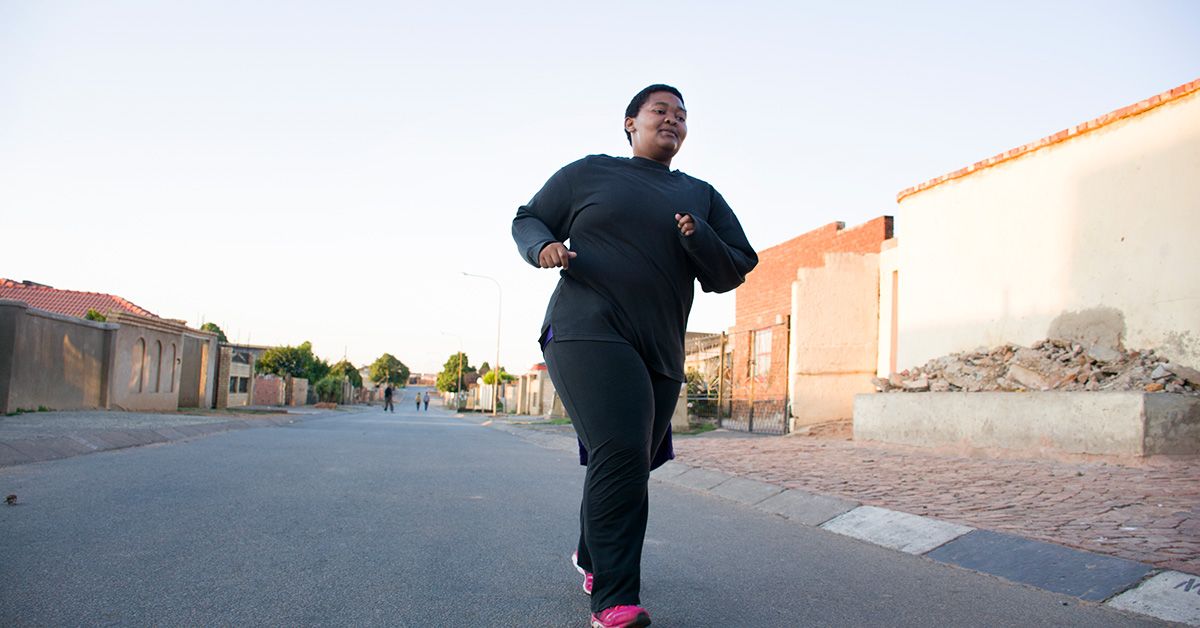
If exercise could be bottled, it would probably come with a prescription and a long line at the pharmacy. Luckily, you don’t need a co-pay to walk around the block, stretch on your living room floor, or dance in your kitchen like nobody’s watching. Regular physical activity benefits almost every system in your bodyfrom your heart and hormones to your mood and memory.
In this guide, we’ll break down 12 science-backed physical and mental benefits of exercise, using evidence from major U.S. organizations like the Centers for Disease Control and Prevention (CDC), the American Heart Association (AHA), Harvard Health, and others. We’ll also talk about how much exercise you really need and finish with some real-life–style experiences to help you picture what these benefits look like in everyday life. Spoiler: you don’t have to become a marathon runner to feel better.
How Much Exercise Do You Actually Need?
Before we get into the benefits, let’s quickly cover the “how much” question. For most healthy adults, the CDC and AHA recommend at least 150 minutes of moderate-intensity aerobic activity (like brisk walking) or 75 minutes of vigorous activity (like running) per week, plus two days of muscle-strengthening workouts.
If that sounds like a lot, remember: you can break it into bite-sized chunks10–15 minutes at a time. Newer research even suggests that very short bursts of vigorous movement (like quickly climbing stairs or power walking uphill) can meaningfully cut heart disease risk.
Now let’s look at what all that movement actually does for you.
1. Stronger Heart and Lower Blood Pressure
Your heart is a muscle, and exercise is its favorite kind of training. Regular physical activity improves circulation, strengthens the heart, and helps blood vessels stay more flexible so blood can flow more easily.
Random fun-but-serious fact: aerobic exercise has been shown in clinical trials to lower systolic blood pressure (the top number) by about 5–7 mm Hg and diastolic by 4–6 mm Hga difference that can significantly reduce your risk of heart attack and stroke over time.
Even simple activities count. Brisk walking, cycling, or swimming a few times a week can help:
- Lower blood pressure
- Decrease “bad” LDL cholesterol
- Improve blood sugar control
- Reduce the risk of coronary artery disease and stroke
2. Better Weight Management and Metabolic Health
Exercise alone won’t magically erase a triple cheeseburger, but it’s a powerful partner for managing weight and metabolic health. Physical activity burns calories, increases muscle mass (which boosts resting metabolism), and helps your body use insulin more efficiently.
According to the CDC, being active can help prevent or manage conditions like obesity and type 2 diabetes. Combined with balanced eating, regular movement can make it easier to maintain a healthy weight without extreme dieting or gimmicks.
3. Stronger Muscles, Bones, and Joints
Resistance trainingwhether it’s lifting dumbbells, using resistance bands, or doing bodyweight moves like squats and push-upshelps build and maintain muscle mass. That’s huge for staying independent as you age, since muscle is what lets you carry groceries, climb stairs, or get up from the floor gracefully (or at least without a dramatic sound effect).
Weight-bearing exercises like walking, jogging, or strength training also stimulate bone growth and help prevent osteoporosis and fractures. The CDC notes that regular activity improves bone health and reduces the risk of falls and injuriesespecially when you combine it with balance and flexibility exercises.
4. Lower Risk of Serious Chronic Diseases
One of the biggest perks of exercise: it acts like a shield against a long list of chronic diseases. Large studies show that physically active people have a lower risk of heart disease, type 2 diabetes, high blood pressure, and certain cancers.
Regular activity can:
- Reduce the risk of eight common cancers (including breast and colon cancer)
- Help manage existing conditions like type 2 diabetes and high blood pressure
- Support healthier cholesterol and triglyceride levels
In other words, those daily walks are doing much more than earning you steps on your fitness tracker.
5. Longer, Healthier Life
Active people tend to live longerand not just longer, but better. The CDC notes that regular physical activity increases your chances of living longer and reduces the risk of dying early from major causes like heart disease and some cancers.
You don’t have to be an athlete to see the benefit. Even moving from “very sedentary” to “a bit active” appears to offer a meaningful bump in longevity, according to large population studies. Think of exercise as “adding good years,” not just years.
6. Sharper Brain and Lower Dementia Risk
Exercise doesn’t just work your musclesit also boosts your brain. Research reviews show that people who are more physically active have a significantly lower risk of cognitive decline and dementia, including Alzheimer’s disease.
Physical activity appears to improve blood flow to the brain, support the growth of new nerve cells, and strengthen the connections between them. The CDC reports that regular activity can help you think, learn, and problem-solve more effectively, and it’s linked to better memory and attention across the lifespan.
Even 30 minutes of moderate to vigorous exercise has been shown to boost memory performance the next day in older adultsespecially when combined with good sleep.
7. Better Mood and Relief from Depression
If you’ve ever felt more relaxed or cheerful after a walk, you’ve already experienced this benefit. Regular exercise boosts levels of feel-good chemicals like endorphins and may act as a natural antidepressant for some people.
Harvard Health reports that for mild to moderate depression, exercise can be as effective as medication for some individuals, especially when it’s consistent and enjoyable. It also provides a sense of accomplishment and structuresomething that can be incredibly powerful when your mood is low.
8. Less Anxiety and Stress
Modern life comes with plenty of stressorsdeadlines, notifications, the news, that one group chat… But physical activity gives your nervous system a chance to reset. Exercise reduces levels of stress hormones like adrenaline and cortisol while increasing endorphins, which promote feelings of calm and well-being.
Even short bouts of movementlike a 10-minute walk or a few minutes of stretchingcan ease tension and worry. The CDC also lists reduced anxiety as an immediate benefit of a single session of moderate-intensity exercise.
9. Better Sleep (So You Don’t Need Three Alarms)
Struggling to fall asleep or stay asleep? Exercise might help. Regular physical activity has been shown to improve sleep quality, help you fall asleep faster, and reduce daytime sleepiness.
The AHA points out that exercise can also improve conditions like insomnia and obstructive sleep apnea. Just aim to finish very intense workouts a few hours before bedtimesome people find late-night high-intensity exercise too stimulating.
10. More Energy and Easier Daily Activities
It sounds backward, but spending energy on exercise usually gives you more energy back. Physical activity improves your cardiovascular fitness and muscular strength, so everyday taskscarrying groceries, playing with kids, cleaning the housefeel easier.
The CDC highlights that regular physical activity helps you perform daily activities more easily and reduces fall risk by improving balance and coordination. That’s especially important as you get older and want to stay independent and mobile.
11. Improved Immune and Overall Health Resilience
While exercise isn’t a magic shield against every germ, moderate regular activity appears to support a healthier immune response and overall resilience. By improving circulation, lowering chronic inflammation, and supporting metabolic health, physical activity helps your body respond more effectively to stressors, including illness and injury.
Think of it this way: a fit body has more “reserve” to draw on when life throws curveballswhether that’s surgery, a viral infection, or just an unusually long day.
12. Higher Self-Esteem, Confidence, and Social Connection
Exercise doesn’t just change how your body works; it often changes how you feel about yourself. People who are physically active frequently report higher self-esteem, better body image, and greater overall life satisfaction.
Group activitieslike walking clubs, fitness classes, or recreational sportsadd a social layer, which is also great for mental health. Showing up consistently, noticing your progress, and sharing the journey with others can create a powerful sense of connection and belonging.
Putting It All Together: How to Start (or Restart) Moving
Reading about the benefits of exercise is inspiring. Doing it is where the magic happens. A few practical tips:
- Start small. Even 5–10 minutes of walking most days is better than zero.
- Choose things you actually enjoy. Dancing, gardening, swimming, hiking, playing pickleballif it gets you moving, it counts.
- Mix it up. Aim for a blend of cardio, strength, and flexibility over the week.
- Build habits, not heroics. Consistency beats occasional “all-out” workouts.
- Talk with your doctor if you have chronic conditions or haven’t been active in a long time.
Real-Life Experiences with the Benefits of Exercise
To make all these benefits feel less like a textbook and more like real life, imagine three different people and how movement changes their day-to-day experience.
Case 1: Alex, the Desk-Job Warrior
Alex is in their late 30s, works at a computer all day, and used to joke that their primary form of exercise was “scrolling.” After a routine checkup showed slightly elevated blood pressure and borderline high blood sugar, their doctor suggested walking 30 minutes a day and doing simple strength exercises twice a week.
At first, Alex split the 30 minutes into three 10-minute walksone in the morning, one at lunch, and one after dinner. Within a few weeks, they noticed they weren’t as wiped out in the afternoon. Brain fog that used to hit around 3 p.m. eased up, and they felt more clear-headed during meetings.
After a few months, their follow-up visit showed lower blood pressure and improved lab numbers. They hadn’t made extreme changesno boot camps, no fancy gym membershipbut their body responded to the consistent movement. Plus, the daily walks turned into podcast time, making exercise something they looked forward to instead of dreaded.
Case 2: Maria, Managing Stress and Mood
Maria is a busy parent in her 40s, juggling work, kids, and aging parents. Her stress level is usually somewhere between “I need a vacation” and “I live in a constant state of mild panic.” She starts trying a basic routine: a 20-minute brisk walk most days and one beginner yoga video at home on weekends.
On days she walks, Maria notices she feels less irritable in the evening. The problems are still thereemail inbox, family logistics, the worksbut they feel more manageable. Over time, those walks become her “moving meditation.” She doesn’t always go fast; sometimes she just strolls and listens to music. Still, her sleep improves, and those knots in her shoulders loosen a bit.
When a particularly stressful month hits, she realizes something surprising: instead of spiraling, she automatically puts on her sneakers and goes outside. Exercise hasn’t removed stress from her life, but it’s given her a healthier default coping mechanism and a sense of control over her mood.
Case 3: Sam, Staying Sharp and Independent with Age
Sam is 68 and determined to stay independent as long as possible. They’ve watched friends struggle after falls or health scares, and they want a different story. With guidance from their doctor, Sam joins a community center program that includes light strength training, balance exercises, and group walks.
At first, getting up from a chair without using their hands is a challenge. But over several months, those “everyday strength” moves get easier. Sam feels more stable on stairs and less worried about slipping outside. The balance workstanding on one leg, practicing heel-to-toe walkingtranslates into more confidence moving around the house and yard.
Sam also notices something else: the social side of exercise is a game-changer. They look forward to seeing the same faces each week, sharing laughs about sore muscles, and celebrating each other’s progress. Mentally, they feel sharper and more engaged, and the routine provides structure and purpose beyond medical appointments or TV time.
What These Experiences Have in Common
Alex, Maria, and Sam are very different, but their stories share a few themes that reflect what research shows:
- None of them start with extreme workoutsthey begin with manageable steps.
- The benefits show up in everyday life: clearer thinking, better mood, more energy, and easier daily tasks.
- Consistency matters more than intensity. They all find routines that fit their personalities, schedules, and abilities.
You don’t have to copy any of these “characters” exactly. But you might recognize yourself in a piece of their storiesand use that as a starting point to create your own version of active living.
Bottom Line
Exercise is one of the most reliable, research-backed ways to invest in both your body and your mind. It lowers your risk of serious disease, strengthens your heart and bones, sharpens your brain, boosts your mood, improves your sleep, and helps you feel more capable in everyday life.
You don’t need perfection. You just need to moveregularly, in ways you can enjoy or at least tolerate with a good playlist. Start where you are, use what you have, and remember: every step, stretch, or squat counts as a small vote for your future self.