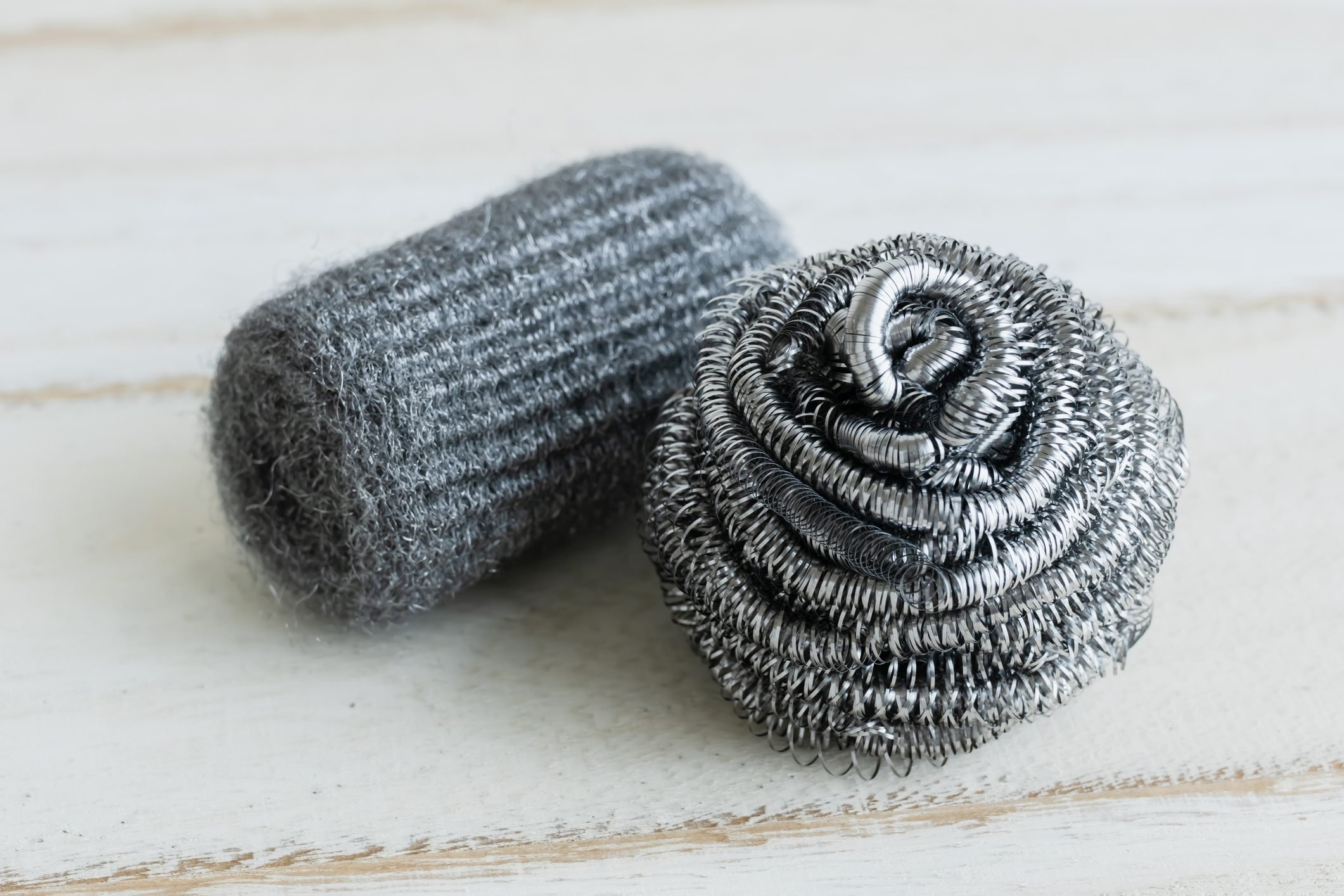
Steel wool looks like something that should live under the kitchen sink and mind its own business.
But this humble, scratchy little bundle is actually a secret MVP of cleaning, DIY, and home maintenance.
Used the right way (and on the right surfaces), steel wool can fix squeaks, revive finishes, sharpen tools,
and even keep critters from moving in rent-free.
If you’ve only ever grabbed steel wool to scrub a crusty pan, get ready.
These 14 steel wool hacks will make you see that wiry pad in a whole new, “how did I not know this?” light.
First Things First: Understanding Steel Wool Grades
Before you start scrubbing everything in sight, it helps to know that steel wool isn’t one-size-fits-all.
It comes in different “grades,” from super fine to extra coarse, and the grade you choose matters a lot.
- 0000 (super fine) – Very delicate. Great for polishing glass, waxed wood, and gently smoothing finishes.
- 000–0 (extra fine to fine) – Good for light cleaning, buffing metal, and smoothing between coats of finish.
- 1–2 (medium) – For general cleaning, removing light rust, and surface prep.
- 3–4 (coarse to extra coarse) – For heavy-duty jobs like stripping paint or tackling heavy rust.
Rule of thumb: When in doubt, go finer, not coarser. You can always scrub a little longer, but you can’t un-scratch a surface.
14 Steel Wool Hacks You’ll Wish You Knew Sooner
1. Rescue Rusty Garden Tools
Got garden shears, trowels, or pruners that look like they’ve been buried since the last ice age?
Steel wool to the rescue. Use a medium (grade 1–2) pad with a little light oil (like mineral oil)
to scrub away rust and caked-on dirt. Wipe clean and finish with a thin coat of oil to protect the metal.
This works beautifully on metal rakes, hoes, and even old shovels. You’ll be shocked how many “dead” tools
still have years of life left once you clean them up.
2. Keep Mice and Bugs from Sneaking In
Steel wool isn’t just good at cleaningit’s also your tiny, spiky security system. Mice can squeeze through gaps
as small as a nickel, but they hate chewing through steel fibers.
Inspect around pipes, foundation cracks, dryer vents, and gaps around utility lines.
Stuff coarse steel wool into the opening, then seal over it with caulk or expanding foam.
The steel wool blocks the hole; the caulk keeps it in place. It’s an inexpensive, low-tech way to stop
pests before they become roommates.
3. Sharpen Dull Scissors the Lazy Way
Scissors feeling more “chew” than “cut”? Grab a wad of fine or medium steel wool,
fold it a few times, and make 15–20 full cuts through it with your scissors.
The cutting motion against the steel fibers helps hone the edges just enough to make them noticeably sharper.
This trick works well for household scissors, craft scissors, and even some garden snips.
(Just don’t use it on fancy fabric shears your grandma gifted youthose deserve professional sharpening.)
4. Tighten a Loose Screw Hole
When a wood screw no longer grabs because the hole is worn out, you don’t always need a bigger screw or wood filler.
Instead, pull the screw out, twist a little tuft of fine steel wool, and stuff it into the hole.
Drive the screw back in.
The steel wool gives the screw fresh material to bite into, firming up loose cabinet hinges, door strike plates,
drawer pulls, and more. It’s a five-minute fix that can save you from breaking out more serious tools.
5. Give Wood an Aged, Weathered Look
Love that rustic, weathered-wood vibe? You can fake years of patina in a weekend with a simple DIY stain:
- Tear up a small piece of steel wool (medium or fine) and place it in a glass jar.
- Cover it with white vinegar and let it sit for a day or two until the liquid turns brownish-gray.
- Strain out any bits, then brush the solution onto unfinished wood.
The vinegar–steel wool mix reacts with the tannins in the wood, giving it an instant aged, grayish tone.
The effect is especially pretty on pine and oakperfect for DIY shelves, picture frames, and accent walls.
6. Smooth Paint Drips and Rough Finishes
If you’ve ever touched up trim or furniture and ended up with brush marks, nibs, or paint drips,
steel wool can quietly erase the evidence.
Use extra fine (000 or 0000) steel wool to gently knock down bumps between coats of paint,
varnish, or polyurethane. Always work with a light touch and follow the grain on wood.
Wipe off dust with a tack cloth, apply the next coat, and enjoy that smooth, pro-looking finish you’ll
totally pretend was easy.
7. Deep-Clean Oven Racks and Grill Grates
Burnt-on grease on oven racks or grill grates can make you question your life choices.
After soaking the racks in hot, soapy water (or running a self-clean cycle if your oven allows it),
use medium or fine steel wool to scrub off the softened gunk.
For grill grates, focus on bare metal grates onlyavoid steel wool on porcelain-coated grates,
which can chip and rust. Rinse thoroughly and dry well to avoid rust.
8. Polish Brass, Copper, and Other Metals
Dull brass doorknobs, tarnished copper pots, or scuffed metal fixtures can often be revived with very fine steel wool.
Pair 0000 grade wool with a metal polish or a paste of baking soda and water,
and gently buff in small circles.
This is especially helpful for:
- Door hardware
- Old light fixtures
- Decorative brass pieces
- Outdoor metal furniture (on uncoated areas)
Always test in an inconspicuous spot first, then finish with a clean cloth to remove residue and reveal the shine.
9. Refresh Rusty Cast Iron (But Don’t Overdo It)
Steel wool can be a cast-iron pan’s best friendwhen used sparingly. If you have rust spots or stubborn stuck-on bits:
- Scrub the rusty area with medium steel wool and a little water.
- Rinse and dry thoroughly (place the pan on low heat to drive off moisture).
- Re-season with a thin coat of oil and bake it in the oven.
You don’t want to strip a perfectly good seasoning layer just for fun, but steel wool is brilliant for rescuing pans
that have been neglected or briefly left in the sink (no judgment).
10. Start a Campfire (Even When It’s Damp)
Steel wool is surprisingly flammable because those tiny strands have a large surface area.
Extra-fine steel wool (0000) can catch and hold a spark, making it a clever emergency fire starter.
The classic trick: stretch out a bit of 0000 steel wool and briefly touch it with both terminals of a 9-volt battery.
The fibers will begin to glow and smolder. Transfer the ember to dry tinder and blow gently to build a flame.
Important: This is an outdoor-only hack. Keep a safe distance from flammable materials,
supervise kids closely, and don’t play “science experiment” in your living room.
11. Distress Painted Furniture
Want your freshly painted dresser to look like it has a charming, lived-in past?
After the paint has fully cured, use fine or extra-fine steel wool to gently rub along edges, corners,
and raised details.
You’ll reveal a bit of the wood or base color underneath, creating that pretty, worn-in effect that
makes furniture look collected, not just bought last weekend.
12. Help Clean Cloudy Glass (With Caution)
Super-fine 0000 steel wool can help remove some mineral deposits and hazy buildup on
certain glass surfaces, like oven doors or some shower doors, when used very gently with water or glass cleaner.
That said, glass can scratchespecially if there’s grit on the surfaceso always:
- Test on a hidden corner first.
- Use a light touch.
- Stop immediately if you see any scratching.
If you’re nervous, use a non-scratch pad or cleaner specifically labeled safe for glass instead.
13. Clean Up Grout Lines and Porcelain Fixtures
For stubborn grime on porcelain tubs, sinks, or tile grout lines, a small tuft of very fine steel wool
can sometimes remove stains that normal sponges leave behind.
Work on wet surfaces with gentle, controlled pressure and rinse thoroughly. Avoid glossy or decorative finishes,
and never use steel wool on coated or specialty surfaces like enamel that chips easily.
14. Add Grip and Cushion to DIY Projects
Steel wool also shines (figuratively) in small workshop hacks:
- Wrap a bit around the jaws of metal clamps before tightening to protect delicate wood from dents.
- Use a thin layer under felt pads on chair legs to help them grip and stay in place.
- Pack small bits into wobbly dowel holes before gluing to snug things up.
You’re essentially using the wool as a flexible filler that compresses where needed and helps spread pressure out
especially handy on older furniture or slightly off measurements.
Steel Wool Safety: What Not to Do
Steel wool is powerful, which means it can also be too powerful for some materials.
To avoid expensive “oops” moments, skip steel wool on:
- Stainless steel sinks and appliances – It can scratch the surface and even make it more prone to rust over time.
- Nonstick cookware – It will wreck the coating and shorten the pan’s life dramatically.
- Highly polished metals – You’ll lose the mirror finish and gain scratches.
- Natural stone (granite, marble, etc.) – Scratches can open the door to stains and etching.
- Most ceramics and delicate glass – Especially decorative pieces or anything with a glossy glaze.
- Plastic – It will scratch and cloud the surface.
A few more safety tips:
- Wear gloves if you’re working a lottiny steel fibers can irritate skin.
- Vacuum or wipe up stray fibers; they can rust or get into places they don’t belong.
- Keep steel wool away from open flames, sparks, and curious kidsit really can ignite more easily than it looks.
Real-Life Steel Wool Experiences: Wins, Fails, and “Why Didn’t I Try This Sooner?”
Steel wool hacks sound great on paper, but they’re even better when you’ve seen them work in real life.
Here are a few “I’ll never underestimate steel wool again” moments many DIYers and homeowners can relate to.
The garden tool glow-up.
Picture a bucket in the corner of the shed filled with sad, rusty pruners and a trowel that looks fossilized.
One weekend, you finally decide to deal with them instead of buying replacements. A few passes with medium steel wool,
some elbow grease, and a little oil later, those tools are sliding through soil like it’s butter.
The next time you’re in the garden, every smooth cut is a tiny reminder that a $2 pad of steel wool
saved you from buying a cart full of new gear.
The mice that didn’t move in.
Another classic: you hear scratching in the walls or find suspicious little droppings in the basement.
After some inspection, you spot a gap around a pipe or a crack along the foundation.
Instead of panicking, you stuff coarse steel wool into the opening and seal it.
The scratching stops. No traps, no drama, just a simple barrier the mice don’t want to chew.
Months later, you’re still smug about the fact that steel wool turned out to be your most underrated pest-control tool.
The furniture “oops” that turned into a style upgrade.
Maybe you rushed through painting a dresser and ended up with visible brush marks and a few drips you ignored,
hoping no one would notice. (They noticed.)
Instead of starting over, you wait for the paint to cure, then lightly rub the rough spots with extra-fine steel wool.
Suddenly the finish is smooth, the edges are softened, and while you’re at it,
you distress a few corners for a vintage look. Guests compliment your “antique” find,
and you just smile and say, “Thanks, it was a little DIY project.”
The “hero of the campfire.”
On a damp camping trip, the firewood is stubbornly refusing to catch. Someone remembers the trick with
0000 steel wool and a 9-volt battery they saw online. A tiny spark turns the steel wool into a glowing ember,
you bundle it into some dry-ish tinder, and with a bit of careful coaxing, a real flame appears.
For the rest of the trip, everyone swears you’re some kind of wilderness wizard, but really,
it was just knowledge plus a pocket-sized scrubber.
The “new” front door hardware.
Front door knobs and knockers quietly dull over the years until one day you realize they look tired.
Instead of replacing them, you pull out 0000 steel wool and a dab of metal polish.
Ten minutes later, the hardware gleams like it did when it was new.
Paired with a sweep of paint on the door, your entry suddenly looks upgradedwithout calling a contractor
or swiping your card.
These small wins are why steel wool earns permanent residency in toolboxes, cleaning caddies, and garages.
Used thoughtfully, it can extend the life of what you already own, prevent problems before they start,
and bail you out of more than a few “I really hope I can fix this” moments.
The Bottom Line
Steel wool is one of those old-school, low-cost, high-impact tools that quietly does a little bit of everything:
cleaning, polishing, repairing, pest-proofing, and even fire-starting in a pinch.
The key is matching the right grade to the right job, staying away from delicate or coated surfaces,
and letting patience do some of the work.
Toss a few different grades0000, 0, and 2 or 3into your cleaning kit or toolbox,
and the next time you run into rust, grime, squeaks, or mystery gaps, you’ll have a clever,
Family Handyman–style solution ready to go. You might even find yourself wondering how you ever managed
without that scruffy little bundle of steel.