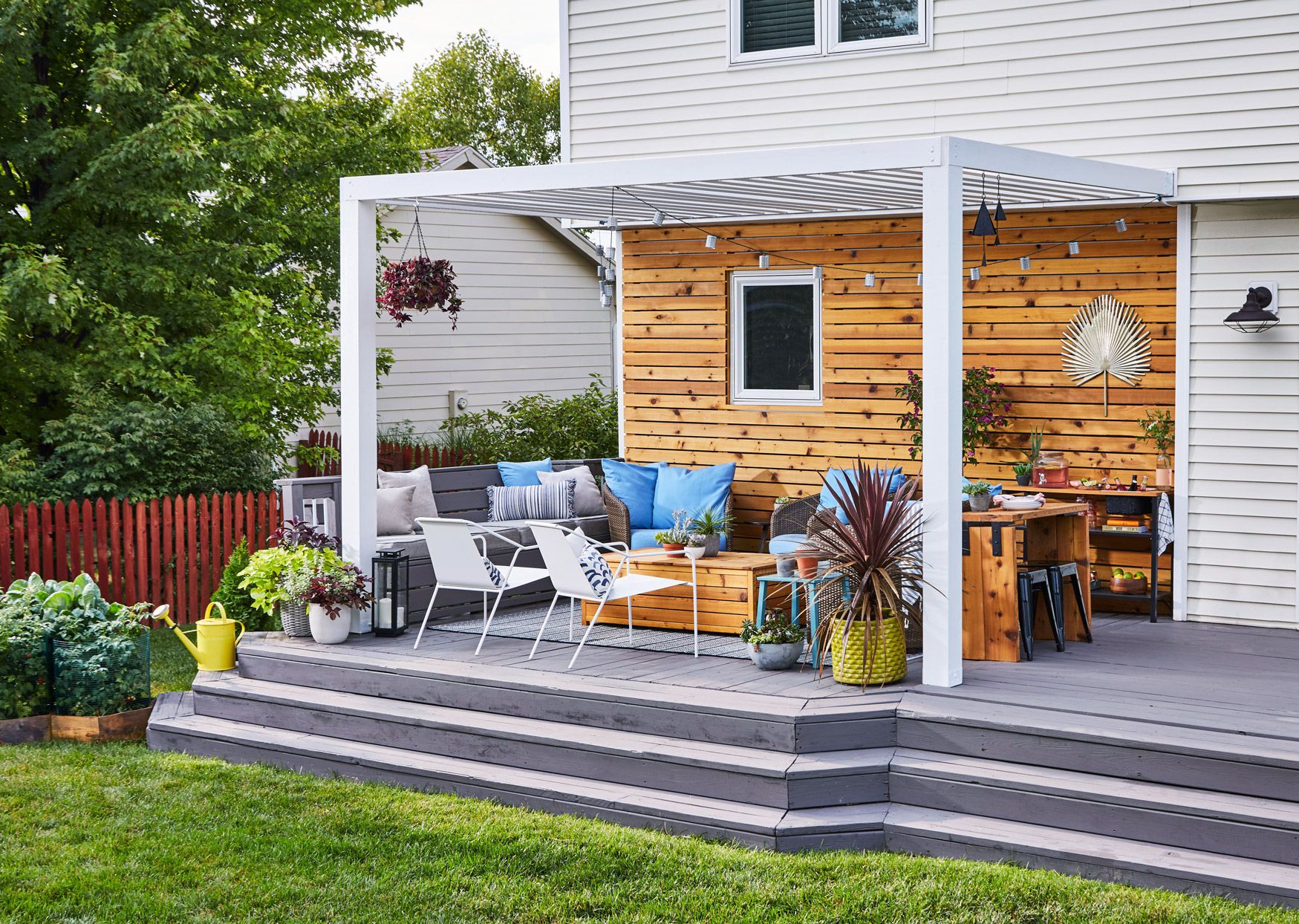
An attached pergola is basically your house saying, “Come hang out with me… but outside.” It’s part shade-maker,
part style-flex, and part “why didn’t we do this sooner?” upgrade. Because it ties into your home, a wall-mounted
pergola can make a patio or deck feel like a true roomone with breezes, better lighting, and fewer bugs in your drink
(okay, fewer bugs sometimes).
Below are 16 attached pergola ideas that blend real-world shade solutions with design moves that look intentional,
not like you tacked on a wooden hat. You’ll also get practical guidance on placement, comfort, materials, and the
one thing you should never skip: protecting your house from water.
What “attached” really means (and why it matters)
An attached pergola is anchored to your home on one side (often with a ledger board or wall brackets) and supported
by posts on the outer edge. That connection is the magicand the responsibility. Done right, it’s sturdy, tight,
and weather-smart. Done wrong, it can invite water behind siding or create weak points in wind.
Fast reality check before you pick a look
- Follow the sun: Track afternoon glare and where you actually sit (not where you imagine you’ll read a book).
- Plan for water: The house connection needs proper flashing and a water-resistive strategy.
- Respect loads: Wind, snow, and “my cousin hung a hammock chair from it” all count.
- Check rules: Permits and HOA guidelines can change what’s allowed when a structure is attached.
16 attached pergola ideas for more shade and better style
1) The classic ledger-and-post pergola (but make it beefy)
Clean lines, sturdy beams, and a simple rectangular footprint never go out of style. If you want “timeless backyard
architecture,” this is it. Use thicker beams than you think you need (visually and structurally), and match the
stain or paint to a nearby exterior element like trim or a deck rail.
Shade booster: Add a fabric canopy or slats spaced tighter over the seating zone.
2) The “picture-frame” modern pergola
This look is all about crisp edges: squared posts, flat beams, and a minimal color paletteoften black, charcoal,
or warm natural wood. It pairs beautifully with modern landscaping, concrete pavers, and simple outdoor furniture.
The attached side helps it read as an extension of the home rather than a random yard object.
Style move: Repeat the pergola color in exterior sconces, house numbers, or planters.
3) A two-level pergola for tricky rooflines
If your house has a stepped facade, bay windows, or a patio door that doesn’t line up with the ideal pergola height,
a two-level design can solve it. You attach the higher section where the structure makes sense, then transition down
over the seating area for better proportionand more shade.
Bonus: The “drop” can hide lighting and wiring for a cleaner finish.
4) The partial-solid roof pergola (for “I want shade, not a suggestion”)
Traditional pergolas filter light. If you want real sun and rain protection, add a partial roof panel systemthink
polycarbonate or corrugated panelsover the lounge area while keeping the rest open. It still looks airy but behaves
more like a patio cover where it counts.
Smart detail: Plan a drip edge and gutter strategy so water doesn’t waterfall onto your guests.
5) A louvered roof system for adjustable shade
Want sun at brunch, shade at 2 p.m., and a “nope” button for surprise drizzle? An adjustable louvered roof pergola
(often aluminum) turns your patio into a controllable climate zone. Attached versions look especially polished because
they align with the home’s roofline and trim.
Design tip: Keep the frame color consistent with window frames for a built-in feel.
6) A retractable canopy pergola for flexible comfort
Retractable fabric canopies are the Goldilocks solution: not as permanent as a roof, but way more effective than
hoping your sunglasses do the heavy lifting. They’re great for south- or west-facing patios that get intense afternoon sun.
Pro move: Choose UV-resistant fabric and a color that hides pollen (nature is rude like that).
7) The vine-ready “living shade” pergola
If you love the romantic look of greenery overhead, design for it from day one: thicker cross members, spacing that
supports growth, and a plan for pruning so it doesn’t become a leafy landlord. Vines can cool the space naturally and
soften the transition between house and yard.
Reality tip: Pick plants that suit your climate and won’t overwhelm the structure.
8) A pergola that frames the back door like an outdoor foyer
Instead of covering the whole patio, focus the pergola around the main exitlike a “welcome mat” in architectural form.
This creates a strong visual moment and gives you shade where you pause most: at the threshold, grill station, or outdoor bar cart.
Style move: Add matching sconces on posts to make the doorway glow at night.
9) A skinny “side-yard” pergola for narrow spaces
Side yards often feel like forgotten hallways. An attached pergola can turn that space into a breezy walkway or a compact
seating nook. Keep posts slim, choose a light color, and use the structure to support string lights or a vertical herb wall.
Shade booster: Add a slatted side screen on the sun-facing edge.
10) Pergola + outdoor kitchen extension
Cooking outside is fun until the sun turns you into a rotisserie. An attached pergola over the prep and dining zone makes
outdoor kitchens feel intentional and comfortable. Coordinate the pergola finish with kitchen materialsstone, stainless,
or painted cabinetryfor a cohesive “this was planned” look.
Function tip: Consider a ceiling fan location before framing.
11) The privacy-panel pergola (aka: “no, I don’t want to wave at my neighbors”)
Add one or two vertical slat walls to the outer edge of an attached pergola for privacy and extra shade. This is especially
helpful on corner lots or patios that face another home. The slats can be wood, composite, or metaljust keep spacing consistent
so it looks architectural, not improvised.
Style move: Repeat the slat pattern in a gate, railing, or planter screen.
12) A pergola that “wraps” a corner of the house
If your patio turns a corner, you can create an L-shaped attached pergola that makes the outdoor area feel bigger and more defined.
The wrap helps block low-angle sun from multiple directions, and it visually anchors a seating zone plus a dining zone.
Bonus: The corner post is a perfect spot for a hanging chairif engineered for it.
13) A pergola with built-in bench seating
Built-in seating is a space-saver and a style statement. Add a bench along the outer edge (or two sides) to make the pergola feel like
a purposeful lounge. This works beautifully for small patios where furniture footprints matter.
Comfort tip: Plan for outdoor cushions and storage nearby so “cozy” doesn’t become “damp.”
14) The pergola swing zone
A porch swing or daybed under an attached pergola is the ultimate “I live in a lifestyle magazine now” move. Keep the swing centered,
and treat it like the focal point. Add side tables, soft lighting, and a rug rated for outdoors to make the whole scene feel finished.
Important: Hanging loads require proper hardware and structural planning.
15) A coastal-white pergola that brightens everything
If your home leans traditional or coastal, a white (or soft off-white) attached pergola can make the entire exterior feel cleaner and more open.
It reflects light, looks crisp against greenery, and pairs well with navy accents, striped cushions, and classic lantern lighting.
Maintenance tip: Choose exterior-grade paint and expect touch-ups where hands and weather meet.
16) The “hybrid shade” pergola: slats + curtains + roll-down shades
If you want your attached pergola to work morning, noon, and late afternoon, layer your shade. Start with slats overhead, then add outdoor
curtains for softness and roll-down shades for serious sun-blocking when needed. It’s the difference between “cute pergola” and “usable outdoor room.”
Style move: Keep fabrics in one color family so it looks curated, not chaotic.
Shade and style add-ons that make almost any attached pergola feel custom
Lighting that doesn’t look like you borrowed it from a camping trip
- Warm string lights: Zig-zag across beams for glow (and instant mood).
- Downlights: Small fixtures on beams keep the ceiling clean-looking.
- Sconces on posts: Great for “outdoor foyer” vibes and safer steps.
Comfort upgrades that pay off fast
- Ceiling fan or breeze system: Especially helpful in humid summers.
- Outdoor-rated curtains/shades: Better glare control, more privacy.
- Planters at posts: Softens the structure and adds color at eye level.
Maintenance and longevity tips (so your pergola ages gracefully)
- Protect the house connection: Proper flashing and water management matter as much as aesthetics.
- Choose hardware that lasts: Corrosion-resistant fasteners help in wet or coastal areas.
- Finish with intention: Stain and seal wood on a schedule; clean fabric shade systems regularly.
- Inspect annually: Tighten fasteners, check for movement, and handle small issues before they become big ones.
Conclusion
A great attached pergola does two things at once: it makes shade feel effortless and style feel built-in. Whether you go modern and minimal,
cozy with curtains, or lush with vines, the best designs start with smart placement and a house connection that’s protected from water and built
for real-world weather. Pick the idea that matches how you actually live outsidethen add one or two “finishing” details (lighting, layered shade,
or a privacy panel) to make it feel like an outdoor room, not just a structure.
Real-World Experiences: What homeowners learn after living with an attached pergola
In real homes, the biggest “aha” moment usually happens about a week after installationwhen people realize the pergola didn’t just add shade,
it changed how they use the entire back of the house. Suddenly, the patio is where coffee happens. It’s where kids do homework (with mixed success),
and where dinner “accidentally” drifts outside because the light looks better out there.
One of the most common experiences is discovering that partial shade is still shadebut it’s not always enough. Slatted roofs look gorgeous,
yet west-facing sun can still blast through in the late afternoon like it’s trying to win an argument. That’s why people often end up adding a second layer:
a retractable canopy, outdoor curtains, or roll-down shades. The good news: those upgrades feel less like “fixing a mistake” and more like customizing the room.
Think of it as adding blinds to a new bedroomnobody calls that a regret.
Another pattern: homeowners tend to underestimate the value of lighting. In photos, pergolas look dreamy at night because there’s always a warm glow
above the table. In real life, without planned lighting, the space can feel like a nice structure that clocks out at sunset. People who add lighting early
(string lights, beam-mounted downlights, or post sconces) report using the space more oftenespecially for weeknight dinners when you want “easy cozy,” not
“find a flashlight.”
Comfort is also more than shade. Many people learn quickly that on hot days, shade without airflow still feels sticky. That’s why ceiling fans (where possible)
or portable fans become surprisingly popular. The pergola gives you a place to mount things neatlyfans, heaters, even discreet speakersso the patio reads like
a real room. The structure creates permission for comfort upgrades.
On the practical side, homeowners frequently talk about the house connection as the part they were happiest they didn’t rush. When the ledger area is properly
planned and water is directed away from the wall, the pergola feels worry-free. When that part is sloppy, people notice little issues firstwater stains, drips,
trim that looks tiredand then the anxiety starts: “Is water getting behind the siding?” In other words, the connection detail isn’t just technicalit’s peace of mind.
Finally, there’s the lifestyle lesson: an attached pergola works best when it supports your habits. If you grill twice a week, prioritize shade near the cooking zone.
If you love hosting, make the dining area the star and plan walking space around furniture. If you want quiet mornings, consider privacy panels or curtains so the space
feels tucked in. The best pergolas don’t just look goodthey remove small frictions (glare, heat, awkward layout) so you actually want to be outside.
If you remember one real-world takeaway, make it this: build for how you’ll use it on an ordinary Tuesday, not just how it’ll look on the perfect
Saturday. That’s how an attached pergola becomes your favorite “room” without walls.