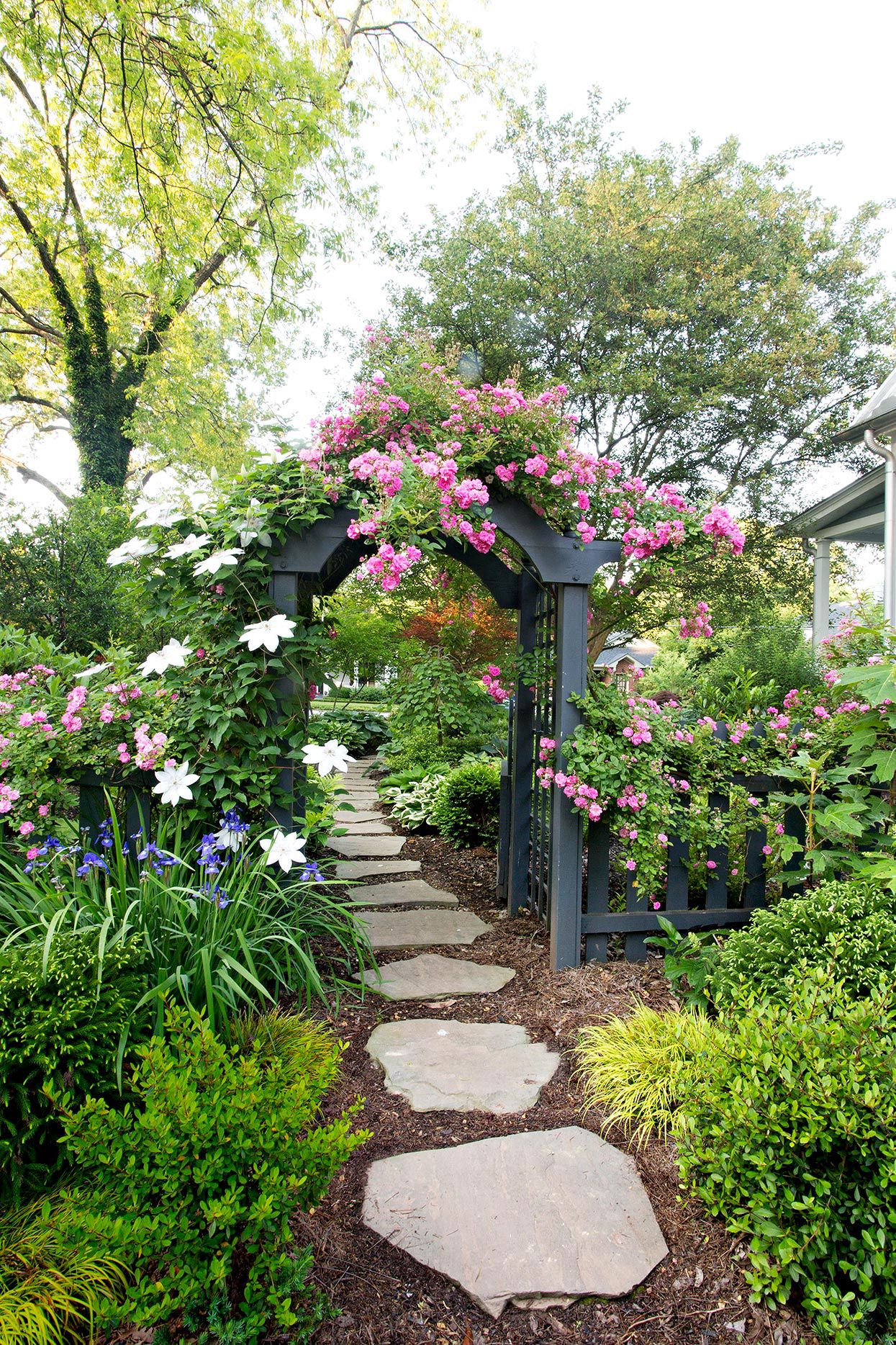
A garden arbor is basically the garden’s way of saying, “Welcome, wandererthis way to the good vibes.” It’s part architecture, part plant-support system, part photo backdrop, and part subtle flex that you have your life together (even if you just watered with a cup because the hose is tangled again).
Whether you want a romantic rose-covered gateway, a veggie tunnel that turns harvesting into a victory lap, or a sleek modern arch that makes your yard feel like an art gallery with birds, these garden arbor ideas will help you build a space that feels a little enchantedwithout requiring a fairy godmother on payroll.
What Makes an Arbor Feel “Magical” (Instead of Just… Wooden)
The best arbors do three things at once: they create a threshold (a sense you’re entering somewhere special), they add vertical interest (so your garden isn’t visually stuck at knee height), and they invite growth (climbers, lights, hanging accents, or even a simple sign that says “Do Not Disturb: Reading & Snacks”).
Magic, in other words, is intentional designplus plants doing plant things.
Before You Buy or Build: Quick Arbor Basics That Save Regrets Later
1) Size and placement: make the stroll feel effortless
If it’s over a walkway, aim for comfortable head clearance and enough width that two people can pass without doing the awkward sideways shuffle. For most paths, an opening around 4 feet wide feels generous; scale up if you’re framing a main entry. Place your arbor where it creates a “moment”: the start of a path, the transition between garden rooms, or the entrance to a seating nook.
2) Materials: choose your vibe (and your maintenance level)
Wood reads warm and classic; cedar and redwood are popular for natural rot resistance. Metal (steel or aluminum) can feel romantic (scrollwork) or modern (clean lines) and often looks great year-round, even when vines are asleep. Vinyl/composite can be a low-maintenance option if you want the look without the yearly “stain day.”
3) Anchoring: because “wind” is a real genre of weather
Arbors catch gusts like sailsespecially once vines fill inso plan for sturdy footings or secure anchors. If you’re unsure, overbuild rather than underbuild (future you will be smug about it).
4) Match the plant to the structure (not the other way around)
Light, twining vines can climb delicate lattice. Heavy woody vines can turn flimsy arches into a dramatic cautionary tale. If you’re dreaming of wisteria, grapes, or other substantial growers, choose a structure that’s built like it means it. Also: some vines need training and tying rather than “climbing” on their own, so factor in a little hands-on guidance.
20 Garden Arbor Ideas for a Magical Outdoor Space
1) Classic lattice arch at the start of a garden path
The timeless choice for a reason: lattice gives you a head start on that “covered in blooms” look, and it’s easy to train vines across. Pair it with a simple brick or gravel path for instant storybook energy.
- Plant pairing: climbing roses + clematis for staggered bloom times.
- Style tip: echo the lattice pattern elsewhere (a small trellis, a gate insert) to make it feel intentional.
2) Gated arbor for secret-garden drama
Add a small gate beneath the arbor and suddenly your side yard becomes a “private garden.” The gate doesn’t even have to lock. It just needs to suggest mysterylike your hydrangeas have confidential meetings.
- Best for: dividing a front garden from a backyard, or separating a veggie area from ornamental beds.
- Extra magic: plant fragrant climbers so the “doorway” smells like a welcome.
3) Arbor with a built-in bench (the “sit and sip” edition)
A bench turns an arbor into a destination, not just a pass-through. It’s also an excellent place to admire your work and pretend you didn’t just Google “why are my leaves crispy.”
- Plant pairing: lighter climbers so the bench doesn’t become a dark cave by midsummer.
- Comfort upgrade: add outdoor cushions and a small paver pad underfoot.
4) Metal scrollwork arbor for year-round charm
Even without foliage, scrollwork metal looks like garden jewelry. It’s a great option if you want a structure that’s decorative in winter and spectacular in summer.
- Plant pairing: roses trained up the sides; add an annual vine for extra summer fullness.
- Design note: let the metal show throughdon’t bury the pretty parts too quickly.
5) Minimalist modern frame (clean lines, big impact)
A simple rectangular or gently arched frame in black metal or stained wood can make your garden feel modern without feeling cold. The plants provide softness; the structure provides structure (shocking, I know).
- Plant pairing: jasmine (in suitable climates) or clematis for elegant coverage.
- Styling: flank with ornamental grasses for movement.
6) Rustic branch-and-twine woodland arbor
Use naturally curved branches (or peeled small logs) to create a woodland-looking arch that blends into cottage and naturalistic gardens. Imperfect is the point here.
- Plant pairing: native honeysuckle alternatives or other region-appropriate climbers.
- Extra touch: weave in thin willow or vine-like twigs for texture.
7) Pergola-meets-arbor: a short “gateway pergola” run
If you want more presence than a single arch but don’t need a full pergola, build a short run: one arbor “doorway,” then two or three crossbeams extending the path. It feels grand, but still manageable.
- Best for: long walkways, transitions to patios, or formal garden layouts.
- Plant pairing: grapes (where appropriate) or climbing roses with spacing.
8) Little gable-roof arbor (instant cottage architecture)
A small peaked roofshingle, slats, or even a simple triangular frameadds that “mini house for plants” vibe. It’s especially charming near a picket fence or a kitchen garden.
- Plant pairing: roses + lavender or catmint at the base for a cottage bouquet feel.
- Proportion tip: keep the roof light-looking so it doesn’t overpower the garden.
9) Moon gate-inspired round arbor
A circular opening feels instantly speciallike stepping into a different scene. You can do a full circle, a partial ring, or a round top with straight sides.
- Plant pairing: clematis or a lighter rose variety for graceful framing.
- Design trick: align it with a focal point (a birdbath, sculpture, or favorite tree).
10) Cattle-panel veggie tunnel (practical magic)
For edible gardens, cattle panels arched into a tunnel create a sturdy, budget-friendly growing structure that looks amazing once it fills in. Walking through hanging cucumbers and beans feels like the kind of luxury you can actually harvest.
- Grow on it: pole beans, cucumbers, small squash varieties, flowering runner beans.
- Tip: plan your path width so you can carry a basket without playing bumper cars with vines.
11) Double arbors along one path (repetition = designer move)
One arbor is charming. Two arbors spaced down a path looks like you hired someone with a measuring tape and opinions. Repetition makes a garden feel planned, not accidental.
- Best for: long side yards or formal-ish layouts.
- Plant pairing: same vine on both for cohesion, or two different vines for a seasonal “chapter” effect.
12) Arbor as a room divider (garden rooms on a budget)
Add trellis sides or side panels, and your arbor becomes a soft wall that divides spaces without blocking light. It’s the garden equivalent of an open-concept floor planonly with more bees.
- Best for: separating a play area from a pollinator bed, or a dining patio from the rest of the yard.
- Style tip: continue the “divider” theme with tall planting on one side and lower planting on the other.
13) Side-yard gateway arbor (make the “utility zone” feel intentional)
Side yards often feel like the place where hoses go to retire. A simple arbor at the entrance instantly upgrades that passage into a purposeful route especially if you add a stepping-stone path and a few containers.
- Plant pairing: fragrant climbers so the walkway feels like a reward, not a chore.
14) Patio-edge arbor with outdoor curtains
Want a little privacy without building a fortress? Place an arbor at the edge of a patio, add weather-friendly curtains or fabric panels, and you’ve created a soft, breezy enclosure that feels like a resort (a very chill resort).
- Plant pairing: keep vines lighter so curtains still move and breathe.
- Lighting: tuck in warm string lights along the top beam for evening glow.
15) Chandelier or lantern arbor (yes, your garden can wear jewelry)
Hang a weather-rated lantern, pendant-style light, or even a simple solar chandelier under the peak. It creates a focal point and turns the arbor into a nighttime landmark.
- Safety note: use outdoor-rated fixtures and hang high enough to avoid head bumps.
- Bonus: add a small seating spot nearby so the light has a purpose, not just an aesthetic résumé.
16) White-painted arbor for instant brightness
White arbors pop against green foliage and photograph beautifully. They also make smaller yards feel lighter and more open. If your garden leans cottage, coastal, or classic American, this is an easy win.
- Plant pairing: pastel climbers and silvery foliage at the base.
- Maintenance tip: choose exterior-grade paint and plan for touch-ups every few years.
17) Japanese-inspired timber arbor (simple, calm, intentional)
Think clean lines, natural wood tones, and a focus on craftsmanship. Pair with gravel, stepping stones, and restrained planting for a serene “pause and breathe” feeling.
- Plant pairing: a well-trained vine or even no vinelet the structure stand on its own.
- Design note: less clutter = more impact.
18) Wisteria-ready arbor (only if you’re serious about strength)
Wisteria can be stunningbut it’s also famously vigorous and heavy when mature. If this is your dream, build the arbor like it’s holding up a small bridge: stout posts, strong joinery, and a plan to prune and train regularly.
- Plant pairing: wisteria alonedon’t stack multiple heavy vines on a single structure.
- Reality check: commit to pruning, or it will audition for the role of “garden monster.”
19) Stone-pier + wood-top arbor (a little old-world, a lot sturdy)
If you want a permanent, upscale look, set wood beams between stone or brick piers. The mix of materials feels architectural and can handle substantial climbers.
- Best for: formal gardens, Mediterranean-inspired spaces, or entryways with masonry nearby.
- Plant pairing: climbing roses, grapes, or other strong growers matched to your climate.
20) Night-sky arbor: lights woven through vines
If your goal is “magical,” lighting is your shortcut. Weave solar fairy lights or low-voltage strand lights through the top lattice. At dusk, your garden becomes a place people lingerwithout you having to bribe them with dessert (though dessert helps).
- Tip: hide the power source and keep cords tidy for a polished look.
- Plant pairing: choose vines that won’t swallow the lights in one month flat.
Real-World Arbor Experiences: Lessons Gardeners Share After the First Season (About )
Once the arbor is up and the plants go in, the “idea phase” ends and the “real garden phase” beginsaka the phase where vines grow in directions that feel emotionally personal. Here are the patterns gardeners commonly notice after living with an arbor through a full season (and what they do about it).
First: almost everyone underestimates how much difference placement makes. An arbor set two feet off the natural walking line tends to be admired… from afar. An arbor placed exactly where you already walk becomes part of daily lifeyour morning coffee route, your quick herb-snipping sprint, your “I’m just going outside for a second” moment that turns into 20 minutes because the light looks nice.
Second: the “right plant” is less about what looks pretty on a label and more about how it climbs. Gardeners who choose a vine without checking its growth habit often end up improvising with ties, extra wire, or that one roll of twine that appears in every shed. Twining vines want a support they can wrap around; climbers like many roses need training and tying to the structure to look their best.
Third: training early saves you later. People who gently guide new growth along the arbor while stems are flexible get a more even, intentional coverage. People who wait for “nature to do its thing” often end up with one thick, dramatic side and one side that looks like it’s taking the season off. The good news: plants are forgiving if you redirect them little by little.
Fourth: strong vines demand strong structures. Gardeners who fall in love with heavy woody vines (the kind that create jaw-dropping flower curtains) often learnsometimes abruptlythat “decorative” and “structural” are two different categories. If a plant is capable of becoming a thick, woody mass, the arbor needs posts and joinery that can handle that load over years, not weeks.
Fifth: airflow matters more than expected. When an arbor is jammed against a wall or fence with no breathing room, gardeners report more mildew, more leaf spot, and generally more “why does this look tired?” moments. A little space and thoughtful pruning can keep the whole structure healthier and more pleasant to walk through.
Sixth: lighting is the fastest “wow” upgrade. Even gardeners who swear they’re “not decorative” find themselves smiling when they flip on soft lights at dusk and the arbor turns into a glowing landmark. It changes how the yard gets usedsuddenly evenings feel like a destination, not an afterthought.
Finally: the best arbors become rituals. People hang a seasonal wreath, swap planters at the base, prune with intention, and watch the structure mature into the garden’s signature. After one season, the arbor often stops being a “project” and becomes part of the garden’s identity which is a pretty magical outcome for a few posts and a bit of patience.
Conclusion: Build the Threshold, Then Let the Garden Do the Rest
The most memorable garden arbor ideas aren’t just about the shape of the archthey’re about what that arch creates: a sense of arrival, a moment of beauty, a place to pause, and a structure that turns vertical growth into living design. Choose a style that fits your home, match your vines to the arbor’s strength, add a little lighting, and you’ll have the kind of outdoor space that feels magical on an ordinary Tuesday.