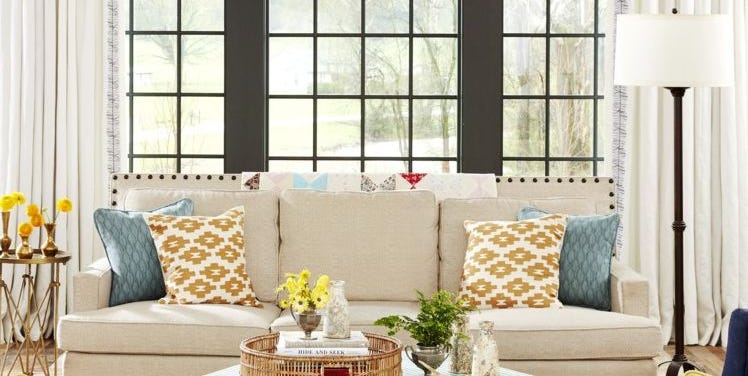
A good sunroom is like the extrovert of your house – always bright, always ready to host, and just a little bit dramatic about natural light. Whether you call it a sunroom, a solarium, a four-season room, or “the place where all my plants go to thrive,” this space deserves more than a random chair and a forgotten side table. With a few smart decorating ideas, your sunroom can become the coziest, most hard-working room in your home.
Below you’ll find 26 sunroom decorating ideas pulled from real design trends, stylist tips, and tried-and-true layouts. We’ll cover everything from small sunroom ideas and budget-friendly updates to four-season sunroom designs that work from January snowstorms to July heat waves. Grab your coffee (or iced tea) and let’s turn all that sunlight into serious style.
How to Use These Sunroom Decorating Ideas
Think of this list as a menu, not a strict recipe. You don’t need to use all 26 ideas. Instead:
- Pick a “main role” for your sunroom (reading nook, dining space, plant jungle, hangout room).
- Choose 4–6 decorating ideas that support that role.
- Layer in textures, lighting, and color slowly so the room still feels airy and uncluttered.
26 Sunroom Decorating Ideas for Every Style
1. Turn Your Sunroom into a Second Living Room
Treat your sunroom like a bonus living room instead of an afterthought. Start with a comfy sofa or sectional, add a pair of accent chairs, and anchor the space with an indoor–outdoor rug. Choose low-profile furniture so you don’t block the windows. A nesting coffee table or upholstered ottomans with storage make it easy to stash blankets, board games, and magazines while keeping the look clean and bright.
2. Layer Natural Textures: Rattan, Wicker, and Wood
Sunrooms and natural textures are a match made in design heaven. Rattan chairs, wicker coffee tables, seagrass baskets, and jute rugs instantly give the room a breezy, indoor–outdoor vibe. These materials handle fluctuating temperatures better than heavy upholstery and visually connect your sunroom to any nearby porch, deck, or garden.
3. Create a Greenhouse-Inspired Plant Haven
If your plant collection has officially outgrown the kitchen windowsill, promote your sunroom to “plant sanctuary.” Mix tall floor plants (like fiddle-leaf figs, palms, or rubber trees) with trailing varieties in hanging planters and smaller succulents on side tables. A tiered plant stand in one corner adds height and turns a blank spot into a mini indoor jungle. Just remember: add a small tray or mat under pots to protect your floors from overwatering.
4. Design a Cozy Reading Nook
A small sunroom makes the perfect reading corner. All you really need is a deep, comfy chair, a plush throw, a small side table for your mug, and a floor lamp or wall sconce for evenings. Add a soft rug underfoot and one accent pillow that makes you unreasonably happy every time you see it. If space allows, line one wall with a low bookcase and let your favorite titles double as décor.
5. Use Sheer Curtains to Soften the Light
Sunrooms can veer from “spa-like glow” to “interrogation lamp” pretty quickly. Sheer, floor-to-ceiling curtains filter harsh light, reduce glare on screens and books, and add softness to all those hard window lines. Opt for light fabrics in white, ivory, or soft beige for a bright, airy look. For extra flexibility, layer sheers with simple roller shades or woven blinds to help control heat and protect fabrics from fading.
6. Bounce Light Around with Mirrors
Want your sunroom to feel even bigger and brighter? Add mirrors. Hang one large mirror opposite a bank of windows or create a gallery of smaller mirrors on a solid wall. The reflections amplify natural light and visually expand the room, especially in narrow or long sunrooms. Choose frames that echo your style: rustic wood for farmhouse or cottage, sleek black metal for modern or industrial.
7. Add an Indoor–Outdoor Rug for Definition
Because sunrooms live somewhere between inside and outside, they’re the ideal place for indoor–outdoor rugs. These rugs can handle muddy paws, wet shoes, and plant mishaps, all while adding pattern and color. Use one large rug to unify a seating group, or layer a smaller patterned rug on top of a larger neutral base for extra texture.
8. Embrace a Four-Season Sunroom Layout
If your sunroom is insulated and climate-controlled, plan it as a true four-season room. Include layered lighting (ceiling fixture, floor lamps, and table lamps), cozy textiles, and at least one spot where you can comfortably work on a laptop. A ceiling fan with a light kit helps keep the room usable on hot days, while a slim electric fireplace or baseboard heater makes winter mornings surprisingly inviting.
9. Bring in a Dining Table with a View
A sunroom dining area feels like eating on a porch minus the bugs. Choose a smaller, round table to keep traffic flowing and pair it with lightweight chairs or built-in bench seating. Add a simple runner, a cluster of candles, or a vase of fresh greenery as a centerpiece. This setup also doubles as a spot for homework, puzzles, or weekend brunch.
10. Play with Color: Soft Neutrals or Bold Pops
Because there’s so much glass, you don’t have as many walls to paint in a sunroom, which makes color decisions easier. For a calm, spa-like vibe, keep the envelope neutral: white walls, sand-colored rugs, and soft gray or oatmeal upholstery. If you’re craving energy, introduce bold color through throw pillows, artwork, a painted side table, or even a statement ceiling in pale blue or soft green that nods to traditional porch ceilings.
11. Mix Old and New for a Collected Look
Sunrooms look great with a collected, slightly mismatched personality. Combine a vintage rattan rocker with a modern coffee table, or pair an antique cabinet with new slipcovered chairs. Use thrifted baskets to corral blankets and magazines. This mix keeps the room from feeling too “showroom perfect” and makes it comfortable for everyday living.
12. Choose Durable, Fade-Resistant Fabrics
All that glorious sunlight is tough on fabrics. To keep upholstery and pillows from fading, look for performance fabrics or outdoor-rated materials on frequently used pieces. Washable slipcovers are another smart option; they simplify maintenance if you have kids, pets, or a talent for spilling coffee the second you sit down.
13. Incorporate a Work-From-Home Corner
If you rarely use a dedicated office, tuck a small work zone into the sunroom. A narrow desk or writing table, a supportive chair, and a task lamp are often enough. Place the desk so you can glance up at the view without turning fully away from your screen. Add a lidded basket or cabinet to hide cords, chargers, and office supplies when the workday ends.
14. Use Skylights or Clerestory Windows Where Possible
Planning a new sunroom or renovating an old one? Consider adding a skylight or clerestory windows to pull light deeper into the space. Overhead natural light keeps the room bright even when side windows look onto a fence or neighboring home. Just be sure to include shades or glazing options that reduce heat gain if you live in a hot climate.
15. Style a Coffee Station or Mini Bar
Make your sunroom the most popular spot in the house by setting up a small beverage station. A slim console table or bar cart can hold a tray with mugs, a carafe of water, an electric kettle, or your favorite coffee maker nearby. For evening entertaining, swap in pretty glassware, a few bottles, and a small ice bucket.
16. Add a Daybed or Chaise for Afternoon Naps
If you’ve ever fallen asleep accidentally in a sunroom, you know how good a nap can feel with soft light and fresh air. Lean into that by adding a daybed, chaise lounge, or twin-sized bench with thick cushions. Dress it up with layered pillows and a chunky knit throw. It’s also an easy way to add overflow sleeping space for guests.
17. Bring in a Statement Light Fixture
Just because your sunroom gets plenty of sunlight doesn’t mean you can ignore overhead lighting. A woven pendant, modern chandelier, or lantern-style fixture draws the eye up and visually centers the room. In the evenings, it sets the mood while table and floor lamps round out the lighting plan.
18. Try a Coastal-Inspired Sunroom
You don’t need an ocean view to embrace coastal style. Think white or pale walls, woven textures, soft blues and greens, striped textiles, and art that references water or botanicals rather than overly literal beach signs. Add a bowl of shells or driftwood if you love them, but focus on fresh, breezy simplicity instead of theme-park décor.
19. Warm Things Up with a Fireplace or Stove
In cooler climates, adding a small electric, gas, or wood-burning stove can turn a sunroom into a true year-round retreat. Position seating around the fireplace to create a cozy conversation area. A stone or shiplap fireplace surround adds texture and anchors the room so it doesn’t feel like “just windows.”
20. Blend Your Sunroom with the Adjacent Space
If your sunroom opens onto the living room, kitchen, or dining room, repeat key colors and materials so everything flows. Use the same flooring or a close match when possible. Echo accent colors from the main space in pillows, throws, and artwork. This visual continuity helps the sunroom feel like an intentional extension of your home rather than an add-on.
21. Go Minimal for a Calm, Gallery-Like Feel
Not every sunroom has to be packed with furniture and plants. A minimalist approach with a simple sofa, one or two chairs, and a single large piece of art or sculpture can feel incredibly serene. Keep the palette restrained and let the architecture and view do the talking. This style works especially well in modern homes with strong lines.
22. Lean into Cottage Charm
For a cottage-style sunroom, think painted wood furniture, slipcovered chairs, floral or gingham textiles, and plenty of vintage accessories. Layer in woven baskets, a painted sideboard, and a simple braided rug. Add fresh flowers or a vase of branches from the yard to keep the room feeling alive and not overly “decorated.”
23. Design a Kid- and Pet-Friendly Zone
If your sunroom doubles as a family hangout, decorate with durability in mind. Choose washable rugs, performance fabrics, and furniture with rounded corners. Low storage cubes or baskets make it easy for kids to put away toys. Create a pet perch by placing a bed or cushion near a window so your dog or cat can nap in the sunshine without stealing your spot.
24. Treat the Sunroom as an Indoor Garden Room
Turn your sunroom into a garden room by combining seating with potting and display space. A narrow console can hold potted herbs, while wall-mounted shelves show off smaller plants, vases, and gardening books. Use a sturdy tray table as a mini potting bench for repotting plants without making a mess of the entire room.
25. Add Personality with Art and Collections
With all the glass, the wall space you do have in a sunroom really matters. Use it for pieces that make you smile. Hang a large-scale painting, a grid of botanical prints, or a gallery wall of family photos in simple frames. You can also display collectionsvintage cameras, ceramics, basketsin a glass-front cabinet to keep dust at bay while adding character.
26. Finish with Thoughtful Layers: Pillows, Throws, and Accessories
Once the big pieces are in place, the magic happens in the layers. Toss a couple of throw blankets over chair backs, add textural pillows in varying sizes, and place a tray on the coffee table to corral remotes and candles. A few well-chosen accessories are all you need; avoid overcrowding surfaces so the room still feels spacious and restful.
Real-Life Sunroom Decorating Experiences and Lessons Learned
Decorating a sunroom in real life rarely looks like a one-and-done magazine makeover. It’s usually a series of small experiments, minor regrets (“why did I think a black leather sofa was a good idea in a glass box?”), and happy accidents. Here are some lived-in lessons and experiences that can help you skip the frustrating parts and get to the good stuff faster.
One of the first surprises many homeowners discover is just how intense the sun can be. Fabrics that looked perfect in the showroom can bleach out in a single season if you don’t plan for light control. People often start with no window treatments to maximize the view, then realize their favorite chair is basically a solar panel. The fix is simple: add layered window treatmentssheers for everyday softness, plus woven shades or roller blinds that can be dropped during the brightest hours. This small change can dramatically improve comfort and protect your décor investment.
Another common experience: underestimating temperature swings. A sunroom can feel downright tropical on a sunny winter day and then oddly chilly once the sun dips. Homeowners who get the most use out of their sunrooms tend to add multiple layers of climate controla ceiling fan, a portable heater, maybe a heated throw blanket parked near the seating area. None of these are huge investments, but together they stretch the “comfortable” season from a few months to nearly all year.
Layout is often a trial-and-error process, too. Many people instinctively push all the furniture against the walls to “keep the view open,” then realize the room feels awkward and disconnected. The turning point usually comes when they pull the seating inward, float a sofa or pair of chairs, and center everything on a rug and coffee table. Suddenly, the space feels intentionala real room with a purpose instead of a hallway with windows.
Budget is another reality check. It’s tempting to splurge on every piece for a room that’s this visible and special, but most successful sunrooms evolve over time. A typical pattern: start with basics (a comfortable sofa, a rug, one good chair), then layer in accent tables, extra seating, plants, and art as you live with the space. People are often surprised by how much difference inexpensive itemsnew pillow covers, a woven basket, a thrifted side tablemake when the bones of the room are solid.
Many homeowners also report that their sunroom gradually becomes a “multi-tool” space. What starts as a reading nook morphs into a coffee spot, then a homework zone, then an unofficial home office. The most satisfying sunrooms are the ones that embrace this flexibility. Lightweight furniture that’s easy to move, extra folding chairs tucked in a closet, and storage ottomans that hide clutter all make it simple to adapt the room for guests, quiet time, or family movie nights.
Finally, a big lesson from real-life sunroom use: don’t be too precious about the space. The rooms people love most are the ones they actually live in, not just walk through and admire. That might mean allowing a few dog toys in the corner, keeping a stack of well-loved paperbacks on the table, or accepting that the kids will turn the rug into a Lego zone sometimes. When you decorate with comfort in mindchoosing washable fabrics, durable finishes, and furniture you’re not afraid to sit on with wet hair from the poolthe sunroom becomes what it was always meant to be: the easiest, happiest room in the house.
Conclusion: Let the Light Lead the Design
The best sunroom designs start with one simple question: how do you want this light-filled space to work for your life? Whether you lean into a plant-filled retreat, a family-friendly hangout, a serene reading room, or a chic four-season lounge, the ideas above give you a toolkit of layouts, textures, and details to play with. Start with function, layer in comfort and personality, and don’t be afraid to edit as you go. When your sunroom feels like the place you naturally drift toward every morning and evening, you’ll know you got it right.