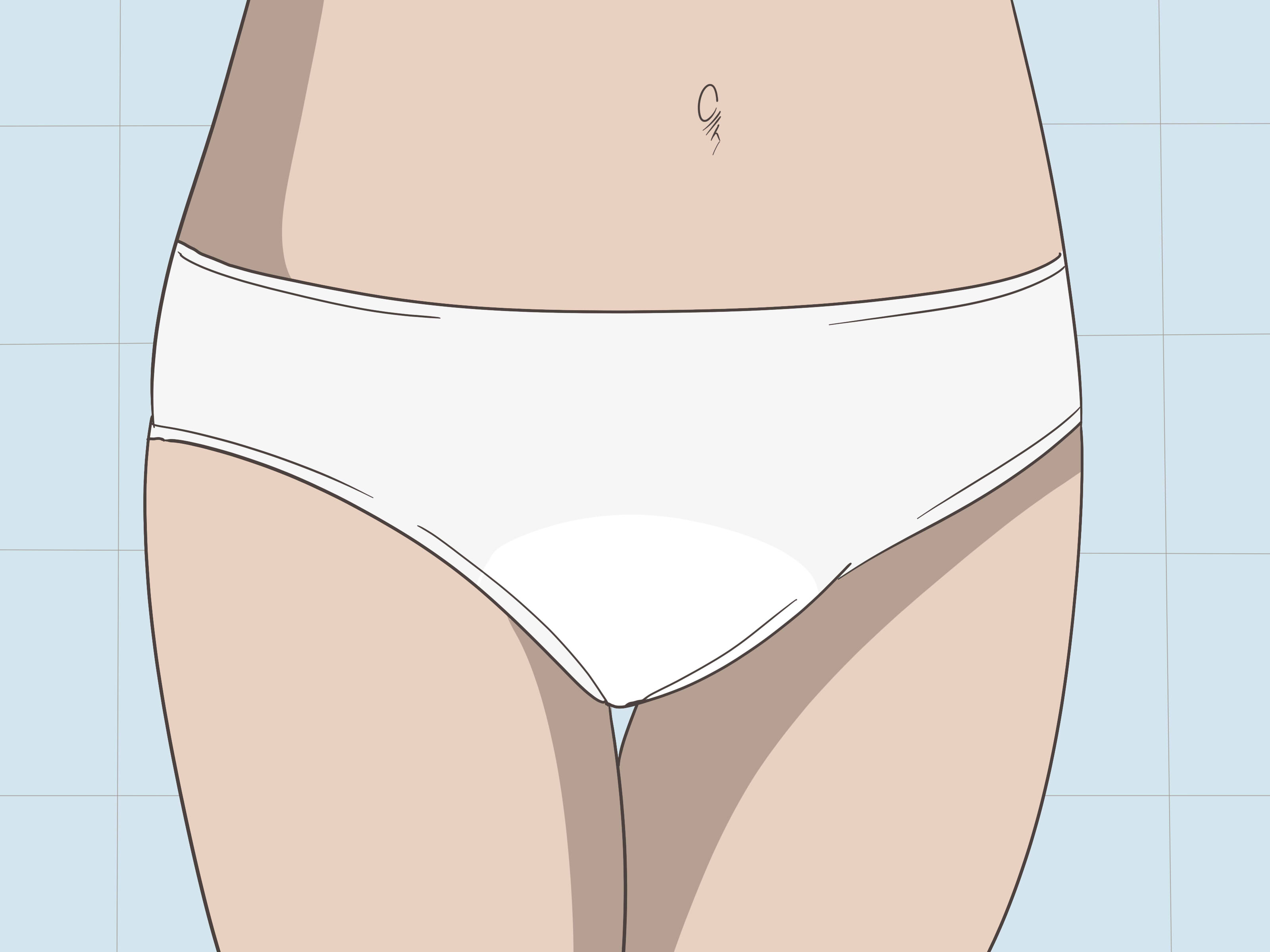
Period leaks are rude. They show up uninvited, ignore your outfit plans, and have a special talent for appearing five minutes before you’re about to leave the house.
The good news: preventing leaks usually isn’t about “trying harder.” It’s about using the right setup for your flow, getting the fit right, and building a tiny routine that does the heavy lifting.
Below are three simple, realistic ways to stop period leakageat school, at work, during workouts, and (yes) in the middle of the night when gravity is doing the most.
We’ll also cover what leaks can sometimes signal (like a flow that’s heavier than “normal”) and what to do if you’re changing products constantly.
Why Period Leaks Happen (So You Can Outsmart Them)
Leaks usually come from one (or a combo) of these:
- The product fills up faster than expected (hello, heavy-flow surprise).
- The product isn’t positioned or sealed well (pads shift, cups don’t fully open, tampons aren’t placed comfortably).
- Your movement + gravity (sleeping, sports, long car rides, or simply standing up after sitting all day).
- You needed a “backup plan” (liners, period underwear, or a second layer for high-risk moments).
The fix is less about buying one magical product and more about making your protection match your day.
1) Match Your Product (and Change Timing) to Your Flow
This is the “right tool, right time” strategy. Most leaks happen when your protection is either too small for your flow or left in too long.
Your period changes day-to-day, so your plan should too.
Pick absorbency like you’re packing for weather
Think of your flow like a forecast:
- Light days: panty liners, light pads, light tampons, or light-absorbency period underwear.
- Medium days: regular pads/tampons, or a cup/disc emptied on a regular schedule.
- Heavy days: super/overnight pads, higher-absorbency tampons (if you use them), a cup/disc + planned empty times, and/or a backup layer.
If you use tampons: always choose the lowest absorbency that handles your flow, and change them regularly.
A tampon that’s too absorbent for a light day can be uncomfortable and may lead to leaving it in longer than you should.
Use a “change schedule” instead of waiting for disaster
Leaks love procrastination. A simple schedule helps:
- Pads: change before they feel wet, uncomfortable, or full. Many people land around the 4–8 hour range on typical days, and more often on heavy days.
- Tampons: plan to change every 4–8 hours, and never wear one longer than 8 hours.
- Cups/discs: empty before they’re maxed outespecially on heavy days. Early on, set reminders until you learn your rhythm.
Example: If your first two days are heavy, you might plan a mid-morning change, a mid-afternoon change, and a before-bed changeplus a backup layer for commuting or classes.
On lighter days, you can scale back.
Build in “leak insurance” for high-risk moments
A backup layer is one of the simplest leak-prevention moves, especially if you can’t change products quickly (exams, long meetings, road trips).
Try one of these combos:
- Tampon + panty liner (classic and low-bulk).
- Cup/disc + period underwear (great for long days once you’ve mastered fit).
- Overnight pad + snug underwear (helps keep the pad from shifting while you sleep).
A quick safety note: “doubling up” is fine when it means a backup layer outside your body (like a liner or period underwear).
Avoid inserting more than one tampon at a time.
2) Get the Fit Right: Placement (Pads) and Seal (Cups/Discs)
Even the best product can leak if it isn’t sitting where it needs to sit.
Think of this step as “installation.” (Yes, your period has hardware.)
For pads: stop the slip-and-slide
Most pad leaks come from shiftingespecially at night or on busy days when you’re moving a lot.
Try these quick upgrades:
- Choose wings if shifting is your enemy. Wings help anchor the pad to your underwear.
- Use the right length for your body and sleep style. Overnight pads are usually longer and designed for staying put.
- Press firmly when placing (especially around the center) so the adhesive sticks well.
- Wear supportive underwear (not too loose). If your underwear shifts, your pad shifts.
Example: If you leak at the back while sleeping, try an overnight pad with extra back coverage and place it slightly farther back than you think you need.
If you leak at the sides, wings + a pad that fits the width of your underwear can make a huge difference.
For tampons: comfort is a leak signal
A tampon that feels “noticeable” can mean it’s not inserted comfortably or deeply enough.
Leaks may happen if it’s not positioned well for your anatomy.
If you use tampons and leaks are common:
- Try a different absorbency (too light can saturate quickly; too heavy can lead to longer wear than recommended).
- Change before heavy moments (sports practice, long transit).
- Consider a liner as a backup on heavy days.
For menstrual cups: check the “open and sealed” step
Cups can be very leak-resistant once you find the right size and techniquebut there’s often a learning curve.
Leaks commonly happen when the cup doesn’t fully open or form a seal.
Helpful checks:
- After insertion, gently rotate or wiggle the cup to help it open.
- Run a clean finger around the base (if comfortable) to feel for dents or a folded rim.
- Track “mystery leaks”: if leaking happens only on heavy days, you may simply need to empty sooner.
- If leaks keep happening, size/firmness might be the issuedifferent bodies prefer different shapes.
Example: If you insert a cup and then immediately get small leaks, it’s often a “not fully opened” situation.
If you leak only after several hours, it may be “time to empty” (especially on heavy days).
For menstrual discs: placement matters (and it’s a different skill)
Discs sit differently than cups and don’t rely on suction the same way.
Leaks often happen when the disc isn’t tucked securely behind the pubic bone.
If you’re trying a disc:
- Aim insertion back toward your tailbone rather than “up.”
- Make sure the rim is tucked into place so it stays stable.
- Empty sooner on heavy days until you learn your personal schedule.
3) Build a Leak-Proof Routine for Daytime and Nighttime
Leaks are less likely when you plan for the moments you can’t controllike sleep, long meetings, or being stuck in traffic with no bathroom in sight.
A simple routine beats anxiety every time.
Create a “two-minute pre-leave checklist”
- Fresh change: swap your product right before you leave (especially on heavy days).
- Backup layer: liner or period underwear if you’re unsure about timing.
- Emergency kit: 1–2 spare products, wipes or tissue, and an extra pair of underwear in a small pouch.
Example: If you have gym class after lunch and your flow is heavy, do a quick change before class and use a liner backup.
It’s not dramaticit’s strategy.
Nighttime: use “sleep-specific” protection
Night leaks are common because you’re lying down, shifting positions, and not changing products for hours.
To reduce overnight leaks:
- Change right before bed (pads or tampons) so you start fresh.
- Choose overnight pads (longer coverage) or period sleep shorts/underwear designed for extended wear.
- If you use tampons, do not exceed 8 hours. If you sleep longer than that, consider pads, cups, discs, or period underwear instead.
- Snug underwear helps keep a pad from drifting during the night.
Some people also find that sleeping on their side can reduce “back leak” patterns, but comfort matters most.
Your best plan is the one you’ll actually stick with at 2 a.m.
Know when leaks are actually a “check-in” signal
Sometimes leaks aren’t about techniquethey’re about volume.
Consider talking to a healthcare professional if you notice signs of heavy menstrual bleeding, such as:
- Soaking through a pad or tampon very quickly (like needing changes every 1–2 hours).
- Bleeding that lasts longer than a week.
- Large clots, dizziness, or fatigue that feels out of proportion.
- Bleeding that disrupts school, sports, sleep, or everyday life.
This doesn’t mean something is definitely wrongmany causes are treatable.
It just means you deserve support, not constant leak panic.
Quick Troubleshooting: “If This Happens, Try That”
- Leak within an hour: you may need a higher absorbency or an earlier change on heavy days.
- Leaks only at night: switch to an overnight pad, add period underwear, or try more back coverage.
- Pad shifts: wings + snugger underwear + better placement (centered and pressed down).
- Cup leaks immediately: likely not fully openedrotate/wiggle, check rim, or try a different fold.
- Cup leaks after several hours: empty sooner, especially on heavy days.
- Random leaks around day 1–2: those are often the heaviest daysplan changes and backups accordingly.
of Real-Life Experiences: What People Learn After a Few “Oops” Moments
Most people don’t become leak-proof because they found a single perfect productthey become leak-proof because they learned patterns.
One of the most common “aha” moments is realizing that your period isn’t one consistent flow.
Day 1 might be light and sneaky, Day 2 might be a waterfall, and Day 4 might be light again but unpredictable.
Once you accept that, it gets easier to build a flexible plan instead of forcing one product to do everything.
Another big lesson: leaks often happen during transitions, not during the calm middle of your day.
Think about itstanding up after sitting for a long time, sprinting to catch the bus, finishing a workout, or rolling over in bed.
That’s why “fresh change before the big moment” works so well.
People who rarely leak tend to change right before school, right before practice, and right before bed.
It feels almost too simple, but it’s basically the menstrual version of charging your phone before leaving the house.
There’s also the “underwear truth” that nobody tells you early enough: if your underwear is loose, stretched out, or slippery, your protection is more likely to move.
A lot of experienced leak-avoiders keep a couple pairs of snug, comfortable underwear reserved for period daysnothing fancy, just reliable.
It’s not about looking a certain way; it’s about keeping your pad anchored or your backup layer in place.
For cup users, the learning curve is realbut so is the payoff once technique clicks.
Many people describe the first few cycles as “practice mode,” where you learn what a fully opened cup feels like, how long you can go on heavy days, and what your personal leak warning signs are.
A common experience is thinking a cup “doesn’t work,” only to discover the cup was finethe seal wasn’t.
Once they started doing a quick rotate or checking the rim after insertion, leaks dropped dramatically.
Finally, there’s the confidence boost of having a tiny emergency kit.
People who feel calm on their period often aren’t magically luckythey’re prepared.
A spare pad or tampon, a liner, and an extra pair of underwear in a small pouch can turn a stressful day into a normal one.
And the funny part? When you’re prepared, you usually don’t need it.
The goal isn’t perfection; it’s peace of mind.
Your period can be part of your life without becoming the main character.
Conclusion
Preventing leaks comes down to three simple moves: match protection to your flow, get the fit right, and build a routine for the moments you can’t control.
When you do that, leaks go from “random chaos” to “rare, manageable, and usually preventable.”
And if you’re dealing with very heavy bleeding, frequent soaking, or symptoms that disrupt your life, you don’t have to tough it outgetting medical advice can make a huge difference.