Your dog just did something heroic: she brought a whole tiny soccer team into the world while lying in a box you lovingly prepared like a five-star maternity suite… that immediately became a crime scene.
Totally normal.
The goal after whelping isn’t to make Mom smell like a lavender candle. It’s to keep her comfortable, reduce bacteria and irritation, and protect the puppies from getting chilled or exposed to harsh products.
The good news: you can do a lot with warm water, clean towels, and a “less is more” mindset.
Below are three practical, vet-aligned ways to clean a mother dog after birthranging from “I’m not leaving the whelping box for anything” to “okay, we need a quick bath, and everybody stays warm.”
Before You Clean Anything: Know What’s Normal (and What’s Not)
Normal postpartum mess is… normal
After giving birth, many mother dogs have vaginal discharge called lochia. It can look greenish at first, then shift to reddish-brown and gradually taper off.
This is part of uterine cleanup, not an automatic emergency.
Red flags that need a vet call (not a better washcloth)
- Foul or rotten odor from discharge
- Discharge that increases instead of slowly decreasing over time
- Fever, shaking, severe lethargy, collapse, or refusing food/water
- Hard, hot, painful mammary glands, discolored milk, or puppies suddenly refusing to nurse
- Mom ignoring puppies or acting confused/aggressive in a new way
If you see any of the above, get your veterinarian involved promptly. Cleaning is helpfulmedical care is sometimes the actual fix.
The Big Rule: Keep Mom Calm and Puppies Warm
Newborn puppies can’t regulate their body temperature well, and Mom may be reluctant to leave them. That means any cleaning plan has two priorities:
- Minimize stress and separation time.
- Avoid chilling puppies (and Mom’s wet coat).
With that in mind, here are the three best approaches.
Way #1: The Warm-Water Wipe-Down (Best for the First Hours)
Think of this as “post-birth spot detailing,” not a full makeover. It’s the safest, simplest option right after deliveryespecially when Mom is exhausted and the puppies are still figuring out how legs work.
What you’ll need
- 2–4 clean, soft towels
- Warm water in a bowl (comfortably warm, not hot)
- Soft washcloths or cotton pads
- Optional: disposable gloves (because… yeah)
How to do it (5–10 minutes)
- Stabilize the room temperature. Close doors/windows and reduce drafts. If you use supplemental heat, keep it gentle and safe.
- Start with the least invasive areas. Wipe the hind legs, tail area, and underside with a warm, wrung-out cloth.
- Use fresh cloth sections as you go. Don’t “spread the souvenir,” as we say in the glamorous world of postpartum care.
- Avoid soaps, disinfectants, and fragrances. Newborn puppies will be nursing and snuggling against her skin.
- Dry thoroughly. Pat (don’t rub) so you don’t irritate skin. Make sure fur around the belly and vulva is not staying damp.
Where to focus
- Vulva and tail area (gentle wiping only)
- Inner thighs (often get discharge/fluid on them)
- Belly around nipples (keep the “milk bar” clean)
Pro tips that save your sanity
- Swap bedding first. If she’s lying in soiled bedding, you’ll clean her… and she’ll immediately re-soil herself. Replace wet bedding with clean, dry layers.
- Let Mom lead. If she’s restless or guarding puppies, pause. A calmer wipe-down later beats a wrestling match now.
Way #2: The “Sanitary Trim + Spot Clean” Combo (Best for Ongoing Hygiene)
This is the best middle-ground approach for the first several days: it keeps Mom reasonably clean without the stress and chill risk of a full bath.
It’s especially useful for long-haired dogs or heavy shedders who collect “postpartum confetti” like it’s their job.
What you’ll need
- Pet-safe grooming scissors (blunt tip) or clippers
- Comb
- Warm water + clean cloths
- Optional: fragrance-free, pet-safe grooming wipes (no alcohol)
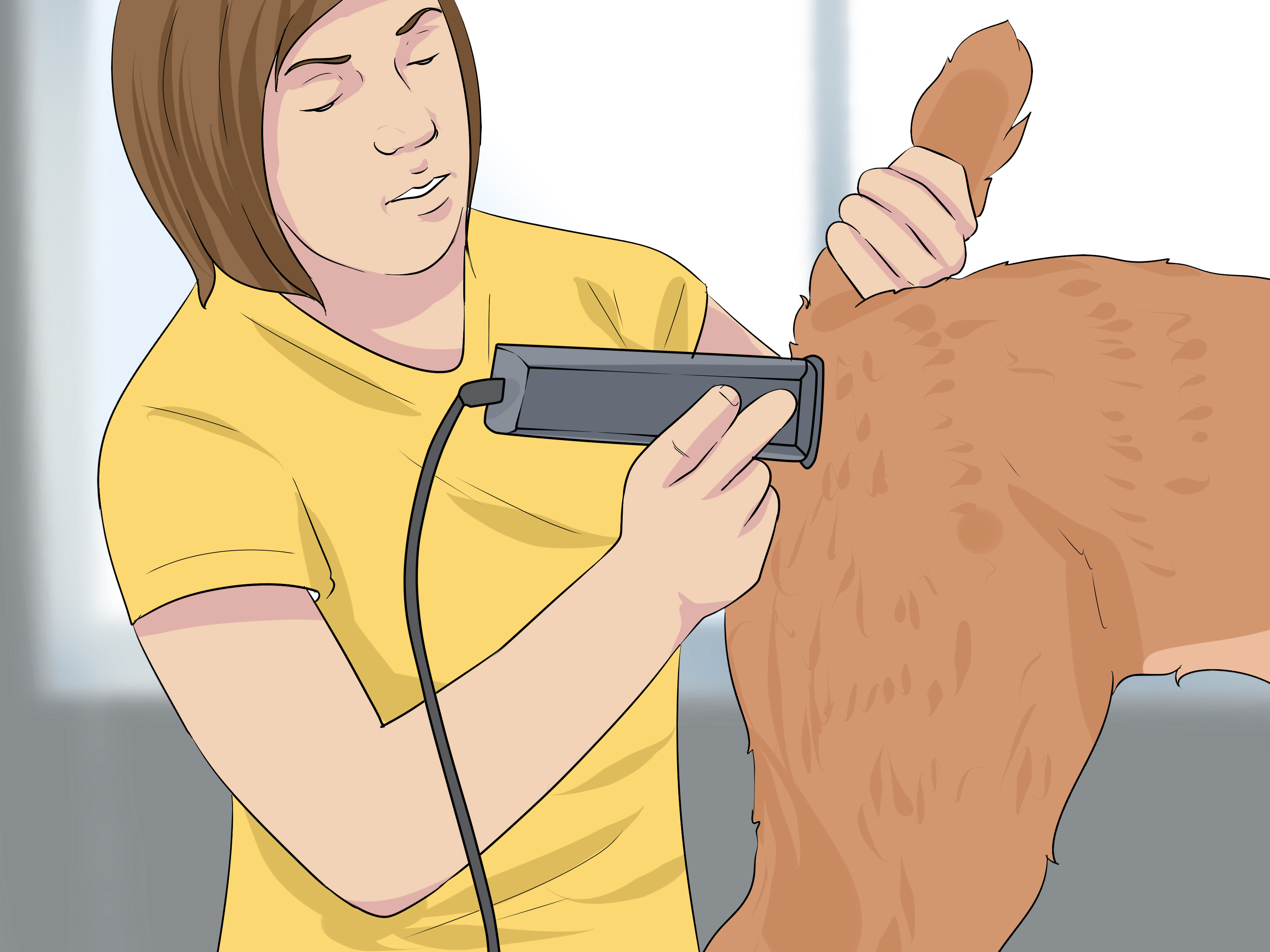
Step 1: Do a tiny sanitary trim (if coat length makes cleaning hard)
Trim just enough fur around the tail, vulva, and inner thighs to prevent discharge and fluids from matting into the coat.
Keep it conservativethis isn’t a fashion moment; it’s a hygiene assist.
- Go slow. One minute at a time is fine.
- Keep puppies close. If Mom panics when separated, don’t separate.
- If you’re not confident, outsource. A vet tech or groomer experienced with postpartum dogs can help (and keep everyone safer).
Step 2: Spot clean daily in “high-traffic zones”
Focus on areas that get the most contact with puppies and discharge:
- Underbelly and nipples (wipe gently; avoid scrubbing skin)
- Inner thighs
- Tail and vulva area
Step 3: Keep nipples cleanbut don’t overdo it
Nursing can leave milk residue, saliva, and bedding fuzz. A warm, damp cloth can help.
The key is gentle: nipples can get tender, and harsh rubbing can irritate skin or make Mom avoid nursing.
Extra credit: Upgrade the whelping area so Mom stays cleaner
You can reduce how much cleaning Mom needs by improving the environment:
- Layer bedding: a washable blanket over puppy pads makes quick swaps easier.
- Change wet spots quickly: small, frequent changes beat one huge “biohazard cleanup.”
- Keep a “cleanup kit” nearby: towels, pads, wipes, gloves, trash bag.
Way #3: The Quick, Gentle Bath (Best When She’s Truly Dirty)
Sometimes Mom is genuinely filthycaked fluids, sticky coat, odor that’s more “barn” than “new life.”
A bath can be appropriate once she’s stable and calm enough to tolerate it.
The trick is doing it in a way that doesn’t:
(a) chill puppies,
(b) stress Mom into refusing to return to the litter,
or (c) leave shampoo residue where puppies will nurse.
When a bath can make sense
- Her coat has dried fluids that can’t be wiped out
- She smells strongly despite spot cleaning
- She’s getting skin irritation from staying dirty
- Your veterinarian says it’s okay (especially important after a C-section)
When to avoid a bath (for now)
- Mom is shaky, weak, or highly anxious
- Puppies are struggling to nurse or stay warm
- Mom had a C-section and the incision needs to stay dry unless your vet instructs otherwise
- You can’t keep the room warm and drying time quick
How to do a low-stress postpartum bath
- Warm the room first. A chilly bathroom is the enemy of postpartum peace.
- Keep it short. Aim for 5–10 minutes total. This is not a spa day; this is a pit stop.
- Use a mild, fragrance-free dog shampoo. Avoid strong scents and harsh products. Puppies will be in contact with her skin.
- Focus on the dirty zones. You can do a partial bath: rear end, legs, underside. Full-body isn’t always necessary.
- Rinse like your life depends on it. Soap residue + nursing puppies = nobody’s favorite combo.
- Dry thoroughly and fast. Towel dry well. If you use a dryer, keep it low heat and low stress (and never blast puppies with warm air).
- Return her to puppies immediately. Make sure the whelping area is ready: clean bedding, warm space, water available.
“But what about dry shampoo?”
Some pet-safe waterless foams can help in a pinch, but be picky: avoid heavy fragrance and anything that leaves a residue puppies might lick.
If you use a waterless option, apply sparingly and towel off thoroughly.
What NOT to Use on a Postpartum Mother Dog
- Disinfectants or harsh cleaners on her skin (unless your vet specifically directs you)
- Human baby wipes with alcohol or fragrance (skin irritation + puppy exposure risk)
- Essential oils (many are irritating or unsafe for pets, and puppies are extra vulnerable)
- Flea/tick shampoos unless your vet approvespostpartum + nursing is a special situation
- Powders near nipples (inhalation risk for tiny puppies)
Mini FAQ: Real Questions People Ask at 2:00 AM
How often should I clean her?
Do small wipe-downs as neededusually once or twice a day in the first days, then less as discharge decreases and Mom starts grooming normally again.
If she stays clean and comfortable, don’t create work for yourself.
Should I clean inside her vulva?
No. Stick to gentle external wiping only. Internal cleaning can irritate tissue and introduce bacteria.
If you’re worried about discharge, odor, or swelling, call your veterinarian.
Is discharge always bad?
Not always. Lochia is commonly seen postpartum. What matters is the trend: it should gradually lessen and should not become foul-smelling or suddenly heavier.
Can I separate Mom from the puppies to clean her?
If you must, keep it brief and keep puppies warm. Many moms do best if they can see/hear their litter nearby.
Some owners bring the whelping box close to the bathroom door so Mom stays calmer.
Conclusion: Clean Enough Beats Perfect
The best postpartum cleaning plan is the one that keeps Mom comfortable, protects the puppies, and doesn’t turn your home into an episode of “Extreme Dog Bathing.”
Start with a warm-water wipe-down, use sanitary trimming and spot cleaning to stay ahead of mess, and save the full bath for when it’s truly neededand safe.
When in doubt, remember: warm water, gentle hands, clean bedding, and a quick call to your vet if anything looks off.
Your new canine mom has done the hard part. Your job is to help recovery stay calm, clean, and complication-free.
Real-World Cleanup Experiences (500+ Words of “What Actually Happens”)
If you’ve never lived through a whelping cleanup, here’s the unfiltered truth: the mess is rarely a single event.
It’s more like a limited-time subscription box that keeps arriving for a couple of weeksexcept the box is your laundry basket and the “free gift” is a mystery stain.
One common scenario people report is the “Mom won’t leave the box” phase.
Even if she’s normally a social butterfly, postpartum instincts can kick in hard. She may refuse to step away long enough for a full bath, and that’s okay.
In real homes (and rescue foster setups), the warm-water wipe-down becomes the hero: a quick cloth to the hindquarters, a towel pat-dry, and Mom is back to staring lovingly at her puppies like she’s guarding the crown jewels.
Another frequent experience is discovering that clean bedding is 80% of cleaning Mom.
People often start by trying to “clean the dog,” then realize the dog is lying on yesterday’s damp towels.
Once they switch to a layered bedding systempuppy pads underneath and washable blankets on topeverything gets easier.
Small swaps throughout the day prevent Mom’s coat from picking up discharge and milk drips, and puppies stay warmer and drier.
The result is less wiping, less odor, and fewer “how did that get on the ceiling?” moments.
Long-coated moms bring their own special storyline: the “sticky fringe problem.”
Owners often describe dried fluids clinging to feathering on the back legs or around the tail.
The best “experience-based” workaround is not scrubbingscrubbing can irritate skin and make Mom defensive.
Instead, people find success with a warm compress (a cloth held against the area for 30–60 seconds) to soften debris, followed by gentle wiping and careful trimming.
A small sanitary trim can feel like a cheat code: fewer mats, fewer lingering odors, and a cleaner nursing zone for puppies.
Then there’s the reality that puppies are tiny chaos machines.
They don’t just nurse; they wiggle, crawl, and sometimes drag themselves through whatever is in their path.
That’s why many experienced owners keep the nipple area clean with quick daily wipesjust enough to reduce crusty buildup without overhandling.
The “sweet spot” tends to be once a day unless Mom is visibly dirty. Over-cleaning can make nipples sore and can stress Mom out, which helps no one.
A particularly memorable pattern people mention is the first “necessary bath” decision.
Some moms stay remarkably clean on wipe-downs alone; others get grimy fast.
The folks who have the smoothest bath outcomes tend to do three things: warm the bathroom first, keep the bath short, and towel-dry thoroughly before Mom returns to the litter.
They also tend to do partial bathsrear end and legsrather than soaking the entire dog.
It’s faster, less stressful, and keeps the nursing area safer from shampoo residue.
Finally, a recurring lesson: odor isn’t always a “cleaning problem.”
Many people initially try to solve a bad smell with extra wiping, only to learn that foul odor plus concerning discharge can be a medical issue.
The experienced move is to trust your instincts: if something smells wrong or Mom seems unwell, call the vet.
Cleaning supports recovery, but it can’t replace treatment when the underlying issue is infection or postpartum complications.
In short, the lived reality of postpartum dog hygiene is a rhythm: quick wipes, frequent bedding swaps, gentle trimming when needed, and occasional bathing only when safe.
It’s not glamorousbut it’s one of the best ways you can support a mother dog while she’s doing the round-the-clock work of nursing and bonding.