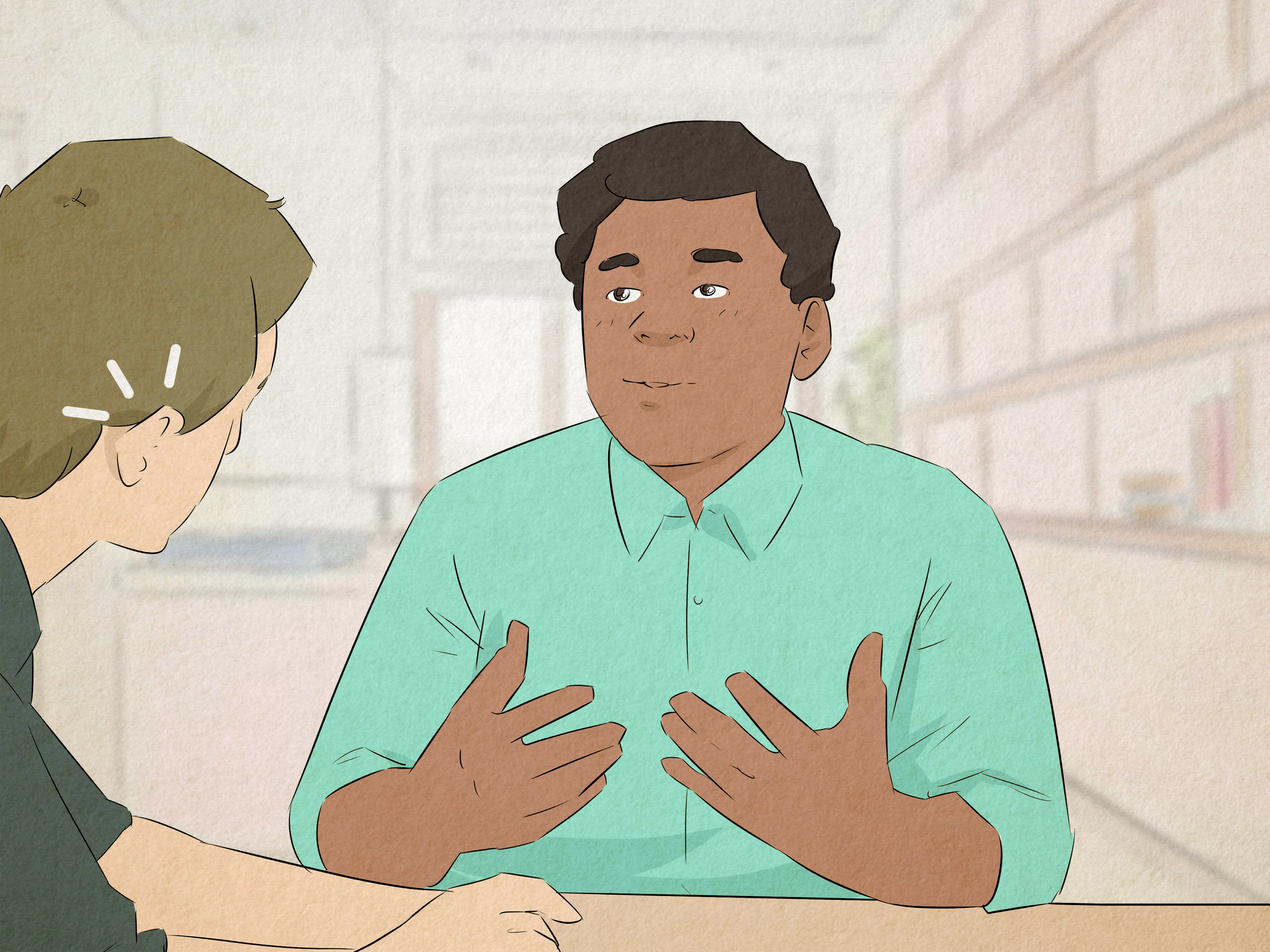
“Self-defense” doesn’t always mean throwing punches. Sometimes it means not throwing away your peace.
The truth is, most everyday conflicts don’t require a dramatic mic-drop speechthey require calm, clear words
that protect your boundaries, lower the heat, and keep you from getting pulled into someone else’s bad mood.
This article breaks down three practical, research-backed (and real-life-tested) ways to defend yourself with words:
assertive boundaries, de-escalation language, and strategic disengagement. You’ll get scripts you can actually say out loud,
plus examples for school, work, family, and online situations. No “alpha energy” nonsense. No magical comebacks.
Just verbal self-defense that works because it’s simple, repeatable, and doesn’t rely on being the funniest person in the room.
Way #1: Set Boundaries With Calm, Assertive Language (Not Aggression)
The goal of assertive communication is straightforward: say what you mean, mean what you say, and stay respectful.
Being assertive isn’t being loud. It’s being clear. And when you’re defending yourself with words, clarity is your shield.
Know the three “communication modes” (and aim for the middle)
- Passive: You swallow your needs, then resent everyone silently.
- Aggressive: You bulldoze the other person, then wonder why the relationship is smoking.
- Assertive: You state your needs directly, without insults, threats, or apologies for existing.
Assertiveness is the sweet spot where you defend your boundaries without becoming the villain in someone else’s story.
Here are two tools that make assertiveness easierespecially when the other person is pushy.
Tool A: Use “I” statements to stop the blame spiral
When people feel accused, they get defensive. When they get defensive, the conversation gets dumber.
“I” statements help you describe what’s happening without launching a verbal attack.
Try this simple format:
- When (specific behavior)
- I feel (your emotion)
- because (the impact)
- I’d like (a clear request)
Examples you can steal:
- “When you interrupt me, I feel dismissed, because I’m trying to explain my side. I’d like to finish my point.”
- “When you joke about that, I feel uncomfortable. I’d like you to stop.”
- “I’m not okay with being spoken to like that. If we’re going to talk, it needs to be respectful.”
Notice what’s missing: name-calling, mind-reading, and courtroom-level “OBJECTION!” energy.
You’re defending yourself with words by focusing on observable behavior and its impact.
Tool B: The “Broken Record” technique (polite persistence)
Some people treat boundaries like a free trial they can cancel if they complain enough.
That’s when you use the Broken Record technique: calmly repeat your point without getting dragged into side arguments.
How it sounds in real life:
- Pushy friend: “Come on, just tell me what happened.”
You: “I’m not ready to talk about it.”
Them: “Why are you being weird?”
You: “I’m not ready to talk about it.” - Sales pressure: “This deal ends today.”
You: “No thanks. I’m not buying today.”
Them: “What if I add a bonus?”
You: “No thanks. I’m not buying today.”
The magic isn’t in the wordsit’s in the tone. Calm. Pleasant. Unmoved.
You’re not debating your boundary. You’re announcing it.
Bonus move: “Fogging” to defuse criticism without surrendering
Sometimes someone attacks you with criticism to get you off-balance. “Fogging” means you acknowledge any possible truth
in what they said without letting them use it as a crowbar to pry open your boundary.
- “You’re too sensitive.” → “Maybe I am. Either way, I’m not okay with that joke.”
- “You’re not being helpful.” → “I hear you. I still can’t take that on right now.”
- “You always do this.” → “You’re upset. I’m willing to talk, but not if we’re using ‘always’ and ‘never.’”
Fogging works because it refuses the bait. You don’t need to win an argument to protect yourself.
You need to hold your line.
Way #2: De-Escalate With Words That Lower the Temperature
If assertiveness is your shield, de-escalation is your fire extinguisher.
When someone is angry, embarrassed, stressed, or looking for a fight, the fastest way to defend yourself
is often to reduce intensity before you try to solve anything.
De-escalation isn’t “being a doormat.” It’s choosing language that keeps you safe and in control.
You’re not rewarding bad behavioryou’re preventing it from getting worse.
Step 1: Use an “effective pause” (yes, silence is a skill)
When someone comes at you hot, your nervous system wants to reply in the same temperature.
A short pauseone breath, two breathshelps you answer from your brain instead of your adrenaline.
Quick self-script: “Slow is smooth. Smooth is safe.”
Step 2: Reflect and paraphrase (so they feel heard without you agreeing)
People often escalate when they feel ignored. One of the best verbal self-defense tools is
active listening: reflecting feelings and paraphrasing what you heard.
This doesn’t mean you’re admitting fault. It means you’re reducing the emotional pressure in the room.
Paraphrase starters:
- “What I hear you saying is…”
- “It sounds like…”
- “If I understand you right…”
Emotional labeling (simple but powerful):
- “It sounds like you’re really frustrated.”
- “I can see this matters to you.”
- “You seem stressed about the deadline.”
The goal is to communicate: “I’m not your enemy. I’m here. I’m listening.”
That alone can drop the volume.
Step 3: Ask open-ended questions that move the conversation forward
Open-ended questions slow things down and give you information. They also help the other person feel less trapped.
Try:
- “What’s the most important thing you need right now?”
- “What would a fair solution look like to you?”
- “Can you tell me what part upset you the most?”
If you’ve ever watched an argument go from “about the dishes” to “about your entire personality,”
you already know why questions matter. They keep the conversation from turning into an emotional escape room.
Step 4: Offer choices (people calm down when they regain control)
A simple choice can reduce power struggles:
- “Do you want to talk now, or take 10 minutes and come back?”
- “Would you rather text this, or talk in person?”
- “Do you want a solution, or do you want me to just listen for a minute?”
Choices are a quiet way of saying: “We’re not trapped in this moment. We can do this differently.”
That’s a form of defensebecause it prevents escalation.
Step 5: Use respectful limits (de-escalation + boundaries)
Sometimes you need both tools at once: calm listening and a firm line.
- “I want to understand, and I’m not okay with yelling. If it keeps happening, I’m going to step away.”
- “I’ll talk about the issue. I won’t be insulted while we do it.”
- “We can solve this, but not in the middle of a blow-up.”
That’s defending yourself with words in the most practical sense: you’re protecting your dignity and your nervous system.
Way #3: Disengage Strategically (When the Conversation Isn’t Safe or Sincere)
Here’s a hard truth: not every conversation is a good-faith conversation.
Sometimes the other person wants control, attention, or a reactionnot resolution.
In those moments, the best verbal self-defense move is to stop providing the fuel.
Use “grey rock” energy for manipulative or drama-seeking behavior
The grey rock method is a strategy where you become deliberately uninterestingshort answers, neutral tone,
minimal emotionso a difficult person gets less reward from provoking you.
It’s not about “winning.” It’s about protecting your bandwidth.
What it looks like:
- Keep responses brief: “Okay.” “I see.” “Noted.”
- Avoid over-explaining (over-explaining is basically catnip for manipulators).
- Don’t debate obvious bait: “I’m not getting into that.”
- Exit when needed: “I’m going to go now.”
Important note: this approach is often discussed as a coping tool, but it’s not a fix for abusive situations.
If you feel unsafe, loop in a trusted adult, a school counselor, workplace manager/HR, or local support resources.
Your safety matters more than your “perfect phrasing.”
Have a few “exit lines” ready (so you don’t improvise under pressure)
When you’re stressed, your brain becomes a broken vending machine: you keep pressing buttons and nothing helpful comes out.
Pre-written lines are a lifesaver.
- “I’m not continuing this conversation like this.”
- “We can talk later when we’re both calm.”
- “I hear you. I’m going to take a break now.”
- “That doesn’t work for me.”
- “I’m stepping away. We’ll revisit this at (time).”
Online verbal self-defense: respond once (maybe), then starve the troll
If someone is poking you online, you don’t have to “win the thread.” You have to protect your peace.
A strong pattern is:
- Clarify once (if it’s worth it): “That’s not what I meant. Here’s what I meant…”
- Set a boundary: “I’m not debating insults.”
- Stop feeding it: mute, block, log off, touch grassany order you like.
Defending yourself with words includes knowing when words are no longer the tool.
Silence can be a boundary. Logging off can be self-respect.
A Quick Cheat Sheet: 12 Phrases That Defend You Without Escalating
- “I’m not okay with that.”
- “Please stop.”
- “That doesn’t work for me.”
- “I’m not available for that.”
- “I hear you. I see it differently.”
- “Let me make sure I understand…”
- “What I hear you saying is…”
- “I can talk about this when it’s respectful.”
- “I’m going to step away now.”
- “We can revisit this later.”
- “No.” (a complete sentence, occasionally a full spiritual practice)
- “I’m not discussing that.”
Conclusion: The Best Verbal Self-Defense Is Repeatable
You don’t need a savage comeback. You need a system.
If you remember nothing else, remember this:
- Assertive boundaries protect your time, space, and dignity.
- De-escalation language keeps conflict from getting bigger than it needs to be.
- Strategic disengagement saves you from conversations that aren’t trying to be honest or safe.
Defending yourself with words is a skillmeaning it improves with practice, not perfection.
Start with one phrase. Use it this week. Repeat it next week. (Yes, like a broken record. That’s the point.)
Experience-Based Add-On: What This Looks Like in Real Life (500+ Words)
The advice above is useful, but it really clicks when you picture the moments you’ll actually facebecause most verbal conflicts
don’t happen in neat little therapy-office scripts. They happen in hallways, group chats, family kitchens, and workplaces where
someone has decided that your boundary is a personal insult.
Experience #1: The “Group Project Ghoster” Problem
You’re carrying a group project. One person disappears, then reappears near the deadline like a raccoon who smelled snacks.
The passive move is to do everything and complain later. The aggressive move is to roast them in front of everyone.
The assertive move is a calm “I” statement plus a clear request:
“When you don’t respond for days, I feel stressed because we’re on a deadline. I need you to take sections A and B by Thursday 6 p.m.
If that can’t happen, we need to tell the teacher we’re adjusting roles.”
If they argue“You’re being dramatic”you go broken record: “I need you to take sections A and B by Thursday 6 p.m.”
Same sentence. Same tone. No bonus anger DLC.
Experience #2: The “Friend Who Jokes Too Far” Moment
A friend teases you in a way that stops being funny. You laugh along because you don’t want to be “sensitive,” but it sticks with you.
This is a classic place to defend yourself with words earlybefore resentment grows teeth.
Try: “I know you’re joking, but that one bothers me. Please don’t joke about that.”
If they push back“Relax, it’s not that deep”you fog: “Maybe it isn’t deep. I still want you to stop.”
Clear. Calm. Done.
Experience #3: The “Adult/Authority Power Tone” Situation
Sometimes the tough conversations are with adultscoaches, managers, relativeswho speak like their tone is a law of physics.
If you’re dealing with someone who’s escalated, de-escalation language can keep you safe while still defending yourself.
“I want to understand what you need. Can you tell me what you want done differently?”
Then paraphrase: “So you’re saying the issue is timing, not the qualitydid I get that right?”
That shows maturity, buys you breathing room, and reduces the chance the conversation becomes a lecture tornado.
If disrespect continues, you add a limit: “I can talk about the problem, but not while I’m being yelled at.”
Experience #4: The “Online Comment Trap”
Someone replies to you online with a snarky comment that’s clearly designed to start a fight. Your brain offers two options:
(1) write a 900-word essay that nobody asked for, or (2) start typing like you’re auditioning for a reality show reunion.
A calmer defense is: clarify once, then disengage.
“That’s not what I said. I meant X. I’m not debating insults.”
And then you stop. You don’t need to prove your intelligence to strangers who are collecting arguments like trading cards.
If the person is relentless or creepy, you protect yourself: mute, block, report, move on. That’s not “weak.”
That’s choosing peace over performance.
Experience #5: The “Family Button-Pusher” Classic
Family can be loving…and also extremely skilled at pushing your exact buttons, like they have a remote control you never consented to.
This is where the broken record technique shines because explanations often become ammunition.
“I’m not discussing my grades/weight/friends right now.”
“But I’m just trying to help!”
“I’m not discussing it right now.”
If they keep going, you exit: “I’m going to step away. We can talk later.”
Defending yourself with words sometimes means using fewer wordsthen physically removing yourself from the heat.
These experiences have a common lesson: you don’t rise to every challenge. You choose the tool that fits the moment.
Assertiveness when you need boundaries. De-escalation when emotions are high. Disengagement when the conversation isn’t sincere or safe.
That’s what real verbal self-defense looks likeless “perfect comeback,” more “consistent self-respect.”