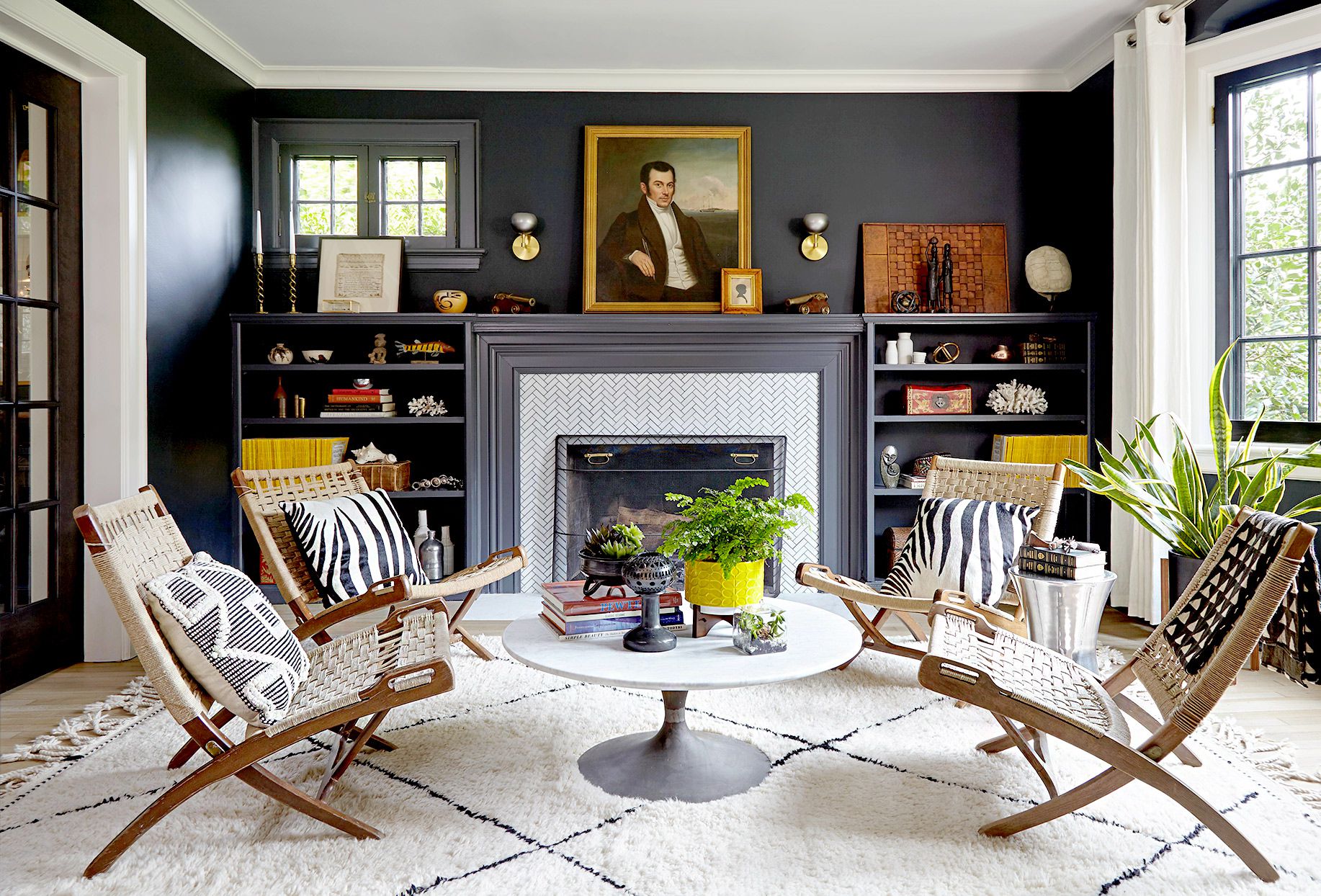
A fireplace is basically your room’s personality wearing a really good outfit. Even when it’s off, it’s still
doing the most: anchoring furniture layouts, setting the mood, and quietly judging your throw-pillow decisions.
The best part? You don’t need a ski lodge or a castle in Scotland to make one feel special. With smart materials,
good proportions, and a little styling magic, a fireplace can look cozy in January and still feel fresh in July.
Below are 35 fireplace design ideasranging from classic and traditional to modern and “I saw this on a design
show and now I can’t unsee it.” You’ll also get practical planning tips (because fire is fun, but safety is
hotter), plus year-round styling tricks so your hearth doesn’t go into hibernation.
Before You Start: A Few Smart (and Safety-Savvy) Design Moves
Pick the vibe first, then choose the materials
Decide what you want the fireplace to say: “timeless and elegant,” “modern and clean,” “cozy cabin,” or
“I collect pottery and have opinions about grout.” Once the vibe is clear, tile, stone, paint, and trim choices
get way easier.
Match the scale to the room
A petite surround in a tall room can look like it’s whispering. An oversized surround in a small room can feel
like it’s yelling. If your ceilings are high, consider a taller surround, vertical tile, or a full-height feature
wall to balance proportions.
Plan around heat, clearance, and real-life use
Always follow local building codes and the fireplace/insert manufacturer’s installation requirementsespecially
for clearances to combustibles, mantel depth/height, and hearth extension sizing. If you’re changing finishes or
adding built-ins, confirm what’s allowed around your specific unit.
Don’t skip maintenance basics
If you burn wood, regular chimney inspections and cleanings matter. If you’re going gas or electric, confirm
venting and electrical plans early so you’re not hiding cords like it’s a reality show challenge.
35 Fireplace Design Ideas That Look Cozy Year-Round
1. Classic painted white brick
A bright white brick fireplace instantly lifts a room. Pair it with warm wood accents so it feels cozy, not
clinical. Bonus: it plays nicely with almost any seasonal decor.
2. Moody, matte-black surround
Black makes the firebox feel intentional and modern. Keep the finish matte or satin for a softer look, and add
brass or aged iron accessories for contrast.
3. Floor-to-ceiling stone statement wall
Want drama without saying a word? Stack stone from hearth to ceiling. It works especially well in tall living
rooms and open-concept layouts where the fireplace needs to “hold the room together.”
4. Slim linear fireplace for modern calm
Long, horizontal fireplaces feel sleek and architectural. They’re great under a large piece of art (or a TV, if
you mustmore on that later), and they keep the visual line clean.
5. Plaster surround for soft, sculptural texture
Plaster adds a smooth, organic finish that reads upscale and quiet. It’s perfect for modern Mediterranean,
minimalist, and warm contemporary spaces.
6. Arched fireplace opening
An arch instantly adds characterespecially in Spanish Revival, cottage, and vintage-inspired homes. Pair with
handmade tile or a simple plaster finish to let the shape shine.
7. Handmade zellige-style tile glow-up
Imperfect edges + glossy variation = instant charm. Use it as a full surround or just on the inner frame for a
subtle sparkle when light hits.
8. Checkerboard marble (or marble-look) surround
Checkerboard feels classic and graphic at the same time. Keep the rest of the room simple so the fireplace can
be the “main character” without competing patterns.
9. Full slab stone for a seamless luxury look
A large-format slab (real or convincing porcelain) reduces grout lines and looks clean and expensive. Let the
veining become artespecially with minimal mantel styling.
10. Charming exposed brick with a fresh limewash
If you want softness without fully covering brick, limewash gives a chalky, aged look. It’s popular for making
brick feel lighter while keeping texture and depth.
11. German smear-style rustic texture
For that “old European cottage” vibe, a mortar-heavy finish adds movement and depth. Keep nearby decor natural:
linen, wood, woven baskets, and muted tones.
12. Two-tone fireplace: light surround, dark firebox
Contrast is your friend. A pale surround with a dark opening frames the fire beautifully and makes the fireplace
feel crisplike eyeliner, but for architecture.
13. Tile “rug” in front of the hearth
Extend patterned tile onto the floor like a hearth rug. It adds personality and defines the fireplace zone,
especially in open spaces.
14. Vertical stacked tile to make ceilings feel taller
Tall, vertical tile draws the eye up. It’s a simple trick that works wonders in rooms that need height or a more
architectural focal point.
15. Midcentury-inspired cone or freestanding stove
A sculptural stove adds serious styleespecially in smaller rooms where a big surround would feel heavy. Pair
with clean lines and warm woods for a timeless look.
16. Corner fireplace that actually looks intentional
Corners can be tricky, but the right surround makes it feel designed, not accidental. Use a wraparound mantel,
corner bench seating, or angled built-ins to balance it.
17. Built-in shelves flanking the fireplace
Symmetrical built-ins create a classic “library wall” effect. Paint them the same color as the surround for
cohesion, or contrast them to highlight the fireplace.
18. Asymmetrical built-ins for a modern twist
Try one side shelves, one side closed cabinetry, or a bench on one side. Asymmetry feels current and is often
more functional for real life (aka hiding clutter).
19. Picture-frame molding around a simple surround
If your fireplace is plain, add wall molding to “upgrade the backdrop.” It’s budget-friendly drama that makes
even a simple surround feel elevated.
20. Shiplap fireplace wall (done the modern way)
Shiplap still works when it’s clean, intentional, and paired with modern materialsthink wide boards, vertical
orientation, and a simple wood mantel.
21. Concrete surround for industrial cool
Concrete looks modern, grounded, and a little edgy. Warm it up with soft textiles, wood furniture, and lighting
that leans cozy instead of harsh.
22. Cast stone or limestone for timeless elegance
These materials bring a calm, classic look that feels like it belongs in both old and new homes. Keep the mantel
styling minimal and let the material do the talking.
23. Reclaimed wood mantel for instant warmth
A chunky reclaimed beam adds soul. It pairs beautifully with painted brick, plaster, or simple tilebasically,
anything that needs a little rustic balance.
24. Thin brick veneer for a fresh-but-traditional look
Want brick without the heavy look? Thin brick gives you the texture with a cleaner profile. Great for transitional
spaces that want warmth without feeling dated.
25. Bold patterned tile surround
Patterned tile turns the fireplace into a focal point fast. Keep everything else calmersolid upholstery, simple
rugsso the pattern doesn’t fight the room.
26. Vintage tile look for character in a newer home
A vintage-inspired tile palette (soft greens, dusty blues, creamy whites) adds age and charm. Pair with a simple
mantel and a few antique accents for authenticity.
27. Warm terracotta surround for earthy coziness
Terracotta feels sun-baked and inviting. It works beautifully with creamy walls, natural wood, and woven textures,
making the fireplace feel warm even when unlit.
28. Brass or black metal trim for a crisp edge
Metal edging can make tile and stone look more finished and intentional. Use it to frame the opening or outline
a surround for a clean, tailored feel.
29. Raised hearth you can actually sit on
A raised hearth becomes extra seating (or the world’s best cat lounge). Add a cushion and you’ve got a cozy perch
for reading, chatting, or staring dramatically into the flames.
30. Low, modern hearth for a streamlined silhouette
Keep the hearth minimal for a modern look. This works best with linear fireplaces, slab surrounds, or clean tile
and a simple mantelno fussy details required.
31. Double-sided fireplace to connect two spaces
If you’re remodeling, a see-through fireplace can unify living/dining areas or a bedroom/bath combo. It’s a big
move, but it makes the home feel custom.
32. TV-over-fireplace, but make it less painful
If the TV must live there, balance the wall with built-ins, a wide surround, or a panel feature wall so it doesn’t
look like the fireplace is wearing a screen as a hat.
33. Minimalist mantel (or no mantel) for modern spaces
Skip the mantel for a smooth, uninterrupted lookespecially with plaster or slab stone. Style with a single piece
of art or a subtle ledge instead of a full shelf.
34. Outdoor fireplace as a backyard anchor
Outdoor fireplaces make patios feel like real rooms. Use durable materials like stone, brick, or stucco, and add
lighting plus seating so it feels cozy beyond summer nights.
35. Faux fireplace for renters (and commitment-phobes)
No chimney? No problem. A faux mantel plus candles, stacked logs, or an electric insert can create the vibe without
major constructionperfect for apartments and small spaces.
Year-Round Mantel Styling That Doesn’t Feel “Staged”
Use the “one big thing + two supporting things” rule
Start with one anchor (a mirror, art, or a tall vase), then add two smaller elements with different heights and
textures. It reads balanced, not cluttered. Odd-number groupings often look more natural than perfect symmetry.
Layer like a pro
- Back layer: mirror or art
- Middle layer: candlesticks, framed photos, or a vase
- Front layer: small objects (matches, pottery, greenery)
Make it seasonal without buying a storage unit’s worth of decor
- Winter: warm metals, evergreen, cozy candles
- Spring: light ceramics, fresh stems, soft color
- Summer: woven textures, coastal tones, airy art
- Fall: dried branches, amber glass, richer neutrals
Quick FAQs (Because Fireplaces Come With Questions)
Should I paint my brick fireplace?
Painted brick can look amazingespecially if the room feels dark or dated. Prep matters: clean thoroughly, use the
right primer, and choose heat-appropriate products where needed. If you want a softer look than paint, consider
limewash for a more natural, aged finish.
What tile works best around a fireplace?
Porcelain and ceramic are popular because they’re durable and easy to maintain. Natural stone and handmade tile add
character, but you’ll want to think about sealing and cleaning. Always confirm your specific fireplace’s heat
requirements before choosing materials.
How do I keep a fireplace from feeling like a “winter-only” feature?
Treat it like furniture: style it year-round, keep the hearth tidy, and use the surround as a design moment.
Even in summer, a few candles, a basket of logs, or a sculptural screen can keep the area feeling intentional.
Conclusion: Design a Fireplace You’ll Love in Every Season
The best fireplace design isn’t just about what looks good on a mood boardit’s what fits your home, your lifestyle,
and your “I want this to feel cozy even when it’s 92 degrees outside” goals. Whether you go bold with patterned tile,
timeless with stone, or modern with plaster and clean lines, the secret is balance: proportion, texture, and a few
smart styling moves that keep the hearth feeling alive all year long.
Experience-Based Notes: What People Learn After Real Fireplace Makeovers
Fireplace makeovers look wildly simple on the internet: “Step 1: Replace surround. Step 2: Sip coffee next to your
gorgeous new hearth.” Real life is more like: “Step 1: Discover three different layers of tile from three different
decades.” If you’re planning a refresh, here are the experience-based lessons that show up again and again in real
homeswhether the project is a full rebuild or a weekend glow-up.
First, most people underestimate how much the surround finish changes the room’s light. Dark stone,
deep paint colors, and heavy brick can make a space feel intimate and groundedbut they can also visually shrink a
small room. On the flip side, painting brick or switching to a light tile can bounce light around and make the whole
area feel bigger. A common “aha” moment: the fireplace isn’t just a feature; it’s a giant reflector (or light
sponge) sitting at eye level.
Second, homeowners often learn the hard way that samples are not optional. Tile that looks creamy in
the store can look yellow next to your walls. White paint that feels fresh on a swatch can look icy beside a gray
sofa. Experienced renovators tape up a few tile options around the firebox and stare at them in morning light, mid-day
light, and “why is my lamp so warm” evening light. It’s not overthinkingit’s avoiding regret.
Third, there’s a recurring theme: the mantel is more powerful than people expect. You can take a
basic surround and make it feel custom with the right mantel thickness, material, and scale. A chunky reclaimed beam
adds instant warmth. A slim floating shelf feels modern. A stone mantel reads formal and timeless. Many people who
dislike their “after” photos realize the mantel is undersized for the wall, not that the tile is wrong.
Fourth, real projects reveal the value of planning for function and mess. Wood-burning fireplaces
are romantic, but they come with ash, soot, and storage needs. Gas and electric options simplify day-to-day life,
but you’ll want to plan outlets, switch locations, and where cords or venting will go before the wall gets closed
up. People also discover that the hearth becomes a “landing strip” for daily lifeshoes, dog toys, mailunless you
intentionally design storage (a log basket, a small cabinet, or built-ins) to keep it tidy.
Fifth, the most satisfying makeovers usually include one “quiet” decision: how the fireplace connects to the
rest of the room. That might mean flanking built-ins that echo your trim, matching the surround color to
your wall paint for a seamless look, or repeating the fireplace material elsewhere (a stone tabletop, a matching
tile niche, or even just a few decor pieces that tie it together). When the fireplace feels like it belongs, the
room feels finished.
Finally, people who love their fireplaces year-round do one thing consistently: they style the hearth like a living
area, not a holiday display. In winter, it’s cozy layers and warm light. In summer, it’s airy art, greenery, and a
clean hearth that feels calm. The fireplace becomes a steady focal point that changes outfits with the seasonwithout
needing a full wardrobe change every month. That’s the real win: a design that stays warm, welcoming, and honestly,
a little bit impressive no matter what the weather is doing outside.