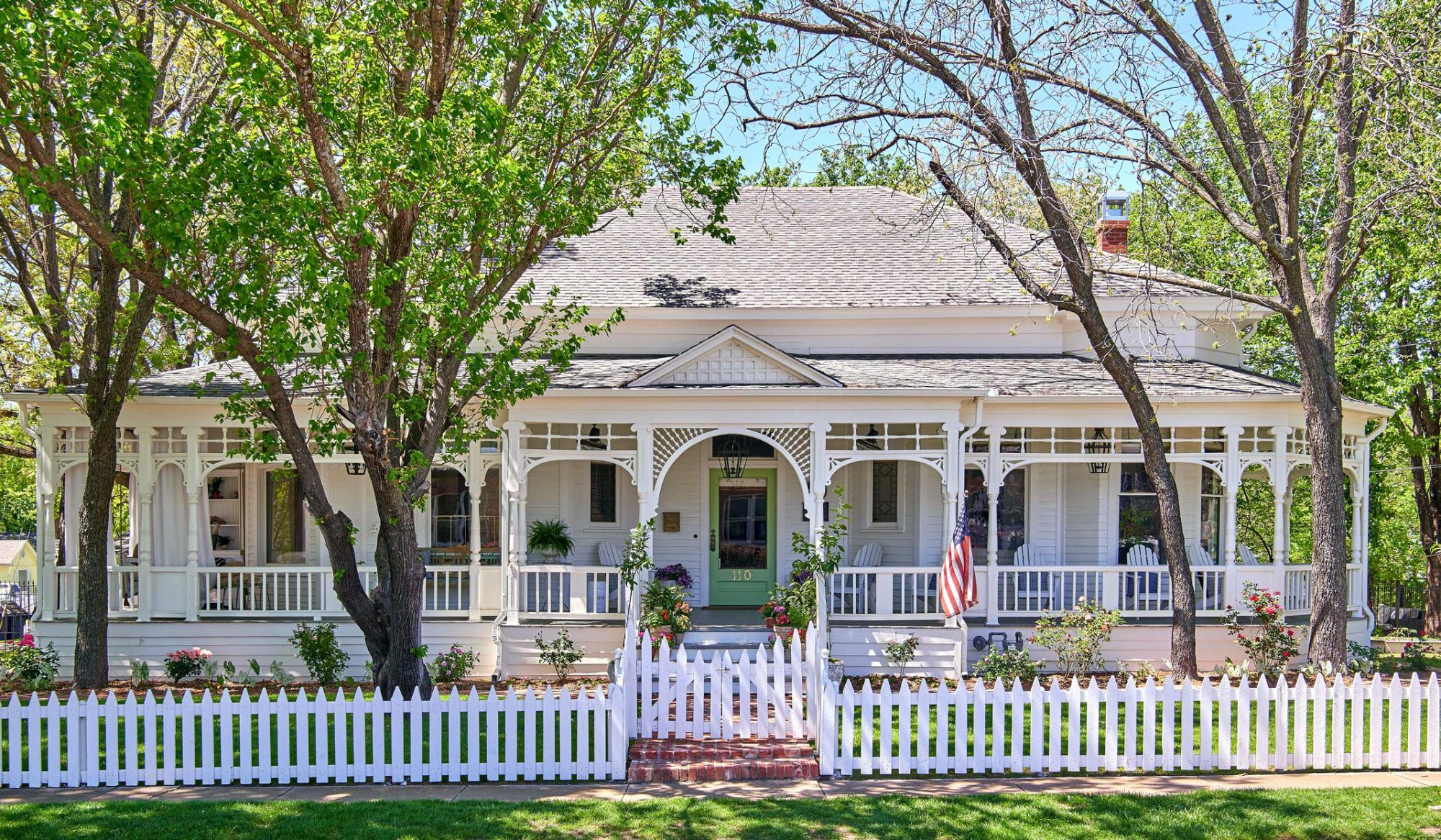
Curb appeal is basically your home’s handshake. It happens fast, it sets the tone, and if it’s limp and sweaty (read: weeds, peeling paint, sad lighting),
people notice. The good news: you don’t need a bulldozer or a five-figure budget to get the best-looking front yard on the block. You need a plan, a little
consistency, and the willingness to treat your front yard like it’s on a first date with the neighborhood.
Below are 37 curb appeal ideassome are “Saturday morning with coffee” easy, others are “call your friend who owns a level” upgrades. They’re organized so you
can pick what matches your home, your climate, and your patience. Mix a few and you’ll get that clean, welcoming, “this place is cared for” vibe that makes
guests linger and delivery drivers find your address without doing interpretive dance in the street.
Before You Start: The 15-Minute Curb-Appeal Audit
Quick test: stand at the curb (or across the street) and answer three questions:
- What’s the focal point? Front door? Big tree? Porch? If nothing stands out, your yard needs a “main character.”
- What looks tired? Faded door, dingy walkway, messy beds, rusty mailboxyour eyes go there because they’re asking for help.
- What feels messy? Visual clutter (too many pots, mismatched colors, random decor) reads as “unfinished,” even if you worked hard.
Then decide your “lane” for improvements:
Clean + Repair (fastest wins), Landscape (biggest charm), and Entry + Lighting (highest impact per square foot).
If you do just one thing in each lane, your curb appeal jumps immediately.
Fast, Affordable Wins (Ideas 1–10)
These are the upgrades that make neighbors say, “Did you do something? It looks so good!”even when you mostly just removed grime and chaos.
-
Pressure-wash the “mystery gray” off everything.
Siding, steps, pavers, brick, porch floorsyears of dust and mildew can mute color and make materials look older than they are. Cleaning is the
cheat code of curb appeal. -
Deep-clean your windows (and don’t forget the screens).
Clear glass reads as “well maintained.” Bonus points if you also trim back shrubs that cover the lower half of windows like leafy curtains. -
Refresh mulch in beds for instant polish.
New mulch is like eyeliner for landscaping: it defines edges, boosts contrast, and makes plants look healthier. Keep the depth reasonable so plants
don’t get smothered. -
Edge your lawn like you mean it.
Crisp borders along sidewalks, driveways, and beds make even a basic yard look intentional. Edging is the difference between “yard” and “landscape design.” -
Weed the “tiny places everyone sees.”
Focus on cracks in walkways, the base of steps, around the mailbox, and the first few feet along the path to the door. A few strategic weed removals beat a
weekend of random weeding. -
Upgrade the doormat and doorbell area.
This is where people pause. A clean mat, tidy doorstep, and a quick wipe-down of the doorbell/handle area sends “welcome” instead of “we survive here.” -
Swap in a pair of matching planters by the door.
Symmetry makes homes feel balanced, even if your landscaping is still a work in progress. Choose planters that fit the scale of the entrytiny pots can look
like they got lost on the way to a windowsill. -
Replace or repaint a tired mailbox.
Mailboxes are street-level billboards. If yours is rusty or leaning like it’s had a long day, straighten it, repaint it, or upgrade it to match the style of
your house. -
Update house numbers so they’re actually readable.
High contrast, good size, and simple placement: this is curb appeal and common sense. (Also: emergency services and delivery drivers will silently thank you.) -
Declutter the porch like you’re staging a listing photo.
One seating moment, one plant moment, one “hello” moment (wreath, sconce, or seasonal accent). Too many items reads as storage, not style.
Landscaping That Looks Designed (Ideas 11–22)
The goal isn’t “more plants.” The goal is structure plus seasonal interest plus low-maintenance sanity. Think layers, repetition, and
plants that suit your climate.
-
Add one small ornamental tree as a focal point.
A flowering or sculptural tree (placed to frame the house, not swallow it) creates instant character. Think of it as your yard’s anchoreverything else can
orbit around it. -
Build a “tall–medium–low” planting layer in beds.
Put taller shrubs or ornamental grasses in back, medium plants in the middle, and groundcovers or low perennials in front. This layering reads lush and
intentional from the street. -
Repeat the same plant in a few spots.
Repetition is a designer’s secret weapon. Three of the same shrub or perennial (spaced properly) looks cohesive; one of everything looks like a plant
swap-meet. -
Choose native or climate-adapted plants for easier curb appeal.
Plants that belong in your region typically handle weather swings better and require less drama (and fewer emergency watering sessions). -
Add evergreen structure so the yard doesn’t collapse in winter.
Evergreensshrubs, dwarf conifers, or broadleaf evergreen plantskeep your front yard looking alive year-round. -
Create a simple pollinator-friendly strip.
A small area of blooming perennials can attract bees and butterflies and add movement and color. Keep it tidy with a defined edge so it looks charming, not
accidental. -
Install window boxes for “instant cottage charm.”
Window boxes can soften a flat facade and add color near eye level. Keep the planting simple and repeat the same flowers/greens across boxes for a clean look. -
Use groundcover to replace hard-to-mow problem areas.
Steep slopes, narrow strips, or awkward corners can look better with groundcover, gravel, or a planted bed than with a struggling patch of lawn. -
Define beds with edging (stone, metal, brick, or clean-cut trenching).
Edging is what makes landscaping read “finished.” It also keeps mulch where it belongs instead of migrating into your lawn like it’s trying to escape. -
Add a seasonal color strategy that doesn’t require constant replanting.
Pick one “hero” seasonal momentspring bulbs, summer annuals in planters, or fall mumsand keep everything else perennial/evergreen. -
Hide utility boxes and awkward elements with plants or screens.
A simple lattice panel, a small screen fence, or shrubs placed with clearance can disguise eyesores without blocking access. -
Upgrade watering with a drip line in beds.
Drip irrigation helps plants establish and keeps beds healthier with less effortespecially in hot summers or dry spells. -
Go low-water with gravel + drought-tolerant plants where it makes sense.
In dry climates, a well-designed xeriscape area can look modern and clean. The key is structure and spacingavoid the “random rocks everywhere” look.
Walkways, Driveways, and Hardscape Upgrades (Ideas 23–29)
Hardscape is what your eyes track as you approach the home. If the path is cracked, narrow, or stained, it drags down everything around itno matter how cute
your flowers are trying to be.
-
Repair cracks and uneven sections in the walkway.
Safety matters, and so does first impression. Even small repairs make the entire entry feel more cared for. -
Widen a too-narrow path (or visually widen it).
If you can’t rebuild, “cheat” with edging, low plants, or lighting to make the route feel intentional and welcoming. -
Add stepping stones to guide movement through the yard.
This works especially well in side strips or informal garden routes. Keep spacing comfortable and consistent. -
Consider permeable pavers for an updated, eco-friendly look.
Permeable materials help with drainage and can add texture and character compared to a big blank slab of concrete. -
Resurface or stain concrete for a cleaner finish.
Old concrete can look dramatically better with a thorough cleaning and a finish that evens out discoloration. -
Frame the driveway with a clean border.
A simple strip of pavers, stone, or planting can make a driveway look “designed,” not just “there.” -
Add a low retaining wall or raised planter near the entry.
Low walls create structure and can solve grade issues. They also make beds look purposeful and keep mulch from washing out.
Front Door, Porch, and Lighting Glow-Up (Ideas 30–35)
Your entry is the face of the home. If it’s dark, faded, or cluttered, the whole house feels less welcoming. If it’s bright and balanced, everything looks
more expensive (even if you didn’t spend much).
-
Paint the front door a confident color.
A fresh coat of paint is one of the highest-impact upgrades you can do. Choose a color that fits your home’s style and plays nicely with your exterior, then
commit like you mean it. -
Replace the door hardware (handle, lock, knocker) for an instant upgrade.
Old hardware can date a home. Matching finishes across the entrylight fixture, numbers, mailbox, handlecreates a cohesive look. -
Upgrade porch lighting fixtures (then use the right bulbs).
Lighting should feel warm and welcoming, not like a parking lot. Updated fixtures also help modernize the facade without changing architecture. -
Add path lighting to guide guests (and make landscaping look intentional at night).
Even a few well-placed lights along the walkway can turn “dark mystery path” into “come on in.” -
Create a simple porch “vignette.”
A chair or small bench, a side table (or stool), and a plant. Keep it scaled to your porch size and don’t block the walkwayfunction is part of good design. -
Dress up the door with a wreath or seasonal decorlightly.
One strong seasonal element reads stylish. Fifteen seasonal elements reads like the holiday store exploded.
Finishing Touches That Make It Look Professionally Pulled Together (Ideas 36–37)
-
Pick a simple exterior color “system” and stick to it.
Choose one metal finish (black, bronze, or brushed nickel), one or two accent colors (door and planters), and repeat them. Consistency makes everything look
intentional. -
Add one “signature” detail that fits your home’s style.
Think: an address plaque, a tidy gate, a small piece of outdoor art, or a well-placed birdbath. One is charming. Ten is a yard-sale museum.
How to Combine These Ideas Without Making Your Yard Look Busy
Use the “Rule of Three” for visual calm
Limit yourself to three main upgrades at a timeone cleaning/repair, one landscape move, one entry upgrade. This keeps you from doing twenty random things that
don’t connect. Example combo:
fresh mulch + new house numbers + two matching planters. That’s a huge change without chaos.
Match the scale of your home
A big house needs bigger visual anchors: larger planters, fuller beds, lighting that doesn’t look tiny. A smaller home benefits from neat edges, clear paths,
and fewer but stronger details.
Design for your “worst season”
If winter is long, prioritize evergreens, tidy hardscape, and good lighting. If summers scorch, lean on drought-tolerant plants, mulch, and drip irrigation.
If it rains a lot, think drainage, permeable materials, and plants that don’t flop like wet noodles.
Mistakes That Quietly Kill Curb Appeal
- Overgrown shrubs blocking windows: it hides architecture and makes the house feel closed off.
- Too many competing colors: pick a palette and repeat it instead of improvising every weekend.
- Busy beds with no structure: add evergreens and repetition so it looks designed, not accidental.
- Harsh, mismatched lighting: one fixture in warm light and another in blue-white makes the entry feel off.
- Ignoring the path: people follow the walkway with their eyes; if it’s cracked or messy, it drags everything down.
- “Collection decor” near the curb: a few tasteful items look curated; a parade of objects looks cluttered.
Conclusion: Your Front Yard’s Best-Dressed Checklist
If you want the best front yard on the block, think like a designer and act like a realist. Start with cleaning and repairs (the fastest ROI for your time),
then add structure in your landscaping (layers + repetition + evergreens), and finish with a welcoming entry (door, lighting, numbers, and a tidy porch moment).
You don’t need to do all 37 ideas. Pick 5–7 that work together, and your home will look sharper, warmer, and more “pulled together” from the streetday or
night, season after season.
Real-World Lessons and “I Wish I’d Known That” Moments (Extra Experience Section)
Homeowners who tackle curb appeal projects tend to learn the same lessonsusually right after they’ve done something the hard way. Here are the most useful
“experience-based” takeaways that can save you time, money, and a little bit of front-yard heartbreak.
Lesson 1: Cleaning is emotionally underrated. People often jump straight to buying plants (because plants are fun and feel productive), but the
biggest visual leap usually comes from removing grime and clutter first. A washed walkway, swept porch, and cleaned windows make every other change look better.
It’s also the cheapest way to reveal what your home actually needs. Sometimes the “faded siding problem” is really a “dirt problem.” Sometimes the “ugly steps”
are just stained, not doomed.
Lesson 2: The path to the door is a starring role, not background. A lot of front yards have perfectly nice landscaping… and then a narrow,
cracked path that looks like it’s apologizing for existing. When the walkway is tidy, evenly lit, and visually defined, guests feel guided and the home feels
more welcoming. Even if you don’t replace the path, simply edging it cleanly and adding a couple of lights can create that “designed on purpose” feel.
Lesson 3: Bigger isn’t always betterunless we’re talking planters. A common curb appeal misstep is using small pots near a large front entry.
From the street, tiny planters can disappear, and the entry looks under-decorated. The fix is usually to scale up: taller planters, fuller arrangements, and a
pair of matching containers to add symmetry. People who try it often say the front door suddenly looks more expensive, even if nothing else changed.
Lesson 4: Repetition beats variety for a “pro” look. Plant lovers (and bargain shoppers at garden centers) often create beds with one of
everything. Up close, it’s interesting. From the curb, it can look chaotic. The yards that read “designer” typically repeat the same plant shapes and colors.
For example: three boxwoods, drifts of the same low perennial, and one ornamental tree. It still looks lushbut calmer, cleaner, and more intentional.
Lesson 5: Lighting is curb appeal after darkand safety all the time. Many homeowners don’t realize how much lighting changes the feel of a
home until they upgrade it. A well-lit entry feels welcoming, while a dark porch feels like an awkward pause in the evening. Path lights also prevent the
“where’s the step?” shuffle that nobody enjoys. The best results tend to come from a simple lighting plan: one attractive porch fixture, a couple of walkway
lights, and maybe a soft highlight on a feature (like an ornamental tree).
Lesson 6: Don’t fight your climatedesign with it. The front yards that stay attractive with the least stress usually lean into what the
region wants to do naturally. In hotter areas, drought-tolerant plants, mulch, and drip irrigation keep things looking good without constant watering. In
colder areas, evergreens and strong hardscape keep the yard from looking empty for months. In wet areas, better drainage and plants that tolerate moisture help
prevent that “why is everything flopping?” look after storms.
Lesson 7: A curb-appeal plan keeps you from “random improvement syndrome.” Without a plan, it’s easy to buy a new doormat one weekend, a
bright planter the next, a different metal finish later, and then wonder why nothing looks cohesive. Homeowners who get the best results usually pick a simple
system: one metal finish, one main exterior accent color (often the front door), and a repeatable planting style. That’s how you get that calm, finished look
even if you upgrade little by little.
The overall “experienced” takeaway is this: curb appeal works when it looks cared for and consistent. Clean first, define the path, create structure
in plants, and finish with entry details that match. That’s the recipe for a front yard that looks like it belongs on the block’s unofficial highlight reel.