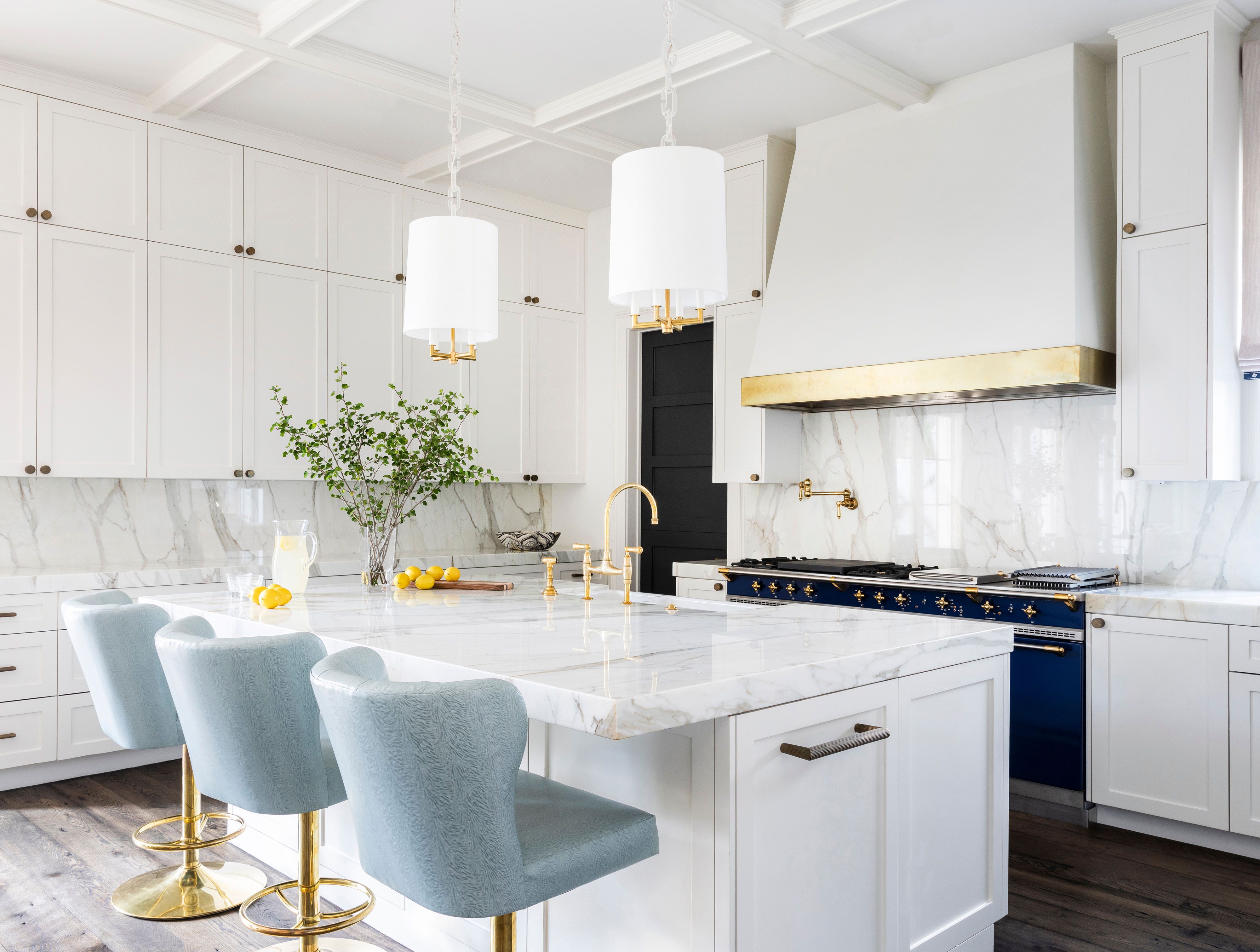
A white kitchen has been called timeless so many times that the phrase practically comes with its own backsplash. But here is the thing: the best white kitchens are not memorable because they are white. They are memorable because they are smart. They reflect light, calm visual clutter, play nicely with almost any style, and give you room to change hardware, paint, stools, rugs, and decor without starting from scratch.
That is why white kitchens keep showing up in classic farmhouses, sleek city apartments, modern family homes, and tiny galley layouts. White can make a kitchen feel bigger, cleaner, and brighter, but it also needs help. Without texture, contrast, storage, and thoughtful lighting, an all-white kitchen can feel like a dentist office that accidentally ordered bar stools. The good news is that a few smart choices can keep the look crisp while making the room more useful for real life.
Below, you will find 38 white kitchen ideas that balance beauty and function. Some are big renovation moves. Others are budget-friendly tricks that deliver maximum impact with minimal drama. Whether you want a kitchen that feels warm, modern, traditional, compact, social, or quietly luxurious, these ideas will help you build a white kitchen that actually works as hard as it looks good.
Why White Kitchens Still Work So Well
White remains a favorite because it acts like a visual exhale. It bounces light around the room, makes cabinetry feel less heavy, and creates a clean backdrop for natural wood, stone, metal, tile, and color. Even better, it gives you flexibility. You can lean classic with shaker cabinets and warm brass, modern with slab doors and waterfall counters, or cozy with oak accents, vintage rugs, and layered lighting. A white kitchen is not a style by itself. It is a stage for your style.
Cabinetry, Layout, and Storage Ideas
1. Choose Warm White Cabinets Instead of Stark White
Not all whites are created equal. A warm white feels softer and more inviting, especially when your kitchen gets cool light. It keeps the room bright without making every crumb look like a crime scene.
2. Use Shaker Cabinets for a Timeless Base
Shaker-style fronts are a safe bet because they suit traditional, transitional, and modern kitchens. Their simple lines give you enough detail to feel polished without locking you into one trend.
3. Take Cabinets to the Ceiling
Ceiling-height cabinetry makes a white kitchen look taller and more custom. It also adds valuable storage for platters, seasonal pieces, and the waffle maker you swear you use “all the time.”
4. Mix Closed Storage With a Few Open Shelves
Too many upper cabinets can feel heavy, while too much open shelving can turn your dish collection into a full-time maintenance job. A balanced mix gives you display space without sacrificing practicality.
5. Add Glass-Front Cabinets for Lightness
Glass-front doors break up a wall of white cabinetry and keep the room from feeling blocky. They work especially well for pretty everyday dishes, glassware, and pieces you want visible but protected.
6. Build Storage Into the Island
A white island can do more than look pretty in the middle of the room. Add drawers, shelves, trays, or hidden cabinets so the island becomes a hard-working prep zone instead of a giant decorative loaf.
7. Create a Coffee or Beverage Nook
Dedicated beverage zones make kitchens feel more organized and less chaotic during busy mornings. Tucking coffee gear, mugs, or a mini drink station into one spot also frees up your main counters.
8. Keep the Workflow Efficient
The most beautiful white kitchen in the world will still annoy you if the fridge, sink, and cooking area fight each other. Plan a layout that keeps movement easy and avoids unnecessary traffic through your main work zones.
9. Use Drawer Storage Instead of Deep Lower Cabinets
Wide drawers are easier to use than cave-like cabinets that swallow pots forever. In a white kitchen, smart drawer organization also helps preserve the clean, orderly look you are aiming for.
10. Hide Small Appliances Behind Cabinet Doors
Nothing disrupts a calm white kitchen faster than a parade of gadgets on the counter. Appliance garages, lift-up cabinets, or a dedicated pantry zone keep the look cleaner and daily life easier.
Surfaces, Color Contrast, and Material Ideas
11. Pair White Cabinets With Natural Wood
Wood tones warm up white kitchens instantly. Try oak stools, a walnut island, floating shelves, or a butcher-block section if you want the room to feel less icy and more lived in.
12. Ground the Room With Wood Flooring
White cabinets, white walls, and white counters can start to float if nothing anchors the room. Wood flooring adds warmth, contrast, and a welcoming texture that keeps the space from feeling sterile.
13. Try a Contrasting Island
A blue, green, charcoal, taupe, or wood-finished island can give a white kitchen a focal point without overwhelming the room. It is one of the easiest ways to add personality while keeping the palette classic.
14. Use a Slab Backsplash for a Seamless Look
If you love a cleaner, quieter design, continue the countertop material up the wall. A slab backsplash reduces grout lines and makes a white kitchen feel calm, polished, and high-end.
15. Stick With Subway Tile, but Change the Pattern
Classic white subway tile still works, but the layout can make it feel fresh. Try vertical stack, herringbone, or a longer format tile for a simple twist that adds interest without chaos.
16. Use Marble or Marble-Look Surfaces for Texture
White-on-white needs movement somewhere, and veining does that beautifully. Marble, quartz, or quartzite with soft patterning adds depth while keeping the palette airy and elegant.
17. Add a Butcher-Block Accent
A wood counter section, prep niche, or island top brings in warmth and a more relaxed vibe. It also helps a white kitchen feel less precious, which is useful if actual humans live there.
18. Paint Brick or Shiplap White for Character
White paint over brick, paneling, or shiplap softens rough textures while letting them still show through. The result feels bright, layered, and architectural instead of flat.
19. Bring in Black for Sharp Definition
Black hardware, stools, window frames, or pendants can give a white kitchen just enough edge. A little black helps the white feel intentional rather than unfinished.
20. Use Soft Gray or Greige to Break Up the White
If you want contrast without drama, choose pale stone, warm gray tile, or greige walls. These quiet neutrals make white kitchens feel warmer and more dimensional.
21. Introduce Metal Finishes With Purpose
Brass warms things up, chrome keeps it crisp, and black reads modern. Pick one primary finish and repeat it across hardware, faucets, and lighting so the kitchen looks collected, not confused.
22. Try White Appliances for a More Integrated Look
Modern white appliances can blend beautifully into white cabinetry. This works especially well if you want a softer look than stainless steel and prefer the room to feel visually quiet.
Lighting and Detail Ideas That Make White Kitchens Shine
23. Layer Your Lighting
A white kitchen needs more than one heroic ceiling fixture. Combine recessed lights, pendants, sconces, and under-cabinet lighting so the room works for cooking, cleaning, hosting, and late-night cookie decisions.
24. Put Lights on Dimmers
Dimmers let your bright white kitchen shift mood throughout the day. Morning coffee, homework hour, dinner prep, and evening cleanup should not all feel like they are happening in an operating room.
25. Add Under-Cabinet Lighting
This small upgrade improves visibility and makes backsplashes glow. In a white kitchen, under-cabinet lighting helps every finish look richer and more intentional.
26. Make Pendants Earn Their Spot
Pendants should do more than look cute over the island. Use them to define prep zones, add contrast, and introduce a sculptural element that keeps the room from becoming too plain.
27. Use Reflective Surfaces to Bounce Light
Glossy tile, polished stone, glass, and even a subtle sheen on paint can help light travel. This is especially helpful in small white kitchens where brightness is part of the whole strategy.
28. Choose Hardware With Real Presence
In a white kitchen, hardware reads like jewelry. Oversized pulls, warm unlacquered brass, aged nickel, or sleek black bars can completely change the personality of the room.
29. Add Millwork or Panel Details
Trim, beadboard, fluting, or custom island paneling can add just enough texture to a white kitchen. These details keep the room from feeling too smooth and too one-note.
30. Use a Statement Range Hood
A plaster hood, wood-wrapped hood, or metal-trimmed version can become the focal point in an otherwise simple kitchen. It gives your eye somewhere to land, which is a gift in a very white room.
Decor and Everyday Styling Ideas
31. Add a Vintage Rug
A washable or low-pile rug introduces color, pattern, and softness underfoot. It is one of the easiest ways to make a white kitchen feel warm, layered, and less like a showroom.
32. Style Counters With Useful Objects
Wood boards, ceramic bowls, olive oil bottles, and linen towels add life without clutter. The trick is to style with things you actually use, not a decorative lemon pyramid that no one is allowed to touch.
33. Display Copper or Brass Cookware
Warm metals look fantastic against white walls and cabinets. Hanging a few beautiful pots or storing them on open shelves adds both function and old-school charm.
34. Bring in Greenery
Plants, herbs, or a simple vase of branches can soften a white kitchen instantly. A little living color goes a long way in making the space feel fresh instead of overly controlled.
35. Match the Kitchen to the Age of the House
White kitchens feel most convincing when they respect the architecture around them. In an older home, that might mean classic hardware and warm woods. In a newer home, it might mean simpler lines and fewer decorative details.
36. Use Seating to Add Personality
Counter stools are a golden opportunity. Leather, cane, painted wood, or upholstered seats can bring texture and character to a white kitchen without disrupting the clean palette.
37. Keep Seasonal Changes Small and Easy
One reason white kitchens are so popular is that they adapt beautifully. Swap art, tea towels, fruit bowls, flowers, and vases with the seasons, and the whole room feels refreshed without a remodel.
38. Leave a Little Empty Space
Function does not mean filling every inch. A white kitchen looks better and works better when counters have breathing room, shelves are not overpacked, and the eye gets a place to rest.
Final Thoughts
The most successful white kitchens are not just bright. They are balanced. They combine clean cabinetry with warm materials, smart storage, layered lighting, and enough contrast to keep the room interesting. White works because it is flexible, but flexibility is only useful when the design has intention behind it.
If you are planning a remodel, think less about chasing the “perfect white kitchen” and more about building the right white kitchen for your life. Maybe that means a wood island, hidden appliance storage, extra drawers, dimmable lighting, or a backsplash with texture. Maybe it means a tiny galley that feels open and calm. Maybe it means a family kitchen with room for school bags, snacks, and one person constantly looking for the scissors. Whatever your version is, white can absolutely be beautiful and functional at the same time.
What Homeowners Learn After Living With a White Kitchen
White kitchens have a funny reputation. People who love them talk about how bright, clean, and timeless they feel. People who hate them act like you are one backsplash away from living inside a refrigerator. In real life, the truth lands somewhere in the middle, and that is exactly why white kitchens continue to work so well. Once people actually live with them, they often discover that white is less about trend and more about behavior.
The first lesson is that light changes everything. A white kitchen in morning sun feels cheerful and energizing. The same kitchen on a rainy afternoon can feel soft and quiet. At night, layered lighting matters more than paint color ever will. That is why so many homeowners end up saying the smartest upgrade was not the cabinet color, but the dimmers, the under-cabinet lights, and the pendants that made the room feel comfortable at every hour.
The second lesson is that white does not remove work; it rewards good habits. When counters stay reasonably clear, a white kitchen looks fantastic. When mail, snack wrappers, chargers, and three random water bottles move in, white is not the problem. The chaos is. Many homeowners find that a white kitchen quietly pushes them toward better organization because clutter stands out faster. Oddly enough, that can be a gift. The room teaches you what storage you actually need.
Another common experience is realizing that warmth matters more than perfection. The white kitchens people love most usually include wood, metal, texture, or something slightly imperfect. A walnut stool, aged brass pull, hand-thrown bowl, vintage runner, or oak shelf can make the room feel personal. Without those elements, the kitchen may still be pretty, but it can feel emotionally blank. The best white kitchens are rarely pure white from top to bottom. They are layered, a little relaxed, and designed to be used.
Homeowners also learn that maintenance is not as dramatic as people claim. Yes, white can show tomato sauce splatter and coffee drips. But darker finishes show dust, fingerprints, and greasy smudges too. The real secret is choosing practical materials. Easy-clean paint, durable countertops, washable rugs, and cabinet finishes that can handle regular wiping make a huge difference. A white kitchen does not need to be babied. It just needs to be built with real life in mind.
And finally, people discover that white ages well when the permanent choices stay classic and the personality comes from flexible pieces. Cabinets, layout, counters, and lighting should do the heavy lifting. Accessories can change later. That is the magic. A white kitchen can feel coastal, modern, rustic, traditional, or European depending on what you pair with it. So while trends come and go, the lived experience of a good white kitchen stays surprisingly consistent: it feels open, adaptable, and easy to come home to. That is why, year after year, white kitchens continue to earn their place at the center of the house.