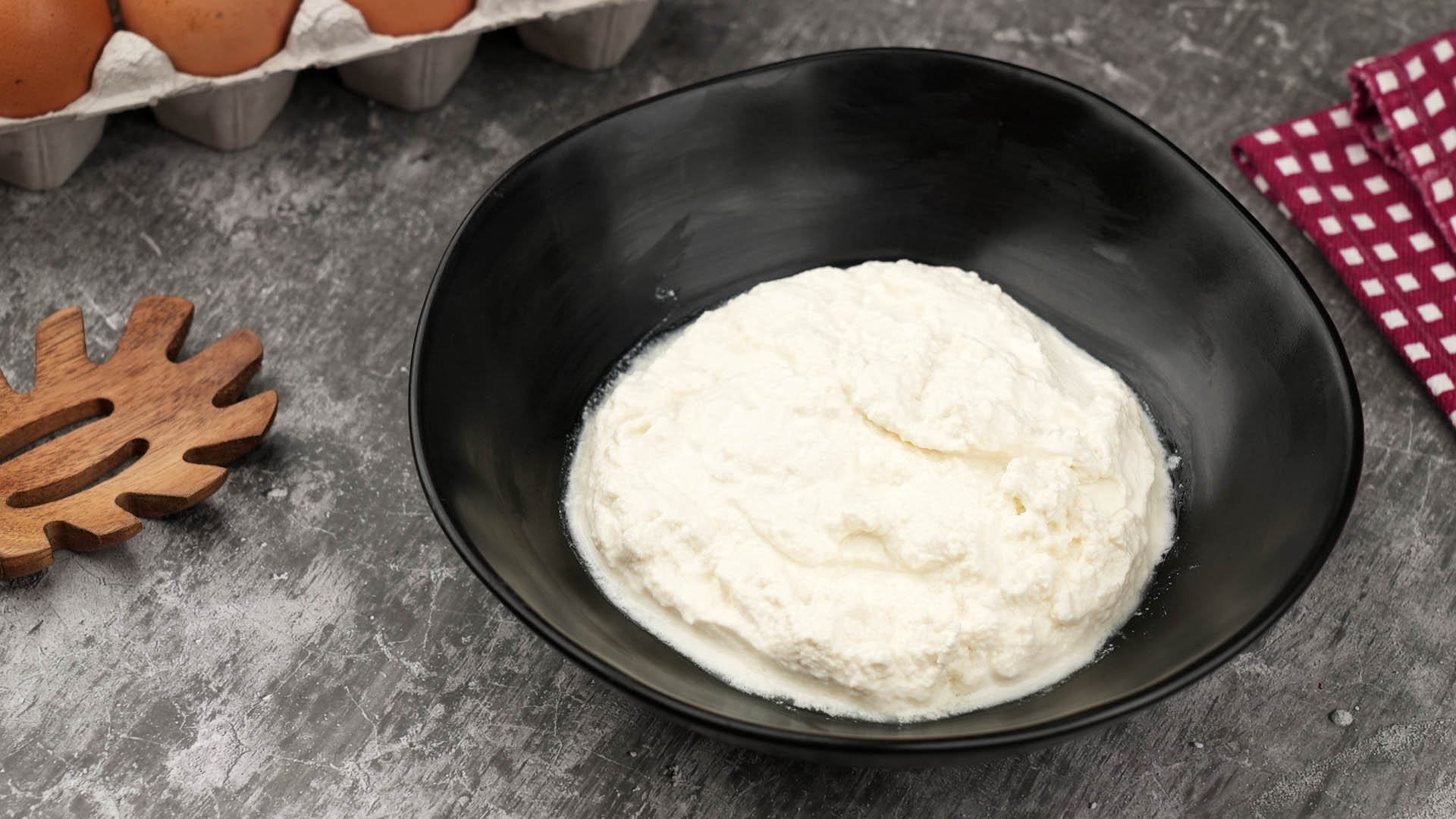
Ricotta has a weird superpower: it can be fancy enough for a dinner party (hello, lasagna) and casual enough to be
eaten straight from the spoon while you “clean the kitchen.” (Sure, that’s what we’ll call it.) The best part?
Homemade ricotta is shockingly easylike “I should’ve been doing this all along” easy.
This guide gives you four simple, reliable ways to make ricotta at homeeach with clear steps,
smart shortcuts, and a few “please don’t do that” tips to keep your curds fluffy and your pride intact.
You’ll also get troubleshooting help, storage tips, and practical ideas for using your fresh ricotta in real food,
not just Instagram food.
Ricotta in Plain English
Ricotta vs. “ricotta-style” (a quick, honest reality check)
Traditional Italian ricotta is made from whey (the liquid left after making certain cheeses)the name
roughly means “recooked.” At home, most of us don’t have a steady whey supply just hanging out in the fridge like a
science project with dreams. So most “homemade ricotta” recipes in the U.S. are technically
fresh ricotta-style cheese made from milk (often with a little cream), salt, and an acid to create
curds. The result is creamy, delicate, and deliciousand, frankly, what most people actually want when they say
“ricotta.”
Quick Shopping List & Tools
Ingredients (the short list)
- Whole milk (avoid ultra-pasteurized/UHT if you can; it may not set well)
- Acid: fresh lemon juice, distilled white vinegar, or white wine vinegar
- Salt (kosher is easiest to control)
- Optional: heavy cream for a richer, silkier texture
- Optional: cultured buttermilk (for the buttermilk method)
Tools (nothing fancy, unless you want to feel fancy)
- Large heavy-bottomed pot
- Instant-read thermometer (strongly recommended, but not mandatory)
- Fine-mesh strainer
- Cheesecloth (or a clean, lint-free kitchen towel / nut milk bag)
- Slotted spoon
- Bowl to catch the whey
4 Easy Ways to Make Ricotta Cheese
Each method below makes fresh ricotta with slightly different flavor and texture. Pick one based on what you have,
how hands-on you want to be, and whether you’re okay with your kitchen smelling like “pleasant dairy science.”
Method 1: Classic Stovetop Lemon Ricotta (bright, fresh, weeknight-friendly)
This is the “I have lemons and confidence” method. Lemon juice brings a gentle citrus note that works beautifully
in both sweet and savory dishes.
Best for
- Ricotta toast, pancakes, cannoli filling, lasagna, stuffed shells
- People who like a hint of brightness
Basic ratio (flexible, not fussy)
- 8 cups whole milk
- 1/3 cup fresh lemon juice (start with less if you prefer a milder tang)
- 1 to 1 1/2 teaspoons kosher salt
- Optional: 1/2 to 1 cup heavy cream for extra richness
Steps
-
Prep your strainer. Line a fine-mesh strainer with cheesecloth and set it over a large bowl.
(You’re building a tiny ricotta spa.) -
Heat the dairy. Pour milk (and cream, if using) into a pot. Add salt. Heat over medium,
stirring occasionally, until it reaches 185–195°F. Don’t boil it. Boiling leads to tougher curds
and regret. -
Acid time. Remove from heat. Slowly stir in lemon juice with 2–3 gentle strokes, then stop.
The milk should separate into curds and whey. - Let it sit. Rest for 10 minutes. This is where the curds finish forming.
-
Strain. Use a slotted spoon to lift curds into the lined strainer. Pour the remaining whey
through carefully. -
Drain to your preferred texture. Drain 5 minutes for soft and spoonable,
15–25 minutes for thicker, spreadable ricotta.
Texture tip
If you want ricotta that’s dreamy in baked pasta, drain it a bit longer. If you want ricotta that melts into
scrambled eggs like a dairy hug, drain less.
Method 2: Stovetop Vinegar Ricotta (clean flavor, no lemon vibe)
Vinegar is the low-drama option: it coagulates reliably and keeps the flavor more neutral than lemon. Choose
distilled white vinegar for the cleanest taste, or white wine vinegar for a slightly
rounder, gentler tang.
Best for
- Savory dishes where you don’t want lemon notes (pesto pasta, savory bakes, dips)
- When your lemons are… not looking their best
Basic ratio
- 1 quart (4 cups) whole milk + 2 cups heavy cream (optional but luxurious)
- 2 to 3 tablespoons vinegar
- 1 teaspoon kosher salt
Steps
- Line a strainer with cheesecloth over a bowl.
- Heat milk (and cream, if using) with salt to 185–195°F, stirring occasionally to prevent scorching.
- Remove from heat. Stir in vinegar gently (a few slow stirs, not a whisking frenzy).
- Rest 5–10 minutes until curds clearly separate.
-
Strain and drain until you like the texture:
5–10 minutes soft; 15–25 minutes thicker.
Flavor tip
If you’re sensitive to vinegar tang, start with less, let the curds form, and only add a little more if the whey
stays cloudy and the curds look small or sparse.
Method 3: Buttermilk Ricotta (extra creamy, lightly tangy, “cultured” in the best way)
Buttermilk ricotta uses cultured buttermilk as the coagulant. The flavor tends to be smoother and
pleasantly tangyless “acid punch,” more “soft jazz.”
Best for
- Ricotta desserts, cheesecakes, blintzes, creamy spreads
- Anyone who wants a gentle tang and a rich texture
Basic ratio
- 4 cups whole milk (or scale up)
- 2 to 2 1/2 cups cultured buttermilk
- 1 to 2 teaspoons kosher salt
- Optional: a splash of cream for extra silkiness
Steps
- Line a strainer with cheesecloth over a bowl.
-
Combine milk, buttermilk, and salt in a pot. Heat slowly over medium-low to
190–200°F (just below a boil). Stir occasionally and gently. -
As it approaches temperature, you’ll see curds forming. Once separated, turn off heat.
Let it rest 10 minutes. - Strain and drain to desired thickness (same drain times as above).
Why this one feels “extra”
The cultured buttermilk tends to produce a creamy curd with a mellow tanggreat when ricotta is the star, not just a
background character in lasagna.
Method 4: Instant Pot Ricotta (hands-off heat, fewer “oops I scorched it” moments)
If you love ricotta but hate babysitting a pot, the Instant Pot method is a gift. Many models can heat milk gently
using the Yogurt function, reducing scorching risk and freeing you up to do important thingslike deciding what to
put ricotta on first.
Best for
- Busy kitchens
- Anyone who wants consistent heating without hovering
- Batch-making ricotta for meal prep
Basic ratio
- 1/2 gallon whole milk (or scale up if your model allows)
- 1 to 1 1/2 teaspoons kosher salt
- 1/4 to 1/3 cup lemon juice or vinegar
Steps
- Pour milk into the Instant Pot insert. Add salt.
-
Use Yogurt > Boil (or follow your model’s equivalent) to heat the milk.
If you don’t have Yogurt mode, use Sauté on a lower setting and stir occasionally. -
Check the temperature: aim for about 190°F. If it’s under, heat a bit more; if it’s over,
let it cool slightly. - Turn off heat. Add lemon juice or vinegar with a few gentle stirs. Let it sit 5–10 minutes.
- Strain in a cheesecloth-lined sieve. Drain to your preferred texture.
Instant Pot pro tip
Don’t stress about pressurethis isn’t pressure cooking. You’re using the machine as a smart, steady milk-warmer.
(The Instant Pot: also a part-time dairy assistant.)
Troubleshooting (Because Milk Has Opinions)
“It didn’t curdle. I’m offended.”
-
Check your milk. Ultra-pasteurized/UHT milk can resist curdling.
Try a different brand next time. -
Not hot enough. Ricotta needs the milk in the 185–195°F zone (or slightly higher
for some buttermilk methods). Warm it back up and try again. - Not enough acid. Add a teaspoon more acid at a time, stirring gently, and wait 1–2 minutes.
“My curds are tiny and sad.”
-
You stirred too much. After adding acid, stir briefly and stop. Over-stirring breaks curds into
confetti. - Heat was too aggressive. A hard boil can make the proteins seize and fragment.
“It’s grainy.”
- Too hot / boiled. Aim for hot-but-not-boiling. Think “steamy spa,” not “geyser.”
-
Over-drained. Ricotta turns crumbly if drained too long. Stir in a spoonful of reserved whey or
a splash of cream to soften.
“It’s too wet.”
- Drain longer, and use a fine enough cloth. If your cheesecloth weave is too open, curds can slip through.
How to Store It Safely (So Your Ricotta Doesn’t Turn Into a Science Fair)
- Cool quickly and refrigerate promptly (don’t leave it sitting out for hours).
-
Store in an airtight container in the fridge at 40°F or below.
A fridge thermometer is surprisingly helpful for anything dairy-heavy. - For best flavor and texture, eat within 3–5 days. Fresh ricotta is at its peak early.
-
Freezing is possible, but texture can get crumbly after thawing. If you freeze it, use it later in cooked dishes
(lasagna, baked ziti, pancakes), not in “fresh and fluffy” applications.
What to Make With Homemade Ricotta
If your brain just said, “I made ricotta… now what?” congratulations: you have the best kind of problem.
- Ricotta toast with olive oil, flaky salt, pepper, and roasted tomatoes
- Lasagna or stuffed shells (mix ricotta with herbs, Parmesan, and an egg)
- Lemon ricotta pancakes for weekend glory
- Ricotta gnocchi when you want pillowy comfort with a fancy reputation
- Whipped ricotta dip with honey and chili flakes (sweet heat = happiness)
- Cannoli-style filling with citrus zest and chocolate chips
Frequently Asked Questions
Can I use low-fat milk?
You can, but the texture will be less creamy and the yield may drop. Whole milk gives the most satisfying ricotta:
tender curds, richer mouthfeel, and fewer “why is this so dry?” moments.
Do I really need a thermometer?
Not strictly, but it makes success repeatable. If you go by sight: you want lots of steam and tiny bubbles around
the edges, not a rolling boil. A thermometer turns guesswork into “nailed it.”
What can I do with leftover whey?
Don’t toss it! Whey can be used in smoothies, bread dough, pancakes, soups, or cooking grains. It adds a gentle
tang and some protein. (Also: it makes you feel thrifty and unstoppable.)
of Real-Life Ricotta Experiences (The Stuff That Actually Happens)
Here’s what making ricotta tends to feel like in a real kitchenwhere the sink is mysteriously full, you’re using
a “clean” towel that might be one questionable sniff away from not being clean, and someone is asking, “What’s for
dinner?” while you’re literally milking the laws of chemistry for curds.
First, you’ll learn that milk has a personality. Some brands curdle like they’ve been waiting their whole life for
lemon juice to show up. Others act unimpressed, like, “Acid? Temperature? I’ve heard of them.” If your first batch
doesn’t separate dramatically, don’t panic. The fix is usually simple: get the milk hotter (but not boiling), add a
little more acid, and then stop stirring like you’re trying to summon weather.
You’ll also discover that draining time is basically a texture dial. Five minutes gives you cloud-soft ricotta that
spreads like a dream and melts into warm pasta. Fifteen minutes gets you a thicker ricotta that behaves beautifully
in lasagna without turning into soup. Twenty-five minutes makes it sturdy enough for dollops on pizza or mixing into
fillings where you want structure. The “right” time depends on the jobso it helps to decide what you’re making
before you start draining, not after you’ve accidentally created ricotta cement.
There’s a classic first-timer moment where you taste the curds and think, “Wait… THAT’S ricotta?” Store-bought
ricotta can be a little grainy or flat, but homemade often tastes cleaner, sweeter, and more “milk-forward.” It’s
also why people start doing totally reasonable things like putting ricotta on toast at breakfast, then again at
lunch, and then claiming it’s meal prep when it’s really just ricotta enthusiasm.
Another real-world lesson: your choice of acid shows up in the final flavor more than you’d expect. Lemon juice can
add a gentle brightness that’s amazing in pancakes, cheesecake, or anything with herbs. White vinegar stays more
neutral, which is perfect for savory dishes where you want the ricotta to taste like pure dairy comfort, not citrus.
Buttermilk gives a softer tang and a creamy, cultured vibe that can make your ricotta feel like it graduated from a
fancy cheese school.
And finallyyesthere will be a moment where you stand over the bowl of whey thinking, “This looks like something I
shouldn’t touch,” but then you’ll realize it’s culinary gold. Use it in bread, soups, or grains, and suddenly your
homemade ricotta turns into a whole “no waste” glow-up. Not bad for a cheese that takes less time than choosing a
streaming show.
Conclusion
Homemade ricotta is one of those kitchen wins that feels way more impressive than it is. Whether you choose lemon
for brightness, vinegar for neutrality, buttermilk for cultured creaminess, or the Instant Pot for low-effort
consistency, the fundamentals are the same: gentle heat, a little acid, and a short drain time tuned to how you plan
to use it. Make it once, and you’ll start side-eyeing the grocery store tub like, “We had a good run, but I’ve
evolved.”