Eating disorders in men can hide in plain sightsometimes behind “clean eating,” “cut season,” a new workout plan, or
a guy who insists he’s just “being disciplined.” The problem is that discipline and distress can look weirdly similar
from the outside, especially in a culture that cheers on more grind and calls it self-improvement.
Here’s the truth: eating disorders affect people of all genders, ages, body sizes, and backgrounds. And men are
often underdiagnosednot because they’re immune, but because symptoms can show up differently (or get waved away as
“fitness goals”). If you’re worried about yourself, a friend, a partner, a brother, a teammate, or a coworker,
the goal isn’t to play detective. It’s to notice patterns, name concern, and help someone get support earlierwhen
recovery is more reachable.
This guide breaks down four practical ways to spot possible eating disorders in men, with clear,
real-life examples. Consider these clues, not a checklist. Someone might show only a few signs,
and the seriousness doesn’t depend on weight or appearance.
First, a quick reset: What counts as an eating disorder?
Eating disorders are medical and mental health conditions that involve persistent disturbances in eating behaviors,
thoughts, or emotions around food, weight, and body shape. Common diagnoses include anorexia nervosa, bulimia nervosa,
binge-eating disorder, avoidant/restrictive food intake disorder (ARFID), and other specified feeding or eating
disorders (often called OSFED). In everyday life, they can show up as restriction, bingeing, purging, compulsive
exercise, rigid food rules, or intense distress about body image.
In men, eating disorder behaviors are sometimes tied to muscularity goals rather than thinness:
“lean bulk,” “shredded,” “no carbs,” “cut water,” “making weight,” “macro perfection,” or training through injury.
Those goals aren’t automatically disorderedbut when they become obsessive, secretive, or harmful, it’s time to pay
attention.
Important note
A man can have an eating disorder and still look “fit,” “normal,” or even “bigger.” Physical appearance doesn’t
reliably reveal medical risk. Some of the most dangerous complications happen in bodies that don’t match stereotypes.
1) His relationship with food turns into rules, rituals, and fear
One of the clearest early signals is a shift from “preferences” (likes/dislikes) to rigid rules that
feel non-negotiableand intense anxiety, guilt, or irritability when those rules are challenged.
What this can look like
-
Sudden restriction (skipping meals, shrinking portions, “I already ate,” or “I’m just not hungry”)
that becomes frequent. - All-or-nothing food labels (“clean” vs. “trash,” “earned” vs. “bad,” “safe” vs. “off-limits”).
-
Rituals around eatingcutting food into tiny pieces, eating the same exact meals daily, refusing
foods unless prepared in a specific way, or using measuring tools for nearly everything. -
Obsessive tracking of calories, macros, weigh-ins, or body measurementsespecially if a missed log
ruins his mood. -
Sudden interest in “volume eating” (huge bowls of low-calorie foods), “diet hacks,” or appetite
suppressants. -
Social avoidance because food is involved: turning down dinners, parties, dates, or holidays with
lots of food.
Red flags that the “health kick” isn’t healthy
Plenty of people meal prep. Plenty of people avoid certain foods. The difference is the emotional cost. Watch for
fear, shame, and loss of flexibility:
- He panics if meals aren’t “perfect.”
- He’s unusually irritable or anxious around food decisions.
- He can’t eat without checking a label, scale, or app first.
- He talks about “being good” or “being disgusting” based on what he ate.
Specific examples
Example A: A guy starts declining lunch at work because “I’m cutting,” then later admits he’s only
eating two foods that feel “safe.” If anyone suggests grabbing a sandwich, he gets edgy, defensive, or shuts down.
Example B: He “cleans up his diet,” but it quickly becomes a shrinking list: no restaurants,
no family meals, no spontaneous snacks. The goal stops being nutrition and starts being control.
2) Exercise, “bulking/cutting,” or body goals become compulsive and non-negotiable
For many men, disordered eating is tied tightly to training. Exercise can be joyful and protective for mental health
until it becomes punishment, panic management, or a requirement to “earn” food.
In men, clinicians also see patterns related to a drive for leanness and muscularity, where a person may feel “never
big enough” or “never lean enough,” no matter what the mirror says.
What this can look like
- Exercise is no longer optional: he trains even when sick, injured, exhausted, or advised to rest.
- Rest days trigger guilt, anxiety, or compensatory behaviors (extra cardio, extra restriction).
- Food becomes “fuel math” with rigid compensation: “I ate fries, so I have to run five miles.”
-
Body checking: constant mirror checks, pinching fat, repeated photos, frequent weigh-ins, or
obsessive measuring of waist/arms/chest. -
Extreme “cutting” behaviors before events: dehydration tactics, excessive caffeine, or other risky
methods to look leaner fast. -
Performance and physique talk dominates his day: he can’t enjoy anything without turning it into a
body project.
When “fitness culture” becomes a cover
Some eating disorder behaviors can look socially acceptableespecially in sports, bodybuilding, wrestling, endurance
training, or jobs with strict weight/appearance standards. Warning signs include:
- He trains through injuries and hides pain so he won’t be told to stop.
- He becomes distressed when routines change (travel, weather, schedule shifts).
- He avoids events because they might interfere with training or eating rules.
- His self-worth rises and falls with the scale, mirror, or gym numbers.
Specific examples
Example A: He starts doing double workouts after eating “too much,” even if he’s already sore or
sleep-deprived. If you suggest rest, he insists, “I have to,” like it’s not a choice.
Example B: He’s constantly chasing the next physique milestoneleaner, bigger, more definedbut he
never seems satisfied. Compliments don’t land; they bounce off.
3) His body and health start showing stress signals (even if he looks “fine”)
Eating disorders affect the whole bodyheart, digestion, hormones, sleep, mood, concentration. But because men may
not fit the “too thin” stereotype, physical warning signs can be missed or misattributed to work stress, intense
training, or “getting older.”
Physical signs to watch for
- Noticeable weight changes (up or down), or constant fluctuations tied to binge/restrict cycles.
- Persistent fatigue, dizziness, fainting, or feeling cold all the time.
- Gastrointestinal issues (constipation, reflux, stomach pain, bloating) that become frequent.
- Sleep disruptioninsomnia, waking early, or poor recovery.
- Injuries that don’t heal, frequent strains, or “mysterious” performance drops.
-
Signs of purging can include dental problems, swollen jaw/cheek area, sore throat, or frequent
bathroom trips right after meals. -
Hormone-related shifts: lowered libido, mood flattening, or other changes that can happen when the
body is underfed or overtrained.
Mental and emotional signs often show up alongside physical ones
- Increased anxiety or irritability, especially around meals or schedule changes.
- Depressed mood, shame, or self-criticism that seems to revolve around body or food.
- Brain fog: trouble concentrating, forgetfulness, or a narrowed focus on eating/exercising.
Specific examples
Example A: He’s always tired and increasingly moody, but insists it’s just “work.” Meanwhile, he’s
skipping breakfast, restricting carbs, and training hard. His body is sending an SOS, but the routine is louder.
Example B: He complains about stomach issues and starts eliminating more and more foods without
medical guidance, not because of clear allergies, but because restriction feels safer than uncertainty.
4) His life gets smaller: secrecy, shame, and social withdrawal increase
Eating disorders thrive in isolation. A major sign is when food, body, and control start to reshape a man’s world:
relationships, hobbies, and joy get crowded out by rules and rituals. This “life shrink” can happen whether the main
pattern is restriction, bingeing, purging, or compulsive exercise.
Social and behavioral clues
- He eats alone frequently or avoids shared meals.
- He becomes secretive about food, exercise, or body changes.
- He disappears after meals (bathroom trips, sudden errands), or seems distressed when he can’t.
- He lies or minimizes: “I already ate,” “I’m fine,” “It’s not a big deal,” even when it is.
-
He hoards food, hides wrappers, or you notice large amounts of food missing with no clear
explanationpossible binge episodes. - He avoids intimacy or becomes unusually self-conscious about his body.
Why men often hide it
Many men have been taught that having an eating disorder is “not a guy thing,” or that struggling with body image is
embarrassing. Add fear of judgment, misconceptions in healthcare, and a culture that frames disordered habits as
“dedication,” and it becomes easier to hide than to ask for help.
Specific examples
Example A: He stops going to family dinners because he can’t control the menu. When asked, he claims
he’s “busy,” but he’s at home weighing chicken and scrolling fitness content for hours.
Example B: He eats very little around others, then later you find evidence of secret overeating. He
feels ashamed and tries to “fix it” by restricting harder, creating a painful binge–restrict loop.
What to do if you’re worried about a man in your life
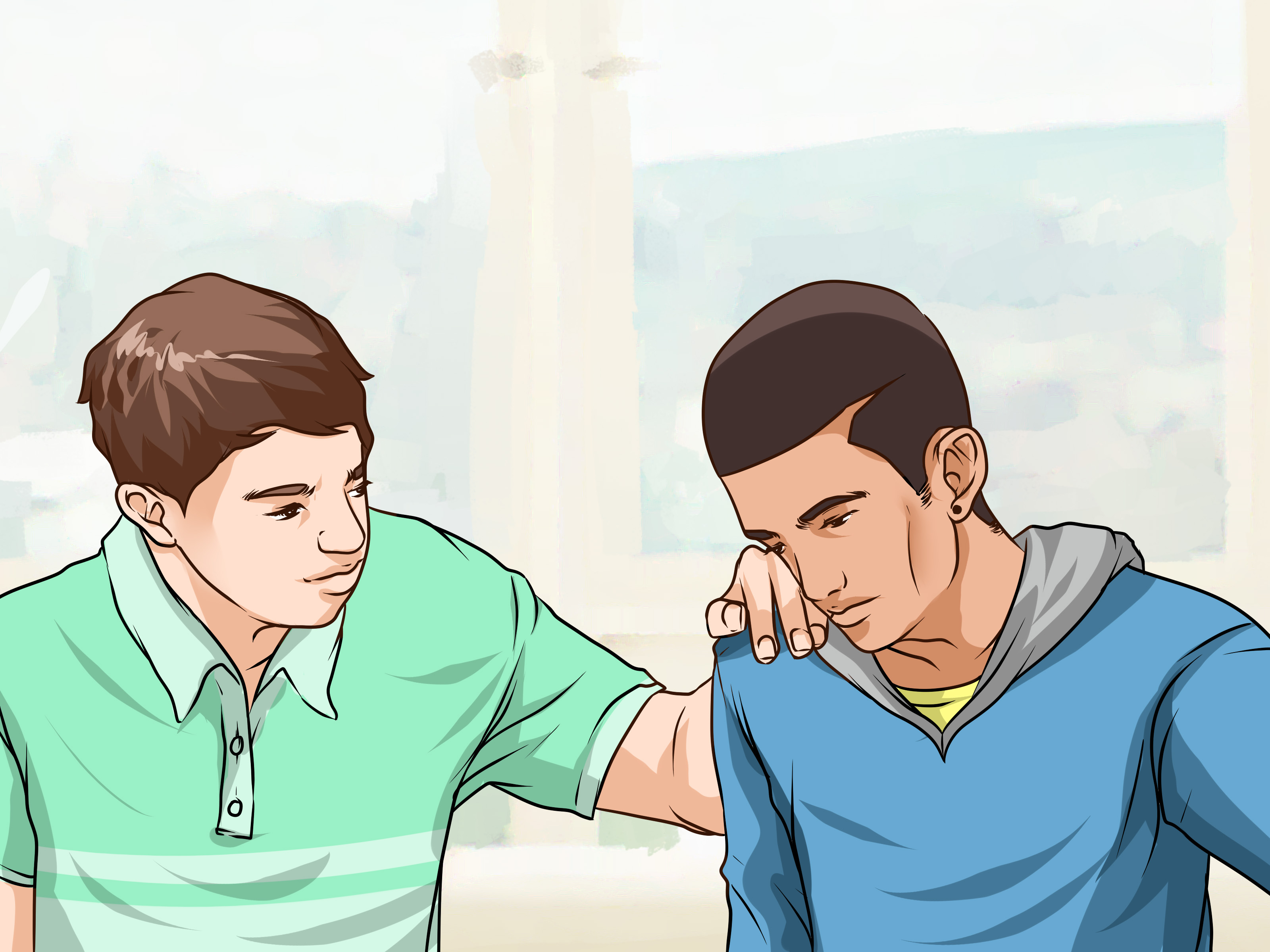
You don’t need a diagnosis to start a supportive conversation. What helps most is
specific observations, nonjudgmental language, and an offer to help with next steps.
Avoid comments about appearance (“You look too thin” / “You look healthy now”) because eating disorders are not
reliably visibleand appearance talk can backfire.
Try this approach
- Start with what you’ve noticed: “I’ve seen you skipping meals a lot and getting really stressed about food.”
- Name the impact: “It seems like you’re exhausted and not enjoying things you used to.”
- Express care, not control: “I’m not judging you. I’m worried because I care about you.”
- Offer a concrete next step: “Would you be open to talking with a doctor or therapist? I can help you find someone.”
What to avoid
- Power struggles about food (“Just eat a burger already”).
- Shaming, teasing, or “tough love.”
- Making it about willpower.
- Assuming it’s only about looksoften it’s about coping, anxiety, trauma, perfectionism, or control.
If there’s immediate danger
If someone has chest pain, fainting, confusion, severe dehydration, vomiting blood, suicidal thoughts, or other signs
of a medical or mental health emergency, treat it as urgent. In the U.S., you can call or text 988
for crisis support, or call emergency services if there’s imminent danger.
Why early spotting matters (and why it’s worth the awkward conversation)
Eating disorders can become medically serious and emotionally consuming. But they’re also treatable, and recovery is
real. Early interventionbefore patterns harden into identityoften improves outcomes. If you’re reading this and
thinking, “This sounds like someone I know,” trust that instinct. Concern, delivered with respect, can be a turning
point.
And if the person you’re worried about is you: you don’t need to wait until you “deserve help.”
Struggling is enough. Getting support is not weaknessit’s strategy.
Experiences: What spotting eating disorders in men can feel like (real-world snapshots)
The hardest part about spotting eating disorders in men is that the behaviors often blend into everyday life. Here
are a few composite, anonymized snapshotsbased on common themes clinicians and advocates describeto show how it can
unfold in real conversations. If any of these feel familiar, take them as a gentle nudge to look closer, not a label.
Snapshot 1: “It started as a cut… and then it became the whole personality.”
A friend decides to “lean out” before a vacation. At first it’s simple: fewer snacks, more protein, more steps.
Everyone cheers because it looks like motivation. But the cut doesn’t end. He stops joining group dinners because
“restaurants don’t track macros.” He brings his own container to a birthday party and looks miserable the entire
time. If someone offers cake, he laughs it offthen later you overhear him calling himself “disgusting” for even
thinking about it. What’s most noticeable isn’t the diet itself; it’s the anxiety and the shrinking life around it.
Snapshot 2: “The gym stopped being self-care and turned into a rule.”
A guy you know has always worked out. Then you notice he can’t skip, even when he’s clearly run down. He trains
through illness, through injuries, through days when he can barely keep his eyes open. When plans come upmovie night,
a road trip, a family mealhe doesn’t ask, “Will I enjoy this?” He asks, “Will this mess up my training?”
If the schedule changes, he gets snappy or withdrawn. It’s as if exercise isn’t something he does anymore; it’s
something that does him.
Snapshot 3: “He’s ‘fine’ in public, but you can see the shame in the cracks.”
At lunch, he eats lightly and makes jokes about being “good.” Later, you notice he disappears after meals, often
heading straight to the bathroom. Sometimes you hear water running, like he’s trying to cover noises. Other times,
he comes back with a forced smile and says he “just had to take a call.” You don’t have proofand that’s the point.
Eating disorders don’t always leave receipts. What they do leave is a pattern: secrecy, urgency, and relief that
feels too intense for the situation.
Snapshot 4: “Bingeing isn’t always obviousuntil it’s everywhere.”
A partner starts complaining about feeling out of control at night. He insists it’s “just stress,” but you notice
food disappearing in odd waysentire boxes gone, wrappers hidden deep in the trash, late-night delivery charges.
The next morning he vows to “be strict” and skips breakfast, then pushes through the day on coffee and willpower.
By evening, he’s ravenous and ashamed, and the cycle repeats. When you gently suggest talking to someone, he says,
“It’s not an eating disorder. I’m just weak.” That beliefturning a health issue into a character flawkeeps many men
trapped longer than they need to be.
What these experiences have in common
The thread is not a specific food, a specific weight, or a specific workout routine. It’s distress,
rigidity, and life getting smaller. Spotting an eating disorder in a man often means
noticing when “health” starts to look like fear, when “discipline” starts to look like compulsion, and when “fine”
starts to sound like a script.
If you’re unsure what you’re seeing, a safe next step is encouraging a check-in with a healthcare professional who
understands eating disorders. You’re not accusing; you’re advocating. And in a world that tells men to tough it out,
advocacy can be lifesaving.
Conclusion
Spotting eating disorders in men is less about catching a single dramatic sign and more about noticing patterns:
rigid food rules, compulsive exercise, physical and mood changes, and growing secrecy or isolation. Because men are
often overlooked, paying attentionwithout judgmentmatters. If you’re worried about someone, start a respectful
conversation and offer help with next steps. Eating disorders are serious, but recovery is possible, and support
works best when it starts early.