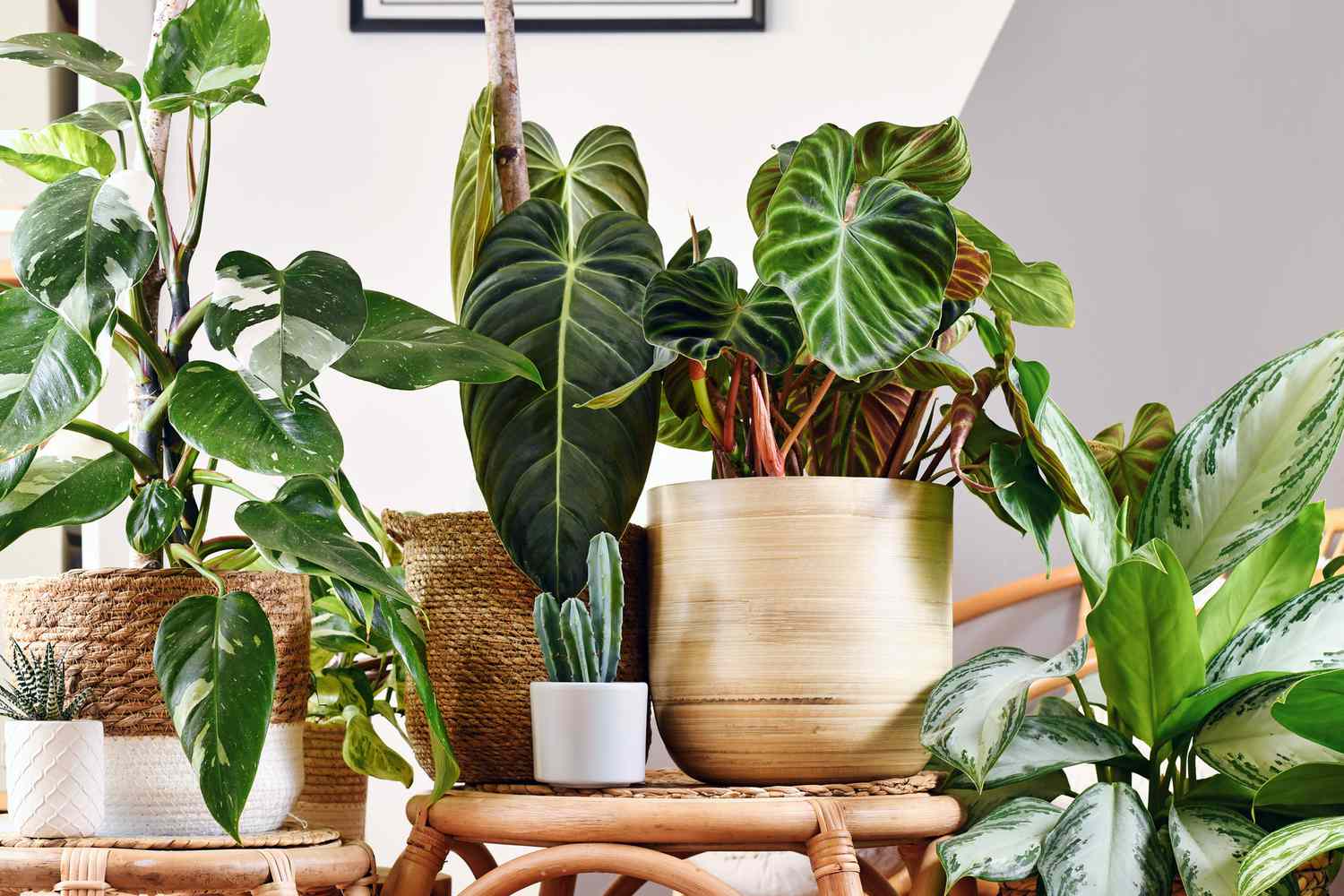
Some people wear lucky socks. Others knock on wood. Plant people? We buy a leafy roommate and call it “manifesting.”
Whether you’re into feng shui, cultural symbolism, or you just like the idea that your decor is rooting for you,
there are a handful of houseplants that show up again and again as “good luck plants.”
Important reality check (delivered gently, like a misting bottle): no plant can guarantee a promotion, erase your student loans,
or make your ex text back “I was wrong.” But these plants can make a space feel more welcoming, cared-for, and calmand that’s
the kind of “luck” you can actually build a life on.
What “Good Luck Plants” Really Mean
When people say a plant “brings luck,” they’re usually talking about tradition and symbolismnot magic.
In many cultures (and especially in feng shui), plants represent growth, vitality, and steady upward momentum.
A living thing that keeps pushing out new leaves is basically a motivational poster… with roots.
These beliefs also have a practical side: when you care for a plant, you’re practicing consistency.
You notice light, water, seasons, and small changes. That kind of attention can spill into other parts of life
(finances, routines, relationships, and yesyour ability to keep track of where you left your keys).
So if you love the idea of a plant as a good-luck charm, go for it. Just let the “luck” be a combo of:
(1) a symbol you enjoy, (2) a calming environment, and (3) habits that quietly set you up for better outcomes.
That’s not mystical. That’s just smart.
1) Money Tree (Pachira aquatica)
Why it’s considered lucky
The money tree is the celebrity of “prosperity plants.” Its braided trunk and glossy leaf clusters look like
they’re dressed for a job interviewso it’s no surprise it’s commonly gifted for new jobs, graduations,
housewarmings, and other “new chapter” moments.
Symbolically, it’s linked to wealth and good fortune, especially in feng shui-inspired home styling.
The name does a lot of the marketing work here, but the plant’s overall vibe also helps:
sturdy trunk, upward growth, and leaves that feel abundant rather than sparse.
Care basics (how to keep your “money” from getting crispy)
- Light: Bright, indirect light is ideal. Too much direct sun can scorch leaves.
- Water: Let the top inch or two of soil dry, then water thoroughly and let excess drain.
- Humidity: Likes a little extra humidity, especially in dry indoor air.
- Soil: Well-draining potting mix. A pot with drainage holes is non-negotiable.
Placement tips that make sense (even if you don’t feng shui)
Put your money tree where it can see the skybut not get sunburned. Think near a bright window with a sheer curtain,
or a few feet back from strong direct light. If you like feng shui ideas, many people place it in a workspace or
living area as a “prosperity” symbol. If you like reality, place it where you’ll remember to water it.
Common issues (a.k.a. what your plant is trying to tell you)
- Yellowing leaves: Often overwatering or inconsistent watering. Check drainage and soil moisture.
- Leaf drop: Can happen with stresssudden temperature changes, drafts, or moving it to a new spot.
- Leggy growth: Usually not enough light. Rotate the pot for even growth.
2) Jade Plant (Crassula ovata)
Why it’s considered lucky
The jade plant is often called a “friendship” plant or “money” plant, and its thick, coin-like leaves are a big part
of why it’s associated with prosperity. In feng shui conversations, it shows up as a symbol of fortune, steady growth,
and resilience (which, honestly, is a better goal than “instant riches” anyway).
It’s also one of those plants that looks quietly expensive without actually demanding a luxury lifestyle.
It’s giving: “I have my life together,” even if you’re eating cereal for dinner.
Care basics (succulent rules apply)
- Light: Bright light is your best friend. Many jade plants can handle a bit of direct sun.
- Water: Water deeply, then let soil dry out completely before watering again.
- Soil: Cactus/succulent mix or a very fast-draining potting blend.
- Pruning: Optional, but pruning can help shape it and encourage bushier growth.
A practical “good luck” habit jade encourages
Jade plants reward patience. They don’t want daily fussing; they want consistent care and time.
If you’re the type who tries to fix everything immediately, a jade plant gently trains you to pause, observe,
and respond thoughtfully. That’s not just plant carethat’s life.
Safety note for pet owners
Jade plants are considered toxic to cats and dogs if chewed or eaten. If your pets are curious snackers,
place jade out of reach or choose a different plant from this list.
3) Lucky Bamboo (Dracaena sanderiana)
Why it’s considered lucky
Lucky bamboo is famous as a housewarming gift and a feng shui classic. It’s often associated with harmony, success,
and good fortune. You’ll also see it arranged in different numbers of stalks, with meanings assigned to each
arrangement (a little like plant-based numerology, but make it decorative).
Bonus fun fact: it’s not actually bamboo. It’s a Dracaenawhich means you can feel smug at parties
(or at least in group chats).
Care basics (water-grown or soil-grown)
- Light: Bright, indirect light. Direct sun can scorch leaves.
- Water-grown: Use clean water; change it regularly. Keep roots covered but don’t drown the stalks.
- Soil-grown: Keep soil lightly moist but not soggy; good drainage still matters.
- Fertilizer: Very light feedingtoo much can cause problems.
How to make it look good for a long time
If you’re growing lucky bamboo in a vase, add pebbles for support and keep it stable (wobbly stalks are not the vibe).
Trim yellow leaves, wipe dust off the foliage, and rotate the container occasionally so it doesn’t start leaning like
it’s trying to exit a boring conversation.
Safety note for pet owners
As a Dracaena, lucky bamboo is considered toxic to cats and dogs if ingested. If you have pets,
keep it out of reach (high shelf, hanging area, or a room pets don’t access).
4) Chinese Money Plant (Pilea peperomioides)
Why it’s considered lucky
If your plant has round leaves that look like little green coins, it’s basically begging to be a prosperity symbol.
The Chinese money plant (also called the coin plant) is associated with wealth and good fortune largely because of
that coin-shaped foliage. In modern homes, it’s also loved for looking stylish without trying too hard
like the friend who rolls out of bed looking effortlessly put together.
Another reason it feels “lucky”: pilea often produces baby plants (“pups”) that you can share.
A plant that literally multiplies and spreads around your social circle? That’s abundance with a guest list.
Care basics (how to avoid the “sad pancake” look)
- Light: Bright, indirect light. Too much direct sun can scorch leaves.
- Water: Water when the top inch of soil dries out; don’t let it sit soggy.
- Soil: Well-draining potting mix; drainage holes are key.
- Rotate: Turn the pot every week or two to keep it growing evenly.
Pro tip: pilea is honest about your lighting
If it starts leaning dramatically toward a window, it’s not being clingyit’s being accurate.
Give it brighter indirect light and rotate it. When pilea is happy, its leaves face outward evenly like a
neat little green firework.
5) Peace Lily (Spathiphyllum)
Why it’s considered lucky
The peace lily shows up in “good luck plant” lists because it’s associated with peace, harmony, and prosperity.
Its white blooms read as clean, calming, and hopefullike your home is quietly saying, “We’re doing our best in here.”
It’s also a popular gift plant for supportive moments (new home, new job, condolences, or “I brought you something
alive that isn’t a responsibility nightmare”). Sometimes “good luck” is simply feeling steadier, and peace lilies
are great at creating that softer atmosphere.
Care basics (peace lily is dramatic, but lovable)
- Light: Bright, indirect light is best, but it can tolerate lower light.
- Water: Keep soil lightly moist. Peace lilies often droop when thirstythen perk up after watering.
- Humidity: Appreciates moderate humidity; bathrooms with good light can work well.
- Maintenance: Wipe leaves so they can photosynthesize efficiently (and look glossy).
What the “droop” usually means
Peace lilies are famous for wilting like Victorian characters fainting onto a chaise lounge.
Don’t panic. Check the soil. If it’s dry, water, then let the pot drain. If the soil is soggy, the droop could be
overwatering or poor drainagetwo problems that feel similar but require opposite fixes.
Safety note for pet owners
Peace lilies are considered toxic to cats and dogs if chewed or eaten. If you have pets that nibble plants,
keep the peace lily out of reach or choose a pet-safe alternative.
How to Choose the Right “Lucky” Plant for Your Home
The luckiest plant is the one you can keep alive. Seriouslynothing feels less fortunate than watching a “prosperity”
plant slowly turn into a crunchy stick because it was doomed from day one by your lighting.
Match the plant to your space
- Lots of bright indirect light: Money tree, pilea, lucky bamboo, jade (jades may even enjoy more sun).
- Lower light areas: Peace lily can tolerate lower light better than most on this list (but blooms may be fewer).
- Forgetful watering style: Jade is your low-maintenance hero (water sparingly).
- Love water-grown setups: Lucky bamboo is the classic “vase plant.”
Consider pets and safety
Several popular “good luck” houseplants are not pet-friendly. If you have cats or dogs that chew leaves,
choose placement carefully or opt for a safer plant not on this specific list. When in doubt, look up the plant’s
safety status before bringing it home.
Choose the symbolism you actually like
If the idea of “money energy” makes you roll your eyes, don’t force it. You can still choose these plants because
they’re beautiful, calming, and giftable. The symbolism is optional. The drainage holes are not.
Care Cheat Sheet (Because Life Is Busy)
- Bright, indirect light is the universal sweet spot for most houseplants.
- Overwatering is the most common mistake. Soil should not stay swampy.
- Drainage holes are a basic requirement, not a luxury upgrade.
- Rotate your plant occasionally to prevent leaning and lopsided growth.
- Wipe leaves sometimesdust blocks light and slows growth.
- Watch the plant more than the calendar. Water schedules are guidelines, not law.
Experiences People Share With “Good Luck” Houseplants (And Why They Feel So Real)
Even when people don’t literally believe a plant controls fate, they often describe a “luck shift” after adding one
of these houseplants to their space. That sounds mystical… until you look at what actually changes.
First, there’s the environment effect. A money tree or peace lily instantly makes a room feel more finished.
It’s like putting a frame around your life. When your home looks cared for, you tend to feel more capablemore likely to
tackle small tasks you’ve been avoiding. People commonly report that once they have a plant to tend, they also start
doing other mini-upgrades: clearing a cluttered corner, cleaning a desk, opening curtains more often, or finally
setting up a dedicated “work zone.” Those changes can create real benefitsbetter focus, less stress, fewer distractions.
Next is the routine effect. A jade plant teaches you not to overdo it. Lucky bamboo asks for regular water refreshes.
Pilea likes rotation. Peace lily “talks” by drooping when thirsty. These tiny care cues pull people into a low-stakes, repeatable habit.
And when you successfully keep something aliveespecially if you used to think you had a “black thumb”that confidence can spill into
other parts of life. You start believing you can learn a system and stick to it. That’s not woo. That’s momentum.
There’s also the social effect, especially with Chinese money plants. Pilea pups are famously shareable,
and many plant owners talk about giving away “baby plants” to friends, coworkers, or neighbors. That kind of small gifting
creates connection. People visit, swap cuttings, trade care tips, and suddenly your home feels more lived-in and friendly.
If luck includes opportunities and support, then stronger social ties are a very practical version of “good fortune.”
People also describe a symbol effect. A money tree on a desk becomes a visual reminder to be intentional about money:
check your budget, set aside savings, follow up on an invoice, apply for that scholarship, or ask for the raise you’ve been rehearsing
in your head. The plant isn’t doing your financesbut it becomes a cue that nudges you toward the behaviors that do.
Finally, there’s the attention effect. Plants slow you down in a good way. You notice leaf color, new growth,
dry soil, or a leaning stem. That gentle attention can be grounding when everything else feels fast. A calmer nervous system can lead
to better decisions, more patience, and fewer impulse moves. Again: not magic. Just biology plus a bit of leafy therapy.
So when someone says, “This jade plant brought me luck,” you don’t have to argue with them. You can smile and translate it like this:
“This plant made my space nicer, my habits steadier, and my mood betterand that helped good things happen.” That’s a luck story worth
keeping, with or without mystical sparkles.
Wrap-Up
If you want a houseplant that’s said to bring good luck, you have five excellent options:
money tree, jade plant, lucky bamboo,
Chinese money plant, and peace lily.
Each has its own symbolismprosperity, harmony, growth, generosity, peaceand each can thrive indoors with the right
mix of light, watering habits, and basic care.
Treat the symbolism like seasoning: optional, personal, and best used with a light hand.
The real win is creating a home that feels alive and cared forbecause that’s where the good stuff tends to grow.