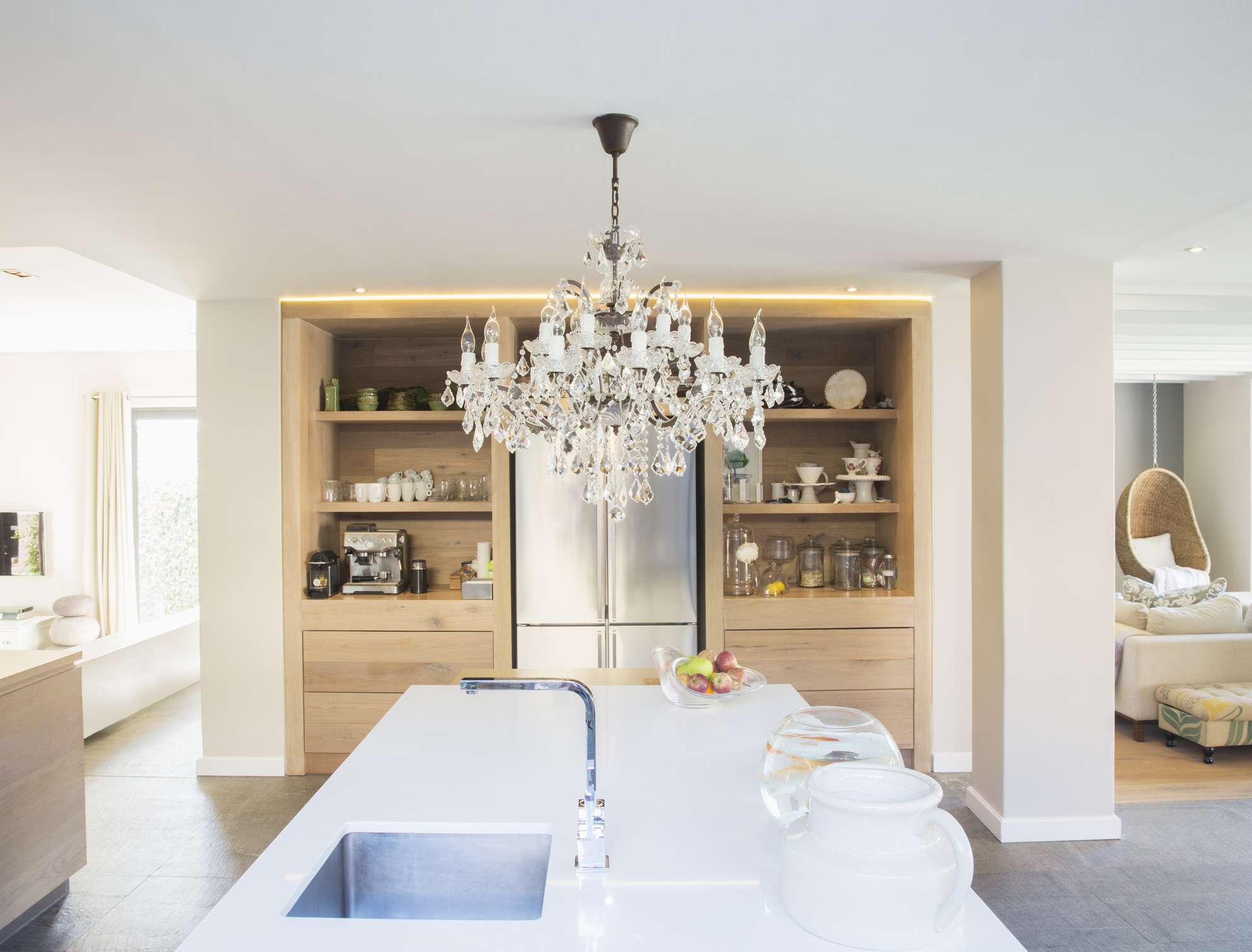
The modern kitchen remodel has officially become America’s favorite competitive sport. One neighbor gets a waterfall island,
another installs a pot filler, and suddenly you’re staring at your perfectly functional stove like it betrayed you personally.
But here’s the truth designers repeat (gently, like they’re talking a client down from a ledge): not every “luxury kitchen upgrade”
actually upgrades your life.
A high-end kitchen should feel better to cook in, easier to clean, and smarter to maintainnot just better in photos.
So let’s talk about the flashy features that often look like a million bucks and act like a thousand-dollar headache.
For each one, you’ll get the real-world downside, when it might make sense, and what to spend that budget on instead.
A quick “worth it” test before you swipe your card
Designers often use a simple filter when clients pitch a pricey add-on: frequency, friction, and failure.
How often will you use it? Does it reduce daily friction, or create new chores? And if it breaks, is it a simple repairor a
special-order nightmare that turns into a six-week microwave sabbatical?
Keep that test in mind as we go through the most common “kitchen remodel mistakes” that hide behind fancy names and glossy brochures.
1) Pot Fillers: The Most Photogenic Faucet You’ll Barely Use
A pot filler is that extra faucet mounted near your range so you can fill a stockpot without carrying it from the sink.
It’s a classic “luxury kitchen feature” because it reads custom and upscale instantlylike jewelry for your backsplash.
The problem is, most households don’t fill giant pots often enough to justify the plumbing, labor, and leak risk.
Why designers caution against it
- It solves half a problem. Sure, it fills the pot near the stove… and then you still have to move the pot to drain it.
- Extra plumbing = extra risk. A water line behind/near a cooking zone is another place for a drip to become a surprise renovation.
- Grease and splatter happen. Anything living near a range becomes a magnet for grime and constant wipe-downs.
When it can make sense
If you regularly cook in truly heavy vessels (canning, seafood boils, big-batch pasta nights) or someone in your home has mobility
limitations, a pot filler can reduce strain. It’s also easier to add during a full remodel than as a future retrofit.
Better value alternative
Upgrade the main sink faucet to a high-quality pull-down model with great flow, add a deeper workstation sink,
and improve the “work triangle” so carrying water isn’t a daily obstacle course.
2) Too Much Open Shelving: Pinterest’s Favorite Dust Collector
Open shelves can look airy and charmingespecially with neatly stacked plates and color-coordinated glassware.
But designers often warn that when open shelving replaces most upper cabinets, you’re trading storage and sanity for a display case
that must be styled like a showroom… forever.
Why designers caution against it
- Dust + grease is a combo meal. Kitchens produce airborne oils, moisture, and “mystery particles.” Open shelves catch all of it.
- Visual clutter is real. Real-life kitchens come with cereal boxes, mismatched mugs, and the one plate your cousin brought back from Vegas.
- You lose hidden storage. Upper cabinets are prime real estate for daily-use items and the stuff you don’t want on display.
When it can make sense
A small, intentional section of open shelvingthink a coffee nook, a bar area, or two short shelves for everyday dishescan work
beautifully, especially if you’re disciplined and have strong ventilation.
Better value alternative
Keep most uppers closed, and upgrade the interior: deep drawers, pull-outs, vertical tray storage, and smart dividers.
You get the same “organized luxury” without turning every meal into a mini photo shoot.
3) High-Maintenance Marble Counters: Gorgeous Until Life Happens
Marble is the supermodel of kitchen surfaces: timeless, luminous, and absolutely not interested in your spaghetti sauce.
Designers love the look, but they’re also the first to admit marble can be unforgiving in a hard-working kitchen,
especially for households with kids, frequent cooking, or a strong relationship with citrus.
Why designers caution against it
- Etching happens fast. Acidic foods (lemon, vinegar, wine, tomato) can dull the finish and leave marks.
- Stains and scratches are part of the deal. Even sealed marble can discolor if spills sit. Cutting directly on it is a risky lifestyle choice.
- Maintenance is constant. You’ll think about coasters more than you think about cooking.
When it can make sense
If you genuinely love a lived-in patina and treat the kitchen like a “beautiful workshop,” marble can be charming.
Some homeowners enjoy the character marks as proof the space is used and loved.
Better value alternative
If you want that luxe, veined look with less drama, consider high-quality engineered surfaces or more durable natural stones
selected for your lifestyle. You can also use marble as a low-contact accentlike a backsplash or a pastry station
while choosing a tougher main work surface.
4) Waterfall Countertops: The Glamour Cape That Trips You on the Stairs
A waterfall edge wraps your countertop material down the side of the island for that seamless “slab moment.”
It’s sculptural, modern, and undeniably expensive-looking. It can also be an expensive way to create problems you didn’t have,
like reduced seating flexibility and corners that take a beating.
Why designers caution against it
- Cost jumps quickly. You’re essentially buying extra slab for the vertical sidesplus fabrication and installation complexity.
- Edges get dinged. Island ends are high-traffic zones for stools, knees, bags, toys, and the occasional flying backpack.
- It can limit functionality. Depending on layout, it may reduce accessible storage or make outlets and seating trickier.
- Cleaning quirks. Some waterfall designs make crumbs and wiped-off mess fall straight down the side like a tiny food waterfall.
When it can make sense
In a sleek, minimal kitchen where the island is a true focal point (and the budget is comfortable), a waterfall edge can be a
“signature detail.” It can also protect cabinetry sides from scuffs in certain layouts.
Better value alternative
Consider a furniture-style island with panels, legs, or a contrasting base. You get character, flexibility, and often better seating.
If you love the stone, use it where it works harderlike a backsplash behind the range or a durable perimeter surface.
5) Warming Drawers: A Hot Tub for Dinner Rolls (That You’ll Forget Exists)
Warming drawers sound like the ultimate hosting flex: keep food at the perfect temp, warm plates, proof dough, and feel like a person
who casually serves restaurant-level meals on a Tuesday. Designers point out that for many households, it’s one of the most underused
“luxury appliance” add-onsespecially once the novelty wears off.
Why designers caution against it
- It’s a niche tool. If you’re not entertaining often or cooking multi-course meals, it becomes expensive storage for… air.
- It eats cabinet space. In many kitchens, the space is more valuable as drawers for cookware, pantry pull-outs, or trash/recycling.
- Installation isn’t always simple. Depending on the model and location, it can require planning for power, ventilation, and fit.
When it can make sense
If you host frequently, have large family dinners, or bake regularly (hello, dough-proofing), a warming drawer can genuinely support
your routine. It’s best when it’s chosen for a real habitnot a fantasy version of yourself who wears linen aprons.
Better value alternative
Put the money into a quiet, high-performing dishwasher, better ventilation, or storage upgrades that make daily cooking smoother.
For occasional warming, your oven’s low setting and a good warming tray often cover the basics.
6) Over-the-Top Smart Appliances: Your Fridge Doesn’t Need to Be an iPad
Connected appliances can be genuinely helpfulremote preheat, maintenance alerts, energy tracking, and better cooking consistency.
But designers and appliance pros often warn against paying a premium for flashy “smart” extras that don’t improve performance,
especially touchscreens and app ecosystems that age faster than kitchen trends.
Why designers caution against it
- Tech becomes outdated. A kitchen should last years; a screen interface can feel old in a fraction of that time.
- More complexity means more failure points. Extra components can mean more repairsand specialized ones.
- Many features duplicate your phone. Recipes, timers, lists, musicyour phone already does this. And it doesn’t require a fridge firmware update.
When it can make sense
If a smart feature directly supports your habitslike remote monitoring, meaningful diagnostics, or truly useful cooking automationit can be worth it.
The key is choosing function, not flash.
Better value alternative
Prioritize reliability, quiet operation, and real performance (temperature stability, good sealing, solid ventilation).
If you want smart help, start with lighting, a great hood, and a thoughtfully planned outlet layoutthese improve daily life immediately.
What to spend on instead: Designer-approved “boring” upgrades that feel amazing
If you’re skipping one of the trendy splurges above, you don’t have to “downgrade.” You can redirect that budget into upgrades that
make your kitchen feel high-end every single daywithout the drama.
- Ventilation that actually works: a properly sized hood and smart ducting = less grease, less smell, less regret.
- Lighting layers: bright task lighting + warm ambient light makes everything feel custom.
- Storage engineering: deep drawers, pull-outs, tray dividers, and a real pantry system beat “more space” every time.
- Quality faucets and hardware: you touch them constantly; make them feel great and hold up.
- Durable surfaces: pick counters and flooring that match your household’s mess tolerance.
- A quiet dishwasher: it’s the unsung hero of the “nice kitchen” experience.
Final takeaway
The best luxury kitchen upgrades don’t scream for attentionthey quietly make cooking easier, cleaning faster, and daily life smoother.
If a feature mainly exists to look expensive, it’s probably expensive and annoying.
Choose the upgrades that match your real habits, not your imaginary cooking show persona.
Experience Add-On: What Living With These “Luxury” Features Actually Feels Like (500+ Words)
Designers can warn you, friends can advise you, and the internet can yell in all capsbut nothing teaches faster than day-to-day use.
Here are some common lived experiences homeowners report after installing high-end kitchen features that looked amazing during the remodel phase.
Think of this as the “after the confetti” section.
1) The pot filler honeymoon ends around week three
At first, it’s delightful. You feel like a professional chef. You swing the arm out with confidence. You fill a pot without moving
itlike the future has arrived. Then real life taps you on the shoulder: you don’t make stock twice a week. You make coffee, scrambled eggs,
and that same rotating cast of weeknight meals. The pot filler becomes a shiny conversation piece that you wipe more than you use.
And because it’s near the stove, it slowly collects that thin film of “kitchen atmosphere” (aka grease). If it ever drips, you’ll
notice at the worst possible moment: when you’re already stressed, already cooking, and already questioning every decision you’ve made since 2017.
2) Open shelves turn you into a part-time stylist
A couple of open shelves? Cute. An entire wall of them? Suddenly you’re curating pottery like you run a boutique.
People discover they can’t “casually” store food packages on open shelves without turning the kitchen into a collage of logos.
So the shelves become a display for the same ten itemswhile everything else gets shoved somewhere inconvenient.
The real surprise is maintenance: dust, cooking residue, and the need to keep things aligned. Some homeowners end up buying matching
containers just to make the mess look intentional, which is the home design version of paying extra to hide the thing you bought.
3) Marble counters are beautiful… and emotionally demanding
Homeowners who love marble often truly love it. They embrace patina and treat marks like “character.”
But a lot of people don’t realize how quickly normal kitchen behavior can leave a record. Lemon wedge on the counter? Mark.
Wine drip? Mark. Kids making a snack with something acidic? Mark. You start hovering with a towel like a marble bodyguard.
For busy families, that constant vigilance gets old. Some people become obsessed with sealing schedules and special cleaners.
Others surrender and accept the marksbut wish they’d chosen a surface that didn’t require a lifestyle adjustment.
4) Waterfall edges are the “why is this in my way?” surprise
The island looked stunning on reveal day. Then the kitchen gets used. Stools bump corners. The dog’s tail whacks the side.
Kids ricochet around the island like it’s a race track. Owners notice the waterfall edge can reduce flexibilityespecially if it
limits how many seats comfortably fit or makes certain storage/outlet placements awkward. And yes, that “wipe crumbs into your hand”
move becomes a learned skill when you discover the mess doesn’t always stop neatly at the edge.
5) The warming drawer becomes an expensive drawer… for warming guilt
People imagine holiday spreads and perfectly timed meals. Then most weeks are normal weeks.
A warming drawer might get used at Thanksgiving, a couple of dinner parties, and that one time you tried bread proofing and felt unstoppable.
But it’s competing with the convenience of the oven, microwave, and just… eating dinner when it’s ready.
Many homeowners eventually say, “I’d rather have had deeper drawers for pans,” which is the most unglamorous sentence in remodeling history
and also the wisest.
6) Smart appliances are only “smart” if the smart part helps you cook
The most common regret isn’t that smart features existit’s that the premium was paid for features that don’t matter.
Owners might love a dependable, high-performance fridge but feel “meh” about the screen. Or they enjoy a remote preheat feature
but hate juggling apps, accounts, updates, and alerts. Some discover the tech doesn’t age well with the rest of the kitchen;
the cabinetry and counters still look great years later, but the interface feels dated. The happiest homeowners tend to be the ones who
chose appliance performance firstthen treated smart features as a bonus, not the main event.
Bottom line: your kitchen should support your real routineschool mornings, rushed lunches, weeknight dinners, and messy baking projects.
The best “high-end kitchen” is the one that makes those moments easier, not one that adds chores in the name of luxury.