Sweetened condensed milk has a superpower: with gentle heat and a little patience, it turns into a thick, glossy,
caramel-colored spread that tastes like toffee’s fun cousin. In many American kitchens, this gets called
“condensed milk caramel,” but you’ll also hear the classic name: dulce de leche.
(Translation: “candy of milk.” Accurate. Dangerous to keep in the house.)
Here’s the helpful nerd note: traditional caramel is mostly about caramelizing sugar; dulce de leche is mostly about
browning milk and sugar togethermore like a slow, delicious “toasting” that creates butterscotch-toffee flavors.
Either way, your spoon won’t care.
Before You Start: What You Need (and What to Watch)
Equipment basics
- Sweetened condensed milk: the standard 14-ounce can is perfect.
- Heatproof dish or jars: glass/ceramic baking dish, or real canning jars (mason jars) for water-bath methods.
- Foil or lids: to prevent drying and that stubborn “skin” on top.
- Whisk + spatula: for smoothing things out.
- Oven mitts: because hot sugar + dairy is basically edible lava.
Safety (quick but important)
- Hot caramel burns fast. Move slowly, use mitts, and keep kids/pets out of the “splash zone.”
- Avoid boiling unopened cans. Some recipes do it, but it can be risky if anything goes wrong (water level drops, can is damaged, opened while hot).
- For pressure cookers: use manufacturer-safe steps, allow pressure to release fully, and cool before opening jars.
How to know it’s done
You’re looking for a color shift from pale cream to deep tan or amber and a thicker, spoon-coating texture.
It will thicken more as it cools, so don’t panic if it seems a bit loose while hot.
Method 1: Oven Water Bath (Classic, Creamy, Crowd-Pleasing)
If you want an easy, reliable method with minimal babysitting, this is the one. The oven’s steady heat plus a water bath
prevents scorching and helps you get a silky finish.
Best for
- First-timers who want consistent results
- Making a larger batch (use a bigger dish, or two cans)
- Ultra-smooth “pour-and-drizzle” caramel
Steps
- Heat oven to 425°F.
- Pour sweetened condensed milk into a small glass/ceramic baking dish (pie dish works great).
- Cover tightly with foil.
- Place the dish inside a larger roasting pan and add hot water until it reaches about halfway up the sides of the smaller dish.
- Bake about 60–75 minutes, checking occasionally to keep water level steady.
- Carefully remove, uncover, and whisk until smooth. Cool, then refrigerate.
Pro tip
Keep a kettle of hot water nearby. If the water bath evaporates, topping it up with cold water can slow the cooking and
may risk temperature shock in glass pans. Hot water keeps the vibe consistent.
Method 2: Stovetop Double Boiler (Slow, Gentle, and Nearly Scorch-Proof)
This method is the “steady wins the race” option. A double boiler (or a heatproof bowl set over simmering water)
gives you gentle heat for a gradual, even caramelization.
Best for
- People who want maximum control
- Anyone nervous about ovens or pressure cookers
- Small kitchens with limited appliances
Steps
- Fill a saucepan with a few inches of water and bring to a gentle simmer.
- Pour condensed milk into the top of a double boileror a heatproof bowl that sits securely over the pot (no touching the water).
- Cover with a lid (or foil) to reduce evaporation.
- Cook around 5 hours, stirring every 10–15 minutes, until thick and amber.
- Whisk smooth and cool.
Pro tip
If you notice a few tiny lumps at the edges, don’t spiral. A whisk usually fixes it, and a quick blitz with an immersion blender
makes it extra glossy.
Method 3: Slow Cooker Mason Jars (Hands-Off, Great for Overnight)
The slow cooker version is famous for being low-drama: pour condensed milk into jars, set it in a warm water bath, and let time do its thing.
It’s the “set it and go live your life” method.
Best for
- Busy weekends, meal prep, or making a few jars at once
- Giftable dulce de leche (hello, ribbon + label moment)
- People who don’t want to hover
Steps
- Divide condensed milk into clean canning jars (leave a little headspace).
- Close lids finger-tight (snug, not cranked down).
- Place jars in slow cooker and add water to cover the jars.
- Cook on LOW for 7–8 hours (longer = darker).
- Turn off heat, let jars cool in the water bath, then refrigerate.
Pro tip
Don’t rush the cooling. Rapid temperature changes can stress glassand hot dulce de leche is not the kind of surprise anyone wants.
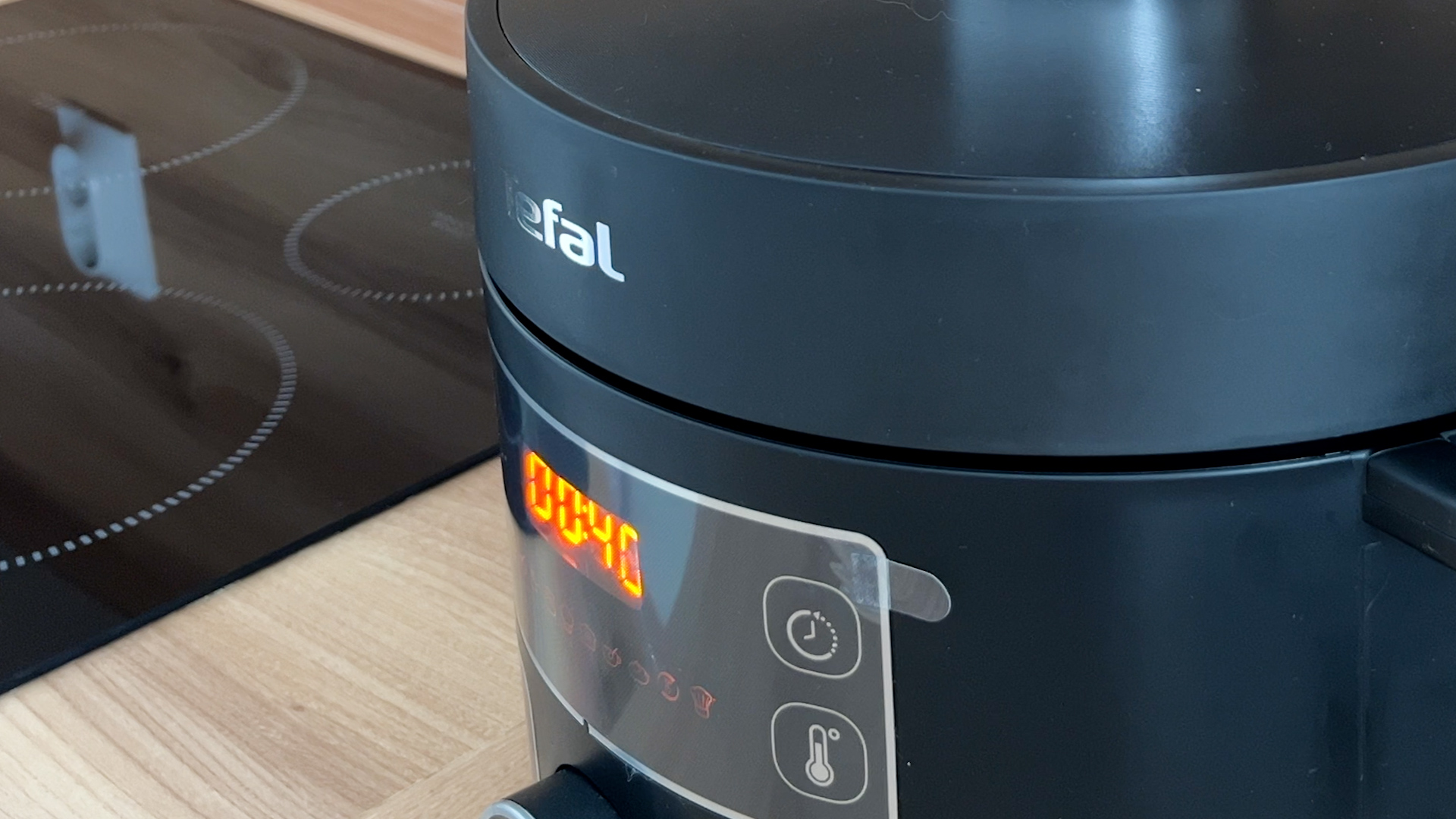
Method 4: Instant Pot (or Electric Pressure Cooker) with Jars (Fastest “Deep” Flavor)
Want that rich, darker caramel vibe without waiting half a day? Electric pressure cookers can get you there quickly.
Using mason jars keeps things tidy and avoids the sketchiness of heating a sealed can.
Best for
- Speed + depth of flavor
- Consistent results once you learn your timing
- Batch cooking (multiple jars)
Steps
- Pour 1 can of condensed milk into a pint-size canning jar. Close lid finger-tight.
- Set a rack/trivet in the Instant Pot and place the jar on it.
- Add water (follow your cooker’s guidelinesmany methods bring water close to jar height without exceeding max fill).
- Cook on HIGH pressure about 35–40 minutes.
- Let pressure release fully (natural release is gentler), then cool before opening.
Pro tip
Time controls color. If you love a lighter, sauce-like dulce de leche, stop closer to the low end. If you want a thicker,
darker spread for cookies and bars, go longer. Your fridge will thicken it further.
Method 5: Microwave (Fast, Surprisingly Legit, Requires Stirring)
Yes, microwave. No, this is not a prank. It’s a real method used by major brands and home cooks alikebut it needs attention.
Condensed milk can bubble up quickly, so go low power and stir often.
Best for
- Quick cravings (“I need caramel now.”)
- Small batches
- People willing to stir like it’s their cardio
Steps
- Pour condensed milk into a large microwave-safe bowl (bigger than you think; bubbling happens).
- Microwave on MEDIUM (50%) for a few minutes, stirring at least once halfway.
- Reduce to MEDIUM-LOW (around 30%) and continue cooking in short bursts, whisking every few minutes.
- Stop when it’s thick and light caramel colored; it will deepen as it rests.
Pro tip
If your microwave has a reputation for chaos, shorten your bursts and stir more often. The goal is slow heat, not dairy fireworks.
Method 6: Sous Vide (Set-It-and-Forget-It, Silky Every Time)
Sous vide is the “precision nerd” methodin the best way. A steady warm bath creates ultra-even browning with basically zero scorching risk.
If you already have a circulator, this might become your favorite.
Best for
- Perfectly smooth texture
- Long, hands-off cooking
- Making multiple jars for desserts or gifts
Steps
- Preheat sous vide bath to about 185°F.
- Pour condensed milk into a canning jar and close lid finger-tight.
- Submerge jar (clip it so it doesn’t float) and cover the container to reduce evaporation.
- Cook about 12 hours.
- Cool, then refrigerate.
Pro tip
The flavor after a long sous vide cook is deeply “toasted,” like dulce de leche meets caramelized white chocolate.
It’s subtle, but dessert people will notice.
Which Method Should You Choose?
- Most beginner-friendly: Oven water bath
- Most hands-off: Slow cooker or sous vide
- Fastest deep flavor: Instant Pot
- Fastest overall: Microwave (but it needs your full attention)
- Most controlled and gentle: Double boiler
Ways to Use Condensed Milk Caramel (AKA: Where the Spoon Goes)
Once you’ve made it, the only hard part is not eating it straight from the jar like a dessert gremlin. Here are more socially acceptable uses:
- Ice cream topping: Warm slightly and drizzle over vanilla, coffee, or chocolate.
- Banoffee-inspired dessert: Spread on a crust, top with bananas and whipped cream.
- Latte upgrade: Stir a spoonful into hot coffee for a caramel-cream vibe.
- Cookie sandwich glue: Fill shortbread or sandwich cookies.
- Cheesecake swirl: Drop spoonfuls onto batter and gently swirl before baking.
- Apple dip: Add a pinch of salt and serve with sliced apples.
Troubleshooting: Fix Common Issues Fast
“It’s lumpy!”
Lumps usually come from tiny bits of overcooked milk solids or a top “skin.” While still warm, whisk vigorously.
For extra smoothness, blend briefly with an immersion blender or in a countertop blender.
“It’s too thick.”
Warm it gently (microwave in short bursts or set the jar in warm water), then whisk in a teaspoon at a time of warm milk or cream.
A pinch of salt also helps balance the sweetness.
“It’s too thin.”
Keep cooking. Color and thickness build with time. Remember: it also thickens a lot in the fridge, so check again after chilling.
“It tastes a little burnt.”
If it’s truly burnt, you can’t un-burn it (science is cruel). But if it’s just deeply toasted, a splash of cream and a pinch of salt can mellow it.
For next time: lower heat, keep water baths topped up, and avoid thin metal pans without a buffer.
Storage and Shelf Life
Transfer to a clean jar or airtight container and refrigerate. In most home-kitchen scenarios, it keeps well for about
up to 2 weeks. If it stiffens in the fridge, warm gently and stir to loosen.
Kitchen Notes: “Experience” Lessons That Make You Better at This (Extra )
If you ask a group of home bakers about making caramel from sweetened condensed milk, you’ll hear a familiar pattern:
the first batch is exciting, the second batch is confident, and by the third batch people start customizing like they’re
opening a boutique dessert shop. The funny thing is, the skill isn’t about mastering complicated stepsit’s about learning
how your heat source behaves and building a few habits that prevent the classic mistakes.
One of the most common “learning moments” is evaporation. Oven and slow-cooker methods are water-bath based for a reason:
water buffers heat so the condensed milk browns gently instead of scorching. When cooks forget to top up the water bath,
the milk can darken too fast around the edges, forming little brown bits that later show up as lumps. The fix is usually
simplewhisk hard while it’s warm, and if you want that perfectly smooth café-drizzle texture, blend it for a few seconds.
After you’ve seen it happen once, you start cooking with a kettle nearby like it’s part of the uniform.
Another real-world lesson is that “done” is personal. Some people want a lighter, pourable caramel for ice cream and coffee.
Others want a thicker, darker spread that holds its own in cookies, bars, and layered desserts. Over time, cooks get good at
matching method to goal: microwave for quick, lighter sauce; Instant Pot for deeper color fast; sous vide for that slow-toasted
flavor; oven for the reliable middle ground. You don’t have to memorize exact times as much as you have to trust your eyes:
color deepens, texture thickens, and the scent shifts from sweet milk to toasted sugar-cookie vibes.
Then there’s the “container wisdom.” People who love gifting dulce de leche often prefer jar methods because the storage is
built incool it, label it, and suddenly you have a homemade present that looks like it came from a fancy market. Experienced
cooks also learn to leave a little headspace in jars and to keep lids finger-tight during cooking. It’s a small detail that
makes the process smoother, especially for long cooks. And nearly everyone learns the same patience rule: don’t open hot jars
immediately. Cooling isn’t just about safety; it’s also when the texture settles into that glossy, spreadable perfection.
Finally, the best “experience upgrade” is flavor finishing. After the condensed milk caramelizes, many cooks whisk in tiny
additions that make it taste intentional rather than accidental: a pinch of flaky salt for a salted-caramel edge, a splash
of vanilla for warmth, or even cinnamon if it’s heading toward holiday desserts. The key is restraint. Condensed milk caramel
is already rich and sweet, so small add-ins go a long way. Once you’ve made a few batches, you stop treating it as a single
recipe and start treating it like a baseone that can be drizzled, swirled, spread, stuffed, and (let’s be honest) occasionally
eaten by the spoonful while standing in front of the fridge like you’re “just checking something.”
Conclusion
Making caramel from sweetened condensed milk doesn’t require a candy thermometer, a chemistry degree, or a dramatic kitchen montage.
Pick a method that fits your schedule, watch for that golden-amber color, and whisk it smooth. Once you’ve got a jar in the fridge,
desserts get a whole lot easierand a little more dangerous (in the best possible way).