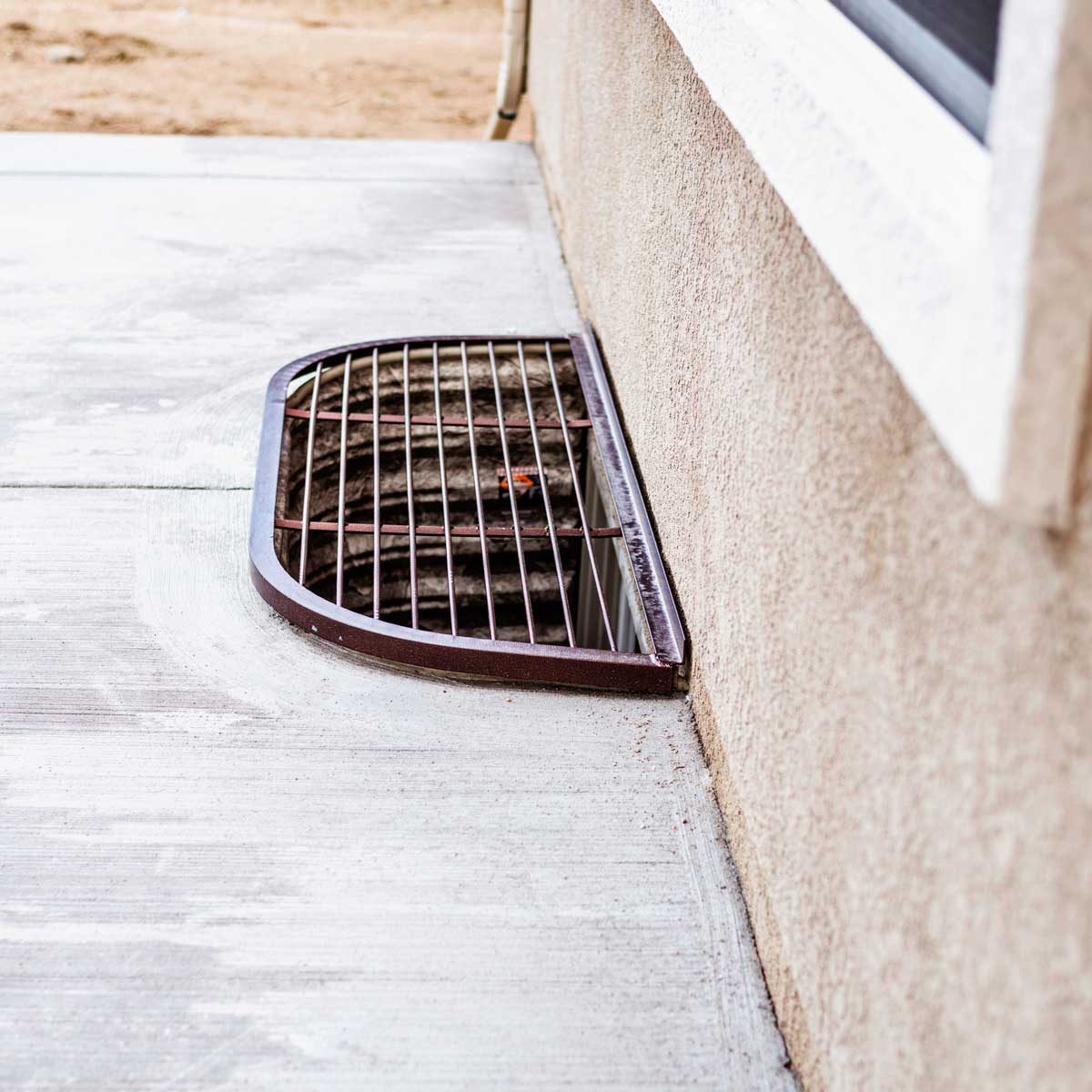
Window wells are basically your basement’s “open-air snack bowl” for leaves, rain, snow, and the occasional curious critter.
A good window well cover fixes thatwithout turning your egress window into a decorative trap.
The best covers keep debris out, reduce water problems, help prevent falls, and still let in light (because nobody wants a basement that feels like a submarine).
Below is a practical, homeowner-friendly roundup of seven standout window well cover optionsplus how to choose the right style for your climate,
your window type, and your “my dog will absolutely step on this” reality.
How to Choose a Window Well Cover (Without Guessing Wrong)
1) Confirm whether the window is an egress window
If the basement window is a required emergency escape (egress), your cover must allow the window to open fully and let someone get out fast.
Many local codes follow International Residential Code (IRC) guidance for window wells, including minimum well area and minimum dimensions.
Translation: don’t install a cover that blocks the opening, can’t be pushed off, or requires “tools, keys, and a brief prayer” to escape.
2) Pick a cover style that matches your biggest problem
- Debris + rain + snow: sloped polycarbonate (flat or dome) is usually the best all-around choice.
- Foot traffic risk (kids, pets, decks, walkways): look for load-rated designs and secure fastening.
- Ventilation + quick access: a grate-style cover shines.
- Odd-shaped wells: custom covers save you from the “almost fits” headache.
3) Know the big material differences
-
Polycarbonate: clear, tough, and commonly UV-protected so it stays clearer longer. Great for light + strength.
Often reinforced with ribs or metal bracing. - Polyethylene (basic plastic): budget-friendly and lightweight. Fine for mild conditions, but generally less heavy-duty than polycarbonate.
- Metal grates (aluminum/steel): excellent airflow, sturdy feel, and good for security add-onsthough they won’t “seal” out wind-driven rain like a solid cover.
4) Measure like you mean it
Measure the width (where the well meets the foundation) and the projection (how far the well sticks out).
If your window or trim rises above the top of the well, you’ll need a bubble/dome style (or you’ll discover the problem at installation time… in your driveway… in front of your neighbors).
5) Installation reality check
Most covers install with clips or fasteners at the well’s rim. If it’s an egress window, follow manufacturer guidance so the window can still open and
the cover can shift or lift as intended. A common best practice: avoid “locking down” the front edge on egress wells unless the product is designed
to release quickly.
The 7 Best Window Well Covers (Standout Picks by Use Case)
1) Universal-Fit Polycarbonate Window Well Cover (Best simple upgrade)
If you want a quick, widely compatible fix, a universal-fit clear polycarbonate cover is hard to beat.
These are designed to span common well shapes and sizes, keep out leaves and animals, and still let natural light into the basement.
Look for molded ribs or reinforcement so it doesn’t flex like a trampoline when someone steps near it.
- Best for: most standard metal wells; homeowners who want “install it and forget it” protection.
- Watch for: exact fitoversized covers can shift in high wind if not secured properly.
2) Adjust-A-Grate Window Well Grate (Best for ventilation + easy access)
Prefer airflow and quick lift-off access? An adjustable grate is a smart option, especially where moisture and musty smells are a concern.
Adjust-A-Grate-style covers are made to fit multiple contours and can be paired with security accessories that deter outside entry while still allowing
emergency exit.
- Best for: wells under decks, near walkways, or anywhere you want airflow and easy removal.
- Watch for: small debris (pine needles, grit) can still get throughplan to clean the well periodically.
3) MacCourt Polyethylene Reversible Bubble Cover (Best budget bubble)
Bubble-style covers are the classic choice when your window sits higher than the well rim.
This MacCourt-style polyethylene bubble design is lightweight, lets in light, and helps block rain, leaves, and critters.
It’s a good “starter cover” for mild climates or low-risk areas where you don’t need maximum load capacity.
- Best for: tight budgets; wells needing extra height clearance for the window.
- Watch for: durability in harsh winters and heavy UV exposureupgrade to polycarbonate if you need tougher performance.
4) Shape Products Polycarbonate Dome Cover (Best for snow + serious strength)
In snowy regions, domed covers earn their keep by shedding snow and water instead of letting it pile up.
Shape Products’ dome covers use clear polycarbonate and typically include hardware for attachment, with designs aimed at strength and stability.
Many homeowners like domes because they protect well while keeping the basement bright.
- Best for: heavy snow zones; homeowners who want a strong cover that still looks clean.
- Watch for: correct size rangedomes are less forgiving if your well is a weird shape.
5) Wellcraft Polycarbonate Flat Egress Cover (Best purpose-built egress cover)
If you have a Wellcraft-style egress well, the cleanest solution is often the matching cover made for that well.
Flat polycarbonate egress covers are designed to keep debris out, allow sunlight through, and support significant weight when properly installed.
Many include a prop-open or easy-lift approach so you can access the well quickly when needed.
- Best for: homeowners who want a manufacturer-matched fit for a known well model.
- Watch for: verify compatibility (model numbers matter more here than anywhere else).
6) “Just Cover It” Clear Polycarbonate Cover (Best value heavy-duty clear cover)
Want heavy-duty performance without going fully custom? “Just Cover It”-style clear polycarbonate covers are popular because they blend
light transmission, weather protection, and impressive load ratingsoften with aluminum bracing and UV resistance to help prevent yellowing.
They’re also typically easy for DIY installation.
- Best for: homeowners who want clear, strong protection at a reasonable price point.
- Watch for: fastening methodchoose one that stays put in wind but still respects egress needs.
7) Custom Polycarbonate Atrium Cover (Best for odd sizes and “I’m done fighting this” fit)
Some wells are… let’s call them “artisan-shaped” after years of settling, backfill shifts, and minor bending.
That’s when a custom atrium or custom-fit polycarbonate cover is worth it. Custom covers are built to your measurements,
often with reinforcement and optional side panels depending on design, so you get a snug fit that looks intentional.
- Best for: non-standard wells; homeowners who care about appearance and a tight seal.
- Watch for: lead time and costcustom is rarely instant or cheapest, but it can be the most satisfying.
Installation and Maintenance Tips That Prevent 90% of Regret
Install with egress in mind
If your basement window is part of your emergency escape plan, make sure the cover won’t prevent full window operation and quick exit.
Follow the cover manufacturer’s instructions and keep release/escape behavior front-of-mindespecially if you’re adding security hardware.
Keep drainage working (covers help, but they’re not magic)
Covers reduce debris, but window wells can still collect dirt and sediment over time. Keep the well reasonably clean,
ensure gravel/drainage areas aren’t clogged, and address exterior water problems (gutters, downspouts, grading) so the well doesn’t become a mini swimming pool.
Do a seasonal “two-minute check”
- Clear leaves and gunk from the rim so the cover sits flat.
- Check clips/fasteners for looseness after storms.
- In winter, knock heavy snow off solid covers so weight doesn’t build up.
Real-World Experiences (What Homeowners Learn After Living With Window Well Covers)
Talk to enough homeowners and you’ll notice a pattern: most people don’t think about window well covers until something annoying happens.
It usually starts with a harmless “Why is there a tiny jungle growing in my window well?” and quickly escalates to “Why is my basement window well hosting a lake?”
The good news is that once you pick the right cover style, the whole problem category drops from “weekly irritation” to “occasional maintenance.”
In snowy climates, the biggest lesson is that shape matters. Flat covers can work beautifullyuntil a heavy snow stacks up and freezes into a dense slab.
Homeowners often report that a domed or sloped polycarbonate cover pays for itself the first time it sheds snow instead of collecting it.
You still might brush it off after a major storm, but it’s a quick sweep instead of a frozen science experiment you have to chip away.
And if you’ve ever had meltwater refreeze at the edges, you understand why people become oddly passionate about “a little extra slope.”
Another common experience: the “universal fit” surprise. Universal covers are convenient, but window wells aren’t always perfectly square to the world.
After installation, some homeowners notice a small gap at one corner or a slight wobble in wind.
The fix is usually simplebetter clip placement, tighter fastening, or upgrading to a cover with stronger bracing.
The bigger takeaway is that a cover doesn’t need to be custom to work well, but it does need to be secured like it matters.
(Because it doesespecially if kids play in the yard or you have a dog with the situational awareness of a cartoon character.)
Grates earn their fan base for very practical reasons. People who choose adjustable grates often say they were tired of humidity and wanted airflow,
or they needed something that could be lifted quickly for access. A grate can also feel psychologically safer near decks or walkways because it looks sturdy and obvious.
But homeowners also mention the tradeoff: fine debris still gets through.
If you have pine trees, you may discover that pine needles treat grates like an invitation.
The upside is that cleaning becomes a “pull grate, scoop, done” routine rather than wrestling with a cracked plastic bubble.
Budget bubble covers (polyethylene) tend to inspire the most mixed reviewsmostly because expectations vary.
When homeowners treat them as lightweight protection from leaves and curious animals, they’re often happy.
When they expect them to handle heavy loads, harsh winters, and years of blazing sun with zero degradation, disappointment enters the chat.
Many people eventually “graduate” to polycarbonate after a season or two, especially if the cover sits in a high-traffic zone or takes regular weather hits.
Finally, there’s the “I should have measured better” club, which is… large.
Homeowners frequently mention that the first cover they bought was close-but-not-quite, and the second one fit perfectly because they measured width, projection,
and window height above the well rim with real attention. If your well has shifted, bowed, or isn’t symmetrical, that’s not your faultit’s just reality.
This is where custom covers get their glowing testimonials: not because everyone loves spending more, but because a snug fit looks intentional, stays put,
and reduces the nagging little issues (gaps, rattles, shifting) that make people hate a product they otherwise would’ve liked.
The overall theme from real households is simple: pick the cover that matches your most likely “bad day.”
Heavy snow? Go domed/sloped polycarbonate. Need airflow and quick access? Consider a grate. Want the cleanest seal and appearance on an odd-shaped well?
Custom-fit is your peace treaty. And whatever you choose, install it so it stays secure and respects egressbecause the best cover is the one you never have to think about.