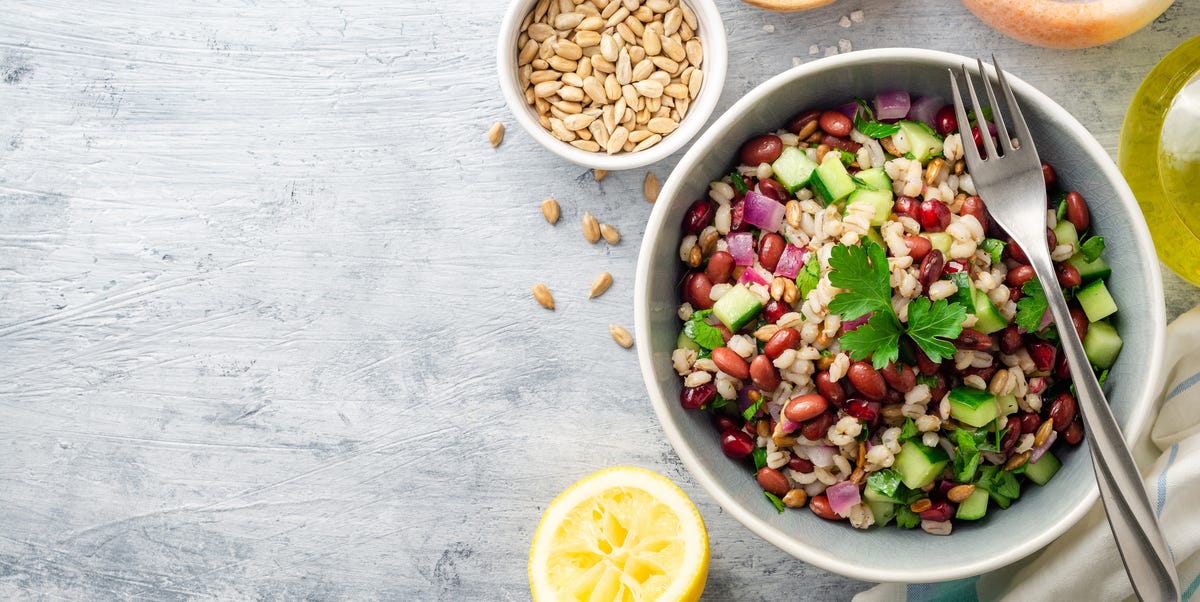
Barley is the quiet, sweater-wearing grain in the back of the pantry: dependable, a little chewy, and somehow always
involved in “heart-healthy” conversations. Rice, meanwhile, is the social butterflyshowing up in sushi, stir-fries,
burrito bowls, and that “I only had 10 minutes” dinner you made last Tuesday.
So… is barley actually better than rice? Sometimes yes, sometimes no, and sometimes it’s like asking whether
hiking boots are better than sneakers. Depends where you’re going, what your body needs, and whether you enjoy a little
wholesome chewiness in your life.
Barley 101: What It Is (and Why It’s Different From Rice)
Barley is a cereal grain (the same “grain family” as wheat and oats). You’ll usually see it sold as:
- Hulled barley (more intact; considered a whole grain; takes longer to cook)
- Pearled barley (outer layers removed; cooks faster; still nutritious, but not technically a whole grain)
- Barley flakes / barley flour (great for porridge or baking)
One crucial note: barley contains gluten. If you have celiac disease or need to avoid gluten, barley is
not your grain. Rice (including brown rice, white rice, jasmine, basmati) is naturally gluten-free.
Barley vs. Rice: Quick Nutrition Snapshot
Nutrition varies by variety and cooking method, but here’s a practical comparison for cooked grains using standard “1 cup cooked” servings.
The numbers below reflect common USDA-based nutrition data for cooked pearled barley, cooked enriched long-grain white rice, and cooked brown rice.
| Cooked Grain (1 cup) | Calories | Carbs | Fiber | Protein | Notable “What This Means” |
|---|---|---|---|---|---|
| Pearled barley | 193 | 44.3 g | 6.0 g | 3.5 g | More fiber (including soluble fiber) for steadier digestion and satiety |
| White rice (enriched) | 205 | 44.5 g | 0.63 g | 4.3 g | Lower fiber; often easier to digest; enrichment adds nutrients like folic acid |
| Brown rice | 218 | 45.8 g | 3.5 g | 4.5 g | More fiber and minerals than white rice; a whole grain option |
Translation: barley and rice are both mostly carbs, but barley usually brings substantially more fiber to the party.
That fiber is a big reason barley gets so much “metabolic health” hype.
7 Health Benefits of Barley
1) Heart Health Support: Barley’s Soluble Fiber Can Help Lower LDL Cholesterol
Barley is rich in beta-glucan, a type of soluble fiber that forms a gel-like substance in your digestive tract.
That gel can help reduce cholesterol absorption and nudge the body to use more cholesterol to make bile acids.
This isn’t just wellness-influencer folklore. Research reviews and clinical studies have found that barley and barley beta-glucan
can reduce total cholesterol and LDL (“bad”) cholesterol when consumed regularly as part of an overall healthy diet.
In the U.S., beta-glucan soluble fiber from barley is even recognized in an FDA-authorized health claim framework for reduced risk of coronary heart disease
when daily intake goals are met.
Practical example: Add barley to a soup or salad a few times a week, or swap barley for part of the rice in grain bowls.
It’s not a magic trickbut it’s a legit “small lever” that can move the heart-health needle over time.
2) Steadier Blood Sugar: Barley Tends to Be a Gentler Carb
Not all carbs behave the same after you eat them. Barley’s fiberespecially beta-glucancan slow digestion and
slow glucose absorption, helping reduce sharp post-meal spikes.
Some research suggests that barley-based foods may improve post-meal glucose and insulin responses compared with refined-grain foods.
Also, a very practical trick shows up in nutrition discussions: mixing barley with white rice can lower the meal’s overall glycemic impact,
because you’re essentially “fiber-boosting” the bowl.
Practical example: If your family is team “rice forever,” do a 50/50 blend: half cooked rice, half cooked barley.
The texture becomes pleasantly chewy, and the bowl is more fillingwithout banning rice from the table like it committed a crime.
3) Gut-Friendly Fuel: Barley Can Support Digestion and the Microbiome
Fiber is basically your gut’s favorite group chat: it keeps things moving and feeds helpful microbes. Barley contains
prebiotic fibers (including beta-glucans and, in some sources, inulin-like compounds) that can be fermented by gut bacteria.
Fermentation produces beneficial compounds that support the gut environment and may help with regularity.
If you’re currently living the “sad desk lunch” lifestyle, barley can be a stealth upgrade. It works in cold salads, reheats well,
and stays pleasantly firm instead of turning into leftover mush.
Practical example: Make a barley “meal-prep base” with olive oil, lemon, herbs, and chopped veggies.
Use it under roasted chicken, chickpeas, or tofu all week.
4) More Fullness Per Bite: Barley Can Help You Feel Satisfied Longer
Fiber slows gastric emptying (how fast food leaves your stomach), which can increase feelings of fullness. Barley’s higher fiber content
compared with white rice makes it a strong option if you want meals that keep you satisfied between lunch and that 4 p.m. “snack emergency.”
This is less about dieting and more about stable energy. When meals are more filling, it’s easier to stick with balanced choices
not because you’re “being good,” but because you’re not hungry enough to eat the entire snack aisle.
5) Quietly Nutrient-Dense: Barley Brings Minerals and B Vitamins
Barley isn’t just fiber in a trench coat. It also provides useful micronutrients, including
selenium, magnesium, phosphorus, iron, and B vitamins like
niacin and thiamin.
These nutrients support everyday functionsenergy metabolism, nerve signaling, muscle function, and more.
Whole grains in general tend to offer a broader “nutrient package” than refined grains.
Practical example: Try barley in a “breakfast grain bowl” with Greek yogurt, berries, cinnamon, and nuts.
It’s like oatmeal’s chewier cousin who listens to jazz.
6) Potential Inflammation and Metabolic Health Perks
Barley contains antioxidant compounds and resistant starch, and its lower glycemic impact (compared with many refined grains) may support
healthier metabolic patterns in some people. Research on whole grains and fiber more broadly links higher fiber intake with better cardiometabolic markers.
Important nuance: inflammation is complicated, and no single food “cures” it. But barley can be a strong supporting player in a diet pattern that
prioritizes fiber-rich, minimally processed foods.
7) Better Diet Quality Without the Drama: Barley Makes Whole Grains Easier to Eat
One underrated health benefit is simply this: barley makes it easier to eat more whole-grain-style meals without feeling like you’re chewing on regret.
It’s versatile, affordable, and works in cuisines that already rely on riceMediterranean bowls, Asian-inspired stir-fry plates, hearty stews, and more.
If you’re trying to shift toward more fiber and less refined grain intake, barley is a practical bridgeespecially for people who find brown rice
too dry or too “nutty.”
So… Is Barley Better Than Rice?
Here’s the honest answer: barley is often “better” than white rice for fiber, fullness, and blood sugar steadiness.
But rice wins in some real scenariosespecially if you need gluten-free options or a very easy-to-digest carbohydrate.
When barley is the better pick
- You want more fiber without increasing portion size.
- You’re focused on heart health and want more soluble fiber from whole foods.
- You want steadier energy after meals, especially compared with refined grains.
- You like meal prep (barley holds texture well and plays nicely in salads and soups).
When rice is the better pick
- You must avoid gluten (celiac disease or medical gluten-free needs).
- You need a gentler carb during stomach upset or when higher fiber foods trigger symptoms.
- You rely on enrichment nutrients (many white rice products are enriched with folic acid and other nutrients).
- Cultural fit mattersand it does. A healthy diet should still feel like your life.
Also worth noting: brown rice is a whole grain and generally more nutrient-dense than white rice, but barley often still beats it on soluble fiber.
That doesn’t make brown rice “bad”it just means you have options. Rotating grains (barley, oats, quinoa, brown rice, farro, etc.) can improve variety,
nutrient exposure, and menu sanity.
How to Swap Barley for Rice Without Upsetting Your Routine
Easy swaps
- Grain bowls: Use barley as the base; top with veggies, protein, and a bold sauce.
- Stir-fries: Barley works best when cooled slightly (it stays firm and less sticky).
- Soups and stews: Barley thickens broth and adds satisfying chew.
- “Risotto” style: Make a barley versioncreamy, hearty, and less fussy than traditional risotto.
Cooking tips (so it doesn’t taste like a science project)
- Pearled barley cooks faster than hulled. If you’re new to barley, start with pearled for convenience.
- Cook extra and refrigeratebarley reheats well and is excellent cold in salads.
- Season the cooking water (salt, bay leaf, garlic) the same way you’d season rice. Bland grain is a choice. Choose better.
Who Should Be Careful With Barley?
- People with celiac disease or gluten sensitivity: Barley contains gluten and isn’t gluten-free.
- Some people with IBS or on a low-FODMAP plan: Barley can trigger symptoms in sensitive individuals.
- Anyone suddenly going from low fiber to high fiber: Increase gradually and drink enough fluids to reduce bloating and discomfort.
Real-World Experiences: What People Notice When They Try Barley Instead of Rice (Extra 500+ Words)
The first “experience” most people have with barley is texture. Rice is soft and familiar; barley is chewy and a bit springy.
For some, that chewiness feels satisfyinglike your meal has more substance without being heavier. For others, it’s a surprise at first,
especially if they expected something rice-like. A common compromise is the “barley blend”: mixing barley with rice (or even quinoa) to ease into it.
The bowl still feels comforting, but it’s more filling and doesn’t leave you hungry an hour later.
Another thing people notice: barley is forgiving in meal prep. Rice can dry out, clump, or turn mushy depending on how it’s stored.
Barley tends to hold its shape, which makes it a favorite for people who like to cook once and eat multiple times. You can toss chilled barley
into a salad with cucumbers, tomatoes, feta, and a lemony vinaigrette, and it tastes intentionallike you planned your life.
Reheated, it keeps a pleasant bite, especially if you splash in a little broth or olive oil.
Satiety is also a frequent “huh, interesting” moment. People often describe barley meals as more stabilizingless of the post-lunch slump,
fewer snack cravings later in the day. That doesn’t mean barley is a miracle food; it just lines up with what higher-fiber meals tend to do:
slow digestion and help you feel satisfied. If someone has been eating mostly refined grains, adding barley can feel like upgrading from
a paper umbrella to a real roof.
In families, acceptance usually comes down to how barley is introduced. If you announce, “We’re replacing rice with barley forever,”
you may spark a rebellion. But if barley shows up quietly in soup, chili, or a “barley fried rice” remix with eggs and vegetables,
people often enjoy it without making it a referendum on tradition. Barley works especially well with strong flavorsgarlic, ginger, soy sauce,
roasted mushrooms, tomato-based stewsbecause it absorbs seasoning nicely while keeping its structure.
Some people also learn (the hard way) that fiber has a personality. If you jump from very little fiber to a huge barley bowl overnight,
your digestive system may respond with dramatic commentary. The more pleasant experience usually comes from starting small:
swapping barley for rice once or twice a week, using half portions, and increasing over time. Many people find that once their body adjusts,
barley becomes a comfortable staple rather than a “special health food.”
Finally, there’s the emotional experience: barley can make healthy eating feel more like real food and less like a rule.
It’s hearty, comforting, and flexibleless “diet vibe,” more “cozy soup season.” And honestly? When a food supports your health
and tastes like something you’d choose on purpose, that’s usually the best kind of better.
Conclusion
Barley earns its reputation: it’s fiber-rich, particularly high in soluble fiber like beta-glucan, and it can support heart health,
steadier blood sugar, and a happier gut. Compared with white rice, barley is often the more nutrient- and fiber-dense choice.
Compared with brown rice, it still tends to deliver more soluble fiberthough both can absolutely fit into a healthy diet.
The “best” grain is the one you’ll actually eat consistently. If barley’s chewy comfort works for you, it’s a smart upgrade.
If you need gluten-free staples or prefer rice for cultural and practical reasons, rice can still be part of a balanced plateespecially with
fiber-rich sides and proteins. You don’t have to choose a team. You can choose a pantry.