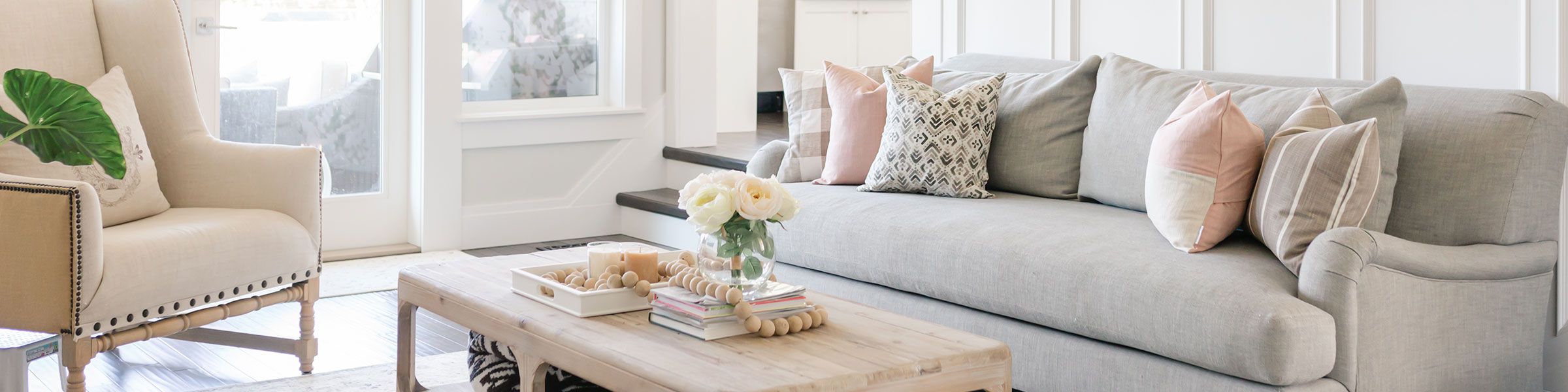
Relationships don’t fall apart because someone loaded the dishwasher “wrong.” (Okay… sometimes it feels like that.) More often, the real culprit is a thousand tiny daily frictions: lost keys, loud late-night TV, one bathroom during the morning rush, nowhere to work in peace, clutter that quietly screams, “We should probably deal with me.”
The good news: a few smart home improvements can reduce that background stress and create more moments where you actually like each other again. Think of these upgrades as “romance-by-design.” Not candles and rose petals (though you do you), but practical changes that make the house run smootherso you have more energy for the people living in it.
Below are seven relationship-friendly home upgrades. They’re not magic. But they can lower the odds of an argument starting over a shoe pile that has achieved sentience.
1) Build a Real “Landing Zone” at the Entry
Why it helps your relationship
The first five minutes after walking in the door often decide the emotional tone of the night. If you enter into chaosbags on chairs, shoes everywhere, nowhere to drop mailyour brain stays in “problem-solving mode,” not “hello, person I love” mode.
What to improve
- Hooks at adult height (and kid height if needed) for coats and backpacks.
- A bench for removing shoes without performing a one-leg ballet.
- Closed storage (cubbies, baskets, cabinets) so the mess doesn’t become décor.
- A “command corner”: small whiteboard, shared calendar, charging station, and a tray for keys/mail.
Specific example
Instead of “Where are my keys?!” (Volume: airport runway), you get: “Keys are on the tray. Shoes are in the cubby. I have the emotional bandwidth to ask about your day.” That’s not just organizationthat’s romance with better shelving.
Quick win
Even if you can’t build a full mudroom, install a row of hooks, add a slim shoe cabinet, and place a bowl/tray on a console table. Small changes, big peace.
2) Upgrade Lighting to Match Real Life (Not a Hospital Hallway)
Why it helps your relationship
Lighting affects mood, focus, and sleepinessmeaning it affects how patient, friendly, and human you feel at 9:30 p.m. Harsh overhead light can turn “let’s talk” into “why are we interrogating each other under stadium lamps?”
What to improve
- Layer the room: ambient (overall), task (reading/cooking), accent (warm vibe).
- Add dimmers in the living room, dining area, and bedroom.
- Use warmer bulbs in the evening spaces (and keep brighter, cooler light for work/task zones).
- Fix the “dark corner problem” with a floor lamp instead of yelling “WHY IS IT SO GLOOMY IN HERE?”
Specific example
A couple installs a dimmer in the living room and two warm table lamps. Suddenly their nightly TV routine feels less like “two exhausted roommates” and more like “a cozy decompression ritual.” Conversation increases because the room is inviting to linger in.
Quick win
Replace one overhead-only room with two lamps and a dimmable bulb. Your relationship deserves better than a single ceiling fixture doing all the emotional labor.
3) Make the Bedroom a Sleep Sanctuary (Because Tired People Fight About Air)
Why it helps your relationship
Sleep is a relationship multiplier: better sleep makes you more resilient, less irritable, and more likely to interpret your partner as a teammate instead of a villain chewing too loudly. Improving the bedroom environment can reduce nightly friction and morning crankiness.
What to improve
- Sound control: seal gaps, add heavier curtains, upgrade a hollow-core door, consider rugs or acoustic panels if needed.
- Light control: blackout curtains or shades, especially if streetlights are doing the most.
- Air comfort: clean vents, use a quiet fan or air purifier, and keep the room feeling fresh.
- Layout that respects sleep: charging station away from the bed, a place to set glasses/water, and minimal clutter on surfaces.
Specific example
One partner is a light sleeper; the other watches videos at night. A simple solutionblackout curtains, a rug, weatherstripping, and a dedicated charging spot across the roomcuts the conflict. Fewer midnight negotiations. More actual rest.
Quick win
Start with blackout curtains and door weatherstripping. They’re not glamorous, but neither is arguing at 2 a.m. about “that one little sound.”
4) Create a “Two-Person Kitchen” That Supports Teamwork
Why it helps your relationship
The kitchen is where routines happen: breakfasts, lunches, “what are we eating,” and the occasional emotional support snack. When the space is cramped, poorly laid out, or missing storage, it turns collaboration into collision. A couple-friendly kitchen makes it easier to cook together and reduces daily stress.
What to improve
- Clear zones: prep space, cooking zone, cleaning zone, storage zone.
- Better traffic flow: avoid bottlenecks near the fridge/sink.
- Storage upgrades: pull-out shelves, drawer organizers, a pantry area that doesn’t avalanche pasta boxes.
- An “us-friendly” surface: a small island, peninsula, or extended counter for chopping and talking.
Specific example
Instead of one person cooking while the other awkwardly stands in the doorway asking, “Need help?” (Translation: “I want to connect but I’m scared of being assigned dishes”), the kitchen has room for two: one chops, one stirs, both snack. It becomes shared time, not a chore.
Quick win
Reorganize by zones this weekend. Put knives/boards near prep space, spices near the stove, and daily plates/glasses where they’re actually used. You’ll feel the difference immediately.
5) Fix Bathroom Bottlenecks (Add Calm, Not Competition)
Why it helps your relationship
Nothing says “true love” like negotiating toothpaste space at 7:12 a.m. If you’ve ever argued because one person “takes forever” in the bathroom, you’re not alone. Reducing bathroom friction improves morningsand mornings influence everything.
What to improve
- Better storage: drawers, shelves, medicine cabinet upgrades, and labeled bins.
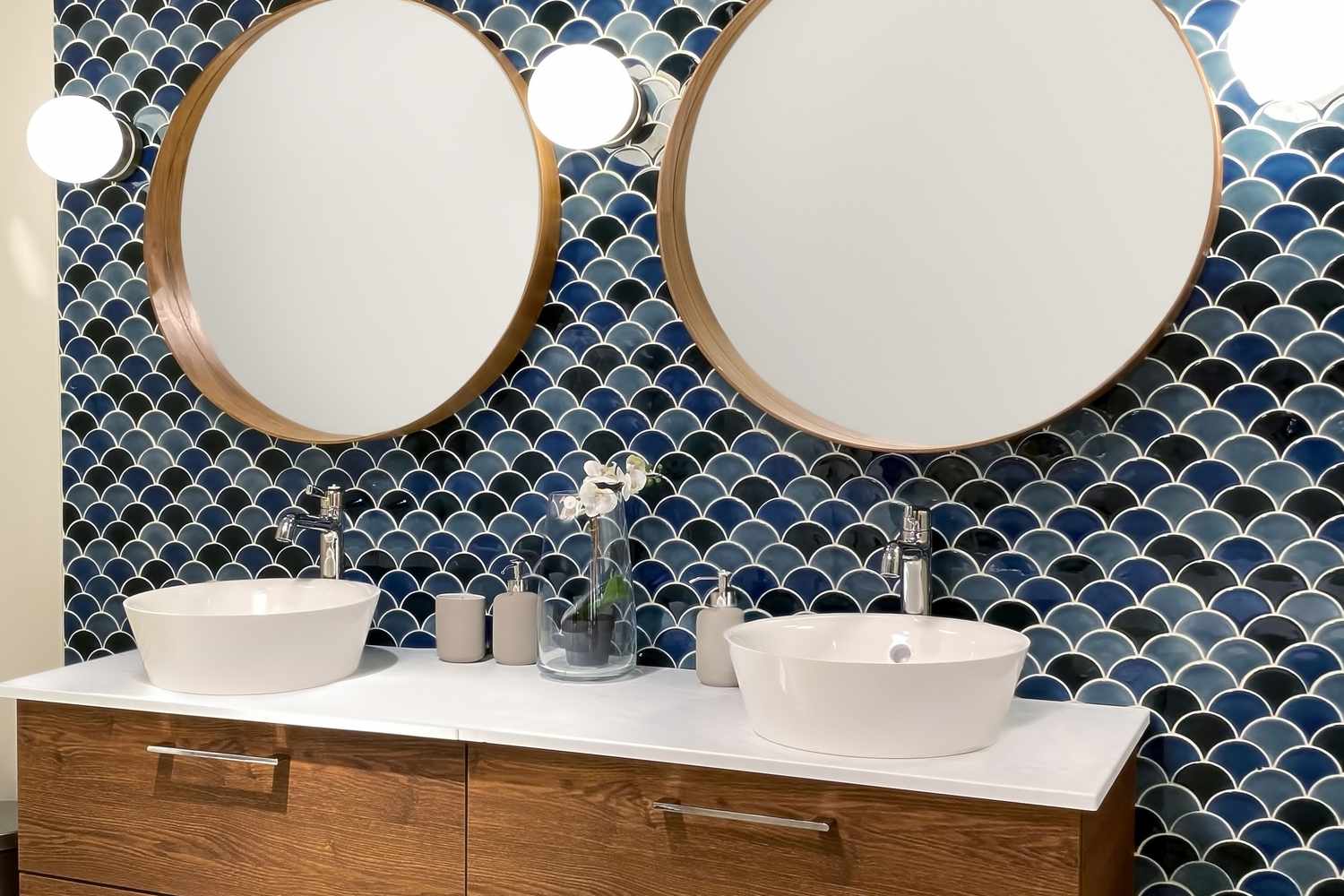
- Double-duty solutions: dual sinks (if possible), a second mirror, or a vanity setup outside the bathroom for makeup/hair.
- Shower upgrades: better ventilation, improved lighting, and a shower niche so bottles stop living on the floor like they pay rent.
- Comfort details: warmer lighting, towel hooks within reach, and slip-resistant mats.
Specific example
A couple adds a second mirror and a small “getting-ready station” in the bedroom with a lighted mirror and outlets. Now two people can get ready at once without a tense bathroom queue. Their morning conversations shift from “hurry up” to “coffee?”
Quick win
Declutter the vanity, add drawer organizers, and install a second towel bar or hooks. Less chaos, fewer tiny resentments.
6) Carve Out Separate Work/Quiet Zones (So You Can Miss Each Other Again)
Why it helps your relationship
Togetherness is greatuntil it becomes constant. Many couples don’t need more time in the same room; they need better time together and more uninterrupted time apart. Dedicated work/quiet zones reduce interruptions, protect focus, and lower resentment (especially when someone’s on a call and someone else is living loudly).
What to improve
- A defined workspace: a converted closet office, spare room, or a wall-mounted fold-down desk.
- Sound boundaries: a door, curtain divider, rug, or soft surfaces that reduce echo.
- Visual boundaries: shelving, screens, or a layout that separates “work brain” from “home brain.”
- Storage that closes: because seeing a laptop at dinner is like inviting your boss to sit between you.
Specific example
One partner works from home; the other has rotating shifts. They convert a corner into a micro-office with a fold-down desk and a curtain. The working partner gains focus. The resting partner gains quiet. And their relationship gains fewer “can you not” moments.
Quick win
Pick one spot and make it “work-only.” Even a small boundary can stop work stress from spilling into your entire life.
7) Create an Outdoor “Mini-Date” Space
Why it helps your relationship
Couples thrive when they have places to connect that aren’t the bed (sleep) or the couch (scrolling). An outdoor living areapatio, balcony, porch, or small yard cornerbecomes a low-pressure zone for conversation, coffee, or an end-of-day reset.
What to improve
- Comfort seating: two chairs you actually want to sit in (not decorative torture devices).
- Soft lighting: string lights, lanterns, or solar path lights.
- Weather-friendly extras: outdoor rug, throw blankets, umbrella, or small heater depending on climate.
- A tiny ritual anchor: a bistro table for snacks, a small herb planter, or a speaker for music.
Specific example
A couple spends $150 on string lights, a small table, and two used chairs. Now they have a “ten-minute talk” spot. That’s the whole trick: make it easy to connect. Romance often loses to inconvenience.
Quick win
Start with lighting. A well-lit outdoor corner feels intentional even before you upgrade furniture.
How to Do These Upgrades Without Turning Your Relationship Into a Demo Project
Home projects can strengthen teamworkor become a stress marathon with a side of passive-aggressive paint swatches. A few ground rules help:
- Define the “why” together. Is this upgrade about calm mornings, better sleep, easier hosting, or reducing clutter? Shared purpose prevents random feature creep.
- Pick your “must-haves” and “nice-to-haves.” This stops budget debates from becoming personality debates.
- Schedule decision time. One weekly 30-minute “project meeting” beats 47 surprise discussions in the hallway.
- Protect a no-project zone. A room (or at least an evening) where you don’t talk about tile, timelines, or the phrase “while we’re at it.”
Conclusion: A Better House Can Make It Easier to Be Better Partners
The best relationship advice isn’t always about communication scripts or deep talks on a mountaintop. Sometimes it’s: build a landing zone so you stop tripping over backpacks, soften the lighting so evenings feel calmer, and fix the bedroom so both of you can sleep like functional adults.
These seven home improvements don’t replace the work of a healthy relationshipbut they support it. They reduce friction, protect rest, encourage shared routines, and create spaces where connection happens naturally. And if that means fewer arguments about shoes and more laughs over dinner prep? That’s a remodel worth doing.
Experience Notes: What Couples Commonly Feel After These Upgrades (Extra )
Here’s something homeowners rarely put in the renovation budget: the emotional return. Not “your house is worth more” (though that can be true), but “your evenings feel lighter.” Many couples describe these upgrades as quietly changing how the day flowsespecially during the high-friction moments when nobody is at their best.
The landing zone effect is usually immediate. People report fewer frantic searches, fewer accusations (“You moved my keys!”), and a smoother transition from outside stress to inside calm. The surprising part? It’s not just about stuff. It’s about the feeling that the home is on your side. When your entryway works, you start the evening with a small winand small wins make partners gentler.
Lighting upgrades often change the vibe more than expected. Couples mention that they talk more when a room feels cozy and less “on display.” Dimmers become a daily habit: bright for chores, soft for winding down. It sounds simple, but it’s powerful. A calmer environment lowers the volumeliterally and emotionally.
Bedroom improvements are where people notice the “relationship multiplier.” Better sleep doesn’t solve every problem, but it makes problems feel solvable. Couples describe fewer late-night squabbles, less morning snippiness, and more patience for normal human imperfections. Even small tweaksblackout curtains, quieter doors, less clutter on surfacescreate a sense of refuge. When the bedroom feels like a sanctuary, you’re more likely to treat it (and each other) with care.
Kitchen changes tend to create new rituals. Some couples start cooking together because it’s finally comfortable to share the space. Others set up a “snack-and-chat” spot at the counter. The most common experience is a shift from “the kitchen is where chores live” to “the kitchen is where we reconnect.” Even reorganizing by zones can reduce micro-annoyanceslike opening five cabinets to find the colanderso the whole task feels less exhausting.
Bathroom bottleneck fixes reduce a specific kind of resentment: the time pressure resentment. When mornings aren’t a competition, people are kinder. A second mirror or a get-ready station outside the bathroom can feel like adding a new room to the relationshipone where nobody is waiting, sighing, or negotiating the laws of shower time.
Separate work/quiet zones often bring back something couples miss: space. Not emotional distance, but breathing room. When each partner can focus without interruptions, they’re less likely to associate the other person with stress. Many couples say they enjoy time together more when they’ve had protected time apart. Funny how that works.
Finally, outdoor spaces frequently become the “mini-date” spot. It’s not a grand gesture; it’s a tiny habit that sticks. Coffee outside. A quick check-in after dinner. A little music, a little air, a little “we’re still us.” These experiences don’t happen because the chairs are fancy. They happen because the space makes connection easyand that’s the real relationship upgrade.