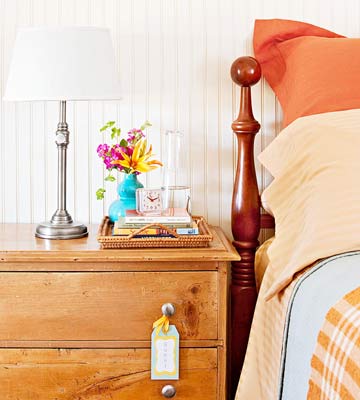
Hosting overnight guests is a little like running a tiny hotel… except your manager is your mother-in-law, your
check-in desk is your kitchen counter, and the online reviews are delivered in the form of “We slept great!” (or,
ominously, “We slept.”). The good news: you don’t need a magazine-worthy guest suite to make people feel welcome.
You need comfort, clarity, and a few thoughtful touches that quietly say, “We planned for you”without
screaming, “We panicked-cleaned at 1 a.m.”
In true tipsaholic fashion, this guide focuses on practical, high-impact moves: a bed that feels irresistible,
a room that functions without a scavenger hunt, and small “oh wow” details that make guests relax the moment they
drop their bags. Whether your company is staying one night or settling in for a long weekend, these seven tips help
you prep a guest room that feels calm, clean, and genuinely cared for.
Tip 1: Start With a Clean Slate (and a Clutter Detox)
The fastest way to make a guest room feel welcoming is also the least glamorous: clean it like you’re about to
rent it out. Dust reads as “nobody’s been in here since the last holiday,” and clutter reads as “sorry, you’re
sleeping in our storage unit.” Aim for a room that feels fresh, open, and easy to use.
What to clean first (because guests notice these immediately)
- High-touch spots: doorknobs, light switches, drawer pulls, remote controls, lamp switches.
- Surfaces at eye level: nightstands, dresser top, mirrors, window sills.
- Floors and corners: vacuum edges, under the bed, and behind doors where dust collects like it pays rent.
- Soft “dust magnets”: curtains, headboards, throw pillows, and rugs (a quick vacuum pass helps).
If someone in your home has been sick recentlyor you’re hosting guests who are more cautioustake it up a notch by
cleaning and then disinfecting the most-touched surfaces. Even when you keep it simple, the goal is the same:
your guest should walk in and think, “Ahhh,” not “Achoo.”
Finally, remove personal overflow. Clear the chair that’s currently wearing five hoodies and a tote bag. Empty the
“miscellaneous” corner. If the guest room doubles as an office or craft space, corral supplies into bins and close
the lid. Guests don’t need a view of your glue-gun lifestyle.
Tip 2: Make the Bed the Star of the Show (Comfort Wins)
Guests can forgive a small room. They can forgive a quirky lamp. But an uncomfortable bed? That becomes a family
legend. Your mission is to create a sleep setup that works for different preferenceshot sleepers, cold sleepers,
“I need five pillows” sleepers, and the brave souls who claim they can sleep anywhere (they cannot).
Build a “layered” bed like a choose-your-own-adventure
- Fresh sheets: clean, crisp, and not the ones with the mystery stain you’ve decided is “fine.”
- A light blanket + a warmer layer: think quilt or duvet so guests can adjust without asking.
- Extra blanket within reach: folded in a basket or on a benchvisible, not hidden in a closet maze.
- Pillow variety: offer at least two firmness options if possible (one firm, one medium/soft).
If your guest bed is also a pullout, daybed, or air mattress, you can still upgrade the experience: add a mattress
topper, use real bedding (not a scratchy throw), and make the bed look intentional. A well-made bed signals care,
and that care is what guests remember.
Quick tip: do a 30-second “hotel check.” Sit on the edge of the bed. Are pillows flat? Does the duvet smell like
storage? Is there a rogue lump that feels like a lost TV remote from 2019? Fix the small stuff now, and you won’t
be apologizing later.
Tip 3: Master the Sleep Triangle: Temperature, Light, and Sound
A guest room can be beautiful and still keep people awake. Sleep comfort usually comes down to three things:
temperature, lighting, and noise. Nail those, and your guests will wake up feeling like you offered
them a spa packagewithout the awkward cucumber water.
Temperature: give options, not commandments
Many sleep experts recommend a cooler room for better sleep. You don’t have to turn your home into an igloo, but
you should give guests control: a fan, an extra blanket, and a way to adjust airflow (even cracking a window can help
in mild weather). If the guest room runs warm, add a lightweight blanket option so guests aren’t forced into the
“sweat or shiver” dilemma.
Light: make it adjustable, not dramatic
- Bedside lighting: a lamp within reach so guests aren’t navigating in the dark like a movie villain.
- Blackout help: blackout curtains are great, but even a sleep mask in a basket can be a hero move.
- Easy switch access: guests shouldn’t have to stand on the bed to turn off the overhead light.
Sound: plan for the “why is the house so loud?” moment
Every home has its soundtrackAC clicks, hallway creaks, early-morning trash pickup. Consider a simple white noise
machine or a small fan. If you have pets, mention their nighttime habits (“The cat may visit; she’s harmless and
emotionally needy.”) so guests aren’t startled at 3 a.m.
Tip 4: Give Guests a Place to Put Their Stuff (Unpack Without Anxiety)
Guests feel most comfortable when they can settle in. That means you need to provide
storage and landing zones: space to hang clothes, a drawer or two, and somewhere to put a suitcase
that isn’t “the floor, forever.”
Simple upgrades that make the room feel twice as functional
- Clear one drawer: even one empty drawer says, “You belong here.” Two is luxury.
- Empty a few hangers: guests shouldn’t have to share a closet with your winter coats and that one
outfit you keep “just in case.” - Add a luggage rack or bench: it keeps bags off the bed and saves guests from living out of a suitcase
like they’re in an airport terminal. - Hooks help: a couple hooks behind the door solve the “where do I put my jacket?” problem instantly.
If your guest room is tight on space, steal a trick from small-space pros: use a wall hook rail, add under-bed bins
(empty them before guests arrive), or place a small basket for shoes. The goal is not more furniture; it’s fewer
“where do I put this?” moments.
Tip 5: Build a Bedside “Command Center” (No Scavenger Hunts)
A great guest room anticipates the first 10 minutes of being in an unfamiliar space: charging a phone, finding a
light switch, getting water at night, and locating tissues after a travel-day sneeze attack. The bedside table is
your chance to quietly impress.
Bedside essentials that feel hotel-level (without the minibar prices)
- A lamp (or two if there are two sides of the bed).
- A charging option: a power strip with USB ports or a clearly accessible outlet.
- A carafe or bottled water with a clean glass.
- Tissues and a small trash bin nearby.
- A small dish or tray for jewelry, keys, or glasses.
Safety note: if you add a power strip, place it where it won’t be stepped on, pinched by furniture, or covered by
rugs. The best guest experience is a restful nightwithout any “why does the carpet smell warm?” surprises.
Bonus: add a small notepad and pen. Guests love having a place to jot down the Wi-Fi password, tomorrow’s plan, or
the name of that restaurant you recommended that they will absolutely forget five minutes later.
Tip 6: Stock a “Just in Case” Basket (Toiletries, Comfort, and Calm)
The “just in case” basket is the hosting equivalent of carrying gum: it makes you look like a genius for doing
something incredibly basic. People forget things. People spill things. People realize at bedtime they left their
toothbrush on the bathroom counter at hometwo states away. A small basket prevents the late-night awkward ask:
“Do you happen to have…?”
What to include (keep it simple and travel-size)
- Toothbrush, toothpaste, floss picks
- Deodorant, lotion, lip balm
- Shampoo/conditioner and a spare razor
- Hair ties or a small comb
- Makeup remover wipe or gentle face wipe
- A couple of basic meds (pain reliever, antacid) if you’re comfortable providing them
Add a note that says, “Help yourself,” so guests don’t feel like they’re stealing your toothpaste. If you’re hosting
kids, toss in a couple quiet itemscoloring pages, crayons, a small bookbecause nothing says “vacation” like a
child whisper-yelling at sunrise.
Don’t forget towels. Put fresh towels in the room or clearly point to where they live. And in the guest bathroom,
make sure the basics are visible: hand soap, extra toilet paper, andquietly, respectfullya plunger. Nobody wants
to request that in person. Nobody.
Tip 7: Add Thoughtful Touches (Welcome Without Being Weird)
The difference between “a room with a bed” and “a guest room” is hospitality. You don’t need expensive décor. You
need a few small touches that communicate comfort and autonomy: guests can move around, find what they need, and
relax without asking permission for every little thing.
Small touches that make a big impression
- Wi-Fi info in plain sight: write the network and password on a simple card.
- A short house note: where to find extra towels, how to work the TV, when you usually lock up at night.
- A water/snack option: a couple bottles of water, tea bags, or a small snack basket.
- Reading material: one or two magazines or a book (neutral, not your spicy thriller with the torn cover).
- A little life: a small plant or fresh flowers can instantly warm up a space.
Keep décor neutral and not overly personal. A guest room should feel calming, not like someone is watching them
sleep via 40 framed photos of your cousin’s wedding. Choose comfort-forward items: a cozy throw, a bedside rug, and
lighting that doesn’t feel like an interrogation.
Wrapping It Up: A Guest Room That Feels Easy to Live In
Preparing a guest room isn’t about perfectionit’s about removing friction. Clean and declutter so guests feel
comfortable touching things. Make the bed feel irresistible. Give them control over sleep basics: temperature,
lighting, and sound. Provide places to store their stuff, set up a bedside command center, stock a “just in case”
basket, and sprinkle in a few thoughtful touches that help them feel at home.
If you want one final pro move: do a quick “guest test.” Stand in the room and pretend you’ve never been there.
Where do you put your phone? How do you turn off the light? Where would you hang a jacket? If you can answer those
questions in under five seconds, congratulationsyou’ve built a guest room that doesn’t require a tutorial.
Extra: Real-World Hosting Experiences That Make These Tips Matter (About )
If you’ve ever hosted overnight guests, you know the funniest part is that the “guest room” is rarely just a guest
room. In many homes, it’s also a home office, a workout space, a craft corner, or the official storage facility for
holiday decorations and the treadmill everyone swears they’ll start using next week. That’s why preparing the room
feels oddly emotional: you’re not just tidyingyou’re temporarily giving the space back to another human being.
One common hosting experience is the midnight search mission. A guest wakes up thirsty, can’t find a
glass, doesn’t want to rummage through your kitchen cabinets, and ends up staring at the ceiling thinking about
hydration. A simple bedside water setup prevents that whole spiral. Similarly, guests often hesitate to ask for
basics like an extra blanket or where towels are kept, because nobody wants to be “high maintenance.” When you place
an extra blanket in plain view and set towels out intentionally, you remove the awkwardness before it appears.
Another classic scenario: the charging crisis. Phones are low, outlets are hidden behind furniture,
and someone inevitably brought the wrong chargerthe one that fits nothing and makes everyone question modern
technology. Hosts who provide a power strip with USB ports (in an easy-to-reach spot) instantly become legends. The
same goes for a small tray on the nightstand. Guests are juggling keys, rings, glasses, and maybe a watch. Without
a tray, those items migrate to random surfaces and then someone spends the morning doing the “pocket pat-down of
panic” before checkout.
Sleep comfort stories are where you really learn. Some guests want the room cold enough to store ice cream. Others
prefer “tropical resort” temperatures. That’s why options matter more than rules: layered bedding, an extra throw,
and a fan can satisfy most preferences without you touching the thermostat like it’s a sacred artifact. Noise is
another surprise. A house that feels quiet to you can feel loud to a guestespecially if the guest room is near a
street, the kitchen, or the place where your dog conducts nightly security patrols. A small fan or white noise
option can make the difference between “I didn’t sleep” and “I slept like a rock.”
Then there are the “forgot it” momentsso predictable they’re almost charming. Toothbrush. Deodorant. Razor.
Makeup remover. A phone charger. Sometimes even pajamas (yes, really). When hosts set out a small basket of
travel-size toiletries, it feels generous without being overly personal. It also saves a late-night run to a drug
store and the guest’s quiet embarrassment. The best part? Guests remember how you made them feel, not whether your
throw pillows matched perfectly.
Ultimately, the most meaningful hosting experiences come down to a simple theme: autonomy. When guests
know where things are, can adjust their comfort, and don’t have to ask for every little need, they relax. And when
guests relax, hosting becomes easier for you, too. That’s the real win: a guest room that supports both sides of
the visityour guests’ comfort and your sanity.