Note: This article is for educational publishing purposes only. In the United States, many bottles of expressed mustard oil are labeled “for external use only,” so readers should follow product labels, local regulations, and medical advice before using mustard oil internally or topically.
Mustard oil is the kind of ingredient that refuses to sit quietly in the pantry. It has a sharp aroma, a peppery personality, and a long history in South Asian, Bangladeshi, Pakistani, Nepali, and some Mediterranean kitchens. It is also used in traditional hair care, massage, and skin routines. In other words, mustard oil is not just “oil.” It is oil with a megaphone.
But before anyone starts pouring it into a skillet or massaging it into their scalp like a spa day sponsored by a spice cabinet, there is an important safety note. In the United States, expressed mustard oil is often sold for external use only because traditional varieties can contain high levels of erucic acid, a fatty acid that has raised safety concerns in animal studies. That does not mean mustard oil has no value. It means consumers need to understand the difference between traditional culinary use around the world, U.S. labeling rules, mustard essential oil, and topical use.
This guide breaks down the potential benefits of mustard oil, how people commonly use it, what the science suggests, and how to approach it safely without turning your wellness routine into a chemistry experiment with snacks.
What Is Mustard Oil?
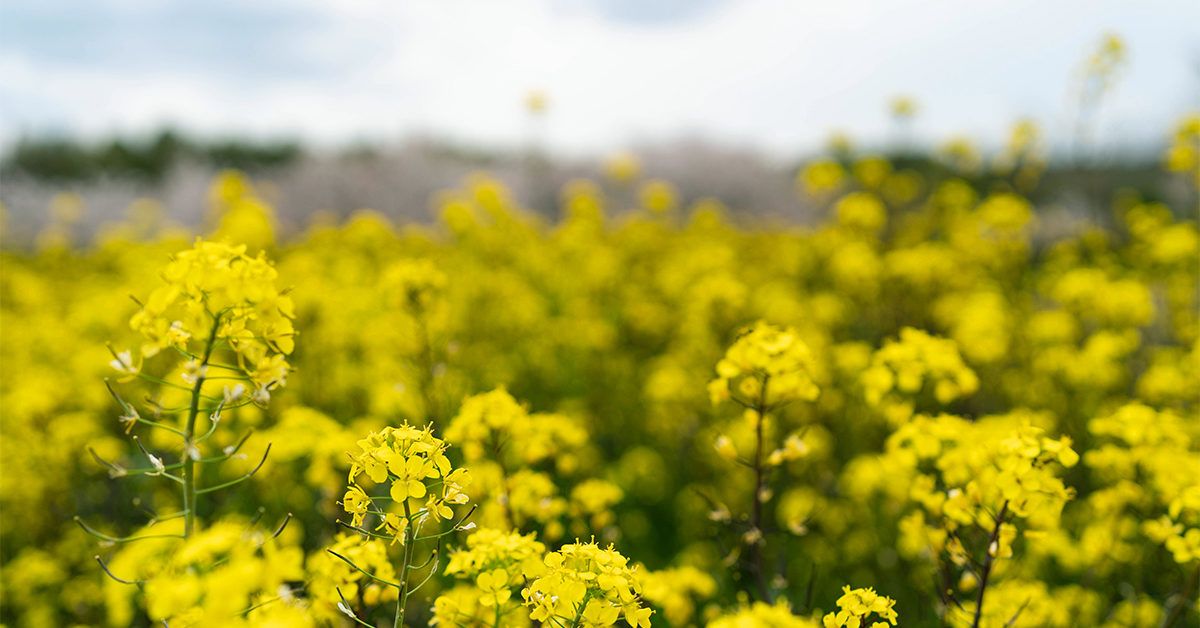
Mustard oil is made from the seeds of mustard plants, commonly brown, black, or white/yellow mustard. The seeds can be pressed to produce expressed mustard oil, which is rich in fatty acids and has a bold, pungent flavor. Mustard essential oil, on the other hand, is usually produced through steam distillation and contains concentrated volatile compounds, especially allyl isothiocyanate, the compound responsible for mustard’s nose-tingling heat.
That distinction matters. Expressed mustard oil is the traditional cooking oil used in many cultures, while mustard essential oil is extremely concentrated and should never be casually swallowed or applied undiluted. Think of expressed mustard oil as a strong personality. Think of mustard essential oil as that personality after three espressos.
8 Benefits of Mustard Oil
1. It Contains Heart-Friendly Unsaturated Fats
Mustard oil contains a mixture of monounsaturated and polyunsaturated fats. These types of fats are generally considered more heart-friendly than saturated fats when used as part of an overall balanced diet. Diets that replace saturated fats with unsaturated fats may help support healthier cholesterol levels and cardiovascular wellness.
However, this benefit needs context. Mustard oil is not automatically a heart-health magic potion. Traditional expressed mustard oil can also contain erucic acid, which is the reason it is not approved as a regular cooking oil in many U.S. retail settings. If you live in the United States, choose products clearly approved for food use if you plan to consume them, and do not assume every bottle in an international grocery aisle belongs in your frying pan.
2. It May Support a Better Omega Fatty Acid Balance
One reason mustard oil is interesting nutritionally is its fatty acid profile. It may contain alpha-linolenic acid, a plant-based omega-3 fatty acid, along with omega-6 fatty acids. Both omega-3 and omega-6 fats are essential, meaning the body needs them but cannot make them on its own.
Modern diets often lean heavily toward omega-6 fats and may be lower in omega-3 sources. Mustard oil has traditionally been valued in some food cultures because it can contribute both types. Still, the smarter message is not “drink mustard oil for omega-3s.” Please do not. Instead, think of it as one possible part of a varied fat intake that may also include olive oil, avocado oil, nuts, seeds, and fatty fish when appropriate.
3. It Has Natural Antimicrobial Compounds
Mustard gets its famous punch from compounds that form when mustard seeds are crushed or processed. One of the best-known is allyl isothiocyanate. Research has explored this compound for antimicrobial activity, especially against certain bacteria and fungi in food science settings.
This does not mean mustard oil should replace soap, antibiotics, preservatives, or basic food safety. If your chicken smells suspicious, mustard oil is not a tiny superhero in a cape. Throw the chicken away. But mustard’s natural antimicrobial compounds help explain why mustard seeds, mustard oil, and mustard preparations have been used traditionally in pickles, marinades, and preservation-style recipes.
4. It May Help Add Flavor Without Relying on Heavy Sauces
One practical benefit of mustard oil is culinary intensity. A small amount can bring a deep, sharp, nutty, slightly horseradish-like flavor to foods. In traditional cooking, mustard oil is often heated until it just begins to smoke, which mellows some of its raw pungency and gives dishes a savory backbone.
For people trying to reduce heavy creamy sauces, excessive butter, or sugary condiments, a strongly flavored oil can make vegetables, lentils, fish, potatoes, and pickles taste more exciting. Flavor matters because healthy eating is much easier when food tastes like something you actually want to eat, not like a motivational poster printed on lettuce.
Again, U.S. readers should use only mustard oil products labeled and approved for culinary use. If the bottle says “external use only,” believe the bottle. It is not being mysterious. It is giving instructions.
5. It May Support Scalp and Hair Moisture
Mustard oil is widely used in traditional hair care routines, especially as a pre-shampoo scalp oil. Its fatty acids can help coat hair strands, reduce the feeling of dryness, and add temporary shine. A scalp massage with oil may also help loosen flakes caused by dryness and improve the feeling of scalp comfort for some people.
There is not strong evidence that mustard oil directly makes hair grow faster. Hair growth is affected by genetics, hormones, nutrition, stress, medical conditions, and scalp health. But using oil carefully may reduce breakage and make hair look fuller because strands are less dry and frizzy.
To use it, apply a small amount to the scalp or hair lengths before washing. Leave it on for 15 to 30 minutes, then shampoo thoroughly. People with sensitive skin, eczema, psoriasis, dandruff caused by inflammation, or a history of allergic reactions should be cautious. Mustard oil can sting, burn, or irritate. A patch test is not optional; it is the bouncer at the door.
6. It May Help Dry Skin Feel Softer
Like many plant oils, mustard oil can create an occlusive layer on the skin, helping reduce water loss and leaving dry areas feeling softer. Traditional massage practices often use mustard oil on the body, particularly in colder seasons, because it creates a warming sensation and spreads easily.
However, mustard oil is not the gentlest oil in the beauty aisle. Its pungent compounds can irritate sensitive skin. It should not be used on broken skin, inflamed rashes, the face, genitals, or around the eyes. It is also not ideal for babies or young children unless a qualified clinician specifically approves it. For many people, bland oils such as sunflower, coconut, jojoba, or mineral oil may be better tolerated.
If using mustard oil on the body, dilute it with a milder carrier oil and test a small area first. If the skin turns red, itchy, swollen, or hot in a bad waynot a cozy fireplace waywash it off and stop using it.
7. It Can Provide a Warming Massage Effect
Mustard oil is famous for its warming sensation. In traditional wellness practices, it is often used for body massage, especially on tired muscles. The warming effect comes partly from mustard’s active compounds, which can stimulate nerve receptors in the skin.
A gentle massage itself may help improve temporary feelings of stiffness, promote relaxation, and increase local blood flow. Mustard oil adds slip and warmth, making the massage feel more intense. But it should not be treated as a cure for arthritis, injuries, nerve pain, or chronic inflammation.
Use it only on healthy, unbroken skin. Avoid heating it too much before applying, because hot oil plus spicy compounds equals a regrettable evening. Warm it slightly between your palms or place the container in warm water for a few minutes. If it feels uncomfortable, wash it off with mild soap.
8. It May Encourage More Traditional, Whole-Food Cooking
One underrated benefit of mustard oil is cultural and culinary: it belongs to food traditions built around lentils, fish, greens, vegetables, pickles, whole spices, and home-cooked meals. In Bengali, Punjabi, Nepali, and other regional cuisines, mustard oil is not just fat; it is part of a flavor system.
Used appropriately, it can help home cooks explore dishes that rely on spices, aromatics, legumes, and vegetables rather than ultra-processed shortcuts. A spoonful of the right oil in a pot of dal or a marinade for fish can make simple ingredients taste layered and satisfying.
That said, the benefit comes from the overall eating pattern, not mustard oil alone. A vegetable curry cooked with mustard oil is very different from deep-fried snacks eaten daily. Context is king, queen, and probably the entire royal pantry.
How to Use Mustard Oil Safely
For Cooking
If you are in a country where food-grade mustard oil is legally sold and commonly used, it is often used for sautéing, stir-frying, pickling, marinades, and finishing dishes. Traditional recipes may call for heating mustard oil until it reaches its smoking point, then cooling it slightly before adding ingredients. This process can soften its sharpness.
In the United States, do not cook with mustard oil labeled “for external use only.” If you want mustard flavor in food, safer alternatives include prepared mustard, mustard seeds, mustard powder, or food-grade mustard essential oil used only in tiny amounts by manufacturers or under expert guidance. For everyday cooking, olive oil, avocado oil, canola oil, peanut oil, sesame oil, and sunflower oil are more straightforward choices.
For Hair
Use mustard oil as a pre-shampoo treatment, not a leave-in product. Mix one teaspoon of mustard oil with two or three teaspoons of a gentler carrier oil, such as coconut, almond, jojoba, or sunflower oil. Massage lightly into the scalp or hair ends. Leave it on briefly, then wash well.
Do not use it every day. Once a week or even once or twice a month is enough for most people. More is not always better. Sometimes more is just greasy with consequences.
For Skin and Massage
For massage, dilute mustard oil and apply only to a small test area first. Avoid sensitive zones and never use it on irritated skin. If you are pregnant, nursing, caring for a baby, managing a skin disease, or taking medication for a chronic condition, ask a healthcare professional before using it regularly.
Possible Side Effects and Risks
Mustard oil can cause irritation, redness, burning, itching, allergic reactions, or contact dermatitis. Mustard is also a known allergen for some people. Anyone with mustard allergy should avoid mustard oil completely.
The biggest dietary concern is erucic acid in traditional expressed mustard oil. High-erucic-acid oils are restricted for food use in the United States. This is why many bottles are labeled for external use only. Mustard essential oil is also highly concentrated and can be toxic or irritating if misused. It should not be swallowed casually or applied directly to the skin undiluted.
People with heart disease, liver disease, pregnancy concerns, allergies, sensitive skin, or chronic medical conditions should be especially cautious. Natural products can be powerful. Poison ivy is natural too, and nobody is inviting it to brunch.
Who Should Avoid Mustard Oil?
Avoid mustard oil if you have a mustard allergy, very sensitive skin, eczema, psoriasis, open wounds, unexplained rashes, or a history of reactions to essential oils. Do not use it on infants or young children without professional medical guidance. Do not ingest mustard oil in the United States unless it is specifically approved and labeled for food use.
If you experience burning, swelling, hives, trouble breathing, dizziness, or severe discomfort after using mustard oil, stop immediately and seek medical help. Mild warmth can be normal during topical use; pain is your body filing a complaint.
Practical Ways to Enjoy Mustard Flavor Without the Risk
If your main goal is flavor, you have options. Toast mustard seeds in a little approved cooking oil and add them to vegetables, lentils, soups, or rice. Use mustard powder in rubs and salad dressings. Add Dijon, yellow mustard, or whole-grain mustard to marinades, vinaigrettes, sandwiches, and roasted vegetables.
For a mustard-style finishing oil, infuse an approved neutral oil with toasted mustard seeds, then strain it. This gives you some mustard aroma without relying on a bottle labeled for external use. It will not taste exactly like traditional mustard oil, but it can still bring personality to the plate.
Real-Life Experiences With Mustard Oil
People often discover mustard oil through family kitchens rather than wellness blogs. Someone’s grandmother heats it in a small pan, the room fills with a sharp aroma, and suddenly dinner smells serious. In many homes, mustard oil is associated with fish curry, pickles, sautéed greens, mashed potatoes with chilies, or lentils finished with sizzling spices. The smell can be surprising at first. It is not shy. It walks into the room wearing tap shoes.
One common experience is learning that a little goes a long way. A beginner may pour mustard oil as generously as olive oil and then wonder why the dish tastes like it is arguing with them. Experienced cooks usually treat it with more respect. They heat it, mellow it, and pair it with ingredients that can stand up to its intensity: garlic, ginger, turmeric, cumin, coriander, chilies, eggplant, potatoes, fish, leafy greens, and legumes.
Another common experience is using mustard oil for hair before wash day. Many people describe it as thick, warming, and deeply aromatic. Some love the scent because it reminds them of home. Others find it too strong and mix it with coconut or almond oil. The best results usually come from moderation: a small amount, a short contact time, and a thorough shampoo afterward. Used that way, it can make dry hair feel smoother and look shinier. Used too heavily, it can leave hair limp, oily, and smelling like a spice shop moved into your bathroom.
For massage, people often describe mustard oil as warming and comforting, especially in cool weather. It spreads well and gives the skin a moisturized feel. But experiences vary widely. Some people tolerate it beautifully; others feel stinging or itching within minutes. That is why patch testing matters so much. Traditional use is meaningful, but personal tolerance still gets the final vote.
A practical lesson from real-world use is that mustard oil works best when people respect its strength. It is not a neutral product. It has aroma, heat, cultural history, possible benefits, and real safety limits. The smartest users do not treat it as a cure-all. They treat it as a strong traditional ingredient that deserves careful handling.
For U.S. consumers, the most important experience may happen in the grocery aisle. Two bottles can look similar, but one may be labeled for external use only. That label changes everything. If the plan is cooking, the product must be food-grade and legally suitable for consumption. If the plan is topical use, the product still needs caution, dilution, and patch testing.
In short, mustard oil can be wonderful in the right context. It can make traditional dishes taste bold, give dry hair temporary softness, and add warmth to massage. But it is not gentle, invisible, or universally safe. Mustard oil is more like a cast-iron skillet than a paper plate: useful, durable, full of character, and best handled by someone paying attention.
Conclusion
Mustard oil has a fascinating mix of potential benefits. It contains unsaturated fats, offers bold flavor, provides natural pungent compounds, and has a long tradition in cooking, hair care, and massage. It may support flavorful home cooking, scalp moisture, skin softness, and warming massage when used carefully.
Still, mustard oil requires more caution than many trendy oils. In the United States, expressed mustard oil is commonly labeled for external use only because of erucic acid concerns. Topical use can also irritate the skin or scalp, especially if the oil is undiluted or used too often. The best approach is simple: read labels, use small amounts, patch test, avoid sensitive areas, and choose safer alternatives when needed.
Mustard oil is bold, traditional, and usefulbut it is not a free pass to ignore safety. Treat it with respect, and it can add serious character to your kitchen and self-care routine.