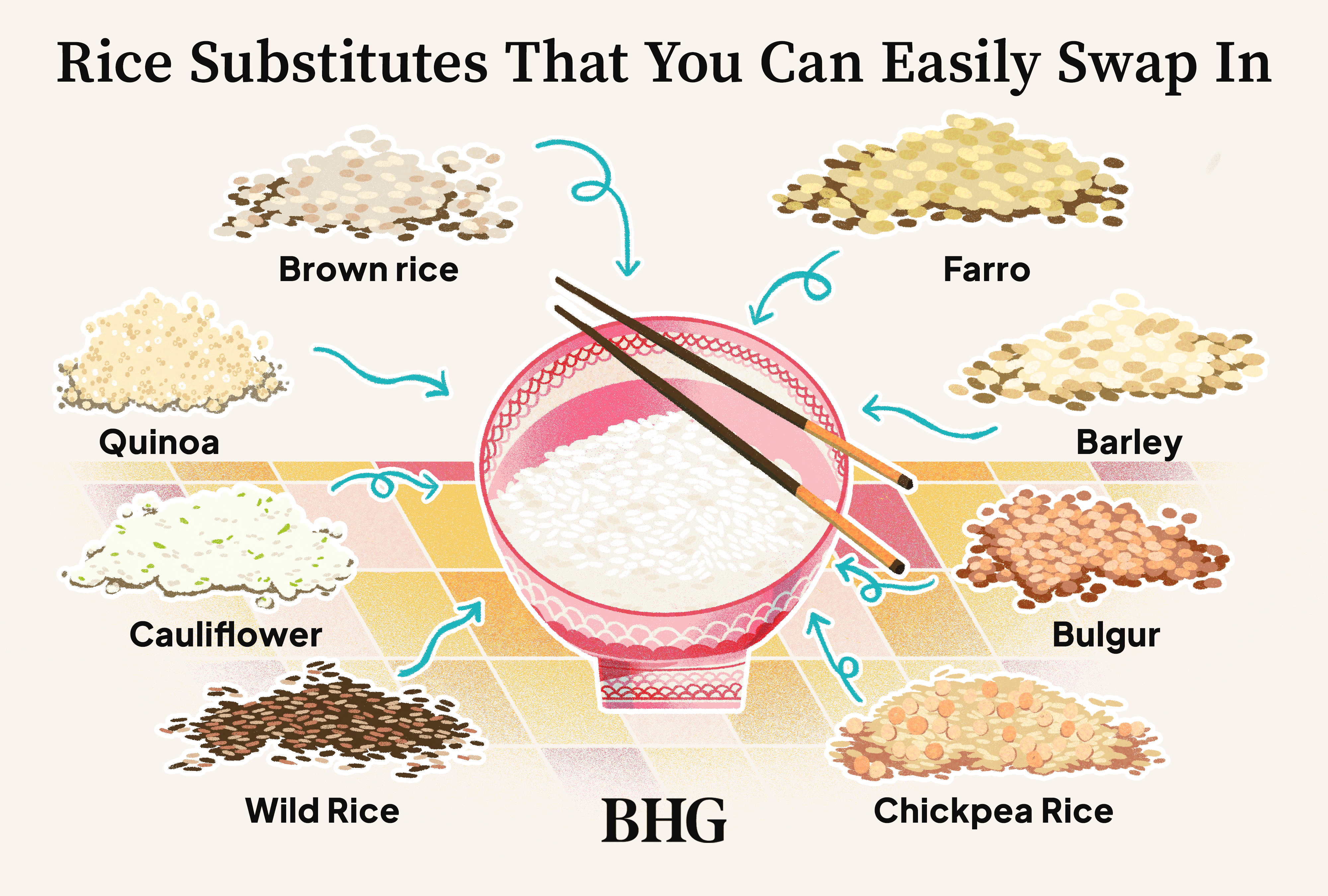
Rice is the comfy hoodie of the dinner world: reliable, goes with everything, and somehow shows up in your kitchen even when you swear you “didn’t buy any this week.” But sometimes you want a changemaybe you’re chasing more protein, more fiber, fewer carbs, a different texture, or you’re simply bored of your usual scoop. The good news: you don’t need to overhaul your whole meal plan. You just need a better base.
Below are eight tasty rice alternatives you can swap in with minimal drama. Some are whole grains with hearty chew, some are veggie “rices” that disappear into stir-fries like a ninja, and one is so low-calorie it basically qualifies as a food optical illusion. Along the way, you’ll get flavor notes, best uses, and practical cooking tipsbecause nobody has time for sad, soggy “rice.”
Why Swap Rice in the First Place?
Let’s be clear: rice is not the villain. (It’s never burned my house down. Can’t say the same for my toaster.) But swapping your base can help you:
- Add more protein to keep you satisfied longer (hello, quinoa).
- Increase fiber and nutrients by choosing whole grains (barley, bulgur, farro).
- Lower carbs or lighten the meal without shrinking your plate (cauliflower rice, broccoli rice, shirataki rice).
- Change the texture so the same old chicken bowl tastes brand new.
- Meet dietary needs like gluten-free or low-carb without sacrificing the “bowl life.”
Quick Swap Cheat Sheet (So You Don’t Overthink Dinner)
Use this as a starting point, then adjust based on your recipe:
- Grains (quinoa, millet, farro, barley, bulgur): swap 1:1 for cooked rice in bowls, salads, and sides.
- Veggie rice (cauliflower, broccoli): swap 1:1 by volume, but expect less “heft.” Pair with extra protein or beans.
- Shirataki (konjac) rice: swap 1:1, but dry it well first or you’ll invite “mysterious puddle” energy to your plate.
1) Quinoa
Quinoa is the overachiever of rice alternatives: it cooks quickly, plays well with spices, and brings more protein to the party than most grains. Texture-wise, it’s fluffy with a gentle poplike rice that went to finishing school and learned to pronounce “vinaigrette.”
Best for
- Grain bowls (chipotle-style, Mediterranean, “whatever’s in the fridge”)
- Stuffed peppers, burrito bowls, and taco nights
- Cold salads (it doesn’t turn sad and gluey like some starches)
Cooking tips that actually matter
- Rinse it first to remove bitterness (those natural coating compounds are real).
- Flavor hack: cook it in broth, then finish with lemon, herbs, or a drizzle of olive oil.
- Texture goal: fluffy, not mushyuse a measured liquid ratio and let it steam off the heat with the lid on.
Easy swap example
Replace white rice with quinoa under stir-fried chicken and veggies. Add a punchy sauce (soy + garlic + ginger + a little honey), and quinoa happily soaks it up.
2) Cauliflower Rice
Cauliflower rice is the MVP of low-carb swaps because it mimics rice visually and behaves nicely in stir-friesif you treat it correctly. It’s mild, slightly sweet, and basically a sponge for sauces. The main rule: don’t overcook it, unless your life goal is cauliflower mush.
Best for
- Fried “rice” (especially with eggs, scallions, and sesame oil)
- Curry bowls and saucy dishes
- Meal prep when you want volume without heaviness
How to avoid watery cauliflower sadness
- Cook hot and fast: sauté over medium-high heat until just tender.
- Don’t drown it: avoid adding extra water; moisture is already in the veggie.
- Frozen works: but cook off the waterlet steam escape and stir occasionally.
Easy swap example
Make a “rice bowl” with cauliflower rice, teriyaki salmon, cucumbers, edamame, and avocado. You keep the bowl vibe, lose the food coma.
3) Broccoli Rice
Broccoli rice is cauliflower’s bolder cousin. It’s a little greener (literally), a little more flavorful, and excellent when you want a veggie base that doesn’t pretend it’s neutral. If cauliflower rice is a blank canvas, broccoli rice is already sketched inuse it when you want the base to have opinions.
Best for
- Cilantro-lime “rice” style sides
- Burrito bowls, taco salads, and anything with beans
- Cheesy casseroles where you want sneakier veggies
Cooking tips
- Pulse, don’t puree: aim for rice-like bits, not broccoli paste.
- Quick sauté: 3–6 minutes is usually enough to soften without turning swampy.
- Flavor friends: garlic, lime, scallions, cilantro, chili flakes, and toasted sesame oil.
Easy swap example
Replace rice with broccoli rice under black beans, fajita veggies, pico de gallo, and a little shredded cheese. It tastes like you planned it.
4) Farro
Farro is chewy, nutty, and heartyperfect when you want your “rice” to have texture and backbone. If white rice is soft background music, farro is a live band in your dining room. It’s especially good for people who love brown rice but wish it were more interesting.
Best for
- Mediterranean bowls (olive oil, lemon, feta, roasted veggies)
- Soups and stews (it holds up and doesn’t vanish)
- Meal prep that stays satisfying for days
Cooking tips
- Know your farro: pearled cooks faster; whole farro takes longer and stays more chewy.
- Salt the water: it makes the grain taste like food, not packing peanuts.
- Dress it warm: toss cooked farro with olive oil, herbs, and acid while it’s still warm so it absorbs flavor.
Easy swap example
Swap rice in a “risotto-ish” dinner: simmer farro until tender, then stir in sautéed mushrooms, parmesan, and a squeeze of lemon. It’s not risotto, but it’s deliciousand your stirring arm will send a thank-you card.
5) Pearl Barley
Pearl barley is creamy-meets-chewy, with a mild flavor that works in everything from soup to grain bowls. It’s a great choice when you want a rice alternative that feels comforting and substantial. Bonus: it does a surprisingly good job replacing rice in “pilaf” style sides.
Best for
- Soups (classic, cozy, and filling)
- Chicken-and-vegetable bowls with gravy-like sauces
- Cold barley salads with crunchy veggies and vinaigrette
Cooking tips
- Rinse first: helps remove excess starch and keeps texture cleaner.
- Plan for time: barley takes longer than quinoa, but it’s low-effort once simmering.
- Big-batch friendly: cook extra and use it for quick lunches all week.
Easy swap example
Instead of rice under beef stew, use barley. The grains soak up the broth and turn the bowl into a warm blanket you can eat.
6) Bulgur Wheat
Bulgur is a fast-cooking, pleasantly chewy grain that’s basically made for people who want a whole-grain swap without waiting forever. Because it’s cracked wheat (often partially pre-cooked), it can cook quicklysometimes by soaking in hot water. Flavor is mild and slightly nutty, which makes it an easy rice stand-in.
Best for
- Mediterranean plates (think: kebabs, roasted veggies, yogurt sauces)
- Quick weeknight sides when you’re hungry now
- Cold salads (tabbouleh vibes) and lunch bowls
Cooking tips
- Match the grind to the job: fine bulgur is great for salads; coarser bulgur is better as a rice replacement.
- Soak method: for some types, boiling water + covered bowl is all you need.
- Season boldly: bulgur loves lemon, parsley, cumin, paprika, and garlic.
Easy swap example
Use bulgur in place of rice for a shawarma-style bowl: bulgur + spiced chicken + cucumber-tomato salad + tahini sauce. Fast, filling, and way more exciting than “plain rice again.”
7) Millet
Millet is a small, mild grain with a gentle corn-like nuttiness. Cooked fluffy, it can feel like a cousin of couscous and riceespecially in pilafs. Cooked with more liquid, it can go creamy like porridge. For a rice swap, we’re going for fluffy and separate.
Best for
- Pilafs with sautéed onions, garlic, and toasted nuts
- Grain bowls with roasted vegetables and vinaigrette
- Side dishes that need a neutral-but-not-boring base
Cooking tips
- Toast first: a quick dry toast in the pan boosts flavor dramatically.
- Fluff time matters: let it sit covered after cooking, then fluff with a fork.
- Pair smart: millet is fantastic with mushrooms, caramelized onions, roasted squash, and herbs.
Easy swap example
Replace rice in a simple “salmon bowl” with millet, then add roasted broccoli, a squeeze of lemon, and dill. It tastes like a weeknight dinner that accidentally has its life together.
8) Shirataki (Konjac) Rice
Shirataki rice is made from konjac (a plant that contains glucomannan fiber). It’s famously low in calories and carbs, which is why it shows up in low-carb kitchens everywhere. Texture is springy and slightly chewy. The biggest hurdle is moistureand sometimes a mild package smellwhich is solved with rinsing and dry pan-frying.
Best for
- Low-carb stir-fries and fried “rice”
- Curry dishes where sauce is the main character
- Meals where you want a lighter base but still want a bowl
How to make it taste normal (in a good way)
- Rinse well: don’t be shy; rinse under running water.
- Dry-fry first: sauté in a dry skillet until moisture cooks offthis is the magic step.
- Then add flavor: oil, soy sauce, garlic, chili crisp, currywhatever your dish needs.
Easy swap example
Make “egg fried rice” with shirataki: dry-fry first, then add scrambled eggs, peas, carrots, green onion, and a splash of soy sauce. It scratches the itch without feeling like you ate a brick of starch.
How to Choose the Right Rice Alternative for Your Meal
If you’re staring into your pantry like it’s going to reveal your destiny, here’s a simple way to decide:
Pick a hearty grain when you want comfort and chew
- Farro for nutty, chewy bowls
- Barley for cozy soups and stew-like meals
- Bulgur for quick whole-grain sides
Pick a lighter base when the sauce is doing the heavy lifting
- Cauliflower rice for curries and stir-fries
- Broccoli rice for bold, veggie-forward bowls
- Shirataki rice for low-carb meals with big flavor
Pick a “balanced” all-purpose swap
- Quinoa when you want protein and versatility
- Millet when you want mild flavor and pilaf potential
500+ Words of Realistic Swap Experiences (What Usually Works, What Usually Doesn’t)
Swapping rice sounds easy until you’re five minutes into cooking and your “healthy upgrade” is either watery, bland, or suspiciously crunchy. Here are the most common real-world moments people run intoand how to come out victorious (and still hungry for dinner, not revenge).
Experience #1: “Why is my cauliflower rice soggy?”
This is the #1 complaint, and it’s almost always a heat-and-moisture problem. Cauliflower is basically a tiny water balloon disguised as a vegetable. If you cook it low and slow, it steams in its own liquid and turns into a soft pile that tastes like disappointment. The fix is simple: cook hot and fast, don’t overcrowd the pan, and let steam escape. Think “stir-fry technique,” not “gentle simmer.” If you’re using frozen cauliflower rice, expect extra moisture and plan to cook it a bit longer to evaporate the water. Once you nail that, cauliflower rice becomes a legit weeknight heroespecially under saucy dishes.
Experience #2: “Quinoa tastes… weird.”
Sometimes quinoa gets blamed for crimes it didn’t commit. The culprit is usually not rinsing. That natural coating can taste bitter, and bitter is not the vibe you want under your teriyaki chicken. Rinse in a fine mesh strainer, then cook it with a little salt. For bonus points, toast the quinoa in the pot for a minute before adding liquid. The flavor shifts from “health food aisle” to “nutty and toasty,” which is a glow-up your taste buds will appreciate.
Experience #3: “I swapped in farro and now it’s… chewy.”
Yes. That’s the pointand also why farro fans are so loyal. If you expect soft, pillowy white rice, farro will surprise you with its satisfying bite. People who love al dente pasta usually love farro. People who want everything soft might prefer quinoa or barley. Farro is incredible with roasted vegetables and bold dressings because it doesn’t collapse. It stays interesting on day three of meal prep, when regular rice often starts to feel like a sticky rerun.
Experience #4: “Bulgur saved my weeknight.”
Bulgur is the under-sung hero for busy cooks because it can be fastsometimes “pour boiling water, cover, and walk away” fast. It’s also forgiving: even if you slightly overdo it, it usually becomes pleasantly tender instead of turning to glue. Bulgur shines in bowls with chopped veggies, herbs, and a lemony sauce. It’s the kind of base that makes your meal feel fresh, like you didn’t just assemble dinner from leftovers and hope for the best (even if that’s exactly what happened).
Experience #5: “Shirataki rice smells strange.”
First: don’t panic. Rinse it. Second: dry-fry it. That’s the whole secret. Most people skip the dry-fry step, then wonder why their stir-fry tastes like it was cooked in a rainstorm. When you dry-fry until the moisture evaporates, the texture improves and the “package aroma” fades fast. Then you add oil and seasonings, and suddenly it’s a workable base for big flavors. It won’t be identical to jasmine rice (nothing is), but it absolutely works when the sauce is bold and you want a lighter meal.
Experience #6: “Broccoli rice tastes too… broccoli.”
If you’re expecting broccoli rice to vanish into the background, it may not. It’s louder than cauliflower rice. The trick is pairing: broccoli rice loves lime, garlic, scallions, and creamy elements like avocado or yogurt sauce. If you season it like rice (aka barely), it will taste like broccoli. If you season it like a star side dish, it will taste like something you chose on purpose.
In short: most swaps fail for the same reasonstoo much moisture, too little seasoning, or mismatched expectations. Once you know each alternative’s personality, you can pick the right one for the dish and make your “rice-less” dinner feel like an upgrade, not a compromise.
Conclusion: Your Bowl, Your Rules
Rice will always have a place at the table. But these eight alternatives give you optionsmore texture, more nutrients, fewer carbs, faster cook times, or just a new flavor direction. The easiest way to start is to pick one swap that fits your favorite meal: quinoa for burrito bowls, cauliflower rice for stir-fries, barley for soup nights, or bulgur for quick sides. Once you find a couple you love, dinner gets more interesting without getting more complicated. And that’s the kind of “adulting” we can all get behind.