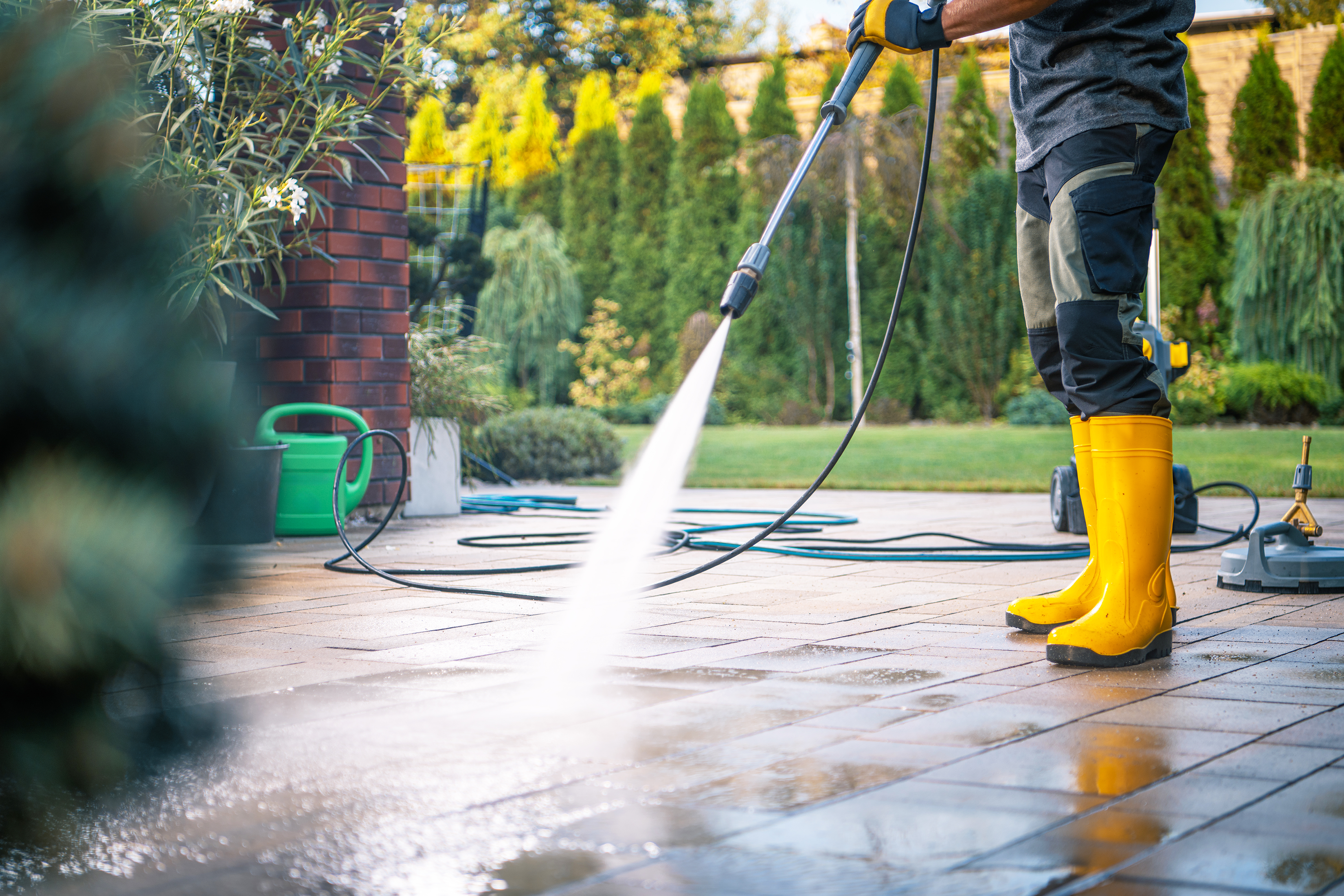
If you’ve ever watched a pressure washer erase a season’s worth of grime in one pass, you know the feeling:
power. control. destiny. a very wet driveway. But here’s the plot twistpressure washers don’t just remove dirt.
Used in the wrong place, they remove protective coatings, sealants, mortar, paint, and sometimes your weekend plans.
The fix is simple: know what not to blast. Below are nine common “please don’t” items, why they fail under high
pressure, and what to do instead. Consider this your cheat sheet for avoiding leaks, broken glass, warranty
drama, and that awkward conversation where you have to explain why the gutter is now on the lawn.
Why pressure washers cause damage (it’s not just “too much power”)
Pressure washers take normal hose water and turn it into a focused stream strong enough to lift stuck-on debris.
That same force can:
- Strip surfaces (paint, stains, roof granules, protective films)
- Etch and erode softer materials (old mortar, soft brick, some stone)
- Force water where it doesn’t belong (behind siding, under shingles, into window frames)
- Damage delicate parts (HVAC fins, seals, gaskets, screens)
- Create safety hazards (slips, recoil, electric shock, injuries)
In other words, a pressure washer is less like a “cleaning tool” and more like a “water-powered chisel.”
Amazing when used correctlychaos when used like a garden hose with confidence issues.
9 Things You Should Never Pressure Wash
1) Asphalt shingle roofs (and most roofs, honestly)
Asphalt shingles have protective granules that shield the roof from sun and weather. High-pressure water can
strip those granules, loosen shingles, and drive water up under the roofinghello leaks. It’s also a fall risk:
recoil plus a wet roof is an invitation to star in a cautionary tale.
Do this instead: Use a “soft wash” approach (low pressure + an appropriate cleaner) or hire a
roof-cleaning pro. For moss and algae, the goal is treatment and gentle rinsingnot power-sanding your roof with
water.
2) Windows and glass doors
Glass looks sturdy until you hit it with a concentrated water jet. Pressure can crack panes, rip screens, and
compromise seals around frames. Even if nothing shatters, forcing water into the track or under trim can lead to
hidden moisture problems that show up later as foggy panes or interior staining.
Do this instead: Rinse with a garden hose, then wash with a microfiber mop or soft sponge and a
mild soap solution. Save the pressure washer for things that won’t become “glass confetti” if you sneeze wrong.
3) Fiber cement siding and stucco
Fiber cement is durable, but manufacturers often warn against blasting it with high pressure because it can
damage the surface and push water behind the boards. Stucco has a similar issue: it can chip, crack, and soak up
water in places you really don’t want water to hang out. Worst case, you get moisture trapped behind the wallbest
case, you get patchwork repairs that never match.
Do this instead: Use a low-pressure rinse, a soft or medium bristle brush, and a cleaner designed
for siding. If you absolutely must use a pressure washer, keep the pressure low, use a wide fan tip, and keep your
distancebut “gentle” is the theme here.
4) Old brick, aging mortar, and soft stone
New, solid brick can sometimes tolerate low pressure. Old brick and crumbly mortar? Not so much. High-pressure
water can blast mortar out of joints, widen existing cracks, and leave brick faces pitted. Once water starts
getting into those new gaps, freeze–thaw cycles and ongoing moisture can speed up deterioration.
Do this instead: Start with the gentlest method: a hose, a stiff (not metal) brush, and a
masonry-safe cleaner. If you’re unsure about the mortar, do the “screwdriver test”: if the joint crumbles easily,
skip the pressure washer and consider a mason for repairs before cleaning.
5) Gutters (especially seams, brackets, and the interior)
Gutters are designed to handle rain flowing through them, not a concentrated jet hitting seams and
fasteners at close range. Too much pressure can bend metal, pop joints, tear out brackets, and blow out sealant.
Even if they stay attached, you can push water behind the fasciaexactly where you don’t want surprise moisture.
Do this instead: Scoop debris by hand (with gloves), flush with a hose, and use gentle cleaning on
the exterior only. If the gutters are high or clogged like a compost bin, a pro is cheaper than replacing an
entire run.
6) Painted surfaces (especially if the home is older)
Pressure washers are fantastic at removing loose paint because… well, that’s basically what they do: strip stuff.
That’s great when you’re intentionally prepping a surface, but terrible when you just wanted pollen off the trim.
Worse, if your home was built before 1978, there’s a higher chance the paint contains lead. Blasting deteriorating
paint can spread chips and contaminated dust into soil and surrounding areas.
Do this instead: Wash painted surfaces with a hose, mild detergent, and a soft brush. If you’re
prepping for repainting, follow lead-safe practices and consider hiring a certified pro for older homes. Your
lungs and your landscaping will thank you.
7) Electrical components: meters, panels, outlets, and outdoor lights
Outdoor electrical gear is weather-resistant, not pressure-washer-proof. High-pressure water can be driven through
tiny gaps into housings, leading to corrosion, shorts, and failures that are expensive (and sometimes dangerous).
Light fixtures are especially prone to water intrusion if seals are aging or the fixture isn’t truly watertight.
Do this instead: Turn off power at the breaker when appropriate, dust and wipe with a damp cloth,
and use gentle rinsing well away from openings. If it’s more than surface dirt, call an electrician or a qualified
service techbecause electricity and “let’s see what happens” don’t mix.
8) Air conditioner condensers and other HVAC equipment
Those thin metal fins on your outdoor AC unit look tough, but they bend easily. A pressure washer can flatten
fins, restrict airflow, and reduce efficiencymeaning higher bills and more wear on the system. Water can also be
forced into electrical components or areas not meant to be soaked.
Do this instead: Shut off power, clear leaves by hand, and rinse gently from the inside out with a
garden hose. For deep cleaning, use a proper coil cleaner and follow manufacturer guidance, or schedule
maintenance with an HVAC pro.
9) Outdoor furniture and pools (aka “stuff with thin skins and big repair bills”)
Pressure washing can shred wicker, gouge softer woods, and strip protective finishes on materials like teak. Vinyl
and fiberglass furniture can crack or degrade over time when blasted repeatedly. Pools are another “looks sturdy,
isn’t” situation: high pressure can damage plaster or coatings, and vinyl liners can tearespecially when they’re
older and more brittle.
Do this instead: Clean furniture with a soft brush and mild soap. For teak, use gentle cleaners
and avoid anything that raises the grain. For pools, stick with approved chemicals, brushes, and pool-safe
cleaning tools (or a service). Your future self will appreciate not having to patch a liner in the middle of
summer.
“Oops.” What to do if you already pressure washed one of these
- Stop and assess: Look for lifted shingles, loosened joints, or chipped mortar before you keep going “just to finish the job.”
- Dry it out: If water got where it shouldn’t (windows, siding seams, electrical areas), let it dry thoroughly and watch for signs of moisture inside.
- Cut power if needed: If you sprayed near electrical components and suspect water intrusion, shut off power and call a pro.
- Document damage: Photos help with warranties, contractors, and the personal growth journey you’re about to go on.
Pressure washing safety: the part people skip (and shouldn’t)
Pressure washers can injure people and damage property fast. Wear eye protection, closed-toe shoes, and avoid
ladders whenever possible. Use wider fan tips rather than a narrow jet, keep a steady stance, and never point the
spray at people, pets, or plants. If you’re cleaning near electricity or at height, it’s often smarter (and
cheaper) to hire a professional than to test your reflexes.
Safer ways to get the “wow” clean without the “wow” repair bill
If your goal is curb appealnot emergency drywall repairtry these alternatives:
- Soft washing: Low pressure plus a cleaner that breaks down grime, algae, and mildew.
- Garden hose + good nozzle: Surprisingly effective when you give detergent time to work.
- Brushes and microfiber tools: Great for painted surfaces, windows, furniture, and delicate trim.
- Targeted cleaners: Siding wash, masonry cleaner, deck cleaneruse the right chemistry before you reach for more PSI.
500+ Words of Real-World Lessons Homeowners Learn the Hard Way
Here’s the funny thing about pressure washers: they make you feel like a superhero right up until they don’t. And
the “don’t” usually happens in the exact spot you can’t easily fixsecond-story windows, the roof edge, or that one
gutter seam you can’t reach without doing the world’s least relaxing yoga pose.
Story #1: The roof that got “cleaner” and somehow… older. A common pattern goes like this: someone
notices dark streaks on the shingles (often algae), grabs a high-powered nozzle, and blasts the problem away. The
streaks fade, but so do the shingle granules. A week later, the downspouts are full of gritty “roof sand,” and a
few months later, the attic smells faintly like wet cardboard after a storm. Lesson: roofs need treatment, not
blasting.
Story #2: The window that didn’t breakuntil winter. Another classic is spraying windows to “save
time.” The glass survives, everyone celebrates, and then cold weather arrives. Suddenly a double-pane window fogs
up between the layers. Often, the seal was already weak; the pressure washer just pushed extra moisture into
places it didn’t belong. Lesson: windows are a gentle-clean zone, even if they’re tall and annoying.
Story #3: The gutter that popped like a Lego. People try to “power-flush” gutters, and it
worksright up until the seam sealant gives up, or a bracket loosens, or the whole section starts to sag like it’s
tired of holding your leaves’ emotional baggage. Lesson: gutters are for scooping and rinsing, not pressure
blasting.
Story #4: The AC unit with the world’s saddest fins. Outdoor condensers collect fluff, grass
clippings, and cottonwood like it’s their hobby. Someone aims a pressure washer at the fins, and the fins bend
like a cheap comb. Airflow drops, the system runs longer, and the power bill quietly climbs. Lesson: a gentle hose
rinse and proper maintenance beat “industrial water karate.”
Story #5: The patio set that started shedding. Wicker and older vinyl furniture can look grimy,
so it’s tempting to blast it clean. But pressure can fray strands, loosen weave, and strip finishesturning “dirty
but fine” into “clean but falling apart.” Lesson: soft brush, mild soap, patience. (Yes, patience. Sorry.)
Story #6: The “quick rinse” that became a repainting project. Painted porch railings and window
trim love to look fine from ten feet away. Up close, the paint might already be chalky or peeling. A pressure
washer doesn’t clean thatit lifts it. Homeowners often end up with zebra stripes of bare wood and stubborn paint
edges that now have to be scraped, sanded, primed, and repainted. Lesson: if your goal isn’t surface prep, skip
high pressure. Use a gentle wash, let it dry, and handle repainting on purposenot by surprise.
And here’s a simple rule that prevents most disasters: if the thing you’re cleaning relies on seals,
joints, coatings, or wiring to work properly, high pressure is usually the wrong move. When in doubt, test
your method in an inconspicuous spot, start farther back than you think you need, and lower the pressure before
you raise your confidence.
If you take one takeaway from all these stories, make it this: start gentler than you think you need. Most grime
has a weak pointsoap time, a brush, a rinselong before you need max PSI. Save the pressure washer’s muscle for
tough, durable surfaces like concrete and pavers, and keep it away from anything that relies on seals, coatings,
joints, or delicate parts to do its job.
Conclusion
Pressure washers are awesomewhen they’re aimed at the right targets. Keep them off roofs, windows, fragile siding,
old masonry, gutters, painted surfaces, electrical components, HVAC equipment, and delicate outdoor materials.
Choose a softer method first, and you’ll get the clean look you want without accidentally turning “spring cleanup”
into “summer renovation.”