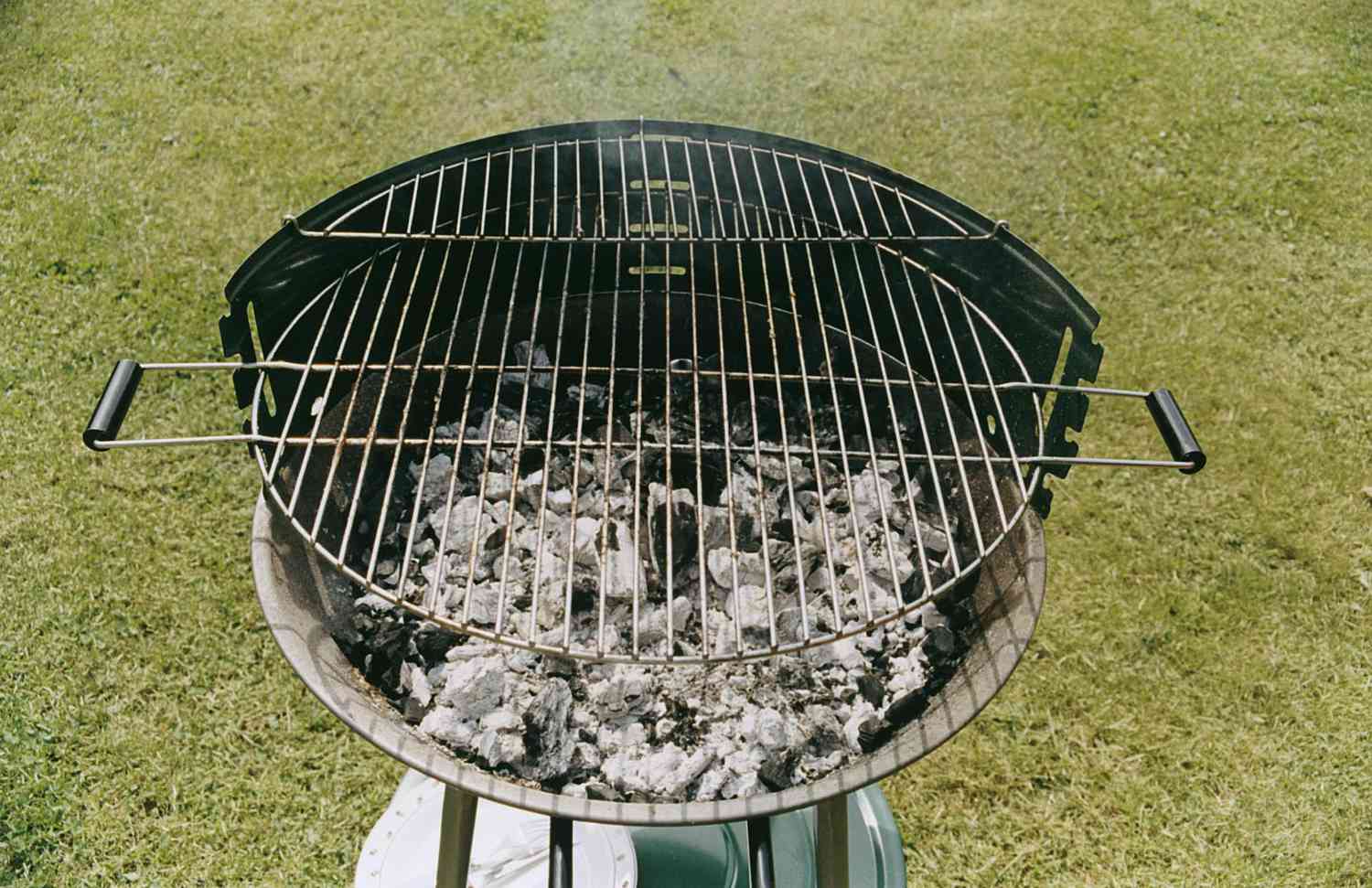
Picking a grill is a little like picking a pizza style. Everyone swears their choice is the only “real” way,
and the arguments get oddly emotional for something that ultimately exists to cook hot dogs.
But grills aren’t just vibesthey’re tools. And the “best” grill is the one that fits your space, your schedule,
and how you actually cook (not how you imagine you’ll cook after watching one barbecue video at 2 a.m.).
This guide breaks down the big threecharcoal, gas, and electricwith honest pros/cons,
real-world examples, and a decision framework you can use in about the time it takes to preheat a gas grill.
The Quick Answer (Because Dinner Won’t Wait)
- Choose charcoal if you want the most flexibility for high-heat searing and low-and-slow, and you enjoy hands-on cooking.
- Choose gas if you grill often (especially weeknights) and want speed, consistency, and easy temperature control.
- Choose electric if you have limited outdoor space, need a flame-free option (common in apartments/condos), or want a plug-and-grill setup.
What “Best” Really Means When You’re Buying a Grill
Most people think the decision is about flavor alone. Flavor matters, surebut so do things like:
heat control, startup time, cleanup, where you’re allowed to grill,
and whether you’re cooking for two people on a Tuesday or twelve people on a Saturday.
Here are the five criteria that actually decide happiness over time:
- Speed: How fast can you be cooking?
- Temperature control: Can you hold steady heat for chicken thighs without burning them into jerky?
- Versatility: Can you sear steaks, roast veggies, and also slow-cook ribs?
- Space & rules: Balcony? Patio? Backyard? HOA? Apartment lease that hates joy?
- Maintenance: Grease, ash, burner tubes, drip traysyour future self will meet these people.
Charcoal Grills: The “I Came Here to Cook” Option
Charcoal grills are the classic: coals, vents, smoke, and the occasional moment where you question your life choices
because you forgot to buy charcoal. But once you learn them, they’re incredibly capable.
Why people love charcoal
- Huge temperature range: You can run gentle indirect heat or crank up for aggressive searing.
- Smoke-friendly cooking: Charcoal setups make it easier to add wood chunks/chips and keep smoke in the chamber.
- Great for indirect cooking: Banking coals to one side creates a natural two-zone setup for thicker cuts.
- Simple mechanics: Fewer parts to break compared with gas burners and igniters.
Where charcoal can test your patience
- Startup time: You’re usually looking at a longer ramp-up before you’re truly cooking.
- Active management: Vents and fuel adjustments take practice, especially in wind or cold weather.
- Cleanup is messier: Ash disposal is part of the routine, and airflow suffers if you ignore it.
Best for: weekend grilling, barbecue hobbyists, people who want steaks one day and “accidentally smoked wings” the next.
Gas Grills: The Weeknight Hero (and Party MVP)
Gas grillspropane or natural gaswin on convenience. Twist a knob, hit ignition, and you’re in business.
They’re also great for anyone who wants reliable results without treating grilling like a second job.
Why gas is so popular
- Fast preheat: Ideal for spontaneous burgers, chicken, or veggies when you’re hungry nownot “after a charcoal warm-up montage.”
- Easy temperature control: Burner knobs make it simpler to hold steady heat for longer cooks.
- Great for frequent grilling: If you cook outdoors a few times a week, gas feels effortless.
Trade-offs with gas
- Smoke is harder to trap: You can add smoke with a smoker box or foil pouch, but it’s less natural than charcoal.
- More components: Burners, igniters, flavorizer bars, regulator issuesmaintenance is real.
- Fuel logistics: Propane tanks run out at the worst possible time. (This is not superstition. It is science.)
Best for: families, frequent grillers, meal-prep folks, and anyone who likes consistent cooking over “romantic chaos.”
Electric Grills: The Small-Space Problem Solver
Electric grills don’t get enough respectmostly because they can’t set off fireworks (which, honestly, is a plus).
Modern electric grills use powerful heating elements designed to reach real grilling temperatures,
and some models can produce impressive sear marks with well-designed grates.
Why electric might be your best choice
- Apartment- and condo-friendly: Many places restrict open flames; electric is often the easiest path to “legal grilling.”
- Simple setup: Plug in, preheat, cook. No charcoal, no propane tank, no lighter fluid.
- Some can be used indoors: Certain electric “smokeless” grills are designed specifically for indoor cooking.
- Quick heat-up: Generally faster than charcoal and comparable to gas in convenience.
Where electric has limits
- Power is capped by electricity: On a standard outlet, you’re working within wattage limits; extreme high-heat performance varies by model.
- Less smoky flavor by default: No live fire, no drippings vaporizing on flames; flavor is more “clean grilled” than “campfire kissed.”
- Space: Many electric grills are compact, which is perfect for balconiesbut not always for feeding a crowd.
Best for: balconies, patios, renters, indoor grilling, and anyone who wants grilled food without fuel storage headaches.
Side-by-Side Comparison
| Factor | Charcoal | Gas | Electric |
|---|---|---|---|
| Startup time | Slowest (lighting + waiting for coals) | Fast (often ready in minutes) | Fast (plug in + preheat) |
| Heat control | Excellent, but takes practice | Excellent and easy | Good to very good (model-dependent) |
| Smoke/flavor potential | High, especially for longer cooks | Moderate (can add smoke accessories) | Lower (some models add smoke features) |
| Versatility | High (sear + smoke + indirect cooking) | High for grilling; moderate for smoking | Best for grilling basics and small batches |
| Cleanup | Ash + grate cleanup | Grease management + burner maintenance | Generally easiest (drip trays, wipe-downs) |
| Best fit | Backyard, weekends, enthusiasts | Frequent grilling, families, consistency | Balconies, patios, renters, indoors |
Flavor Truth: Can You Actually Taste the Difference?
Sometimes yes… and sometimes not as much as people insist at cookouts.
Here’s the practical takeaway: for fast-cooking foods (burgers, chicken thighs, salmon),
the difference between gas and charcoal can be subtleespecially if your technique is solid.
Charcoal tends to shine more when you’re cooking longer, managing smoke, and building deep bark and texture.
Also, a lot of “grill flavor” isn’t just the fuelit’s what happens when fat and juices hit hot surfaces,
vaporize, and rise back into the food. That can happen on gas and charcoal. Charcoal just makes it easier
to add smoke and run very high or very low heat when you want to get fancy.
The Hidden Dealbreakers Most People Forget
1) Where you’re allowed to grill
If you live in an apartment or condo, rules may limit charcoal and propane grills on balconies or near structures.
Electric grills are often the simplest workaroundstill check your building policies, because some places restrict anything that produces heat outdoors.
2) How often you really grill
If you grill once a month, charcoal can be a fun “event” and still feel worth it.
If you grill two to four times a week, gas (or electric for small spaces) often wins because it removes friction.
The best grill is the one you’ll actually useconsistently.
3) Cleanup tolerance (a.k.a. the “future you” test)
Charcoal means ash. Gas means grease systems and burner parts. Electric usually means wipe-down and drip tray.
None are “no-maintenance,” but one will feel less annoying depending on your personality.
Safety and Food Quality: The Non-Negotiables
No matter what you buy, two things matter more than brand hype: cleanliness and temperature.
A clean grill heats more evenly and is less likely to flare up. A meat thermometer prevents the classic
“looks done on the outside, raw in the middle” tragedy.
Smart safety habits for every grill type
- Grill outdoors only if your grill uses any fuel that produces combustion gases (charcoal and most gas grills).
- Keep a clear zone around the grillno railings, overhangs, or “decorative” flammable items.
- Avoid cross-contamination: separate raw and cooked foods, use clean plates, and wash hands.
- Cook to safe internal temperatures using a thermometer (especially poultry and ground meats).
So… Which Grill Is Best for You? A Simple Decision Guide
Pick charcoal if:
- You want the classic smoky barbecue experience and don’t mind learning fire management.
- You love indirect cooking, smoking, and “project cooks” like ribs and pork shoulder.
- You like the idea of a grill that can do nearly everything with the right setup.
Pick gas if:
- You want quick ignition, steady heat, and low-stress weeknight grilling.
- You cook a lot of “regular dinner” foods: chicken, burgers, vegetables, fish, kebabs.
- You value consistency and convenience more than playing with vents and coals.
Pick electric if:
- You have limited space, restrictions on open flames, or want a plug-and-play solution.
- You want a smaller grill for quick meals and minimal cleanup.
- You like the idea of indoor grilling options (with the right electric grill model).
Pro Tips: Get Better Results on Any Grill
- Preheat like you mean it: Most “my grill isn’t hot enough” problems are really “I got impatient.”
- Use two-zone cooking: One hot side for searing, one cooler side for finishingespecially for chicken and thicker cuts.
- Stop guessing: Use an instant-read thermometer and aim for target internal temps (not vibes).
- Keep it clean: Built-up grease = flare-ups and off flavors. A quick brush after preheat goes a long way.
- Don’t crush burgers: Pressing squeezes out juices. (You’re not making a panini.)
Conclusion: The Best Grill Is the One That Fits Your Life
If you want the most “hands-on” control and traditional barbecue potential, charcoal is tough to beat.
If you want speed, reliability, and a grill you’ll actually use on busy days, gas is often the winner.
And if your space or rules demand itor you just love simplicityelectric can be the smartest, most realistic option.
The real secret? Whatever you buy, invest in a good thermometer, learn two-zone cooking, and keep the grill clean.
That’s how you turn “pretty good” into “why are the neighbors suddenly hovering near the fence?”
Real-World Grilling Experiences (The Part You Don’t Learn From Spec Sheets)
After you’ve grilled for a while, you start to notice the “personality” of each fuel type. Charcoal feels like a ritual.
Gas feels like a tool. Electric feels like a loophole you’re happy exists.
Charcoal night usually starts earlier than you think it should. You light a chimney, and for the first few minutes,
nothing happensjust you staring at it like a medieval philosopher waiting for a prophecy. Then it kicks in, and suddenly
you’re managing heat with vents, building a hot zone and a cooler zone, and feeling mildly proud that you’re basically
controlling fire with your brain. The payoff is that charcoal makes it easy to play: sear a steak hard, slide it to indirect heat,
toss on wood for smoke, and let time do the work. It’s the grill that encourages you to try ribs, wings, or pork shoulder
because you’re already in “project mode.” But charcoal also punishes distraction. Walk away too long, let ash choke airflow,
or forget to account for wind, and your heat swings like a mood ring.
Gas grilling is the hero of the “I have 35 minutes before everyone gets hungry” timeline.
The best gas grill experience is almost boringin a good way. You preheat, set burners for zones, and the temperature
behaves. That stability makes a lot of foods easier: chicken thighs that render without burning, vegetables that char without turning to mush,
salmon that doesn’t stick as badly when the grates are properly heated and oiled. Gas also changes how you cook socially.
You can actually talk to people instead of hovering over a fire like a backyard dragon guarding treasure.
The trade-off is that gas rewards maintenance. If you ignore cleaning, grease builds up, flare-ups happen, and suddenly your “simple dinner”
becomes an unexpected smoke show (not the fun kind). Once you learn to keep the cookbox, grates, and grease system clean,
gas becomes incredibly dependable.
Electric grilling shines in the situations where other grills just aren’t practical. On a balcony or small patio,
electric can feel like freedom: no propane tank storage, no charcoal bags, no open flame drama. You plug it in, let it heat,
and you’re cooking. For weeknight basicsburgers, sausages, chicken skewers, vegetablesan electric grill can absolutely deliver
satisfying browning and grill marks, especially with heavy grates that hold heat. The limitation shows up when you try to “go big”:
cooking for a crowd, pushing extreme high heat, or trying to build deep smoke flavor without special features.
Still, electric has a sneaky advantage: because it’s easy, you use it more. And more practice beats perfect specs every time.
After bouncing between all three, the most honest conclusion is this:
charcoal is the most fun, gas is the most practical, and electric is the most realistic for small spaces.
If you pick the one that matches your life, you’ll grill moreand your food will get better fast.