Hurricanes are powerful and destructive natural disasters that can cause significant damage to property, infrastructure, and even lead to the loss of life. Knowing how to survive a hurricane is crucial, especially if you live in a region prone to these storms. This guide will provide practical steps and essential tips on preparing for, surviving, and recovering from a hurricane, ensuring that you and your loved ones stay safe throughout the process.
1. Prepare Early
The key to surviving a hurricane begins long before the storm arrives. It’s essential to start preparing in advance, so you have everything you need when the hurricane is approaching. Here’s what you should do:
Make a Hurricane Emergency Kit
Your emergency kit should contain the essentials you’ll need to survive for at least 72 hours. Include:
- Water (one gallon per person per day)
- Non-perishable food (canned goods, energy bars)
- Battery-powered radio or hand-crank radio
- First aid kit and medications
- Flashlight with extra batteries
- Chargers for your electronics
- Personal hygiene items (toilet paper, hand sanitizer)
- Cash (in case ATMs are down)
Strengthen Your Home
Before a hurricane strikes, secure your home by:
- Boarding up windows and doors with plywood
- Clearing gutters to prevent water accumulation
- Securing outdoor furniture or bringing it inside to avoid projectiles
- Installing storm shutters if you live in a high-risk area
Know Your Evacuation Routes
Always be aware of the nearest evacuation routes. Plan ahead with your family, and if you’re in an evacuation zone, don’t hesitate to leave early when the authorities issue warnings. Have a designated meeting point for family members in case you’re separated during evacuation.
2. Understand the Warning Signs
Hurricanes can develop quickly, so it’s important to stay informed and recognize the warning signs. Here are some indicators to look out for:
Hurricane Alerts
There are typically three types of hurricane alerts: watch, warning, and emergency. Pay close attention to weather alerts issued by the National Hurricane Center or your local government:
- Hurricane Watch: Conditions are favorable for the development of a hurricane. Be prepared to evacuate if necessary.
- Hurricane Warning: A hurricane is expected within 24 hours. You should immediately take protective actions and finalize your evacuation plans.
- Emergency Alerts: Listen for specific instructions regarding evacuation, shelter-in-place orders, or shelter locations.
3. Evacuate or Shelter In Place
Once a hurricane warning is issued, it’s essential to act quickly. You’ll have two main options: evacuating or sheltering in place. Here’s when and how to do each:
Evacuating
If authorities order an evacuation and you live in a flood-prone or low-lying area, leave immediately. Follow your pre-planned routes and avoid roads that may become blocked or flooded. Remember to take your emergency kit, important documents, and pets with you.
Sheltering In Place
If you’re unable to evacuate, make sure to shelter in place. Find a safe room (preferably a small, windowless interior room on the lowest level of your home). Stay away from glass and doors, and remain inside until the storm passes. Keep your emergency kit nearby.
4. During the Hurricane
Once the storm hits, it’s vital to stay calm and follow these key safety measures:
Stay Indoors and Away from Windows
Don’t go outside until the storm has completely passed, even if it seems calm. A temporary calm, known as the “eye” of the hurricane, is only a brief pause between the storm’s two halves. Be cautious, as the storm can quickly resume with stronger winds.
Monitor the Weather
Stay tuned to weather broadcasts, either through a battery-powered radio or a reliable app. If conditions worsen, follow emergency protocols or evacuation orders from local authorities.
Avoid Using Electrical Appliances
During a hurricane, electrical surges can occur, so it’s best to avoid using any electrical appliances to reduce the risk of fires or electrocution. Turn off lights and unplug electronics if possible.
5. After the Hurricane
The danger doesn’t end as soon as the hurricane passes. Here’s what you should do once the storm subsides:
Wait for Official All-Clear Signals
Don’t leave your shelter or return home until authorities give the all-clear. Floodwaters may still pose a risk, and there could be downed power lines, debris, or other hazards.
Inspect Your Home
Once it’s safe, check your home for damage. Avoid standing water and be cautious of exposed electrical wires. If you have significant structural damage, contact a professional to assess repairs.
Help Others
If you’re able, assist neighbors, especially the elderly or those with mobility issues. Share resources and check in on others to ensure they are safe.
6. Recovery and Rebuilding
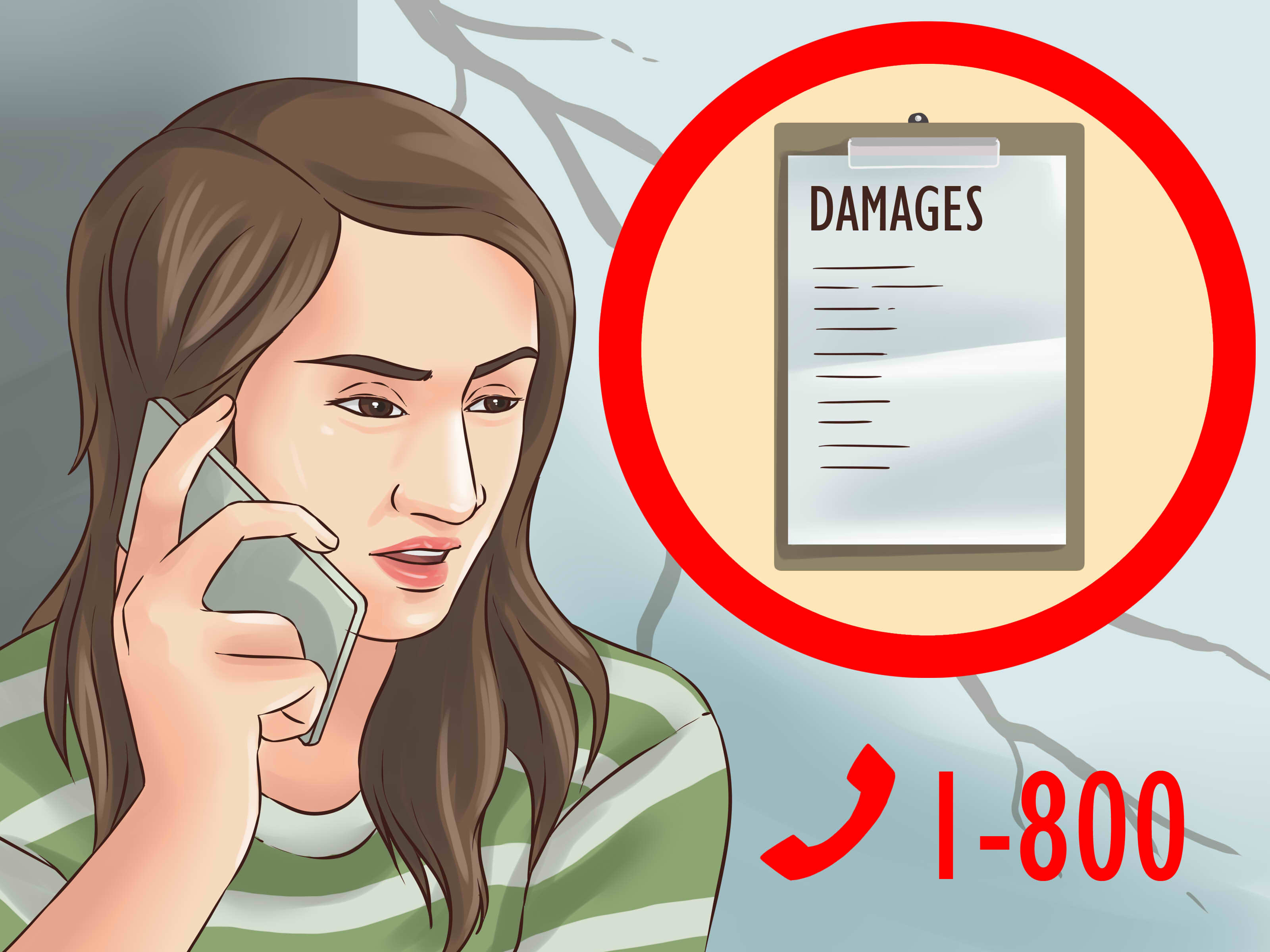
After surviving the hurricane, recovery can be a long process. Begin by documenting damage for insurance claims, seeking financial assistance if necessary, and taking steps to repair your property. Be patient and seek help from relief organizations if needed.
Conclusion
Surviving a hurricane requires preparation, quick decision-making, and the ability to remain calm in the face of danger. By following the steps outlined in this guidepreparing an emergency kit, understanding the warning signs, knowing when to evacuate, and staying informed during the stormyou can greatly increase your chances of staying safe and protecting your loved ones. Remember, hurricanes are dangerous, but with proper planning and actions, you can weather the storm.
Personal Experiences in Surviving a Hurricane
When it comes to hurricanes, personal experiences often provide valuable lessons. For instance, I vividly remember the 2017 hurricane season, when a particularly strong storm made landfall near my home. I had already prepared my emergency kit weeks in advance, but I quickly realized that my biggest challenge was not the storm itselfit was the uncertainty. Our area had been under a hurricane watch for days, and the sheer anticipation of the storm made it difficult to focus on much else. Fortunately, I had made evacuation plans with family, so we left early. As we drove away from our home, I couldn’t help but feel anxious about the potential damage to my property.
Once we reached a safe evacuation point, the winds picked up significantly. Despite the calm appearance during the eye of the hurricane, I knew better than to venture outside. The real impact came once the back side of the storm hit, with even stronger winds and torrential rain. Listening to local broadcasts kept me informed of any updates, and when the all-clear was finally given, we cautiously returned home.
It’s important to note that while I was fortunate to have minimal damage to my property, many others weren’t as lucky. Our community came together to help with clean-up efforts, sharing resources, and ensuring that everyone had the support they needed. In the aftermath, I learned the importance of having not just an emergency kit, but a plan for connecting with loved ones and offering assistance to those in need.
In conclusion, surviving a hurricane isn’t just about having the right tools and supplies. It’s about being mentally and emotionally prepared for the challenges ahead. Whether it’s knowing when to evacuate or simply staying informed throughout the storm, the more prepared you are, the better your chances of staying safe.