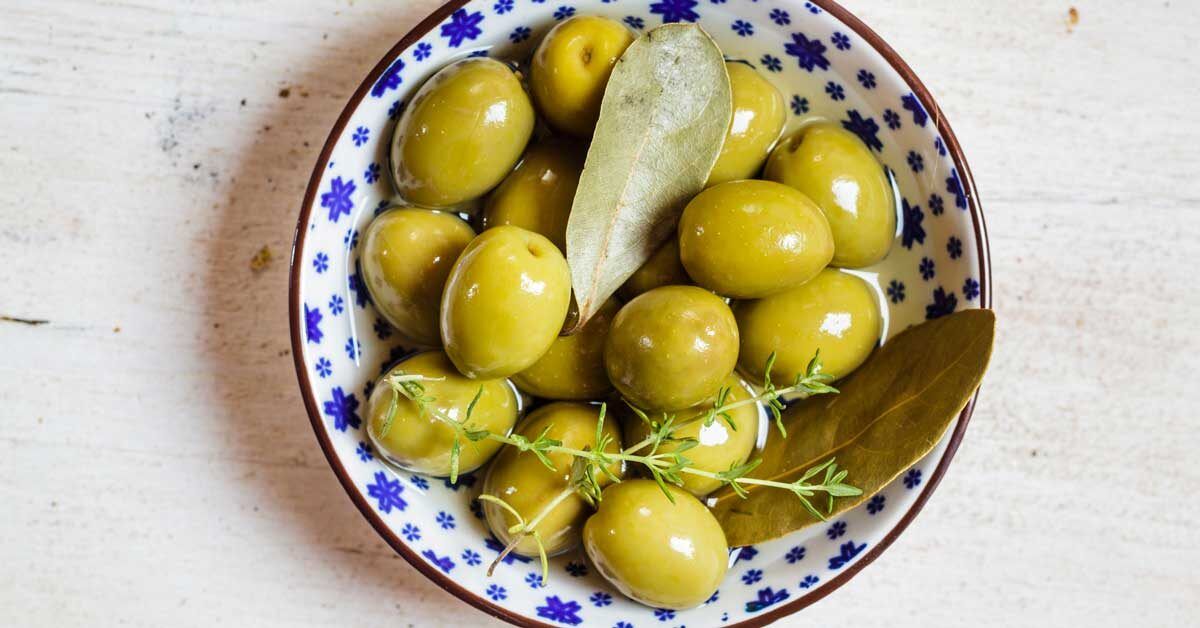
Olives are the small, salty overachievers of the food world. They show up on pizza, in salads, on charcuterie boards,
and in that random jar you swore you bought “for recipes” (and then ate straight from the fridge at midnight).
But olives aren’t just a bold, briny flavor bombthey’re also packed with heart-friendly fats, antioxidants, and
some surprisingly useful nutrients.
In this guide, we’ll break down olives nutrition facts, what’s actually in that tasty little fruit, and the
science-backed health benefits of oliveswithout turning it into a chemistry lecture. (We’ll save the lab coat
for someone else.)
First Things First: What Is an Olive?
An olive is a fruit from the olive tree (Olea europaea). Yesfruit. Not a vegetable, not a “snack pebble,”
and definitely not “just a garnish.” Olives grow on trees, start out green, and darken as they ripen. Some olives
are harvested green; others are picked later when they’re purple, brown, or black.
Here’s the catch: fresh olives are extremely bitter. The bitterness comes largely from natural compounds (including
a well-known phenolic compound called oleuropein), so olives almost always go through curing or fermentation before
they become edible. That processing step is why olives can be both nutrition-friendly and sodium-heavy.
Green vs. Black Olives: What’s the Difference?
“Green” and “black” olives can mean ripeness, processing, or both. In general:
- Green olives are harvested earlier. They’re typically firmer and more pungent.
- Black (fully ripe) olives are harvested later and may taste milder or slightly sweeter.
-
“Ripe black” canned olives (common in U.S. grocery stores) are often processed in a way that
creates a uniform dark color and a softer texture.
Then you’ve got “named” olivesKalamata, Manzanilla, Castelvetrano, Cerignola, and more. Those names usually refer
to a variety and/or region and tend to hint at flavor: buttery, meaty, peppery, fruity, or pleasantly bitter.
Translation: there is an olive for every personality type, including “I only like the mild ones” and
“give me something that tastes like the ocean.”
Olives Nutrition Facts: What’s in a Serving?
Olives are relatively calorie-moderate, but their calories come mostly from fatspecifically monounsaturated fat,
the type often linked with better heart markers when it replaces saturated fat in the diet. They also contain small
amounts of fiber and micronutrients like vitamin E.
Typical Nutrition Snapshot
Exact nutrition depends on the type (green vs. black), how they’re cured, and whether they’re stuffed or marinated.
But for many common table olives, a reasonable “real-life” serving is about 5 to 10 olives (or roughly
1 ounce, depending on size).
| What you’ll usually notice | Why it matters |
|---|---|
| Mostly healthy fats (especially monounsaturated) | Supports heart-friendly eating patterns when used in place of saturated fats. |
| Vitamin E (varies by type) | An antioxidant vitamin that helps protect cells from oxidative stress. |
| Polyphenols (antioxidant plant compounds) | May help with inflammation and oxidative damage; levels vary by processing and variety. |
| Sodium can be high | Most olives are brined or cured in salt, so portions matterespecially for blood pressure. |
The Sodium Reality Check (No Buzzkill, Just Useful)
Olives are often cured or stored in brine, which means they can deliver a lot of sodium in a small volume. For many
adults, U.S. nutrition guidance commonly recommends keeping sodium under 2,300 mg per day. That doesn’t
mean you need to fear olivesit means you should treat them like you treat hot sauce: powerful, delightful, and best
used with a little strategy.
Why Olives Are Good for You: Key Health Benefits
1) Heart Health Support (Thanks, Monounsaturated Fat)
The main fat in olives is typically monounsaturated fatoften associated with healthier cholesterol patterns when it
replaces saturated fat. Big picture: swapping in unsaturated fats (from foods like olives and olive oil) instead of
saturated fats (from foods like butter-heavy pastries or fatty meats) is one of the more reliable nutrition upgrades.
Also worth noting: olives are a common part of Mediterranean-style eating patterns, which are frequently linked to
better cardiovascular outcomes in research. That doesn’t mean “eat olives, become invincible.” It means olives can be
one smart piece of a heart-supportive plate.
2) Antioxidant Power: Vitamin E + Polyphenols
Olives contain vitamin E and a variety of plant antioxidants (polyphenols). Antioxidants help protect cells from
oxidative damageone of the underlying processes involved in aging and many chronic diseases. A standout group of
olive compounds includes phenolics such as hydroxytyrosol and related molecules (levels vary by olive type and
processing).
If you’ve ever wondered why olives can taste slightly bitter or peppery, that’s often the polyphenols doing their thing.
(Yes, your taste buds are basically detecting plant chemistry.)
3) Anti-Inflammatory Potential
A lot of excitement around olives comes from the idea that olive compounds may help reduce inflammation. Research on
table olives points to bioactive compounds that may support anti-inflammatory pathways. The key word is may:
olives aren’t a medication, but they can contribute to an overall diet pattern that supports healthier inflammation
balance.
4) Gut-Friendly Add-On (Especially When Fermented)
Some olives are fermented during curing, which can influence flavor and may introduce beneficial microbes. Not every
olive in every jar is a probiotic superstar, and processing varies widely. Still, fermented foods in general can be a
helpful part of a diverse dietespecially when they nudge you to eat more fiber-rich foods like salads, beans, and
whole grains (since olives love hanging out with them).
5) Blood Sugar and Satiety Support (A Small but Handy Advantage)
Olives are low in sugar and mostly provide fat rather than quick-digesting carbs. That can help with meal satisfaction.
In practical terms: adding a small serving of olives to a meal can make it feel more filling, which may help some
people snack less later. The effect isn’t magicit’s basic physiology: fat and fiber slow gastric emptying and increase
satisfaction.
Are Olives Healthy for Everyone? A Few “Depends” to Know
If You’re Watching Blood Pressure
The main concern is sodium. If you have hypertension (high blood pressure) or you’ve been told to limit sodium, you
can still enjoy olivesjust choose portions wisely and look for lower-sodium options when possible.
If You’re Prone to Water Retention or Bloating
A salty snack can make you feel puffy or thirsty. If olives leave you reaching for water like you just crossed a desert,
that’s a sign to reduce the portion or rinse them first.
If You’re Managing Calories
Olives aren’t “high calorie” in the way cookies are, but they are calorie-dense compared with cucumbers or berries.
If you’re aiming for a calorie deficit, treat olives as a flavorful accent: a little goes a long way.
Allergies and Sensitivities
True olive allergy appears to be uncommon, but sensitivities to ingredients in marinades (like peppers, garlic, or
certain preservatives) can happen. If something feels “off” after eating a particular brand, check the ingredient list.
How Olives Are Made Edible: Curing and Fermentation (The Glow-Up)
Fresh olives are naturally bitter, so producers use curing methods to reduce bitterness and create the flavors we love.
Common approaches include:
- Brine curing / fermentation: Olives soak in salty brine and often ferment over time.
- Water curing: Olives are soaked and the water is changed repeatedly; typically milder flavor.
- Dry salt curing: Olives are packed in salt; results are often wrinkly, intense, and salty.
- Lye curing: A traditional method that removes bitterness quickly; followed by rinsing and brining.
From a nutrition standpoint, the big headline is that curing usually increases sodium. From a taste standpoint, curing is
the difference between “why is this fruit angry?” and “I will happily eat twelve of these without thinking.”
How to Eat More Olives (Without Accidentally Turning Into a Salt Lick)
1) Rinse Them
A quick rinse can wash away some surface brine. It won’t erase sodium, but it can reduce it. If you’re salt-sensitive,
this small step is surprisingly helpful.
2) Use Olives as “Seasoning,” Not the Whole Show
Instead of eating half a jar, chop a few olives and use them like a flavor booster:
- Salads: Toss in sliced olives to make greens taste like a real meal.
- Grain bowls: Add olives with cucumber, tomatoes, and chickpeas for Mediterranean vibes.
- Pasta: Stir chopped olives into tomato sauce for a salty-savory punch.
- Egg dishes: Add to omelets or frittatas with spinach and feta.
3) Pair with Potassium-Rich Foods
Many nutrition guidelines suggest potassium can help counterbalance sodium’s effects on blood pressure. Pair olives with
potassium-rich foods like leafy greens, beans, tomatoes, and potatoes for a smarter overall sodium-potassium balance.
4) Look for Lower-Sodium or “No Salt Added” Options
Options vary by brand. Some products are specifically made with reduced sodium brines. If you love olives but need to
manage sodium, it’s worth shopping around.
FAQ: Quick Answers to Common Olive Questions
Are olives keto-friendly?
Generally, yes. Olives are low in net carbs and higher in fat, which fits many low-carb patterns. Just keep an eye on
sodium and total calories if that matters for your goals.
Do olives have fiber?
They have a small amount. Olives aren’t a “high-fiber food” like beans or oats, but every bit helpsespecially when
olives encourage you to eat more vegetables.
Are olive oils and olives the same nutritionally?
They’re related, but not the same. Olive oil is mostly fat (and concentrated calories), while whole olives contain fat
plus some fiber, water, and small amounts of micronutrients and plant compounds. Both can fit into a healthy pattern.
Conclusion: The Bottom Line on Olives
Olives are a smart, flavorful food that brings monounsaturated fats, vitamin E, and antioxidant plant compounds to the
table. The biggest drawback is sodiumbecause curing and brining are part of what makes olives delicious and safe to
store. If you enjoy olives in sensible portions, rinse them when needed, and balance salty foods with whole, potassium-rich
ingredients, olives can absolutely earn a place in a nutritious eating pattern.
Olive Experiences: What People Notice When They Eat Olives More Often (About )
When people start eating olives regularlysay, adding a small serving to lunches a few times a weekthe first “experience”
is usually flavor-related: olives make simple food taste more interesting. A salad that felt like a chore can suddenly
taste like something you’d order at a café, because olives add saltiness, richness, and that savory “umami-ish” depth.
This matters more than it sounds. In real life, consistency often beats perfection, and foods that make healthy meals
enjoyable tend to get eaten again.
Another common experience is that olives help with satisfaction. A few olives can make a meal feel more complete, especially
if you’re used to meals that taste a little bland. People often describe it as “I didn’t need as many extra snacks later,”
which makes sensefat slows digestion and boosts satiety, and strong flavors can reduce the urge to keep searching for
something “better.” Olives are also easy to portion: you can literally count them. If you’ve ever tried to “portion” chips
by vibe alone, you know how valuable that is.
On the flip side, many people notice the sodium effect quickly. Eat a bigger handful of brined olives and you might feel
thirstier, or you may notice mild bloatingespecially if the rest of your day already included salty foods. This is why a
practical olive habit tends to look like “a few olives with a meal,” not “half a jar as a solo snack.” A simple rinse helps
some people, and pairing olives with high-water foods (tomatoes, cucumbers, leafy greens) can make the whole meal feel lighter.
There’s also the “olive education arc.” People often start with one familiar type (like mild black olives) and then slowly
branch out. They discover buttery green olives, fruity varieties, or firmer olives that taste brighter and more complex.
With that discovery comes a useful behavior change: instead of adding extra salt to food, they use chopped olives to bring
saltiness in a more intentional way. For example, tossing a spoonful of chopped olives into a grain bowl can replace salting
the entire dish. You get bold flavor where it counts, without silently over-salting everything else.
Finally, there’s the “convenience factor.” Busy days often push people toward packaged snacks. Olives can be a better swap
when you want something salty but still food-forward. Single-serve olive cups (especially lower-sodium ones) are popular for
lunchboxes and desk snacks because they’re portion-controlled and don’t require prep. The most common complaint? Pits.
Nobody enjoys surprise pits. Many people eventually develop a simple routine: buy pitted olives for cooking and salads, and
save pit-in olives for slow snacking at home when you can pay attention.
Put together, these experiences explain why olives stick as a habit: they’re satisfying, they upgrade simple meals, and
they’re easy to usejust salty enough that a little goes a long way.