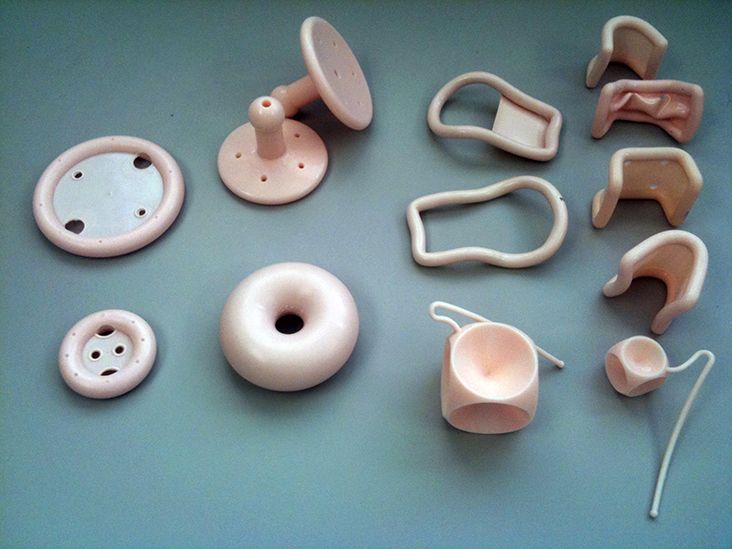
If the words “vaginal pessary” sound like something you’d find in a dusty museum next to “leech jar,” you’re not totally wrongpessaries have been around a long time. The modern version, though, is a practical, body-safe device (usually soft silicone) that can make everyday life with pelvic organ prolapse or stress urinary incontinence feel a whole lot more normal. Think: less “something’s falling out” sensation, more “I can walk the grocery store without planning my route by bathroom locations.”
This guide breaks down the most common pessary types, what they’re best for, and how pessary use typically works in real lifefitting, insertion/removal basics, cleaning, follow-ups, and troubleshooting. It’s written for regular humans, not robot medical textbooks.
What Is a Pessary (and What Does It Do)?
A pessary is a removable device placed in the vagina to provide internal support. It’s commonly used to help manage:
- Pelvic organ prolapse (POP) (bladder, uterus, rectum, or vaginal wall support issues)
- Stress urinary incontinence (SUI) (leakage with coughing, laughing, jumping, or exercise)
The key idea is mechanical support. A well-fitted pessary can reduce the bulge/pressure feeling of prolapse and, for some people, improve leakage by supporting tissues near the urethra.
Who Might Benefit from Using a Pessary?
Pessaries are often recommended as a non-surgical optioneither as a long-term plan or a “let’s try this first” step. You might be a good candidate if:
- You want to avoid or delay surgery
- You’re postpartum or in a life stage where symptoms flared and you want support while you heal/strengthen
- You have medical reasons that make surgery riskier
- You want symptom relief while doing pelvic floor physical therapy
- You mainly need support during certain activities (like workouts, long shifts, or travel days)
The best part: pessary management is typically customizable. Some people wear one daily. Others use it “as needed,” like athletic gear for the pelvic floor.
Pessary Types: The Main Styles You’ll Hear About
There are many designs, but most fall into a few common categories. Your clinician (often an OB-GYN or urogynecologist) chooses based on your anatomy, the kind of prolapse, symptom goals, and whether you want to remove it yourself.
1) Ring Pessary (with or without Support)
The ring pessary is often the first option for mild to moderate prolapse. It’s flexible, commonly comfortable, and frequently easier to insert/remove than more rigid styles.
- Ring without support: often used for mild prolapse
- Ring with support: adds a supportive “diaphragm” that can help with certain prolapse patterns
Many people can self-manage ring pessaries after they’re taught how.
2) Dish (or “Incontinence Dish”) Pessary
A dish pessary is shaped to provide support and may be used when leakage is a major complaint. Some versions are designed to support the urethra more directly.
3) Gellhorn Pessary
The Gellhorn is a sturdier pessary often used for more advanced prolapse. It can be very effectivebut may be harder for some people to remove and clean on their own, meaning clinic visits might be part of the plan.
4) Donut Pessary
The donut pessary (yes, really) is thicker and can offer strong support for more significant prolapse. It’s sometimes used when other shapes don’t stay in place.
5) Cube Pessary
A cube pessary uses gentle suction to stay in place and can be helpful for more advanced prolapse or when other pessaries keep slipping out. It often requires more frequent removal/cleaning than ring styles.
6) Other Less-Common Designs
Depending on your situation, you may also hear about Shaatz, Hodge, Gehrung, or other variations. The big takeaway: pessaries are not one-size-fits-all, and sometimes “the right one” is discovered after trying a couple.
How a Pessary Is Fitted (AKA the “Goldilocks Appointment”)
Pessaries are usually fitted in a clinic during a pelvic exam. “Fitted” is not code for “we guess and hope.” It’s more like a practical try-on session:
- Assessment: Your clinician checks the type of prolapse and vaginal tissue health.
- Size selection: They choose a size and type that should provide support without pressure or pain.
- Trial movement: You may be asked to stand, walk, cough, or bear down to see if it stays put.
- Bathroom check: They’ll often make sure you can urinate comfortably with it in.
A correctly fitted pessary should feel supportive but not noticeable. “I can totally feel it” usually means the size or type needs adjusting.
How to Use a Pessary: Practical Basics
Your healthcare provider should teach you exactly how to use your specific pessary type. The steps below are general, meant to help you understand the processnot replace medical instruction.
Before You Start: The Three Non-Negotiables
- Clean hands: wash with soap and water
- Clean device: rinse with mild soap and water as directed
- Comfortable position: many people prefer standing with one foot up, squatting, or lying down
Insertion (General Idea)
Many pessaries (especially ring styles) are inserted by gently folding or compressing the device, then placing it so it sits comfortably and supports the vaginal walls. Water-based lubricant may be recommended to make insertion easier.
Once it’s placed, you shouldn’t feel sharp pressure. You should also be able to pee without struggling. If you have pain, difficulty urinating, or strong pressure, remove it (if you’ve been taught how) and contact your clinicianfit may be off.
Removal (General Idea)
Removal often involves hooking a finger around the edge (for ring types) and gently easing it out. Some types have specific grips/stems that are designed to help with removal. If you can’t remove it easily, don’t force itcall your clinic. “Pelvic floor support” should not become “new Olympic sport.”
Pessary Care and Cleaning: Keeping Things Calm and Comfortable
Cleaning routines vary by pessary type, your vaginal tissue health, and whether you’re self-managing or using clinic cleanings. Many clinics recommend cleaning with mild soap and water, rinsing well, and letting it dry before reinsertion.
Two Common Care Plans
1) Self-management (at-home removal and cleaning)
- Some people remove and clean it nightly or weekly, depending on the device and clinician guidance.
- At-home care often improves convenience and gives you more control over comfort and odor/discharge issues.
2) Clinic management (provider removes/cleans/reinserts)
- Some pessaries are better managed with periodic office visits.
- Follow-up intervals vary; many practices schedule visits every 1–3 months, especially early on or if tissue irritation is a risk.
Your clinician may also recommend vaginal estrogen (for appropriate patients) to support vaginal tissue healthparticularly after menopausebecause thinner tissue is more prone to irritation.
Follow-Up Visits: Why They Matter (Even If You Feel Fine)
Pessaries are generally safe, but they’re not “set it and forget it forever.” Follow-ups help your clinician:
- Check for vaginal irritation, erosions, or pressure spots
- Confirm the device still fits well as your body changes
- Adjust size/type if symptoms change
- Reinforce cleaning and self-care routines
A common follow-up pattern is an early check after fitting (often within a few weeks), then spaced-out visits if everything looks healthy and symptoms are controlled. Your exact schedule should come from your clinic.
Side Effects and Risks: What’s Normal vs. What’s a Red Flag
Most people tolerate pessaries well, but mild side effects can happenespecially during the adjustment period. Common issues include:
- Increased discharge (often mild)
- Odor (sometimes a sign it needs cleaning or a checkup)
- Irritation or rubbing sensation
- Urinary changes (difficulty emptying or new urgency can mean the fit needs tweaking)
Call your healthcare provider if you have:
- Bleeding or pink/bloody discharge
- Persistent pain or pelvic pressure that feels worse, not better
- Fever or signs of infection
- Foul-smelling discharge that doesn’t improve with cleaning
- Inability to remove the pessary (if you’re supposed to self-manage)
These symptoms don’t automatically mean something serious is happeningbut they do mean you deserve a professional check. Pessaries are supposed to support your life, not become your new stress hobby.
Pessary vs. Surgery vs. Pelvic Floor Therapy: How to Think About Your Options
Many people use pessaries alone or in combination with pelvic floor physical therapy. Others use them as a bridge to surgeryrelief now, decision later.
When a pessary tends to shine
- You want non-surgical symptom relief
- You need flexibility (daily wear, occasional wear, or activity-only wear)
- You’re not ready for surgery, or surgery isn’t a good fit right now
When it may be time to revisit the plan
- You can’t find a comfortable fit after several trials
- You have repeated tissue irritation despite good care and follow-up
- Symptoms remain disruptive even with the best pessary match
Importantly, choosing a pessary doesn’t mean you’ve “given up” on anything. It’s a valid, evidence-supported management tooland for many people it’s a huge quality-of-life upgrade.
Quick FAQs
Can a pessary fall out?
Yes, especially if the fit isn’t ideal or if you strain during a bowel movement. If it slips down frequently, that’s usually a sign you need a different size or style.
How long does it take to get used to a pessary?
Many people adjust within a couple of weeks. The first days can feel “different,” even if it’s fitted properlykind of like breaking in new shoes, except (thankfully) without the blisters if the fit is right.
Is a pessary comfortable?
A well-fitted pessary is often not noticeable. If it’s uncomfortable, painful, or causes urinary trouble, it likely needs adjustment.
Do I still need pelvic floor exercises?
Often, yes. Many clinicians recommend pelvic floor muscle training alongside pessary use. Think of the pessary as support and the exercises as strengtheninglike wearing a brace while building stability.
What It’s Like in Real Life: Experiences With Pessary Use (About 500+ Words)
Clinical facts are helpful, but most people want the real question answered: “Okay… but what does living with a pessary actually feel like?”
Here’s what many patients commonly describe across urogynecology practices and pelvic health communitiesshared in a general way (not as individual medical advice).
The “Goldilocks Phase” Is Normal
A surprisingly common experience is needing more than one fitting attempt. The first pessary might be closebut not perfect. Maybe it helps the bulge feeling but slips during a long walk. Maybe it stays put but feels like mild pressure by the end of the day. This trial-and-adjust process can feel annoying in the moment, but it’s also a sign that the fitting is being treated like what it is: a personalized medical device selection, not a one-click online purchase.
Relief Can Be Immediateand Emotional
Many people report a noticeable difference quickly, especially with prolapse symptoms. Less heaviness. Less “something is there” sensation. More confidence leaving the house. And yessometimes there’s an emotional wave that comes with it, because pelvic floor symptoms can be isolating. When support returns, it can feel like getting a piece of normal life back.
Self-Management Feels Empowering (Once You Learn It)
If your pessary type allows at-home removal and cleaning, the learning curve can be the biggest hurdle. Early on, people often describe feeling a bit awkwardlike they’re trying to assemble furniture without the instructions. But after a few tries (and after getting clear coaching from a clinician), self-care routines can become surprisingly straightforward: wash hands, remove, clean, dry, reinsert. Many people like the independence of being able to clean it on their schedule and respond quickly if discharge or odor changes.
Activity-Specific Use Is a Game-Changer for Some
For those using a pessary for stress urinary incontinence or mild prolapse, a common strategy is “event-based wear.” People describe inserting it for workouts, long shifts, theme parks, travel days, or any situation where bathrooms are inconvenient and confidence matters. It’s not about being “perfect” every day; it’s about having a tool that supports you when you need it most.
Discharge and Odor: The Unsexy but Important Truth
Many users report some increase in discharge, especially early on. Sometimes it settles; sometimes it’s a cue to adjust cleaning frequency or check in with the clinic. People often learn to pay attention to patterns:
“If I’m getting more irritation, I might need an earlier follow-up.”
“If there’s a new odor that doesn’t go away after cleaning, I should call.”
These patterns are practicalnot scary. They’re how a lot of people become confident long-term users.
It’s Not All-or-Nothing
Another common experience: people change their plan over time. Some use a pessary for years and love it. Some use it for a season of life (postpartum recovery, caregiving years, a period of avoiding surgery), then choose surgery later. Some start with clinic cleanings, then transition to self-management once they’re comfortable. The “best” path is the one that fits your body, your schedule, your comfort level, and your health priorities.
If you take one thing from the lived experience side of pessary use, let it be this: the goal isn’t perfection. The goal is relief, comfort, and a routine you can actually stick with.
A pessary is a support toollike glasses for your pelvis. You deserve one that fits well, feels manageable, and helps you get on with your life.