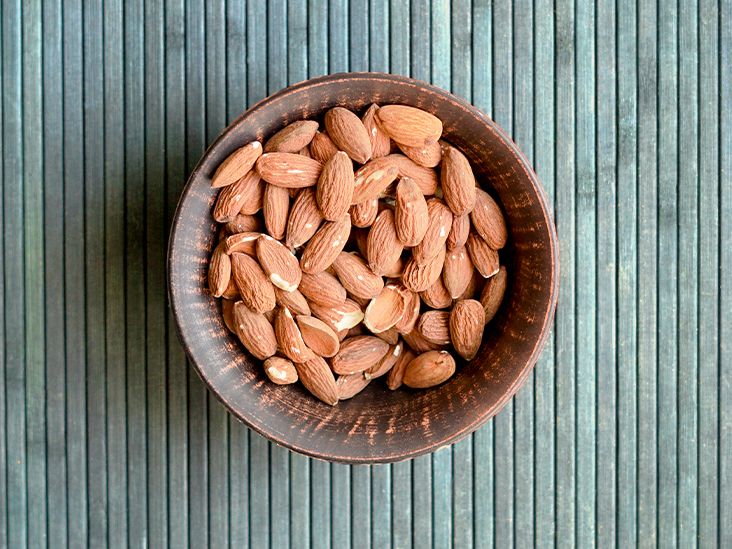
Almonds have a weird reputation: they’re either a “tiny superfood” or “just fancy calories with a crunchy PR team.”
The truth is more interesting (and way more useful). When you eat almonds the right waymeaning the right portion,
at the right time, and in a smart overall eating patternthey can genuinely help with weight management
and may support healthier blood pressure.
No, almonds aren’t magic. They won’t cancel out a daily soda habit or turn a midnight pizza into a wellness retreat.
But research consistently shows that almonds can fit into a weight-loss plan without causing weight gainand they may
help nudge blood pressure in a better direction, especially when they replace less nutritious snacks.
Why Almonds Don’t “Act Like” a Typical High-Calorie Snack
Almonds are calorie-dense. One ounce (about 23 almonds) is roughly 160–170 calories.
So why do they show up in weight-control conversations so often?
1) They help you feel full (and stay full)
Almonds are a three-hit combo: protein + fiber + healthy fats. That combination slows digestion and
helps stabilize appetite. In studies where almonds were eaten as a snack, people often reported less hunger and
tended to eat less laterwithout the day’s total calories automatically skyrocketing.
Translation: almonds can help reduce that “I’m starving and I will now eat the entire kitchen” feeling that shows up
when your snack is basically sugar wearing a granola-bar costume.
2) Not all almond calories are absorbed
Almonds have a plant cell structure that can “trap” some fat during digestion. That means the calories listed on the
label may overestimate how much energy your body actually absorbsespecially when almonds are eaten whole and well-chewed.
It’s one reason almonds can be surprisingly weight-friendly compared with other snacks that are fully absorbed fast.
3) They’re a powerful “swap” food
Weight loss often comes down to what almonds replace. Swap chips, pastries, or candy for a measured serving of almonds,
and you typically get more fiber, more protein, fewer refined carbs, and a better nutrient profilewithout needing a
dramatic diet personality change.
What the Research Suggests About Almonds and Weight Loss
The strongest message from nutrition research is not “almonds melt fat.” It’s this:
people can eat nuts regularly without gaining weight, and in some cases they see modest improvements in
waist circumference, diet quality, or appetite controlespecially when nuts replace less healthful foods.
-
Randomized trials and meta-analyses repeatedly find that nut-inclusive diets do not lead to meaningful
weight gain, even though nuts contain calories. -
Almond-focused studies often show improvements in satiety and snacking quality, which
matters because “snack decisions” are where many diets go to cry.
Practical takeaway: almonds can support weight loss as part of a calorie-aware planespecially when you use them
as a structured snack or a replacement for refined snack foods.
How Almonds May Help Lower Blood Pressure
Blood pressure is influenced by many factors: genetics, sodium intake, sleep, stress, activity, body weight, medications,
and overall diet quality. Almonds won’t override all that. But they have several features that can support healthier
blood pressureparticularly when they’re part of a DASH-style eating pattern.
1) Magnesium: a quiet MVP for blood vessel function
Almonds provide magnesium, a mineral involved in muscle function and blood vessel regulation. Research on
magnesium and blood pressure shows modest average reductions in some studies, particularly when intake is adequate over time.
Almonds aren’t a magnesium supplementbut they help you build a diet that naturally delivers magnesium from food.
2) Healthy fats that support heart health
Almonds are rich in unsaturated fats. Replacing saturated fat-heavy snacks (like certain baked goods)
with unsaturated fats is a heart-friendly shift that may support better cardiovascular markers over time.
3) Fiber and plant compounds that support metabolic health
Almonds contain fiber and antioxidant compounds (especially in the skin). Better overall metabolic health
(including steadier blood sugar) is often linked with healthier blood pressure patternsbecause your cardiovascular system
is not a fan of constant metabolic chaos.
4) Evidence from almond studies: small but meaningful BP effects
Systematic reviews of randomized controlled trials suggest almonds can produce a modest reduction in blood pressure,
with effects sometimes more noticeable for diastolic blood pressure. The effect size isn’t hugebut in public
health, small improvements add up, especially when combined with other proven strategies (less sodium, more activity, healthy weight).
Almonds + DASH: A Smart Pairing for Blood Pressure Goals
If lowering blood pressure is your main mission, the most evidence-backed eating pattern is often a
DASH-style diet (Dietary Approaches to Stop Hypertension). DASH emphasizes fruits, vegetables, whole grains,
lean proteins, and low-fat dairyplus nutswhile reducing sodium and saturated fat.
In plain English: DASH is basically “eat real food like your heart has a vote.”
Why almonds fit DASH so well
- They’re naturally low in sodium (as long as you choose unsalted).
- They contribute magnesium, fiber, and plant protein.
- They make healthy eating easier because crunch is emotionally important.
Bonus BP tip: sodium matters. Many heart-health recommendations suggest aiming for
no more than 2,300 mg/day, with an ideal target around 1,500 mg/day for many adults,
especially those with high blood pressure. Almonds can help here if they replace salty snacks and you pick unsalted versions.
The Best Way to Eat Almonds for Weight Loss and Blood Pressure
The “best” almond strategy is the one you’ll actually followwithout turning your life into a spreadsheet with feelings.
Here are practical approaches that work in the real world.
1) Use a real portion (yes, measure it at first)
Start with 1 ounce (about 23 almonds). If your goals are weight loss and blood pressure support,
this portion usually hits the sweet spot: satisfying, nutrient-dense, and not a stealth calorie avalanche.
2) Choose unsalted or lightly salted
If blood pressure is part of your goal, unsalted is the easiest win. If you truly hate unsalted nuts,
pick “lightly salted” and keep the portion consistent.
3) Time them when cravings usually hit
Many people struggle most in the mid-afternoon or late night. A planned almond snack (paired with fruit, yogurt, or tea)
can prevent the “I accidentally ate three servings of cookies” scenario.
4) Pair almonds with high-volume foods
For weight loss, combine almonds with foods that add volume and fiber without tons of calories:
- Almonds + an apple
- Almonds + berries
- Almonds sprinkled on a big salad
- Almonds + plain Greek yogurt + cinnamon
5) Watch the “almond imposters”
Some almond products are basically dessert wearing activewear:
- Sugar-coated almonds
- Chocolate-drenched “health clusters”
- Almond butters with lots of added sugar and oils
These can still fit sometimes, but they don’t deliver the same weight/BP-friendly benefits as plain almonds.
A Simple 1-Day Example: Using Almonds the Smart Way
Here’s a realistic day that supports weight goals and a blood-pressure-friendly patternwithout requiring you to live on kale dust.
Breakfast
- Oatmeal topped with blueberries and 1 tablespoon chopped almonds
- Unsweetened coffee or tea
Lunch
- Big salad with grilled chicken or chickpeas, mixed vegetables, olive oil + lemon
- Optional: a small sprinkle of sliced almonds for crunch
Snack (the “craving shield”)
- 1 ounce unsalted almonds + 1 piece of fruit
Dinner
- Salmon or tofu, brown rice or quinoa, and roasted vegetables
- Season with herbs/spices instead of heavy salt
Notice the theme: almonds appear as a measured, strategic ingredientnot an endless bag you “visit” every time you walk past the kitchen.
Who Should Be Careful with Almonds?
Almonds are generally safe for most people, but a few situations deserve extra caution:
Nut allergy
This one is non-negotiable. If you have a tree nut allergy (or you’re unsure), talk with a clinician before experimenting.
Kidney disease or special mineral restrictions
Some people with kidney problems need to monitor minerals like potassium and phosphorus. If you’ve been told to restrict these,
confirm with your healthcare team how nuts fit into your plan.
Weight loss plateaus
If your weight loss has stalled, almonds might still be finebut portions matter. “Healthy” doesn’t mean “calorie-proof.”
The fix is usually simple: measure servings, reduce mindless grazing, and keep almonds as a planned snack rather than a constant nibble.
Bottom Line: Almonds Are a Tool, Not a Spell
Almonds can help with weight loss because they improve satiety, support better snacking, and may not be fully absorbed in the body.
They may support lower blood pressure thanks to magnesium, unsaturated fats, and their role in a DASH-style eating patternespecially
when they replace salty or sugary snacks.
If you want results, keep it simple:
eat a measured portion, choose unsalted, and use almonds as a replacementnot an add-on.
Pair that with lower sodium overall, regular movement, and decent sleep, and you’ve got a plan that works in real life.
Experiences People Commonly Report After Adding Almonds
Let’s talk about the “human side” of almondsthe part that rarely shows up in charts and clinical tables. While everyone’s body responds differently,
there are a few patterns people commonly describe when they start eating a consistent, measured serving of almonds (especially as a snack).
These aren’t guarantees, and they’re not medical claims. Think of them as realistic experiences that often happen when almonds are used strategically.
1) “I’m not as snack-crazy in the afternoon.”
A common story goes like this: someone hits 3:30 p.m., their energy dips, and suddenly the office pantry (or the home cookie shelf) looks like a
theme park. When they replace their usual refined snack with a serving of almondssometimes paired with fruitthey often say cravings feel quieter.
Not gone forever (we’re not doing miracles), but less urgent. Many people notice they can wait until dinner without feeling like they’re “white-knuckling” it.
2) “My portions got easier to manage.”
People trying to lose weight often describe a specific frustration: they eat “healthy meals,” but portions still run away from them.
Almonds can help because they’re satisfying in a small amountwhen pre-portioned. Folks who succeed with almonds often do one simple thing:
they portion them out in advance (small containers or snack bags). That one habit turns almonds into a plan instead of a free-for-all.
The experience becomes: “I ate my snack and moved on,” instead of “I ate almonds until the bag felt emotionally lighter.”
3) “I crave salty chips lessbecause crunch is handled.”
Many cravings are partly about texture. Chips are popular for a reason: they’re crunchy, salty, and easy to keep eating.
When people choose dry-roasted, unsalted (or lightly salted) almonds, they often say it scratches that crunch itch.
The interesting part is what happens next: if almonds replace chips a few times a week, sodium intake may drop naturally,
which matters for blood pressure goals. People who track blood pressure sometimes report they feel better when they reduce salty snack habits,
and almonds can be one of the “bridge” foods that make that change feel doable.
4) “My weight didn’t jumpeven though almonds have calories.”
This surprises people. They expect nuts to cause weight gain because they’re calorie-dense. But many describe the opposite experience:
when almonds replace a less filling snack, their overall eating feels more controlled, and their weight trend doesn’t worsen.
Some even find their waistline feels slightly better over time, especially if almonds help them cut back on highly processed snacks.
The key detail in these success stories is almost always the same: the almonds are a swap, not an extra.
5) “It made healthy eating feel less depressing.”
This might be the most underrated benefit. People stick with habits that feel satisfying. Almonds add flavor and texture to salads,
oatmeal, yogurt, and veggie bowls. A small sprinkle can make a meal feel like “real food” instead of “diet food.”
And when a plan feels less punishing, people tend to follow it longerwhich is where the real results come from.
If you want to try the “experience-based” approach for yourself, here’s a simple experiment:
for two weeks, eat 1 ounce of unsalted almonds as a planned snack on most days (not all day long, not random handfuls).
Pay attention to hunger, cravings, and what foods almonds replace. The goal isn’t perfectionit’s noticing whether almonds make your routine easier.