


Every October, one ancient question rises from the fog like a vampire who forgot to set an alarm: “What are you going as for Halloween?” It sounds simple until you realize your costume must somehow be funny, recognizable, affordable, comfortable, weather-appropriate, photo-friendly, safe to walk in, and not so overdone that five other people at the party are also wearing the same plastic crown and calling themselves “royalty.” No pressure.
Halloween costumes have become more than a one-night outfit. They are tiny personal billboards. They tell people what you love, what you secretly find hilarious, which pop culture moment hijacked your brain this year, and whether you waited until 5:47 p.m. on October 31 to make a costume out of a bedsheet and panic. In the spirit of the classic “Hey Pandas” community question, this article explores what people might go as for Halloween, how to choose a costume that actually feels like you, and why the best looks often come from creativity rather than a shopping cart full of sequins and regret.
Why “What Are You Going As?” Is the Best Halloween Icebreaker
Halloween is one of the few holidays where adults, kids, pets, coworkers, and that neighbor who owns too many fog machines all get permission to be theatrical. The question “What are you going as for Halloween?” works because it invites imagination. It is not just about clothes. It is about personality.
Someone who goes as a classic witch might love tradition. Someone who shows up as a viral meme is probably chronically online and proud of it. A person dressed as a haunted tax form has either a brilliant sense of humor or a stressful accounting job. Either way, respect.
Costumes also create instant conversation. At a party, “Nice costume” is easier than “So, how do you feel about the current state of civilization?” A clever Halloween costume can break awkward silence faster than a skeleton slipping on fake cobwebs.
A Quick History of Halloween Costumes
Halloween costumes have roots that go far beyond modern party stores and inflatable dinosaurs. The tradition is often traced back to the ancient Celtic festival of Samhain, when people marked the end of harvest season and the beginning of winter. Costumes and disguises were connected to beliefs about spirits, protection, and the mysterious boundary between the living and the dead.
As Halloween evolved in the United States, costumes changed too. Early American Halloween celebrations leaned into spooky homemade looks: ghosts, witches, devils, skeletons, and masks that looked like they had been designed by someone who had never seen a human face in good lighting. Over time, pop culture took over. Movie characters, superheroes, musicians, video game icons, cartoon favorites, and internet jokes became Halloween staples.
Today, Halloween costumes are a mix of old and new. A vampire still works. So does a pop star, a fantasy villain, a cereal mascot, a haunted doll, a space cowboy, or a group costume based on the group chat that should have been muted months ago.
What Halloween Costumes Are Trending Right Now?
Halloween costume trends usually come from three places: movies and TV, social media, and nostalgia. When a major film, streaming series, video game, or celebrity moment dominates conversation, it often shows up at Halloween parties within minutes. If it can be recognized from across a room, it has costume potential.
Pop Culture Costumes
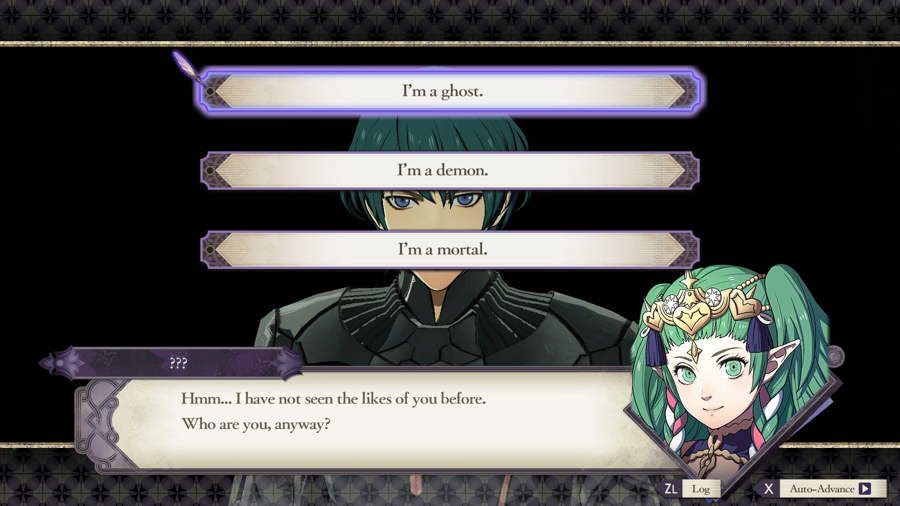
Pop culture costumes are popular because they do half the work for you. People already know the character, outfit, colors, or catchphrase. Recent Halloween trend lists have highlighted characters from music, fantasy movies, animated hits, superhero releases, gaming worlds, and viral entertainment moments. Think witches with Broadway-level drama, gloomy gothic students, colorful K-pop-inspired looks, blocky video game heroes, classic superheroes, and characters from nostalgic family films.
The trick with a pop culture costume is to choose one memorable detail. You do not need a museum-quality replica. A wig, color palette, accessory, makeup style, jacket, hat, or prop can make the look click. Halloween rewards recognition, not perfection.
Classic Spooky Costumes
Some costumes never die, which is appropriate because many of them are already undead. Witches, ghosts, vampires, zombies, mummies, skeletons, scarecrows, and werewolves remain Halloween royalty. They are flexible, affordable, and easy to personalize.
A witch can be glamorous, cottagecore, cosmic, swampy, corporate, or “I hexed my student loans.” A vampire can be elegant, gothic, sparkly, ancient, dramatic, or suspiciously similar to a person who owns velvet curtains. A ghost can be scary, silly, vintage, romantic, or a sheet with sunglasses. The classics survive because they are remixable.
Funny Costumes
Funny Halloween costumes are perfect for people who would rather make others laugh than explain an obscure character from episode seven of a limited series. Pun costumes, food costumes, meme costumes, and low-effort joke costumes are especially strong when executed with confidence.
Examples include “Error 404: Costume Not Found,” a cereal killer made with mini cereal boxes, a formal apology, a cloud with raindrops, a walking red flag, a social battery at 1%, or a haunted Wi-Fi router. Is the last one terrifying? For remote workers, absolutely.
DIY and Last-Minute Costumes
DIY Halloween costumes are beloved because they prove that imagination can beat expensive polyester. Cardboard, thrifted clothes, old hats, face paint, poster board, safety pins, and a little chaos can become something memorable. A cardboard box can turn into a robot, vending machine, washing machine, dice, TV screen, or advice booth. Black clothes plus paper wings can become a bat. A yellow shirt and green paper leaves can become a pineapple. A robe and sunglasses can become “person who gave up but made it fashion.”
Last-minute costumes work best when they are simple and readable. Pick one strong idea, then exaggerate the details. Halloween is not the time for subtlety. If your costume requires a five-minute explanation, it may be performance art, not a costume.
How to Choose the Right Halloween Costume
The best Halloween costume is not always the trendiest one. It is the one that fits your personality, plans, budget, and tolerance for discomfort. Before choosing, ask yourself where you are going, how long you will wear it, whether you need to walk, dance, sit, drive, eat, or chase children away from a suspiciously full candy bowl.
Choose a Costume That Matches the Event
A costume for a neighborhood trick-or-treat walk is different from a costume for an office party, haunted house, school event, nightclub, or family gathering. At work, clever and comfortable usually beats shocking. At a house party, humor and pop culture references shine. For trick-or-treating with kids, visibility and movement matter more than dramatic floor-length capes, unless your goal is to trip over your own mystery.
Think About Comfort
Comfort is underrated until you spend four hours in a costume that squeaks, overheats, blocks your vision, or requires an assistant just to visit the bathroom. A good Halloween costume should let you breathe, move, see, and snack. This is not glamorous advice, but neither is fainting inside an inflatable pumpkin.
Test your costume before Halloween night. Walk around. Sit down. Bend over. Check whether the hat falls off, the shoes hurt, the makeup smears, or the cape tries to assassinate you on stairs. A ten-minute trial run can save the evening.
Set a Budget Before the Costume Finds Your Wallet
Halloween spending in the United States has reached record levels in recent years, with consumers buying costumes, decorations, candy, greeting cards, and even outfits for pets who did not vote on the matter. It is easy to overspend when every aisle is glowing orange and whispering, “You need a twelve-foot skeleton.”
To control your Halloween budget, start with what you already own. Search your closet for basics: black pants, striped shirts, denim jackets, boots, scarves, hats, old formalwear, sunglasses, and accessories. Then buy or make only the missing pieces. Thrift stores, costume swaps, craft supplies, and borrowed items can stretch the budget without draining the fun.
Costume Ideas for Every Type of Halloween Panda
Not every Halloween person is the same. Some plan months ahead. Some thrive under pressure. Some want scary. Some want cute. Some want to win the costume contest with a concept so specific it belongs in a museum of internet behavior. Here are ideas for different personalities.
For the Pop Culture Panda
- A character from a trending movie, streaming series, or video game
- A famous musician’s tour outfit
- A superhero with one exaggerated signature accessory
- A duo costume inspired by a beloved on-screen pair
- A nostalgic cartoon or children’s book character
For the Spooky Traditionalist
- Victorian vampire with dramatic gloves and fake fangs
- Classic witch with a modern color palette
- Glowing skeleton using reflective tape or safe LED accessories
- Old-school ghost with vintage sunglasses
- Zombie prom queen, zombie chef, or zombie office worker
For the Funny Panda
- A “404 Costume Not Found” shirt
- A walking group chat notification
- A cereal killer with mini cereal boxes
- A “low battery” costume
- A haunted laundry pile, which may simply be your chair at home
For the Lazy Genius
- Black outfit plus cat ears
- White shirt with “This Is My Costume” written on it
- Tourist with camera, socks, sandals, and chaotic confidence
- Detective with trench coat and magnifying glass
- Chef with apron, wooden spoon, and judgmental expression
For the Group Costume Crew
- Different decades: 70s, 80s, 90s, 2000s
- Board game pieces
- Breakfast foods
- A haunted office team
- Characters from one movie, sitcom, fantasy world, or video game
Pet Costumes: Adorable, But Ask the Dog First
Pet Halloween costumes are a huge part of modern Halloween culture. Dogs dressed as pumpkins, cats wearing bat wings, guinea pigs in tiny hats, and rabbits looking deeply unimpressed all have internet potential. But pet comfort should come first.
A safe pet costume should not block vision, hearing, breathing, walking, or tail movement. Avoid small pieces that can be chewed off. Try the costume briefly before Halloween and watch body language. If your pet freezes like a cursed statue, scratches, hides, or gives you the ancient glare of betrayal, a festive bandana may be the better choice.
Halloween Costume Safety Without Killing the Vibe
Safety advice may not sound spooky, but emergency room lighting is not flattering, so let us be practical. The safest Halloween costumes are visible, flame-resistant, easy to move in, and designed so the wearer can see clearly.
Use Reflective Details
For trick-or-treating, especially after sunset, add reflective tape, glow sticks, flashlights, or light-colored accessories. A black ninja costume may look cool, but drivers cannot admire what they cannot see. Reflective strips can be added to treat bags, shoes, capes, hats, and sleeves without ruining the look.
Choose Makeup Over Vision-Blocking Masks
Masks can be fun, but they may block eyesight, especially for children crossing streets or climbing porch steps. Non-toxic face paint or makeup is often a safer alternative. Always test makeup on a small patch of skin before using it widely, because nobody wants a surprise rash as the scariest part of the costume.
Check Labels and Materials
When buying costumes, wigs, masks, or accessories, look for flame-resistant labeling. Flame resistant does not mean fireproof, but it can reduce risk around candles, jack-o’-lanterns, fire pits, and decorations. Costumes should also be short enough to prevent tripping and fitted well enough to avoid catching on railings, furniture, or the family dog.
How to Make a Halloween Costume Feel Original
Even if you choose a popular costume, you can make it your own. The secret is a twist. Instead of being a vampire, be a vampire dentist. Instead of a ghost, be a ghost influencer. Instead of a pirate, be a pirate who only steals office supplies. Add a backstory, prop, joke, or unexpected style choice.
Another way to stand out is to combine two ideas. A disco zombie. A cowboy alien. A fairy accountant. A haunted barista. A werewolf lawyer. A pumpkin detective. Halloween is the one night when “What if Frankenstein had a podcast?” is a reasonable creative direction.
Color can also refresh a familiar costume. A monochrome witch, pastel skeleton, neon vampire, gold robot, or black-and-white silent film character can make a simple idea visually memorable. Texture helps too: lace, denim, cardboard, faux fur, metallic paper, felt, ribbon, and thrifted fabrics all add personality.
What Are You Going As? A Few Imaginary Panda Answers
If this were a real “Hey Pandas” comment thread, the answers would probably be wonderfully chaotic. One person would say, “I’m going as a mushroom because I’m a fungi.” Another would go as a raccoon in a tiny business suit, also known as “trash executive.” Someone would dress as a haunted Victorian doll and scare everyone by standing too still near the snacks.
There would be a parent going as “tired,” which requires no costume. A student might go as “unfinished assignment.” A couple might go as Wi-Fi and “No Signal.” A pet owner might dress as a dog walker while the dog goes as a hot dog, because comedy is sometimes just a sausage costume with legs.
The best part of the question is that there is no single correct answer. Halloween is about playful transformation. Whether you go scary, cute, weird, trendy, homemade, glamorous, or aggressively low effort, the point is to enjoy the moment.
Extra Halloween Experiences: The Costume Stories We Remember
Some Halloween costumes become memorable not because they were perfect, but because something ridiculous happened while wearing them. Almost everyone has a Halloween story involving a costume malfunction, a last-minute miracle, a misunderstood concept, or a family member who took the theme far too seriously.
One of the most relatable Halloween experiences is the last-minute costume scramble. You start October with ambition. You imagine handcrafted details, dramatic makeup, maybe even wings. Then suddenly it is Halloween afternoon, and you are holding a roll of tape, a black shirt, and a cardboard box while whispering, “I can still make this work.” Strangely, those costumes often become the funniest. A rushed robot, a homemade ghost, a paper crown, or a sign-based pun can get more compliments than an expensive store-bought outfit because people can feel the personality behind it.
Another classic experience is choosing a costume that seems brilliant at home but becomes complicated in public. Giant wings look majestic until you knock over a bowl of candy. A tall hat is charming until you enter a car. A full-face mask is spooky until you realize you cannot identify your own friends. Inflatable costumes are hilarious until the fan battery gives up and you slowly deflate like a sad parade balloon. These moments are embarrassing at the time, but they become the stories people retell every October.
Group costumes create their own special magic. When everyone commits, the result can be legendary. A group dressed as breakfast foods, planets, crayons, ghosts from different historical periods, or characters from the same fictional universe can turn a regular party into a walking photo booth. Of course, group costumes also require coordination, which means at least one person will forget, improvise, or show up as “the concept of toast” because they only owned beige clothing. Somehow, that person may become the favorite.
Family Halloween experiences are especially memorable because kids treat costumes with total sincerity. A child dressed as a dinosaur does not merely wear the costume; the child becomes the dinosaur, including sound effects at inappropriate volume. A little witch may insist on casting spells on every pumpkin. A tiny superhero may refuse to remove the cape for three days. Parents may begin the evening focused on cute photos and end it carrying three candy buckets, two costume accessories, and one sleepy dragon.
Pet costume experiences are another category entirely. Some dogs proudly parade in their costumes as if they have been waiting all year to become a taco. Others react with the dramatic stillness of a betrayed Shakespearean actor. Cats, meanwhile, often make it clear that Halloween was invented by humans and therefore cannot be trusted. The best pet Halloween moments usually happen when the costume is simple, comfortable, and brief enough that everyone remains friends afterward.
There is also something wonderful about seeing neighborhoods transform on Halloween night. Porches glow, pumpkins grin, fake cobwebs appear in quantities no real spider would approve of, and strangers compliment each other’s creativity. A costume can make shy people more talkative, give kids confidence, and let adults be silly without needing an excuse. Whether you are wearing elaborate makeup or a shirt that says “costume loading,” Halloween gives everyone permission to play.
So, hey Pandas, what are you going as for Halloween? Maybe you already have a detailed plan. Maybe you will decide at the last second. Maybe you will be scary, stylish, funny, nostalgic, or accidentally brilliant. Whatever you choose, make it safe, make it comfortable, and make it yours. The perfect Halloween costume is not always the one that wins a contest. Sometimes it is the one that makes people laugh, starts a conversation, or becomes the story you tell next year.
Conclusion
Halloween costumes are more than fabric, face paint, and fake fangs. They are a form of seasonal storytelling. The question “Hey Pandas, what are you going as for Halloween?” works because it invites everyone to share a little piece of their imagination. Some people chase trends. Others return to classic spooky favorites. Some build homemade masterpieces from cardboard and caffeine. Some throw on cat ears and call it destiny.
The best Halloween costume is the one that fits your plans, personality, and comfort level. It should be recognizable enough to spark conversation, practical enough to survive the night, and safe enough that the only screams are intentional. Whether you go as a witch, ghost, superhero, meme, movie character, haunted vegetable, or emotionally unavailable vampire, Halloween is your annual reminder that creativity does not need to be perfect. It just needs to be fun.