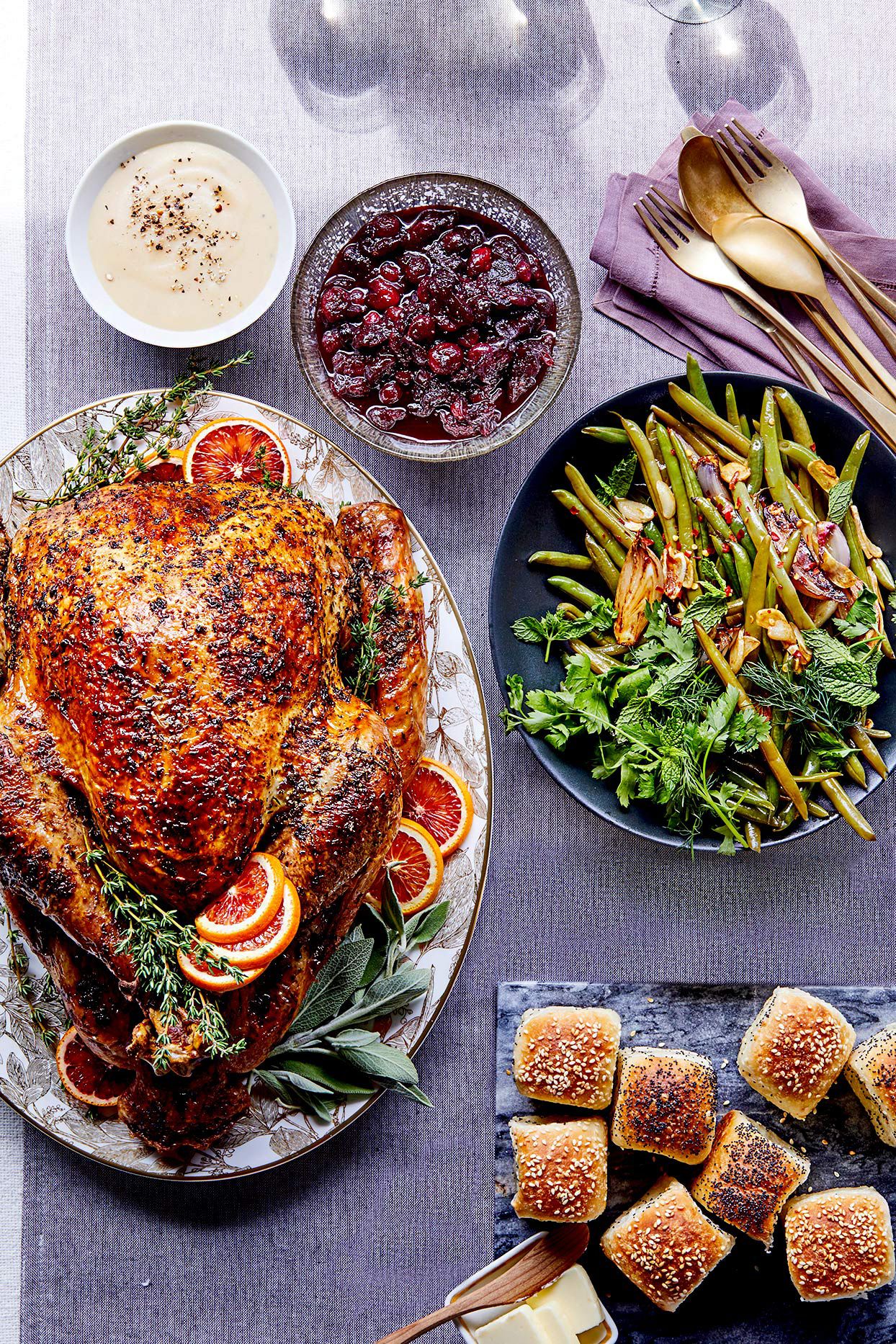
BBQ and grilling recipes have a special way of turning ordinary food into a backyard event. A chicken thigh becomes dinner with swagger. Corn on the cob becomes a buttery trophy. A humble burger suddenly acts like it owns the patio. That is the magic of cooking over fire: heat, smoke, seasoning, and a little patience work together to create flavor that the oven can admire from a respectful distance.
Whether you cook on a charcoal grill, gas grill, pellet grill, or a small portable setup at the park, the goal is the same: juicy proteins, smoky vegetables, balanced sauces, and food that makes people casually hover near the grill “just to check on things.” This guide covers essential BBQ and grilling recipes, techniques, marinades, rubs, safety tips, side dishes, and real-world experience so you can build a cookout menu that tastes intentional instead of accidental.
What Makes BBQ and Grilling Different?
People often use “BBQ” and “grilling” as if they are twins wearing the same apron, but they are not exactly the same. Grilling usually means cooking foods quickly over direct, high heat. Think burgers, steaks, shrimp skewers, hot dogs, chicken breasts, zucchini, asparagus, and peaches. It is fast, energetic, and dramatic enough to make you feel like a chef even if you are just flipping corn.
Barbecue, especially American barbecue, often means cooking low and slow with indirect heat and smoke. Brisket, ribs, pork shoulder, smoked chicken, and pulled pork are classic examples. These recipes take more time, but they reward patience with tender texture, deep smoke flavor, and barkthe dark, seasoned crust that makes BBQ fans speak in poetry.
Essential BBQ & Grilling Recipes for Every Cookout
A great cookout menu does not need to be complicated. In fact, the best BBQ and grilling recipes usually rely on a few strong ideas: season generously, manage heat properly, avoid overcooking, and let the ingredients shine. Below are reliable recipe categories that can anchor almost any backyard meal.
1. Classic BBQ Chicken
BBQ chicken is a cookout legend because it is affordable, flavorful, and flexible. Bone-in thighs and drumsticks are especially forgiving because they stay juicy better than lean chicken breasts. Start with a dry rub made from smoked paprika, brown sugar, kosher salt, black pepper, garlic powder, onion powder, and a little cayenne. Grill the chicken over indirect heat until nearly done, then brush with barbecue sauce during the final minutes.
The trick is not to sauce too early. Most BBQ sauces contain sugar, and sugar burns faster than your uncle telling the same Fourth of July story again. Apply sauce near the end so it becomes sticky and glossy without turning bitter.
2. Juicy Grilled Burgers
For burgers, choose ground beef with enough fat to stay moist, usually around 80/20. Form patties gently and avoid packing them like snowballs. A small thumbprint in the center helps prevent puffing. Season the outside with salt and pepper right before grilling, then cook over direct heat until the burgers reach a safe internal temperature.
Good toppings make burgers memorable. Try sharp cheddar, grilled onions, pickles, lettuce, tomato, jalapeños, smoky mayo, or a simple burger sauce made with mayonnaise, ketchup, mustard, pickle juice, and paprika. Toast the buns on the grill for a minute so they can hold up to the juices instead of surrendering immediately.
3. Grilled Steak with Garlic Herb Butter
Steak loves high heat. Ribeye, strip steak, sirloin, flank steak, and skirt steak all work well, but they need slightly different handling. Thick steaks benefit from a two-zone setup: sear over direct heat, then finish over indirect heat. Thin cuts like skirt steak cook quickly and should be watched closely.
Season steak with salt at least 30 minutes before grilling when possible. After cooking, let it rest so the juices redistribute. Finish with garlic herb butter made from softened butter, minced garlic, parsley, chives, black pepper, and a squeeze of lemon. It is simple, but it tastes like the steak went to finishing school.
4. BBQ Ribs with a Balanced Dry Rub
Ribs are the slow jam of barbecue recipes. For baby back ribs or spare ribs, remove the membrane from the bone side, season generously, and cook with indirect heat until tender. A balanced rub usually includes salt, brown sugar, paprika, chili powder, garlic powder, onion powder, black pepper, and a little mustard powder.
Some cooks prefer dry ribs, especially in a Memphis-inspired style. Others like sticky ribs brushed with sauce near the end. Both are correct. The wrong answer is rushing ribs over raging flames and pretending the chewy result was “rustic.”
5. Grilled Shrimp Skewers
Shrimp are perfect for weeknight grilling because they cook in minutes. Toss peeled shrimp with olive oil, lemon juice, garlic, smoked paprika, salt, pepper, and a touch of honey. Thread them on skewers and grill over direct heat until opaque and lightly charred.
Because shrimp cook quickly, prepare your sides first. Nobody wants perfect shrimp sitting around while the potato salad is still having its identity crisis.
6. Grilled Vegetables That Actually Taste Exciting
Vegetables deserve more than being treated like side characters. Zucchini, eggplant, bell peppers, mushrooms, onions, asparagus, cabbage wedges, romaine hearts, and corn all become better with char. Brush them with oil, season with salt and pepper, and grill until tender with crisp edges.
For a simple finishing sauce, mix olive oil, lemon juice, minced garlic, parsley, and a pinch of red pepper flakes. Drizzle it over the hot vegetables right before serving. The result is smoky, bright, and colorful enough to make the meat platter feel slightly underdressed.
7. Grilled Corn with Chili Lime Butter
Grilled corn is a cookout essential. You can grill it in the husk for a steamy, sweet result or directly on the grates for deeper char. For chili lime butter, mix softened butter with lime zest, lime juice, chili powder, salt, and a little cotija cheese if you like a street-corn vibe.
Serve with extra lime wedges and napkins. Many napkins. Grilled corn is delicious, but it has never once respected a clean shirt.
8. Grilled Fruit for Dessert
Do not shut down the grill after the main course. Peaches, pineapple, watermelon, bananas, and even pound cake can become excellent grilled desserts. Peaches are especially easy: halve them, remove the pit, brush lightly with oil or melted butter, and grill cut-side down until marked and softened.
Serve grilled peaches with vanilla ice cream, honey, cinnamon, or Greek yogurt. It feels fancy, but the grill does most of the work while you accept compliments you absolutely deserve.
Marinades, Rubs, and Sauces: The Flavor Triangle
Many BBQ and grilling recipes succeed because of the flavor system behind them. Marinades, rubs, and sauces each play a different role.
Marinades
A good marinade usually includes fat, acid, salt, aromatics, and seasoning. Olive oil helps carry flavor. Vinegar, citrus juice, or yogurt adds brightness and can help tenderize the surface. Salt seasons the food. Garlic, herbs, spices, mustard, soy sauce, Worcestershire sauce, and honey add personality.
Use marinades for chicken, pork chops, shrimp, tofu, vegetables, and thinner cuts of beef. Avoid marinating delicate seafood too long because acidic ingredients can change the texture. For most meats, 30 minutes to several hours is enough. Always marinate in the refrigerator, not on the counter.
Dry Rubs
Dry rubs are ideal for ribs, brisket, pork shoulder, chicken, burgers, and steak. They help build crust and concentrate flavor. A basic BBQ rub can be made with brown sugar, smoked paprika, salt, black pepper, garlic powder, onion powder, chili powder, and cayenne.
For a savory steak rub, skip most of the sugar and focus on salt, pepper, garlic, onion, and herbs. For pork, a little sweetness works beautifully. For chicken, paprika and garlic are your dependable best friendsthe kind who show up with snacks.
BBQ Sauces
American barbecue sauces vary by region. Kansas City-style sauce is often thick, sweet, and tomato-based. Carolina sauces may lean tangy with vinegar or mustard. Memphis barbecue often celebrates dry rubs but also welcomes tomato-based sauces. Texas barbecue frequently keeps sauce thinner or serves smoked meats with little sauce so the beef can speak for itself.
At home, you can make a quick BBQ sauce with ketchup, apple cider vinegar, brown sugar, molasses, Worcestershire sauce, mustard, smoked paprika, garlic powder, onion powder, black pepper, and cayenne. Simmer until glossy. Taste and adjust: more vinegar for tang, more sugar for sweetness, more pepper for kick.
Direct Heat vs. Indirect Heat
Heat control is the difference between “perfectly grilled” and “technically edible.” Direct heat means the food sits over the flame or hot coals. Use it for quick-cooking foods like burgers, steaks, shrimp, hot dogs, thin pork chops, asparagus, and sliced vegetables.
Indirect heat means the food cooks away from the flame, with the grill lid closed. Use it for larger or slower-cooking foods like whole chicken, ribs, pork shoulder, thick steaks, and roasts. On a charcoal grill, bank coals to one side and place food on the other. On a gas grill, light one or more burners and cook the food over the unlit area.
A two-zone fire gives you control. Sear over direct heat, then move food to indirect heat to finish. This method is especially useful for chicken, thick steak, sausages, and anything with sugary sauce.
Food Safety Tips for BBQ and Grilling Recipes
Great flavor matters, but safe cooking matters more. Use a food thermometer instead of guessing. Color alone is not reliable, especially with grilled meat. Beef, pork, lamb, and veal steaks, chops, and roasts should reach 145°F with a three-minute rest. Ground meats should reach 160°F. Poultry should reach 165°F. Fish should reach 145°F.
Keep raw meat separate from cooked food. Use clean plates and utensils after food leaves the grill. Do not reuse marinade that touched raw meat unless it has been boiled. Refrigerate leftovers promptly. Also, never partially grill meat and finish cooking it later, because that can allow harmful bacteria to survive and multiply.
Sample BBQ & Grilling Menu for a Crowd
Planning a cookout is easier when the menu has balance. Choose one main protein, one quick-grilled option, two sides, one sauce, and one dessert. Here is a simple crowd-pleasing menu:
- Main: BBQ chicken thighs with smoky dry rub and sticky sauce
- Quick grill item: Shrimp skewers with lemon garlic marinade
- Vegetable: Grilled zucchini, peppers, and onions with herb dressing
- Side: Classic potato salad or smoky baked beans
- Fresh element: Cabbage slaw with vinegar dressing
- Dessert: Grilled peaches with vanilla ice cream
This kind of menu works because it offers smoky, sweet, tangy, creamy, crisp, and fresh flavors. It also gives guests options without forcing you to operate the grill like an air traffic controller.
Common BBQ and Grilling Mistakes to Avoid
Opening the Lid Too Often
Every time you open the lid, heat escapes. For indirect cooking, keep the lid closed as much as possible. Trust the process, your thermometer, and your ability to resist unnecessary peeking.
Cooking Everything Over High Heat
High heat is useful, but it is not the answer to every grilling problem. Chicken, ribs, sausages, and thick cuts need gentler cooking so the inside finishes before the outside burns.
Saucing Too Soon
Sweet BBQ sauce burns easily. Brush it on during the final stage of cooking, then let it set into a shiny glaze.
Skipping the Rest
Meat needs a short rest after grilling. This helps juices settle and keeps every slice from leaking flavor onto the cutting board.
Ignoring Vegetables
A grill can do wonderful things to vegetables. Give them space, oil, seasoning, and enough time to char. They may not replace ribs, but they can absolutely steal attention.
of Real BBQ & Grilling Experience
One of the best lessons from cooking BBQ and grilling recipes is that the grill rewards preparation. The most stressful cookouts usually begin with someone lighting the grill and then suddenly realizing the chicken is still in the fridge, the tongs are missing, and the sauce is somehow unopened, upside down, and judging everyone. A better approach is to set up a small grilling station before the heat begins: clean platter for cooked food, separate plate for raw meat, thermometer, tongs, brush, towel, oil, seasonings, and a cold drink for the cook. Hydration is important. So is morale.
Another experience worth remembering is that simple recipes often win. A perfectly grilled burger with salt, pepper, melted cheese, toasted bun, and crisp pickles can beat a complicated recipe with twelve toppings and emotional baggage. The same is true for grilled chicken. You do not need a secret sauce guarded by three generations of fictional pitmasters. You need steady heat, proper seasoning, and the patience to let the chicken cook through before lacquered sauce goes on.
Two-zone cooking is the technique that changes everything. Before learning it, many backyard cooks treat the grill like a single giant flame. That leads to food that is charred outside and suspiciously underdone inside. With a hot side and a cooler side, you can sear, move, rest, and rescue. If burgers flare up, slide them away from the flames. If chicken skin browns too fast, move it to indirect heat. If vegetables finish early, park them on the cooler side. Suddenly the grill feels less like a fire-breathing dragon and more like a useful cooking tool.
Timing also matters. Start slow-cooking items first. Ribs, bone-in chicken, and thick sausages need more time than shrimp, asparagus, or sliced bread. Add quick foods near the end. This prevents the classic cookout tragedy where the steaks are done, the corn is cold, and the shrimp have turned into tiny pink erasers.
One of the most enjoyable parts of grilling is learning how smoke, char, acid, and sweetness balance each other. Rich meats like pork shoulder or ribs love tangy slaw. Sweet BBQ sauce tastes better when there is vinegar or mustard nearby. Smoky grilled vegetables wake up with lemon juice and herbs. Even grilled fruit benefits from contrast: peaches with yogurt, pineapple with lime, bananas with a sprinkle of cinnamon.
The final experience is this: perfection is not required. Outdoor cooking is naturally a little unpredictable. Wind changes heat. Charcoal behaves differently from bag to bag. Someone will ask when the food is ready exactly seven seconds after you put it on the grill. That is part of the charm. The goal is not a flawless restaurant performance. The goal is food that tastes smoky, generous, and memorable. If people are relaxed, plates are full, and somebody asks for the recipe, the cookout has done its job.
Conclusion
BBQ and grilling recipes are more than summer food; they are a practical, flavorful way to bring people together. With a few core techniquesdirect heat, indirect heat, smart seasoning, safe internal temperatures, and balanced saucesyou can cook everything from juicy burgers and BBQ chicken to smoky ribs, grilled vegetables, shrimp skewers, corn, and fruit desserts.
The best grilling does not come from making things complicated. It comes from understanding heat, respecting ingredients, and building layers of flavor with rubs, marinades, smoke, char, and sauce. Start with reliable recipes, taste as you go, and keep practicing. Before long, your backyard grill will become less of an appliance and more of a delicious personality trait.