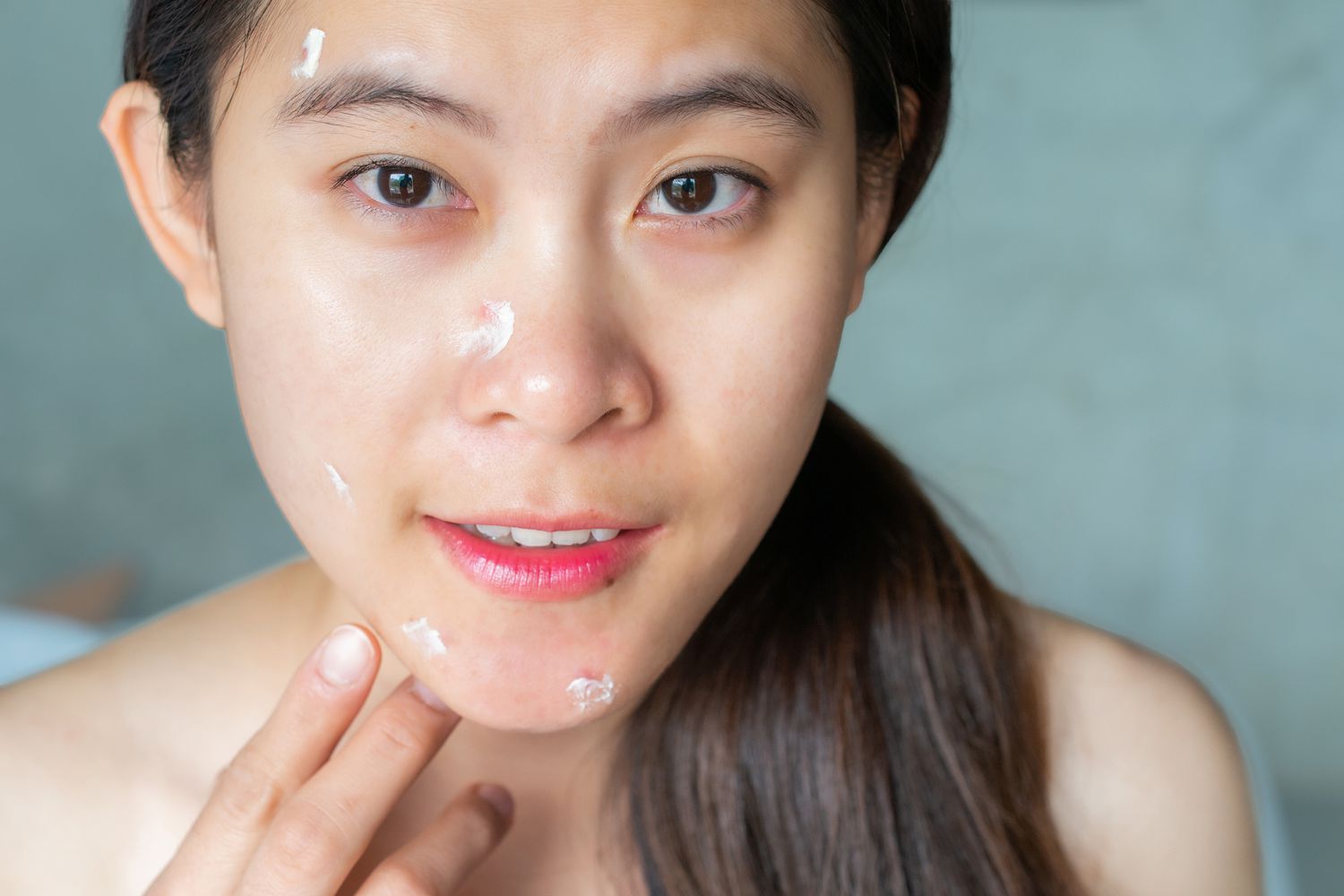
If your bathroom shelf looks like a tiny skincare pharmacy, there’s a good chance two usual suspects are already there: benzoyl peroxide and salicylic acid. They’re the MVPs of many acne routinesbut they work in very different ways, and using the wrong one for your skin can mean extra redness, peeling, or absolutely nothing happening at all (rude).
So, benzoyl peroxide vs. salicylic acid: which is actually right for you? Let’s break down how each one works, who they’re best for, how to use them together, and when it’s time to call in a dermatologist.
What Is Benzoyl Peroxide?
Benzoyl peroxide is a topical acne medication that’s been used for decades. It’s most famous for doing one thing very, very well: killing acne-causing bacteria on the skin, especially Cutibacterium acnes (formerly Propionibacterium acnes), which plays a big role in inflammatory pimples and pustules.
It’s usually found in strengths from 2.5% to 10% in:
- Face washes and foaming cleansers
- Leave-on gels and creams
- Spot treatments
- Body washes for back and chest acne
How Benzoyl Peroxide Works
Benzoyl peroxide is an antimicrobial and a mild keratolytic (it helps shed dead skin). When applied to the skin, it breaks down and releases oxygen. Acne-causing bacteria don’t love oxygen (they’re “anaerobic”), so this environment makes it hard for them to thrive. Less bacteria = less inflammation = fewer angry red pimples.
On top of that, benzoyl peroxide helps clear out clogged pores and reduce the oil-and-dead-skin gunk that eventually turns into a breakout. It doesn’t shrink your pores (that’s a myth), but it does keep them from getting jammed so easily.
Best For
- Inflammatory acne: red, swollen pimples, pustules, and “zits that hurt.”
- Moderate to severe acne: especially when you’ve got a mix of red bumps and whiteheads.
- Body acne: back, shoulders, and chest, where skin is thicker and can tolerate stronger treatments.
Dermatology guidelines often recommend benzoyl peroxide for inflammatory acne and commonly pair it with topical or oral antibiotics, or with retinoids, because it helps reduce antibiotic resistance.
Pros of Benzoyl Peroxide
- Fast-acting on red pimples: You may see improvement in a few weeks with consistent use.
- Helps prevent antibiotic resistance: Commonly used with prescription treatments.
- Available over the counter: Lots of cleansers, gels, and spot treatments at various strengths.
- Great for body acne: Works well in washes for back and chest.
Cons of Benzoyl Peroxide
- Can be irritating: Redness, peeling, dryness, and stinging are common at first.
- Bleaches fabrics: Towels, pillowcases, pajamasnothing is safe. Use white linens or older fabrics.
- Not ideal for very sensitive or easily reactive skin: It may be too harsh for some people, especially with rosacea-prone skin.
What Is Salicylic Acid?
Salicylic acid is a beta hydroxy acid (BHA) that’s oil-soluble, meaning it can slip into oily pores and help dissolve the buildup inside. Think of it as a tiny drain cleaner for congested skinless dramatic, more glamorous.
You’ll usually see salicylic acid in strengths of 0.5% to 2% in:
- Acne cleansers and foaming face washes
- Toners and liquid exfoliants
- Serums and gels
- Spot treatments and acne pads
How Salicylic Acid Works
Salicylic acid is a keratolytic agentit helps loosen the “glue” between dead skin cells so they shed more evenly. Because it’s oil-soluble, it can penetrate into pores, clear out excess sebum and debris, and reduce the formation of blackheads and whiteheads.
It also has mild anti-inflammatory effects, which can help calm redness and irritation from acne. That’s why it’s a staple in many over-the-counter acne lines and exfoliating toners.
Best For
- Comedonal acne: blackheads, whiteheads, and small bumps under the skin.
- Oily or combination skin: helps keep shine and clogged pores under control.
- Rough, bumpy texture: can smooth out uneven areas by improving cell turnover.
Pros of Salicylic Acid
- Great for clogged pores and blackheads: Helps prevent new comedones from forming.
- More flexible formats: Cleansers, toners, serums, and peels let you customize your routine.
- Generally gentler than benzoyl peroxide: Many people tolerate it better long term.
- Helps overall texture: Can soften rough areas and brighten dull skin with regular use.
Cons of Salicylic Acid
- Can still cause dryness and irritation: Especially if you overdo it or combine with other strong actives.
- Not as strong against deep, inflamed acne: Better for prevention and mild to moderate breakouts.
- May not be suitable for people with aspirin allergy: Salicylic acid is related to aspirin (salicylates), so ask a doctor if you’re unsure.
Benzoyl Peroxide vs. Salicylic Acid: Key Differences
Both ingredients are acne-fighters, but they go after different targets. Here’s the quick breakdown:
1. Main Action
- Benzoyl peroxide: Primarily kills acne-causing bacteria and reduces inflammation; also mildly unclogs pores.
- Salicylic acid: Primarily unclogs pores and exfoliates, with mild anti-inflammatory properties.
2. Best For Acne Type
- Benzoyl peroxide: Red, inflamed pimples and pustules; moderate to severe acne; body acne.
- Salicylic acid: Blackheads, whiteheads, and congested pores; mild to moderate acne; oily T-zone.
3. Irritation Potential
- Benzoyl peroxide: Higher chance of dryness, peeling, and irritationespecially in stronger strengths and leave-on products.
- Salicylic acid: Often better tolerated, but still drying if used too frequently or layered with other strong acids or retinoids.
4. Extra Considerations
- Benzoyl peroxide: Bleaches towels, pillowcases, and clothing; can be messy if you’re not careful.
- Salicylic acid: Needs consistent, long-term use for best results; not a “one-night miracle” treatment.
Which One Is Right for Your Skin Type?
Choosing between benzoyl peroxide and salicylic acid is a lot easier once you factor in your skin type, acne pattern, and sensitivity level.
If You Have Oily, Clogged-Pore Skin with Blackheads
Salicylic acid is usually the MVP here. The oil-soluble nature of BHA helps clear out blocked pores and reduces the formation of new comedones. A 0.5–2% salicylic acid cleanser, toner, or serum used regularly can help keep blackheads on the nose, chin, and forehead under control.
If You Have Red, Painful Pimples and Pustules
Benzoyl peroxide often works better for inflamed breakouts, especially on the cheeks, jawline, chest, and back. A 2.5–5% leave-on gel or cream, or a benzoyl peroxide wash for the body, can significantly cut down on pimple count when used daily.
If You Have Combination Acne (Clogged Pores + Red Pimples)
Many people benefit from using both, strategically:
- Salicylic acid in a gentle cleanser or toner for overall pore care.
- Benzoyl peroxide gel as a spot treatment or thin layer on acne-prone zones.
The trick is not to blast your entire face with multiple strong products all at once. Think targeted, not “nuclear.”
If You Have Sensitive or Dry Skin
Proceed with caution. Start low and go slow:
- Try a low-strength salicylic acid cleanser a few times a week instead of daily.
- Use benzoyl peroxide as a short-contact therapy (leave on for 1–5 minutes, then rinse) if leave-on products are too irritatingsomething dermatologists often suggest for very sensitive skin.
- Buffer both ingredients with a gentle, fragrance-free moisturizer.
Can You Use Benzoyl Peroxide and Salicylic Acid Together?
Short answer: yes, but with a plan.
Using both benzoyl peroxide and salicylic acid can give you a “two-angle attack”: salicylic acid keeps pores clear, while benzoyl peroxide controls acne-causing bacteria and inflammation. Many dermatology-backed routines combine thembut they also emphasize moderation and moisturization.
Smart Ways to Combine Them
- Alternate days: Use salicylic acid-based products on some days and benzoyl peroxide on others.
- Different times of day: Salicylic acid in the morning (plus sunscreen), benzoyl peroxide at night.
- Different areas: Salicylic acid on the T-zone and clogged-pore areas, benzoyl peroxide just on active, inflamed breakouts.
If your skin starts feeling tight, itchy, flaky, or looks more irritated than usual, dial it backless frequency, lower strength, or one active at a time.
How to Introduce These Ingredients Without Destroying Your Barrier
Your skin barrier is like the front door of your house; if you keep slamming it, eventually something breaks. Here’s how to keep things calm while still fighting acne.
Step 1: Start Low and Slow
- Choose lower strengths first (e.g., 2.5% benzoyl peroxide, 0.5–1% salicylic acid).
- Use them once a day or even every other day at the beginning.
- Give it 4–6 weeks before you decide whether it’s working, unless you experience severe irritation.
Step 2: Protect Your Moisture Barrier
- Use a gentle, non-foaming cleanser (no harsh scrubs or strong sulfates).
- Apply a fragrance-free moisturizer morning and night.
- Consider the “sandwich method”: moisturizer → active → moisturizer, if you’re prone to dryness.
Step 3: Never Skip Sunscreen
Both benzoyl peroxide and salicylic acid can make your skin a bit more sensitive. A broad-spectrum sunscreen (SPF 30 or higher) is non-negotiable. Sun exposure plus irritation is a great recipe for dark spots and post-acne marksexactly what you don’t want after doing all this work.
When to Call a Dermatologist
Over-the-counter benzoyl peroxide and salicylic acid are great for mild to moderate acne, but they’re not miracle workers for everyone. You should absolutely bring in a professional if:
- Your acne is severe, cystic, or very painful.
- You’re developing scars or dark marks from frequent breakouts.
- You’ve tried OTC products consistently for 2–3 months with little or no improvement.
- You suspect a hormonal pattern (e.g., deep jawline acne that flares with your cycle).
Dermatologists can prescribe stronger retinoids, topical or oral antibiotics, hormonal treatments, or isotretinoin when neededand they can help you fit benzoyl peroxide or salicylic acid into a broader, more effective plan.
So… Benzoyl Peroxide or Salicylic Acid: Which Is Right for You?
If we had to oversimplify:
- Choose benzoyl peroxide if: You have red, inflamed pimples, especially on the face or body; you don’t have ultra-sensitive skin; you’re okay with using white towels and pillowcases.
- Choose salicylic acid if: Your biggest issues are blackheads, whiteheads, and clogged pores; your skin leans oily or combination; you want a gentler, more long-term preventive ingredient.
- Consider using both if: Your acne is a mix of clogged pores and inflamed bumps, and you’re willing to build a routine slowly and carefully.
The “right” choice isn’t just what’s best on paperit’s what your actual skin can tolerate, what you can realistically use consistently, and what fits the rest of your routine. Consistency beats perfection every time.
Personal & Practical Experiences: What It’s Really Like to Use These Ingredients
Skincare isn’t just science; it’s also how things feel in real lifeon Tuesday nights when you’re tired, or on busy mornings when you’ve got 4 minutes to get ready. Here’s what the day-to-day experience of benzoyl peroxide vs. salicylic acid often looks like in practice.
Benzoyl Peroxide in Real Life
Many people describe their first weeks with benzoyl peroxide as a bit of a roller coaster. On one hand, they finally see those big, angry pimples shrinking faster than usual. On the other, their skin can feel dry, tight, and slightly flakyespecially around the mouth and nose. If you’re not used to actives, that can be a shock.
One common “hack” people use is switching to a benzoyl peroxide wash instead of a leave-on product. You massage it onto damp skin, let it sit for a minute or two (like a mini mask), then rinse. This short contact time can give you some of the antibacterial benefit while lowering the risk of irritation. It’s also a popular strategy for body acne, where you can apply it in the shower, then rinse and follow with a light body lotion.
Another very real benzoyl peroxide experience: fabric casualties. If you forget and rub your face on a colored towel or sleep on a favorite dark pillowcase, you may wake up to mysterious bleach stains. Many long-time users eventually surrender to white towels and pillowcases as a lifestyle choiceit’s almost a rite of passage.
Salicylic Acid in Real Life
Salicylic acid tends to feel a lot more “everyday-friendly.” A salicylic acid cleanser may just feel like a slightly “deeper clean,” and a toner or serum might give a mild tingle, then settle down. Over a few weeks of consistent use, people often notice their nose looks less congested, blackheads are less obvious, and makeup or sunscreen applies more smoothly over fewer bumps.
However, it’s also very easy to get a little too enthusiastic with salicylic acidespecially if you’re also using retinoids, vitamin C, or other exfoliating acids. That’s when you see the classic over-exfoliation signs: redness, tightness, shiny-but-not-in-a-good-way skin, and even more breakouts because your barrier is annoyed. A lot of people learn the hard way that “more exfoliation” does not equal “more glow.”
For many, the sweet spot ends up being a gentle salicylic acid product a few times a week, rather than every single day, plus lots of moisturizer and sunscreen. Once skin is stable, it often becomes a long-term maintenance step rather than a short-term “emergency” product.
The Emotional Side of Trial and Error
Something that doesn’t get talked about enough is how emotionally draining acne experiments can be. You buy a benzoyl peroxide gel with high hopes, only to have your face peel like a croissant. You switch to salicylic acid, feel okay, then break out again and wonder if it’s “purging” or just not working.
This is where keeping things simple and giving each change enough time is huge. Instead of overhauling your entire routine at once, adding one new product at a time lets you actually see what’s helping and what’s hurting. It also makes conversations with a dermatologist more productive“I used a 2.5% benzoyl peroxide gel at night for six weeks, then added a 1% salicylic acid toner three times a week” is way more helpful than “I tried like five things and it was chaos.”
Finding Your “Right Now” Routine
Another helpful mindset: your “right” ingredient can change over time. Maybe in your teens, benzoyl peroxide was essential for inflamed breakouts. Later, in your 20s or 30s, your skin is calmer but still oily with persistent blackheads, so salicylic acid becomes your new favorite. Or you might use benzoyl peroxide only as a spot treatment during stress or hormonal flares, and rely on salicylic acid for everyday maintenance.
It’s completely normal to adjust your routine to your current life stage, hormones, lifestyle, and even climate. The goal isn’t to be loyal to one ingredient foreverit’s to actually give your skin what it needs right now.
Bottom Line from Real-World Experience
If you like a strong, decisive product that tackles inflamed pimples quickly and you can handle a bit of dryness, benzoyl peroxide often feels satisfyinglike bringing in the heavy artillery. If you prefer a steadier, more subtle approach that focuses on prevention and smoother texture, salicylic acid usually feels more sustainable.
Either way, pairing your chosen ingredient with a gentle cleanser, a solid moisturizer, and daily SPF tends to be the winning formula. Acne treatment is rarely about one miracle product; it’s about building a routine that your skin can live withcomfortablyfor the long haul.