Biotin is one of those nutrients that somehow became a celebrity. It’s on shampoo labels, “hair-skin-nails” gummies,
and the supplement aisle shelf that looks like a candy store for grown-ups. But biotin (also called vitamin B7)
is less “miracle glow-up” and more “quietly keeps the engine running.” Which, honestly, is still pretty impressive.
In this guide, we’ll break down what biotin actually does, where to get it from food, when supplements make sense,
and the biggest safety issue most people never hear about: lab test interference.
What Is Biotin (Vitamin B7), and What Does It Do?
Biotin is a water-soluble B vitamin. “Water-soluble” means your body doesn’t store much of it long-term, so you
generally need regular intake from food. Biotin’s main job is to help certain enzymes do their workspecifically,
enzymes involved in how your body uses fats, carbohydrates, and proteins.
In the body, biotin acts as a helper (a “cofactor”) for enzymes called carboxylases. These enzymes play key roles in
important pathways like fatty acid synthesis, breaking down some amino acids, and managing parts of glucose metabolism.
Translation: biotin helps your body turn food into usable energy and building blocks.
How Much Biotin Do You Need?
In the U.S., official guidance uses Adequate Intake (AI) levels for biotin (instead of an RDA),
because there isn’t enough evidence to set an RDA. For most people, the numbers are smalllike, tiny.
That’s why biotin doses on supplement labels can look like a typo.
Typical daily biotin needs (Adequate Intake)
- Teens (14–18): 25 mcg/day
- Adults (19+): 30 mcg/day
- Pregnancy: 30 mcg/day
- Breastfeeding: 35 mcg/day
Quick unit reality check: 1 mg = 1,000 mcg. So a “5,000 mcg” supplement is 5 mgmore than
160 times the adult AI. That doesn’t automatically mean “danger,” but it does mean “this is not just topping off.”
The good news: biotin deficiency is rare in healthy people eating a typical mixed diet. When it does
happen, it’s usually linked to specific medical conditions, long-term habits (more on raw egg whites in a second),
or certain medications.
Food Sources of Biotin (Yes, You Can Eat Your Vitamins)
Biotin is found in a wide range of foods. You don’t need a “biotin-only” meal plan (that sounds like something a
robot would invent). You just need varietyespecially protein foods, nuts/seeds, and a few vegetables.
High-biotin foods you can actually buy at a normal grocery store
- Beef liver (3 oz, cooked): about 30.8 mcg
- Whole egg (cooked): about 10 mcg
- Canned pink salmon (3 oz): about 5 mcg
- Pork chop or hamburger patty (3 oz, cooked): about 3.8 mcg
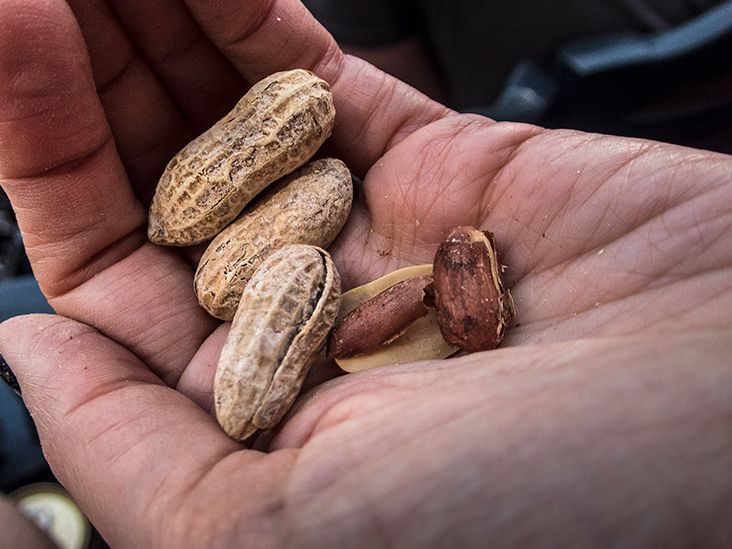
- Sunflower seeds (1/4 cup, roasted): about 2.6 mcg
- Sweet potato (1/2 cup, cooked): about 2.4 mcg
- Almonds (1/4 cup, roasted): about 1.5 mcg
Notice something? You can hit meaningful biotin intake without doing anything extremeno “powdered unicorn horn”
required.
The raw egg white trap (aka “Avidin: the party pooper”)
Raw egg whites contain a protein called avidin that binds biotin and can block absorption.
Cooking denatures avidin (meaning it stops being a problem). So: cooked eggs are a solid biotin source; raw egg
whites in large amounts over time are a classic “how to make a deficiency” example.
Biotin Benefits: What It Helps With (and What It Probably Doesn’t)
1) Energy metabolism and cellular function
Biotin’s strongest claim to fame is the least glamorous: it supports enzymes that help your body process fats,
carbs, and proteins. This matters for day-to-day metabolism, but you won’t necessarily “feel” it working the way you
might feel caffeine working. Think of it like motor oil, not rocket fuel.
2) Hair, skin, and nails: the hype vs. the evidence
Here’s the deal: biotin deficiency can cause hair loss, skin rashes, and brittle nails. So it makes
sense that correcting a true deficiency can improve those symptoms.
But for people who already get enough biotin, evidence that extra biotin improves hair growth or nail strength is
limited. Much of the “biotin glow-up” story comes from case reports and small studies, often without placebo groups,
and sometimes without confirming whether participants were deficient to begin with.
What biotin can do well:
- Support normal keratin-related structures (hair and nails) when your body is short on biotin.
- Help in certain rare hair shaft disorders (documented mostly in specific pediatric conditions).
- Address brittle nails in some small studies, though the overall evidence base remains thin.
What biotin probably won’t do for most healthy people:
- Instantly “fix” hair shedding caused by stress, thyroid issues, iron deficiency, or hormones.
- Outperform basics like adequate protein, iron, zinc, vitamin D, and gentle hair care.
- Work like a magic fertilizer for hair follicles that are already getting what they need.
If someone is dealing with significant hair loss, the most useful move is usually to identify the real cause.
A supplement might help if a deficiency existsbut it’s not a substitute for checking things like iron status,
thyroid function, or overall nutrition.
3) Pregnancy and breastfeeding: why biotin needs get attention
Research suggests that marginal biotin deficiency can occur during pregnancy even when intake looks
“normal,” and levels in blood or breast milk can decrease during lactation. That doesn’t automatically mean everyone
needs high-dose supplementsjust that it’s a nutrient clinicians keep on the radar during these life stages.
4) When biotin is medically essential (not optional)
There are rare genetic conditions where biotin supplementation is a real, evidence-based treatmentespecially
biotinidase deficiency, a disorder that prevents the body from properly recycling biotin.
The U.S. screens newborns for this condition because early treatment can prevent serious complications.
Biotin Supplements: A Dose Reality Check
Supplements come in a wild range of dosesfrom “basically the AI” to “could power a small spaceship.”
Many beauty-focused products contain 5,000–10,000 mcg (5–10 mg) per serving.
That’s not automatically unsafe, but it’s worth asking: Why that much? For most people, the answer is
marketingbig numbers look impressive. Your body, however, is not easily impressed.
If you’re considering biotin for hair or nails, it helps to set expectations:
- Nails: Any real change takes timeoften weeks to monthsbecause nails grow slowly.
- Hair: Hair grows about 1/2 inch per month on average, so “growth” is a long-game metric.
- Shedding: Many shedding episodes improve on their own after the trigger resolves.
Biotin Safety: Side Effects, Lab Tests, and Who Should Be Careful
Biotin is generally considered safe, and there’s no established tolerable upper intake level (UL) because
toxicity hasn’t been clearly demonstrated in humanseven at fairly high supplemental doses used in medical settings.
Still, “safe” doesn’t mean “risk-free,” and biotin’s biggest risk is surprisingly indirect.
The #1 safety issue: biotin can mess with lab tests
Some lab tests use biotin-streptavidin technology. If you have a lot of biotin circulating in your blood from
supplements, it can cause falsely high or falsely low resultsdepending on the specific test.
Tests that can be affected include certain assays for:
- Cardiac troponin (used in evaluating possible heart attacks)
- Thyroid tests (which can lead to confusing “hyperthyroid” or “normal” results that don’t match symptoms)
- Some hormone tests and other specialized immunoassays
The FDA has repeatedly warned about this because incorrect results can lead to missed diagnoses or inappropriate
treatment. The most practical safety tip is simple: tell your clinician and the lab if you take biotin,
especially if you take high-dose “hair/skin/nails” products. If a test is scheduled, ask the clinician what they want
you to do beforehanddon’t guess.
Notably, even a single 10 mg dose has been reported to interfere with certain thyroid tests within
about a day. That’s one reason transparency matters more than “toughing it out and hoping the lab figures it out.”
Possible side effects
Most people tolerate biotin well. When side effects happen, they’re usually mildlike stomach upset.
Some people also report skin breakouts, though evidence and mechanisms aren’t fully settled.
If you notice a consistent pattern (start supplement → breakouts → stop supplement → improvement), that’s useful
information to bring to a healthcare professional.
Medication interactions and special situations
Biotin can interact with certain medications, and some medications can lower biotin levels. For example,
long-term use of certain anticonvulsant (anti-seizure) medications has been associated with lower
biotin status. If you take any long-term medications, it’s smart to ask a clinician before adding high-dose biotin,
especially if you also get periodic lab work.
People who should be extra careful include:
- Anyone with upcoming blood tests, especially thyroid or cardiac-related testing
- People taking anti-seizure medications long-term
- Pregnant or breastfeeding individuals (discuss supplement doses with a clinician)
- Teens using supplements without medical guidance (your body is still developing; “more” isn’t automatically “better”)
How to Get Biotin Safely (Without Turning Your Supplement Cabinet Into a Chemistry Lab)
Start with food-first basics
- Include a protein source at meals (eggs, fish, poultry, beans, lean meat).
- Add nuts/seeds a few times a week (almonds, sunflower seeds).
- Work in biotin-friendly produce (sweet potato, spinach, broccoli).
If you use a supplement, choose wisely
- Pick brands that use reputable quality testing (third-party verification is a plus).
- Avoid megadoses unless a clinician recommends them for a specific reason.
- Keep a list of supplements on your phoneespecially important for lab visits.
And remember: if the goal is “better hair,” a supplement won’t outrun basics like adequate protein, sleep,
stress management, and treating underlying issues (like thyroid problems or iron deficiency). Biotin can be a helper,
not the whole team.
Real-World Experiences With Biotin (The Stuff People Actually Notice)
Let’s talk about what tends to happen in real lifebecause the internet is full of “biotin saved my entire scalp”
and “biotin did absolutely nothing except make my wallet lighter.” Both can be true, depending on the person.
Below are common patterns people report, along with the practical context that makes those experiences make sense.
(These are illustrative examples, not medical advice or guaranteed outcomes.)
Experience #1: “My nails stopped peeling… eventually.”
A lot of people try biotin because their nails peel, split, or snap the second they look at a zipper. When someone
truly has low biotin intakeor when brittle nails are tied to nutritional gapsimprovement is often described as
gradual. Nails grow slowly, so a common “aha” moment shows up after several weeks: the new growth near the cuticle
looks smoother and stronger than the older, damaged portion.
A realistic timeline people describe is 6–12 weeks before they’re confident anything changed. And sometimes the
“biotin win” is actually a combo effect: better hydration, fewer harsh nail products, gloves for cleaning, and a more
protein-rich diet alongside the supplement.
Experience #2: “My hair feels better… but is it growing faster?”
Hair stories are tricky because hair growth is slow and hair shedding is often delayed. Someone might start biotin in
January and notice less shedding in Marchand assume biotin was the hero. But shedding episodes (like telogen effluvium
after stress, illness, or major life changes) often improve on their own over time.
People who report the most convincing benefits tend to fall into a few buckets:
- They were actually deficient (or had a diet pattern that made deficiency more likely).
- They had a specific medical issue where biotin is part of treatment.
- They changed multiple things at once (diet, sleep, hair care), and biotin got the credit.
Experience #3: “I got lab work and everything got confusing.”
This one is more common than it should be. Someone takes a high-dose “hair, skin, and nails” supplement, then gets
routine blood work. Suddenly a thyroid panel looks “off,” or a result doesn’t match how they feel. After a few calls,
someone asks, “Are you taking biotin?” and the mystery begins to unravel.
People often describe this as frustrating because they were doing something “healthy” and didn’t expect it to affect
medical testing. The takeaway from these experiences is powerful and simple: always mention supplementsespecially
biotinbefore lab tests. It can prevent unnecessary anxiety, repeat testing, or treatment decisions based on misleading
numbers.
Experience #4: “My stomach didn’t love it.”
Some people notice mild stomach upset when starting biotin, especially if they take it on an empty stomach or stack it
with multiple supplements at once. A common strategy people report (with clinician approval) is taking supplements with
food and simplifying their routinebecause your digestive system did not sign up for a morning “capsule buffet.”
Experience #5: “I realized food was the easier solution.”
Another surprisingly common outcome: people try biotin, then realize they’d rather just eat in a way that naturally
supports nutrient intake. Adding eggs (cooked), salmon, nuts, seeds, and sweet potatoes feels more sustainable than
remembering gummies that taste like candy but cost like rent.
Many people also report that focusing on “whole-diet” habitsadequate protein, fruits/vegetables, hydration, and
addressing iron or vitamin D if neededmade their hair and nails look better overall than any single nutrient.
Biotin can still have a role, but it’s often just one piece of a bigger “healthy baseline” puzzle.
Conclusion: The Smart Way to Think About Biotin
Biotin is essential, but it’s not mystical. Most people get enough through food, and true deficiency is uncommon.
Biotin supplements can be helpful when there’s a real reasonlike a deficiency risk, a medical condition, or a clinician’s
recommendation. For general “hair and nails” goals, the evidence for extra biotin in already-nourished people is limited,
and it’s often not the first place to look if something’s off.
If you take one safety tip away, make it this: high-dose biotin can interfere with lab tests.
Tell your healthcare team about it, especially before thyroid or cardiac testing. That single habit can prevent a lot of
confusion and keep health decisions based on accurate information.