If your body were a phone, glucose (blood sugar) would be the battery percentage. Too low and you’re buffering in real life.
Too high and things start overheating behind the scenes. A blood sugar test tells you how much glucose is
circulating in your bloodstream right now (or, in the case of A1C, how things have been going lately). It’s one of the most
common lab tests in the U.S. because it helps detect prediabetes, diagnose diabetes, and guide
daily treatment decisions.
This guide breaks down the purpose of blood glucose testing, the procedure (what actually happens
during each test), and how to read your results without spiraling into a late-night search session that ends in
buying a “miracle cinnamon supplement.” (No judgment. We’ve all been there.)
What a Blood Sugar Test Measures (And Why It Matters)
A blood glucose test measures the amount of glucose in your blood. Glucose comes from the carbohydrates you eat,
and your body uses it for energyespecially your brain, which is famously demanding and not at all grateful.
Normally, hormones like insulin help move glucose from your bloodstream into your cells. When that system isn’t
working wellbecause your body isn’t making enough insulin or isn’t using it effectivelyblood glucose can rise. Over time,
frequent high blood sugar can damage blood vessels and nerves, increasing the risk of heart, kidney, eye, and nerve problems.
On the flip side, blood sugar that drops too low can make you feel shaky, sweaty, confused, and generally like your body just
rage-quit the day.
Purpose of a Blood Sugar Test
Doctors order blood sugar testing for a few big reasons. Sometimes it’s routine. Sometimes it’s because your body is sending
signals. And sometimes it’s because pregnancy likes to add surprise side quests.
1) Screening for Prediabetes or Diabetes
Many people with early blood sugar problems feel totally fine. Screening tests help catch prediabetes (higher-than-normal
glucose that isn’t yet diabetes) so you can take action sooner. Early changeslike improving food choices, increasing activity,
and managing weightcan meaningfully reduce risk of progressing to type 2 diabetes.
2) Diagnosing Symptoms of High or Low Blood Sugar
If you’ve had symptoms like increased thirst, frequent urination, unexplained weight loss, blurry vision, unusual fatigue, or
slow-healing cuts, your clinician may check your glucose. If you have symptoms like shakiness, sweating, fast heartbeat,
hunger, irritability, or confusion, your provider may check for low blood sugar (hypoglycemia).
3) Monitoring Diabetes (Or Medication Side Effects)
If you already have diabetes, testing helps you and your care team see whether your current plan is workingfood, activity,
medication, and stress included. Blood glucose checks may also be used to monitor how certain long-term medications affect blood
sugar (for example, some steroids can raise glucose).
4) Screening in Pregnancy (Gestational Diabetes)
Many pregnant people are tested between about 24 and 28 weeks to check for gestational diabetes.
If risk is higher, testing may happen earlier. These tests help protect both parent and baby by identifying when glucose levels
are running high.
Types of Blood Sugar Tests
“Blood sugar test” is a whole family of tests, each with its own job. Think of them like different camera lenses: one captures
a snapshot, another captures a time-lapse.
Fasting Plasma Glucose (FPG)
The fasting blood sugar test measures glucose after you haven’t eaten (usually for at least 8 hours). It’s commonly
used for screening and diagnosis because it’s simple and standardized.
Random (Casual) Plasma Glucose
A random blood sugar test measures glucose at any time of day, fasting or not. It can help identify diabetes,
especially when paired with classic symptoms of high blood sugar.
Oral Glucose Tolerance Test (OGTT)
The oral glucose tolerance test checks how your body handles glucose over time. You fast first, drink a sweet glucose
solution, and then your blood is tested at set intervals (commonly at 2 hours). It’s used for diagnosing diabetes and is a key
test in pregnancy-related screening workflows.
A1C (Hemoglobin A1C)
While not a “spot glucose” test, the A1C test is often discussed alongside blood sugar testing. It reflects average
blood glucose over roughly the last 2–3 months by measuring how much glucose is attached to hemoglobin in red blood cells.
It’s used for screening, diagnosis, and monitoring in many people.
Fingerstick (Capillary) Blood Glucose
A fingerstick check uses a small lancet to get a drop of blood from your fingertip. It’s common in clinics and at home for
blood glucose monitoring. It’s excellent for day-to-day decision-making, but diagnosis of diabetes typically relies on
lab-based plasma glucose or A1C tests.
Continuous Glucose Monitoring (CGM)
A continuous glucose monitor uses a small sensor under the skin to estimate glucose levels in the fluid between your
cells. It provides trend data and alerts, which can be especially helpful for people using insulin or those who experience
hypoglycemia.
Who Should Consider Testing?
Your clinician may recommend blood sugar testing based on age, health history, symptoms, pregnancy, or risk factors like
overweight/obesity, family history of diabetes, high blood pressure, abnormal cholesterol, prior gestational diabetes, or
conditions associated with insulin resistance.
Even without symptoms, many adults are advised to get screened periodicallyespecially if risk factors are present. If you’re
unsure, it’s reasonable to ask at your next routine visit: “Should I have a fasting blood glucose or A1C test this year?”
Procedure: What Happens During a Blood Sugar Test?
Most blood sugar testing is quick. The stress is usually bigger than the needle. (And yes, the needle is tiny.)
Lab Blood Draw (Fasting Glucose, Random Glucose, OGTT, A1C)
- Check-in: You confirm your name, date of birth, and what test you’re getting.
- Prep: For fasting tests, you’ll be asked when you last ate or drank anything besides water.
- Blood draw: A technician inserts a small needle into a vein (usually in your arm) and collects blood.
- Aftercare: You may hold pressure with gauze for a minute or two to reduce bruising.
Fasting Instructions (Because “Fasting” Has Rules)
- Most fasting glucose tests require at least 8 hours without food or caloric drinks.
- Water is usually fine (and helpful).
- Ask your clinician about medicationssome should be taken as usual, others might need timing adjustments.
- Try not to do unusually intense exercise right before testing unless your clinician tells you otherwise.
Oral Glucose Tolerance Test (OGTT) Step-by-Step
- Arrive fasting.
- Get a baseline blood draw.
- Drink a measured glucose solution (sweet, fast, and not emotionally supportive).
- Wait the required time (often 2 hours), sometimes with additional blood draws at set points.
- Get the final blood draw and head out.
Tip: Bring something to do. The OGTT is basically a forced hangout with your own thoughts, and your thoughts are not always
polite.
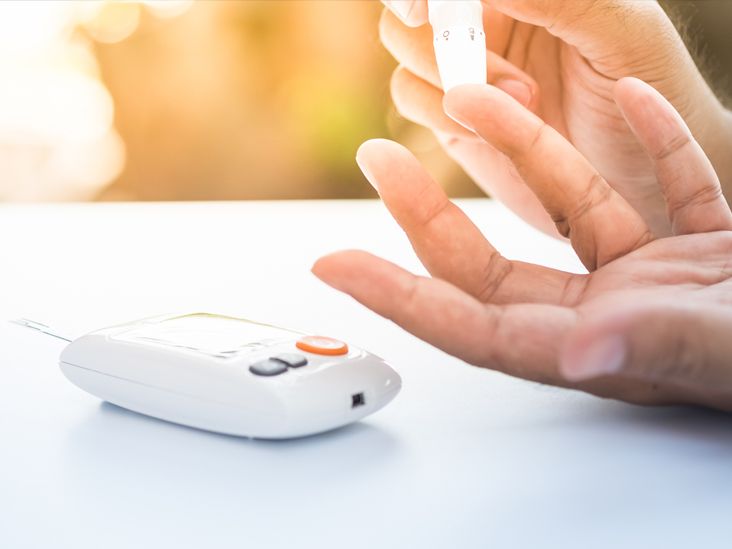
Fingerstick Testing (Home or Clinic)
- Wash hands and dry thoroughly (residue can affect readings).
- Insert a test strip into the meter.
- Use a lancet to prick the side of a fingertip.
- Touch the drop of blood to the strip.
- Read the result and log it if needed.
Risks and Side Effects
Blood sugar testing is generally safe. The most common issues are minor:
- Brief pain or a sting during the needle or lancet prick
- Small bruise at the blood draw site
- Lightheadedness (rare, but it happenstell the staff if you’re prone to it)
- Slight risk of infection any time the skin is broken
Understanding Blood Sugar Results
Results are usually reported in mg/dL in the United States. (Some countries use mmol/L.)
Your interpretation depends on the type of test, whether you were fasting, and whether you’re pregnant.
Also: one number does not equal your destiny. Clinicians often repeat abnormal results to confirm a diagnosis.
Common Reference Ranges (Adults, Non-Pregnant)
| Test | Normal | Prediabetes | Diabetes Range |
|---|---|---|---|
| Fasting Plasma Glucose (FPG) | 70–99 mg/dL | 100–125 mg/dL | ≥126 mg/dL (usually confirmed with repeat testing) |
| OGTT (2-hour, 75 g glucose) | <140 mg/dL | 140–199 mg/dL | ≥200 mg/dL (usually confirmed) |
| A1C | <5.7% | 5.7%–6.4% | ≥6.5% (usually confirmed) |
| Random Plasma Glucose | (Varies by timing/meal) | (Not typically used alone) | ≥200 mg/dL with symptoms can support diagnosis |
Low Blood Sugar (Hypoglycemia): What Counts as “Low”?
For many people with diabetes, a reading below 70 mg/dL is considered low and should be addressed according to their care plan.
For people without diabetes, “low” is often considered below about 55 mg/dL, and it may prompt evaluation for underlying causes.
What Can Affect Your Results?
Blood sugar is not a statue. It movessometimes a lotdepending on what’s going on in your body and your day.
Common factors that can raise blood glucose
- Recent meals (especially higher-carb meals)
- Illness or infection
- Stress and poor sleep
- Some medications (for example, certain steroids)
- Less physical activity than usual
Common factors that can lower blood glucose
- Not eating enough, delayed meals, or vomiting
- More physical activity than usual
- Diabetes medications (especially insulin or drugs that increase insulin release)
Why home meter readings can differ from lab results
Home meters use capillary blood and are designed for practical monitoring, not perfect laboratory precision. Technique matters:
test strips, hand cleanliness, storage conditions, and timing can all affect readings. If a home reading doesn’t match how you
feelor seems wildly offrepeat it and contact your clinician for guidance.
What Happens If Your Results Are High?
If your result lands in the prediabetes or diabetes range, your clinician may:
- Repeat the test to confirm (especially if you don’t have symptoms)
- Order a different test (for example, A1C plus fasting glucose)
- Discuss lifestyle changes and, if needed, medications
- Check related markers like cholesterol, kidney function, and blood pressure
Prediabetes: Not “Fine,” Not “Doomed”
Prediabetes is a warning light, not a verdict. Many people can bring their numbers down with changes that are boring but
effective: improving nutrition quality, moving more, getting better sleep, and reducing excess weight when applicable. Small,
consistent steps tend to beat dramatic “new me” plans that last five days.
Diabetes: Diagnosis Is the Start of a Plan
If diabetes is diagnosed, the goal becomes management: keeping glucose in a safer range most of the time to reduce the risk of
long-term complications. Treatment varies widelysome people start with lifestyle changes, others need medications, and people
with type 1 diabetes require insulin. Your clinician’s next steps will depend on your overall picture, not just one number.
What Happens If Your Results Are Low?
If a test shows low blood sugar, the next steps depend on the situation. If you have diabetes and take insulin or certain
medications, your team may adjust doses, timing, meals, or activity strategies. If you don’t have diabetes and low readings are
recurring, your clinician may look for contributing factors such as medication effects, hormonal issues, or other medical causes.
When to Seek Help Quickly
Don’t “tough it out” if you feel seriously unwell. Seek urgent medical care if you have severe symptoms such as confusion,
fainting, trouble staying awake, or if you suspect dangerously high or dangerously low blood sugarespecially if you have
diabetes or are pregnant. When in doubt, contact a healthcare professional or local emergency services.
Practical Tips for a Smoother Test Day
- Schedule fasting tests early: Morning appointments make fasting easier (sleep does half the work).
- Hydrate with water: It can make blood draws easier and helps you feel better.
- Bring a snack: Especially after fasting labsfuture you will be grateful.
- Write down your meds: Or bring a list so your clinician can interpret results in context.
- Don’t panic over one reading: Trends, repeat tests, and clinical context matter.
Quick FAQ
Can I drink coffee before a fasting blood sugar test?
For many fasting tests, plain water is safest. Black coffee can affect metabolism in some people, and “just a little cream”
is technically not fasting. If your clinician or lab gave specific instructions, follow those.
Why does my blood sugar look “normal” sometimes and high other times?
Timing matters. Food, stress, sleep, exercise, illness, and medications can shift readings. That’s why clinicians choose specific
tests (like fasting glucose or A1C) when making diagnostic decisions.
Which is better: fasting glucose or A1C?
They answer different questions. Fasting glucose is a snapshot under controlled conditions. A1C is a longer-term average.
Clinicians often use both to get a clearer picture.
Conclusion
A blood sugar test is one of the simplest ways to learn how your body is handling glucosewhether you’re screening
for prediabetes, investigating symptoms, monitoring diabetes, or navigating pregnancy testing. The procedure is usually quick,
and the “results” become most useful when you interpret them in context: the type of test, whether you were fasting, your
symptoms, and your overall health profile.
If you remember one thing, make it this: your number is information, not identity. Use it to guide next steps with a healthcare
professional, and you’ll be doing the exact thing your future self would high-five you forif your future self wasn’t busy
checking a notification from a glucose app.
Real-World Experiences: What People Notice, Feel, and Learn (Plus What They Wish They’d Known)
People’s experiences with blood sugar testing are usually less “medical drama” and more “oh, that’s what that means.” Here are
common patterns that show up in real lifeshared in an educational way, not as personal medical advice.
The “I’m Fine… Wait, Why Am I Fasting?” Moment
Many people get their first fasting blood glucose test because it’s part of an annual physical. They feel normal, so the test
feels randomuntil they realize fasting is basically the lab’s way of saying, “Let’s measure your baseline without yesterday’s
bagel influencing the plot.” People often report that the hardest part is not the blood draw; it’s the morning routine: skipping
breakfast, avoiding the “automatic coffee-with-sugar,” and trying not to snap at innocent bystanders before 9 a.m.
The Surprise of “Borderline” Numbers
A common experience is getting a result in the prediabetes range and feeling confused because symptoms were absent. That’s
exactly why screening exists. People often describe a mix of emotions: relief that it was caught early, frustration that it
wasn’t obvious, and a strong desire to interpret the number as either “totally fine” or “absolutely terrible.” In reality,
borderline results are an invitation to course-correct while the road is still wide open.
Fingersticks: Tiny Tool, Big Feelings
For those asked to do home monitoring, the first week can feel weirdly personal. A meter turns your choices and routines into
data, and data can be… emotionally loud. People often learn quickly that technique matters: washing and drying hands,
rotating fingers, and using the side of the fingertip helps. They also notice patterns: a “healthy” breakfast may spike glucose
in one person but not another, and stress can push readings up even when food didn’t change. The most helpful mindset is to
treat readings like weather reportsinformation that helps you plan, not a moral scorecard.
The OGTT Experience: Sweet Drink, Long Wait
The oral glucose tolerance test (OGTT) gets a reputation because it’s time-consuming and the drink is intensely sweet.
People often say the wait is the toughest part: you’re sitting there thinking about everything you’ve ever eaten and whether
your pancreas is mad at you. In pregnancy, many describe the OGTT as a “rite of passage” that’s annoying but important, because
gestational diabetes can affect both the pregnancy and delivery plan. A practical takeaway people often share: bring water (if
allowed), something to read, and a post-test snack.
When “Normal” Still Doesn’t Feel Normal
Some people have symptoms that feel like blood sugar issuesfatigue, shakiness, headachesyet their lab results come back
normal. That can be frustrating, but it’s also useful information. It pushes the conversation toward other possibilities:
hydration, sleep, anemia, thyroid issues, anxiety, medication side effects, or timing (for example, symptoms that happen after
meals may not show up on a fasting test). The experience often teaches a valuable lesson: the right test at the right time
matters, and it’s okay to advocate for follow-up if symptoms persist.
The “Next Steps” Shift: Less Panic, More Plan
When people move from testing to actionespecially after prediabetes resultsthe most successful changes are usually the most
sustainable. Instead of perfect diets, people describe winning with small upgrades: swapping sugary drinks for water most days,
adding a 10–20 minute walk after meals, building meals around protein and fiber, and improving sleep consistency. They also
learn that results improve with repetition, not intensity. The experience becomes less scary when it turns into a plan you can
actually live with.
If you’re reading this because you have an upcoming test or a fresh result: take a breath. Testing is a tool. Used well, it’s
one of the best “early warning” systems modern healthcare hasand it gives you options.