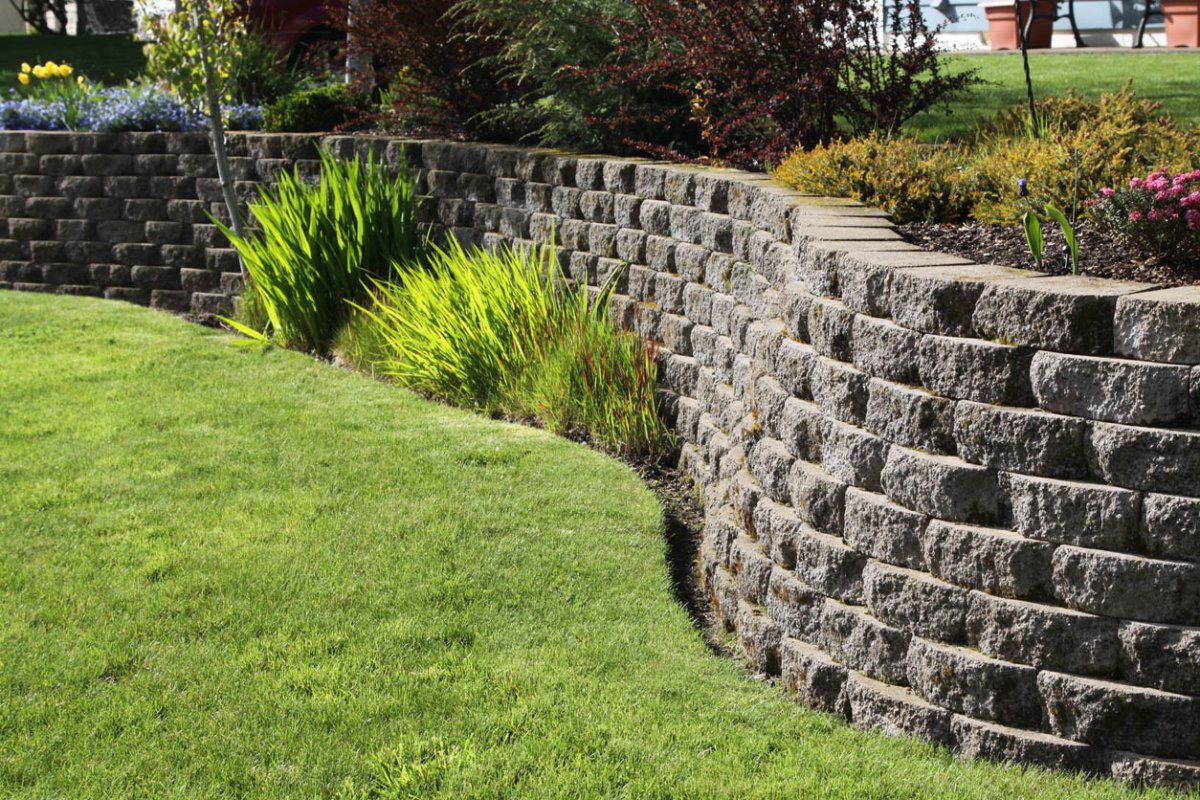
When it comes to landscaping or preventing soil erosion on sloped properties, a retaining wall is often the solution. These sturdy structures hold back soil, preventing landslides, and they can also add an aesthetic touch to your outdoor space. But how much does it cost to build a retaining wall, and what should you consider before diving into this project? Let’s break it down.
Understanding Retaining Walls
A retaining wall is a structure designed to retain or hold back soil, rock, or other materials at a slope that would otherwise collapse. It can be built using various materials such as stone, brick, timber, or concrete. Retaining walls can serve both functional and decorative purposes, transforming a sloped garden or driveway into usable, flat space.
Factors That Affect the Cost of Building a Retaining Wall
Building a retaining wall isn’t a one-size-fits-all project. The cost of building a retaining wall depends on several factors that vary by location, design, and material choices. Understanding these factors can help you budget effectively and avoid surprises along the way.
1. Type of Material
The material you choose for your retaining wall can have the biggest impact on its cost. The most common materials for retaining walls include:
- Concrete blocks – These are highly durable and often used for more extensive walls. They cost between $10 to $30 per square foot, including installation.
- Timber – Pressure-treated wood is an affordable option, typically costing between $15 to $25 per square foot. However, wood requires maintenance and may not be suitable for all environments.
- Stone – Natural stone is a beautiful and durable choice but comes at a higher cost, ranging from $20 to $50 per square foot. The labor-intensive installation process can drive the price up.
- Brick – Bricks are a stylish and long-lasting material, but they can cost around $25 to $40 per square foot, depending on the design and labor involved.
2. Wall Height and Length
The height and length of the retaining wall will significantly influence the price. The taller and longer the wall, the more material is required. For example, a 4-foot high wall may cost anywhere from $15 to $30 per square foot, while a taller wall of 10 feet or more could cost between $50 and $75 per square foot.
3. Labor Costs
Labor is one of the major components of retaining wall construction costs. Installation requires expertise, especially if the wall is large or the terrain is tricky. On average, labor can account for 40% to 60% of the total cost, with labor rates ranging from $50 to $100 per hour depending on the location and complexity of the project.
4. Soil Type and Terrain
The condition of the soil and terrain can also impact the cost. Building a retaining wall on a level surface is less expensive than building on a steep slope. Rocky or unstable soil will require additional work to secure the wall, which can increase labor costs. If your project involves excavation or leveling the land, this will add to the overall price.
5. Drainage Systems
Proper drainage is crucial for retaining walls to ensure they don’t collapse due to water pressure. Many retaining walls, especially those over 3 feet tall, require a drainage system behind them to redirect water. Adding French drains or weep holes to a retaining wall system can cost an additional $10 to $20 per square foot.
How Much Does It Cost to Build a Retaining Wall?
On average, building a retaining wall can cost anywhere from $2,000 to $8,000 for a 30-foot-long wall. The final cost depends on your material choice, wall height, and other considerations like drainage. To break it down further:
- Low-cost option: A basic timber or concrete block wall, 4 feet high, could cost between $2,000 and $3,000.
- Mid-range option: A stone or brick retaining wall that’s 4-6 feet high could cost $4,000 to $6,000.
- High-end option: A large, elaborate stone wall, 10 feet or higher, with complex design elements, can range from $7,000 to $12,000 or more.
Key Considerations Before Building a Retaining Wall
Before committing to a retaining wall, there are several key factors you should consider:
1. Local Regulations and Permits
In many areas, constructing a retaining wall that exceeds a certain height requires a permit. Check with your local zoning office to ensure you’re complying with all necessary regulations and permits. Failure to obtain the proper permits could lead to fines or require you to tear down the wall.
2. Wall Design
It’s important to decide on the purpose of your retaining wall before choosing the design. Are you building it to prevent erosion, create level garden beds, or simply as a decorative feature? Different designs and materials will work better depending on the intended purpose. It’s also essential to plan for proper drainage to ensure the wall doesn’t collapse from water buildup.
3. Long-Term Maintenance
Some retaining walls, particularly those made from wood, require maintenance to prevent rot and decay. Concrete and stone walls tend to be more durable and require less upkeep. However, no matter the material, be prepared to inspect the wall periodically for signs of wear, erosion, or water damage.
4. Soil Conditions
Consider the soil on your property. Clay soils, for instance, may expand when wet and could put undue pressure on the wall. Sandy or gravelly soils typically don’t exert as much force. If you have heavy clay soil, consider reinforcing your retaining wall or opting for materials that can withstand greater pressure.
Final Thoughts on Retaining Wall Construction
Building a retaining wall can be a rewarding project that not only improves the aesthetics of your yard but also adds functional value by preventing soil erosion and leveling the ground. However, it’s important to weigh the costs, materials, and considerations carefully to ensure a durable and cost-effective result. By understanding the key factors that affect cost, design, and materials, you can better plan and budget for a successful retaining wall project.
Additional Experiences: Lessons Learned in Building a Retaining Wall
While the costs associated with building a retaining wall are significant, the long-term benefits far outweigh the investment. In my own experience with building a retaining wall in my backyard, we faced some challenges that many homeowners can relate to. First, finding the right material was crucial for both aesthetic appeal and durability. After some research, we chose natural stone for its elegant look and sturdiness. However, stone walls require meticulous planning and precise installation. Hiring professionals ensured that the wall was level and secure, especially in our sloped yard.
One of the most important lessons we learned was the value of proper drainage. Initially, we underestimated the need for a good drainage system. Without it, water would collect behind the wall, causing pressure to build and potentially weakening the structure. After adding a French drain and weep holes, the problem was resolved, and the wall has remained sturdy and effective through heavy rainfall.
Another experience was the permit process. Initially, we thought that a small retaining wall wouldn’t require a permit, but we quickly learned that in our area, any wall over 3 feet needed official approval. The process involved submitting plans and inspections, which delayed our project. However, it was a good lesson in planning and understanding local building codes before starting any project.
Finally, the maintenance of the wall has been minimal but necessary. While stone walls are low-maintenance, we do keep an eye out for cracks or signs of water damage, especially in the joints between stones. Regular maintenance, like sealing the stones every few years, helps preserve the wall’s longevity.
In conclusion, building a retaining wall requires careful planning and consideration of various factors like materials, cost, permits, and drainage. When done right, it’s an investment that can provide both practical benefits and aesthetic appeal for years to come.