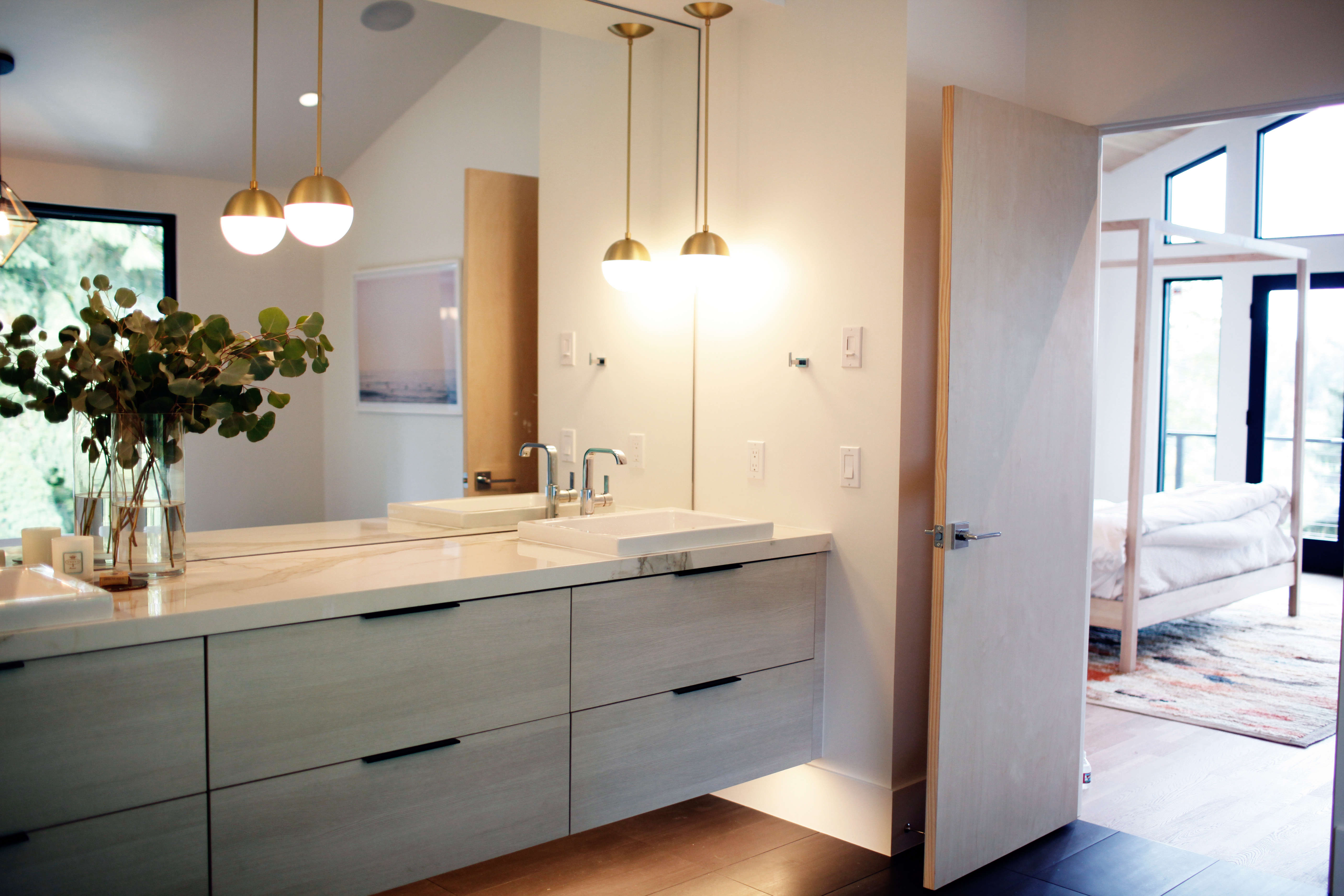
There are materials that whisper luxury, and then there are materials that walk into the room wearing a tailored white suit with dramatic gray veining and zero fear. That, in a nutshell, is the appeal of Calacatta ThinSlab porcelain marble-look slabs. They bring the high-end visual drama of classic Calacatta marble without asking you to panic every time lemon juice, red wine, or actual human life happens on the surface.
For homeowners, designers, and remodelers, these large-format porcelain slabs hit a sweet spot: they look polished and expensive, but they are built for modern living. You get the bright white background, the bold marble-style movement, and the sleek, reduced-grout-line appearance that makes kitchens and bathrooms feel bigger and more custom. You also get a surface that is easier to live with than natural marble, which, let’s be honest, is stunning but sometimes behaves like a diva.
In this guide, we’ll break down what Calacatta ThinSlab porcelain marble-look slabs are, why they have become so popular, where they work best, what to watch before buying, and how to design with them so your space looks intentional instead of “I got excited in a showroom and now my backsplash is arguing with my floor.”
What Are Calacatta ThinSlab Porcelain Marble-Look Slabs?
Calacatta ThinSlab porcelain refers to large-format porcelain panels or slabs designed to mimic the appearance of Calacatta marble. The “Calacatta” part describes the look: typically a bright white base with bold gray veining, sometimes with warm gold undertones. The “ThinSlab” part points to the slab’s slim profile. Instead of a thick, quarried natural stone slab, this is an engineered porcelain surface manufactured in large sizes and thinner gauges.
That thin profile is a big deal. It makes the material lighter than full-thickness stone, easier to use on vertical surfaces, and especially attractive for spaces where a clean, contemporary look matters. Depending on the brand and application, you’ll commonly see thin porcelain slab options used for shower walls, fireplaces, feature walls, backsplashes, flooring, and countertops.
The result is a material that delivers the visual language of marble but with the practical benefits of porcelain. It is one of the clearest examples of design technology doing what people actually want: keeping the beauty, reducing the babysitting.
Why the Calacatta Look Still Wins Hearts
Calacatta-style surfaces remain popular because they look both timeless and dramatic. Carrara is softer and feathery. Statuario is refined and elegant. Calacatta, meanwhile, tends to be bolder. It has contrast. It has movement. It has opinions.
That visual strength makes it especially effective in rooms that need a focal point. A Calacatta porcelain slab backsplash behind a range can instantly elevate a kitchen. A full-height shower wall in a Calacatta marble-look slab can make a standard bathroom feel more like a boutique hotel. A waterfall island wrapped in Calacatta-look porcelain can turn an otherwise simple kitchen into the part of the house where everyone suddenly wants to stand.
Because the pattern is printed and controlled during manufacturing, the look can also be more consistent from piece to piece than natural marble. That consistency can be a major advantage when you want a clean, intentional design rather than the natural variation lottery that comes with quarried stone.
What Makes ThinSlab Porcelain Different from Real Marble?
1. It is lower maintenance
Natural marble is beautiful, but it is porous and typically requires sealing. It can stain, etch, and scratch more easily, particularly in hardworking spaces like kitchens and baths. Porcelain marble-look slabs are often chosen because they are easier to clean and generally need far less maintenance. For busy households, that matters more than people expect.
2. It handles everyday messes better
If your dream kitchen includes both a gorgeous surface and the ability to use tomato sauce without emotional damage, porcelain has an edge. Marble-look porcelain is often selected for its resistance to stains and easier cleanup. That makes it especially appealing for counters, shower surrounds, mudrooms, and laundry rooms.
3. It creates a sleek, large-format look
One of the biggest aesthetic advantages of thin porcelain slabs is scale. These panels are designed to cover large expanses with fewer seams and fewer grout joints. In practical terms, that means a calmer visual field and a more luxurious appearance. In design terms, it means your eye sees surface first and interruptions second.
4. It may have edge limitations
This is where buyers need to pay attention. Thin porcelain slabs can create gorgeous counters, but they do not always behave like thick natural stone. Some countertop looks require mitered edges to create the appearance of greater thickness. If you want a chunky traditional profile, you need to talk that through early with your fabricator.
5. It is not a DIY-friendly material
Thin porcelain slabs are impressive, but they are not forgiving in amateur hands. Large panels require specialized handling, cutting, transport, and installation. A skilled installer can make them look almost effortless. An unskilled installer can turn your investment into an expensive geometry problem.
Where Calacatta ThinSlab Porcelain Works Best
Kitchens
Kitchens are one of the strongest use cases for Calacatta porcelain slabs. The look is upscale, but the day-to-day experience is more practical than real marble. Use it for countertops, islands, full-height backsplashes, or even wrapped range walls. A bookmatched pair behind the cooktop can look spectacular in a modern or transitional kitchen.
Bathrooms and Showers
Thin porcelain slab shower walls are popular for a reason. They reduce grout lines, look clean, and make even small bathrooms feel more expansive. In a Calacatta finish, they also add brightness. That matters in bathrooms, where good light is not always guaranteed and where every design decision has to pull double duty.
Fireplaces and Feature Walls
If your fireplace has been sitting there looking beige and forgotten, a Calacatta marble-look slab surround can completely change the room. The bold veining naturally draws the eye upward, making the fireplace feel architectural rather than merely functional. The same is true for feature walls in entryways, bar areas, and living rooms.
Flooring
Large-format Calacatta-look porcelain flooring can create a high-end effect with fewer grout interruptions than smaller tile. It is particularly effective in open-plan homes where continuity matters. Just be thoughtful about finish. A polished surface may look glamorous, but a matte or silk finish can offer a softer, more forgiving everyday experience.
Outdoor Kitchens and Exterior Applications
Some porcelain slab lines are also marketed for outdoor use. That can make Calacatta-look porcelain a compelling option for outdoor kitchens, cladding, or entertainment spaces where you want the marble look without natural stone’s extra maintenance burden. As always, application depends on product line, thickness, climate, and installation method.
Design Advantages That Keep This Material in Demand
Fewer grout lines
This is one of the biggest visual wins. Less grout means less visual clutter, easier cleaning, and a more seamless surface. In showers and backsplashes especially, this can make the room feel cleaner before you even clean it.
Big visual impact
Calacatta is not shy, and large-format porcelain gives that pattern room to breathe. The bigger the slab, the more natural the veining can appear. Instead of broken-up fragments of marble pattern, you get long, dramatic movement across the surface.
Works across styles
Although Calacatta reads luxurious, it is surprisingly flexible. Pair it with warm wood and aged brass for a softer transitional space. Use it with flat-panel white oak cabinetry for a modern look. Put it next to matte black fixtures and you get sharper contrast. Add creamy paint and traditional millwork and it suddenly feels classic. Same surface, different personality.
Consistent elegance
Because many manufacturers offer coordinating finishes, sizes, and related formats, designers can create a cohesive look across countertops, walls, showers, and floors. That continuity is a major reason porcelain slab systems have become such a favorite in whole-home remodels.
Things to Consider Before You Buy
Pattern realism varies by brand
Not all Calacatta-look porcelain slabs are created equal. Some have soft, believable veining. Others look like someone printed thunderclouds onto a refrigerator panel. Always view a full slab if possible, not just a sample. A tiny swatch cannot tell you how the movement will feel across a ten-foot run.
Finish matters more than most buyers expect
Polished finishes amplify drama and reflect light beautifully. Matte, silk, or honed finishes can feel more understated and may be easier to live with visually. If the room already has a lot of shine, polished slabs may push it into “showroom” territory. If you want warmth and softness, a less reflective finish can be the smarter move.
Edges need planning
Because thin slabs are slim by design, the edge treatment has to be part of the conversation from day one. Do you want a crisp modern edge? A mitered edge to fake thickness? A waterfall detail? Make those calls early, because the installation strategy may change depending on the look.
Fabrication and installation are specialized
Do not shop slab price alone. The real budget picture includes handling, transport, fabrication, substrate prep, and installation. A bargain slab can become a pricey project if your installer is learning on your house. Choose an experienced fabricator who works with porcelain slabs regularly.
Coordination is everything
Calacatta is often the star of the room. That means your supporting cast matters. Cabinet color, metal finish, wall paint, flooring tone, and lighting should all be selected to support the slab rather than compete with it. This is not the place for five dramatic materials all trying to win an award.
Best Design Pairings for Calacatta ThinSlab Porcelain
Warm wood cabinetry
White-and-gray veining can sometimes feel cold on its own. Pairing it with white oak, walnut, or medium-toned cabinetry adds balance and keeps the room from feeling sterile.
Brass or champagne bronze hardware
If your slab has warmer veining, brass hardware can bring out that subtle warmth beautifully. It is a classic pairing that feels elegant without being fussy.
Soft white paint
Pure white walls next to a bright white slab can create a sharp, slightly clinical effect. A soft white or warm off-white often makes the surface look richer and more dimensional.
Simple backsplash detailing
If you are using a full slab backsplash, let it breathe. Avoid busy accent strips, decorative inserts, or competing wall tile. Calacatta already brought enough personality to the party.
Maintenance and Care Tips
One reason people choose marble-look porcelain slabs is that upkeep is refreshingly simple. Routine cleaning usually involves mild soap, water, and a soft cloth or sponge. The goal is not to overcomplicate a surface designed to be easier than marble in the first place.
Avoid abrasive pads, steel wool, or harsh cleaners that could damage the finish. Even when a surface is marketed as heat resistant, using trivets or hot pads is still a smart habit. Think of it less as fear and more as basic manners.
Also remember that grout, if present, may have its own maintenance requirements depending on the grout type. The slab itself may be low drama, but grout occasionally likes attention.
Who Should Choose Calacatta ThinSlab Porcelain Marble-Look Slabs?
This material is a strong fit for homeowners who love the look of marble but do not want the sealing, etching worries, or constant caution that can come with natural stone. It is also ideal for people who want large, uninterrupted surfaces and a modern custom look.
Designers love it because it can cover multiple surfaces with one cohesive visual story. Remodelers love it because it delivers luxury appeal with strong practicality. Families love it because it looks expensive without forcing everyone to behave like they’re living inside a museum.
That said, if you crave the one-of-a-kind unpredictability of true stone, or if you want a very traditional thick-edge countertop profile, natural marble may still be the better emotional fit. Material decisions are not just about performance. They are also about what kind of relationship you want with your home.
Final Thoughts
Calacatta ThinSlab porcelain marble-look slabs have earned their popularity honestly. They deliver the bright, luxurious beauty of Calacatta-inspired veining in a format that feels fresh, practical, and highly adaptable. They work beautifully on countertops, walls, showers, fireplaces, floors, and even some outdoor applications. They reduce grout lines, simplify maintenance, and make rooms feel larger and more polished.
The key is choosing a quality slab, viewing the full pattern before buying, matching the finish to the room, and hiring professionals who know how to fabricate and install large-format porcelain correctly. Do that, and you get a surface that looks elegant, performs hard, and asks for far less maintenance than the real marble that inspired it.
In other words, it is luxury with better boundaries. And frankly, more materials should aspire to that.
Experience: Living With Calacatta ThinSlab Porcelain Marble-Look Slabs
After the initial excitement of choosing a slab fades and the dust from the remodel finally settles, what most people really want to know is simple: what is it actually like to live with Calacatta ThinSlab porcelain every day? The answer, in many homes, is pleasantly uneventful. And that is a compliment.
In a kitchen, the experience is often about visual payoff without the constant stress. The island still looks dramatic in the morning light. The veining still catches attention when friends walk in. But the daily routine is less precious than it would be with real marble. Coffee gets made. Groceries get dropped. Someone inevitably forgets a wet glass on the counter. Life happens, and the surface usually keeps its cool. That practical calm is part of the appeal.
In bathrooms, the experience tends to feel cleaner and more streamlined. Large slab walls mean fewer grout lines, and fewer grout lines often make a room feel quieter. The whole space reads more like one continuous composition instead of a patchwork of pieces. Even compact bathrooms can feel taller, brighter, and more expensive simply because the eye is not stopping at every joint.
There is also a tactile and emotional side to the material that buyers do not always expect. A polished Calacatta-look slab feels crisp and glamorous. A matte or silk finish feels softer and more relaxed. Both can be beautiful, but they create different moods. People who choose carefully often say the surface becomes one of the main reasons the room feels “finished.” It is not just a countertop or wall treatment. It becomes the visual anchor.
Of course, there are lessons that come with experience too. Full-slab viewing matters. A small sample may look subtle, then the installed slab shows up with dramatic veining that suddenly takes over the room like an opera soloist. Edge planning matters. Lighting matters. Installer skill matters a lot. When those pieces are handled well, the material looks tailored and architectural. When they are not, even a beautiful slab can feel awkward.
Overall, the lived experience of Calacatta ThinSlab porcelain is less about constant maintenance and more about consistent satisfaction. It offers a strong visual statement, but it usually fits into daily life with less fuss than natural marble. That combination is rare. It is one reason people who choose it often say the same thing months later: they still love the look, they do not regret the practicality, and they are very happy they picked the surface that lets them enjoy luxury without treating every spill like a personal attack.