Quick heads-up: This article is for education, not personal medical advice. If you have severe right-upper-belly pain (especially with fever, yellow skin/eyes, or nonstop vomiting), seek urgent care. Your gallbladder is small, but it can be very loud when it’s unhappy.
Calculous cholecystitis is a fancy way of saying: your gallbladder is inflamed because a gallstone is blocking the exit. Think of the gallbladder as a tiny storage closet for bile (a digestive fluid). A gallstone can wedge itself in the cystic ductthe “doorway”and suddenly that closet turns into a pressure cooker.
Table of Contents
- What is calculous cholecystitis?
- Why it happens (and why it hurts)
- Symptoms and red flags
- Risk factors (who’s more likely to get it)
- Diagnosis: exams, labs, and imaging
- Treatment: ER care, antibiotics, and surgery
- Possible complications
- Prevention and lowering your risk
- FAQ
- Experiences: what it can feel like in real life
- SEO tags (JSON)
What is calculous cholecystitis?
Calculous cholecystitis is inflammation of the gallbladder caused by gallstones. It’s the most common type of acute cholecystitis. In many cases, the stone blocks the cystic duct, bile backs up, the gallbladder wall gets irritated and swollen, and the pain arrives like it paid for front-row seats.
Mini anatomy refresher (no pop quiz)
Your liver makes bile. Your gallbladder stores and concentrates it, then squeezes it into your small intestine to help digest fats. If a stone blocks flow, pressure increases, inflammation builds, and the gallbladder can become thick-walled and tender.
Calculous vs. acalculous: “Calculous” means stone-related. “Acalculous” cholecystitis happens without stones and is more common in very ill hospitalized patients. This article focuses on the gallstone version (the one that likes to show up after a greasy meal and ruin your evening plans).
Why it happens (and why it hurts)
Most gallstones form when bile has an imbalanceoften too much cholesterol or bilirubin, or not enough bile salts. Over time, that imbalance can create pebble-like stones. Many people have gallstones and never know ituntil a stone decides to lodge in the wrong place at the wrong time.
Here’s the typical chain reaction:
- Stone blocks the cystic duct → bile can’t exit normally.
- Bile backs up → gallbladder stretches and pressure rises.
- Inflammation ramps up → swelling, pain, sometimes infection.
- Nearby tissues get irritated → pain can radiate to the back or right shoulder blade.
Even if bacteria weren’t the original party guests, infection can develop laterespecially if the gallbladder stays obstructed.
Symptoms and red flags
Common symptoms of calculous (acute) cholecystitis
- Steady pain in the right upper abdomen (or upper middle abdomen) lasting longer than a typical “tummy ache” (often hours).
- Pain that worsens with deep breaths or movement, and may spread to the right shoulder or back.
- Nausea and vomiting.
- Fever and feeling unwell.
- Abdominal tendernessyour body’s way of saying “please stop poking me.”
Red flags that deserve urgent evaluation
- Yellow skin/eyes (jaundice), dark urine, or pale/clay-colored stools (can suggest a bile duct blockage).
- High fever, chills, confusion, or weakness.
- Severe pain that doesn’t ease, especially if it lasts more than 6 hours.
- Ongoing vomiting or inability to keep fluids down.
Real-world example: Someone eats a rich dinner, gets a sharp right-sided pain that won’t quit, feels nauseated, and can’t get comfortable. A few hours later, fever shows up. That pattern often pushes clinicians to check for acute cholecystitis rather than simple indigestion.
Risk factors (who’s more likely to get it)
Gallstonesand therefore calculous cholecystitisare more likely with:
- Overweight/obesity and metabolic risk factors.
- Rapid weight loss (including after bariatric surgery or extreme dieting).
- Pregnancy or estrogen exposure (hormones can influence bile composition and gallbladder motility).
- Age (risk rises over time).
- Family history and genetics.
- Diabetes and certain medical conditions that affect bile or digestion.
If you’ve ever heard the old “4 Fs” rhyme (female, forty, fertile, fat), consider it a dated shortcutnot a diagnosis. Plenty of people outside that stereotype get gallstones, and plenty who fit it never will.
Diagnosis: exams, labs, and imaging
Because abdominal pain can come from many causes, clinicians usually combine the story you tell, the physical exam, bloodwork, and imaging to land the diagnosis.
Physical exam: Murphy sign (aka “please don’t press there”)
A classic bedside clue is Murphy sign. A clinician presses gently under the right rib cage while you breathe in. If the inflamed gallbladder bumps the examining hand and you suddenly stop the breath because it hurtsMurphy sign may be positive. (There’s also a “sonographic Murphy sign” during ultrasound.)
Blood tests: what they’re looking for
Common labs include:
- White blood cell count (can rise with inflammation/infection).
- Liver enzymes and bilirubin (more concerning if there’s a stone blocking the common bile duct).
- Pancreatic enzymes if pancreatitis is suspected.
Labs alone usually can’t prove cholecystitisbut they help gauge severity and rule in/out related problems.
Imaging: ultrasound first, then “backup dancers” if needed
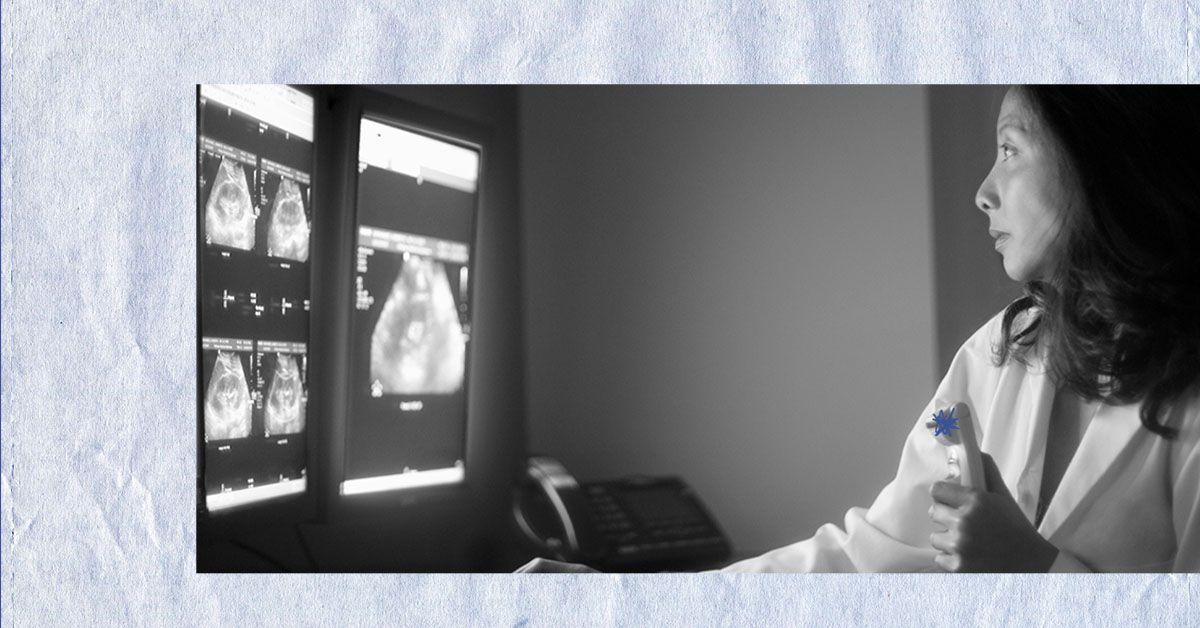
Ultrasound is typically the first imaging choice. It can detect gallstones and signs of gallbladder inflammation (like wall thickening, fluid around the gallbladder, or tenderness when the probe passes over it).
If ultrasound results are unclear, clinicians may order a HIDA scan (hepatobiliary scintigraphy/cholescintigraphy). A tracer is injected and tracked through the liver, bile ducts, and gallbladder. If the gallbladder doesn’t fill, it suggests cystic duct obstructionstrong evidence for acute cholecystitis.
Sometimes CT or MRI/MRCP is usedespecially to evaluate complications, alternative diagnoses, or suspected bile duct stones.
Treatment: ER care, antibiotics, and surgery
Most people with acute calculous cholecystitis are treated in the hospitalat least initiallybecause the goals are to control pain, reduce inflammation, prevent complications, and address the underlying cause (the stones).
Initial hospital care (the “calm everything down” phase)
- IV fluids (especially if vomiting or dehydrated).
- No food by mouth at first (rest the gallbladder).
- Pain control and anti-nausea meds.
- Monitoring for fever, labs, and signs of worsening disease.
Antibiotics: when they’re used
Antibiotics are commonly given when acute cholecystitis is suspectedespecially if there’s fever, high white blood cell count, or concern for infection/complications. The exact choice depends on severity, allergies, and local resistance patterns. For milder cases, clinicians often use regimens that cover typical gut bacteria; for more severe illness, broader coverage may be needed. (Translation: this is not a DIY momentyour care team tailors it.)
Early laparoscopic cholecystectomy (the definitive fix)
Removing the gallbladder (cholecystectomy) is the definitive treatment for gallstone-related cholecystitis. These days, it’s commonly done laparoscopically (small incisions, camera-guided tools). Many surgical teams aim for early surgery during the same hospitalizationoften within the first day or two when feasiblebecause it can reduce recurrence and repeated ER visits.
What surgery actually solves: It removes the organ where stones form and where the obstruction/inflammation happens. It does not remove stones already stuck in the common bile ductthose may require different treatment (see ERCP below).
When surgery needs a timeout
Sometimes surgery is delayedtypically if someone is medically unstable or high-risk for anesthesia. In those cases, doctors may treat with antibiotics and supportive care first. For certain high-risk patients, a percutaneous cholecystostomy (drain placed into the gallbladder) may be used to control infection and inflammation as a bridge to surgery later.
Life after gallbladder removal
You can live normally without a gallbladder. After removal, bile flows directly from the liver into the small intestine instead of being stored. Some people notice temporary diarrhea or looser stools, especially at first. Many do well by easing into fats and focusing on smaller, balanced meals during recovery.
Possible complications (why “waiting it out” can backfire)
Untreated or severe calculous cholecystitis can lead to complications, including:
- Gangrenous cholecystitis (tissue damage due to poor blood flow).
- Perforation (tear/rupture) and bile leakage into the abdomen.
- Abscess (pocket of infection).
- Pancreatitis if stones affect shared duct pathways.
- Choledocholithiasis/cholangitis if stones block the common bile duct (potentially serious infection of the biliary system).
These are the reasons clinicians take persistent right-upper-quadrant pain seriouslybecause the “just take antacids” plan does not work when a duct is blocked by a rock.
Prevention and lowering your risk
You can’t change genetics, but you can lower gallstone risk in practical ways:
- Maintain a healthy weight (and avoid crash dieting).
- Lose weight gradually if you’re trying to loserapid loss can increase gallstone formation.
- Choose a pattern of eating with fiber, whole foods, and healthy fats, while limiting highly refined carbs and excess added sugars.
- Stay physically active in a way that’s realistic for you (consistency beats intensity).
If you’ve had biliary colic or known symptomatic gallstones, talk with a clinician about your risk of recurrence and whether elective gallbladder removal makes sense.
FAQ
Is calculous cholecystitis the same thing as a “gallbladder attack”?
Not always. People use “gallbladder attack” to describe biliary colic (pain from a stone briefly blocking flow) or acute cholecystitis (inflammation that tends to be more persistent and often comes with fever and tenderness). If pain lasts hours and you feel ill, clinicians worry more about cholecystitis than simple colic.
Will I need an ERCP?
ERCP is typically used when a stone is suspected in the common bile duct (often suggested by jaundice, abnormal bilirubin/liver enzymes, or imaging). Cholecystectomy treats the gallbladder; ERCP treats certain duct stones. Some people need one, the other, or bothdepending on where the stones are.
What can I eat after an episode (or after surgery)?
During an acute episode, clinicians often recommend not eating at first. After symptoms improve, many people do best with smaller meals and a gentler approach to high-fat foods for a while. Post-surgery, some people tolerate most foods quickly; others benefit from easing back inespecially with fried or very rich meals.
How long is recovery after laparoscopic cholecystectomy?
Recovery varies, but many people return to light activity relatively quickly and gradually resume normal routines over days to a couple of weeks. Your surgeon will give specific guidance on lifting, driving, and wound care.
Experiences: what it can feel like in real life (and what people often wish they’d known)
People’s experiences with calculous cholecystitis tend to share a few recognizable “chapters,” even though every case has its own plot twists.
Chapter 1: The pain that doesn’t act like gas. A common story is, “I thought it was indigestion… until it wasn’t.” The pain often feels steady and intense in the right upper abdomen, and many people notice it’s hard to find a comfortable position. Unlike ordinary stomach upset, shifting in bed doesn’t magically fix it. Some people describe the pain as a tight, squeezing pressure; others say it’s sharp and stabbing. A frequent surprise is how the pain can travelespecially to the right shoulder blade or backmaking it feel like a muscle injury until nausea or fever enters the scene.
Chapter 2: The ‘why now?’ moment. Many patients connect symptoms to a richer mealpizza, burgers, creamy pastabecause the gallbladder contracts more after fatty foods. But others have attacks out of the blue, including early morning episodes that wake them up. A lot of people wish they’d known that having symptoms once often means it can happen again, and that “waiting for it to pass” can be risky if fever or persistent pain is present.
Chapter 3: The ER checklist. In the emergency department, people often recall the same sequence: vitals, bloodwork, pain meds, then imagingusually an ultrasound first. The ultrasound gel is cold, but the tenderness when the probe presses over the gallbladder can be very real. If the ultrasound is unclear, a HIDA scan may follow, which can feel like a long, still, “please don’t sneeze” kind of test. One practical tip patients often share: ask what symptoms should trigger an immediate return (worsening pain, fever, jaundice, confusion, dehydration).
Chapter 4: Surgery decisions (and nerves). When early laparoscopic cholecystectomy is recommended, it’s normal to feel anxiousespecially if you came in expecting antacids, not anesthesia. People often say the most reassuring part is learning how common the surgery is. Many are surprised that the incisions are small and that walking (gently) soon after surgery can actually help recovery. Another common surprise: shoulder discomfort after laparoscopy can happen due to the gas used during the procedureunpleasant, but usually temporary.
Chapter 5: “So… what do I eat now?” After gallbladder removal, experiences vary. Some people can eat normally within a short time. Others notice looser stools or urgency for a while, especially after high-fat meals, and do better with smaller portions and a gradual reintroduction of richer foods. People often say they wish they’d planned a few low-effort meals for the first week (soups, lean proteins, rice, oatmeal, cooked veggies) instead of relying on takeout that might be too heavy too soon.
Chapter 6: The mental side. It’s common to feel frustrated (“How did a tiny organ derail my whole week?”), relieved (“The pain is finally gone”), and curious (“Do I have to avoid fat forever?”). For most, the longer-term takeaway is simple: once the gallbladder is removed, the recurring “attack” cycle usually stops. Many people report that the best part of recovery isn’t the scars healingit’s getting their appetite and sleep back without fear of that sudden, stubborn pain.