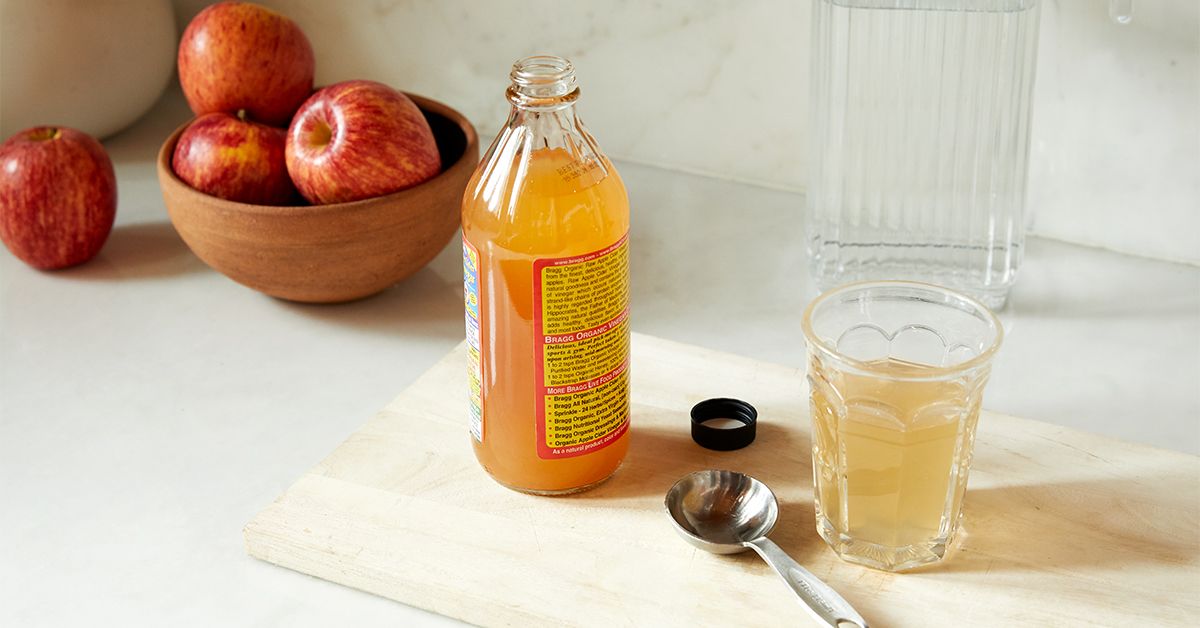
Acne is one of the most common skin conditions affecting millions of people worldwide, from teenagers to adults. Whether it’s the occasional breakout or chronic acne, many are constantly looking for effective treatments. One of the more popular home remedies that has gained attention in recent years is apple cider vinegar (ACV). Known for its various health benefits, could this humble kitchen staple really help clear up your acne? Let’s dive into what you need to know about apple cider vinegar as a potential acne treatment.
What Is Apple Cider Vinegar?
Apple cider vinegar is made by fermenting apple juice or cider into alcohol and then fermenting it again to turn the alcohol into acetic acid. It is this acid that gives apple cider vinegar its strong, tangy taste and is believed to offer various health benefits. ACV contains several vitamins, minerals, and other compounds, including probiotics, which are touted for their gut health benefits. But what about its impact on acne?
How Apple Cider Vinegar May Help Acne
ACV is often recommended as a potential acne treatment due to its acidic nature. Here’s a breakdown of how it may help clear your skin:
1. Antibacterial Properties
Acne is often caused by an overgrowth of the bacteria Propionibacterium acnes, which thrives in clogged pores. ACV is believed to have antibacterial properties that could help kill these bacteria and reduce the occurrence of breakouts. While more research is needed to confirm its efficacy in acne treatment, some studies suggest that the acetic acid in ACV may help control bacterial growth on the skin, leading to clearer skin.
2. Balancing Skin pH
One of the key causes of acne is an imbalance in the skin’s pH. When your skin becomes too oily or too dry, it can lead to clogged pores and, ultimately, acne. Apple cider vinegar, with its acidic nature, is thought to help restore the skin’s natural pH balance, which may help prevent acne breakouts. It’s believed that ACV can act as a natural toner, helping to tighten the skin and close pores, preventing dirt and oil from entering.
3. Exfoliating Dead Skin Cells
Exfoliating your skin helps remove dead skin cells that can clog pores and lead to acne. ACV contains alpha hydroxy acids (AHAs), which are well-known for their exfoliating properties. By removing dead skin, ACV could help prevent pore blockages and promote healthier skin overall. However, using ACV as an exfoliant should be done carefully, as it’s highly acidic and could irritate the skin if not diluted properly.
How to Use Apple Cider Vinegar for Acne
If you want to give ACV a try for your acne, there are a few methods you can use. Here are some of the most common ways to incorporate apple cider vinegar into your skincare routine:
1. ACV Toner
Mix one part apple cider vinegar with three parts water to create a gentle toner. Apply the mixture to a cotton pad and gently swipe it across your face after cleansing. This method can help balance your skin’s pH and tighten pores. Start by applying this toner once a day and increase to twice a day if your skin tolerates it.
2. ACV Face Mask
For a more intensive treatment, you can create a DIY face mask by mixing ACV with ingredients like honey or oatmeal. Honey has antibacterial and moisturizing properties that can soothe the skin, while oatmeal acts as a gentle exfoliant. Apply the mixture to your face and leave it on for 10-15 minutes before rinsing off with warm water.
3. Spot Treatment
If you have a stubborn pimple or a breakout, you can use apple cider vinegar directly as a spot treatment. Apply a small amount of diluted ACV (one part vinegar, three parts water) directly to the blemish using a cotton swab. Let it sit for 5-10 minutes before rinsing off. This can help reduce inflammation and bacteria at the site of the breakout.
Precautions When Using ACV for Acne
While apple cider vinegar is natural, it is highly acidic, and using it undiluted on your skin can lead to irritation, burns, or dry skin. Here are some important precautions to consider:
- Always dilute it: Never apply undiluted ACV directly to your skin. Always dilute it with water to reduce the risk of irritation.
- Patch test first: Before applying ACV to your entire face, do a patch test on a small area of skin to check for any allergic reactions or irritation.
- Avoid sensitive areas: Be cautious when using ACV around sensitive areas such as your eyes, mouth, and broken skin.
- Moisturize: ACV can dry out the skin, so be sure to follow up with a gentle moisturizer after each use to keep your skin hydrated.
Is Apple Cider Vinegar a Guaranteed Cure for Acne?
While apple cider vinegar has several benefits that may help improve your acne, it is not a miracle cure. Acne is a complex condition influenced by various factors such as hormones, genetics, diet, and stress levels. Apple cider vinegar may help reduce acne in some individuals, but it’s important to have realistic expectations. In some cases, it may be more effective when used in conjunction with other acne treatments, such as topical creams, medications, or a proper skincare routine.
Experiences with Apple Cider Vinegar for Acne
Many individuals who have tried ACV as a treatment for acne report mixed results. Some people see significant improvements in their skin, while others find that it causes irritation or worsens their acne. For example, Sarah, a 28-year-old from California, shares her experience:
“I had been struggling with acne for years and had tried various products with little success. I decided to try apple cider vinegar after reading about its antibacterial properties. After using it for a week, I noticed that my skin felt smoother, and my acne started to reduce, especially around my chin and jawline. However, I did experience some dryness, so I made sure to moisturize regularly.”
On the other hand, not everyone has the same experience. Tom, a 22-year-old from Texas, recounts:
“I tried using ACV as a toner for my acne, but it ended up causing irritation on my sensitive skin. My acne actually got worse, and I had to stop using it after a few days. I think it’s too harsh for my skin type, and I’ll stick to my regular skincare routine.”
Ultimately, ACV’s effectiveness for acne treatment can vary from person to person. It may work well for some individuals, while others may experience irritation or dryness. It’s important to remember that skincare is highly individual, and what works for one person might not work for another.
Conclusion
So, can you cure your acne with apple cider vinegar? The answer is that it might help for some people, but it’s not a guaranteed solution. Apple cider vinegar can be a useful addition to your skincare routine if used correctly, with its potential to balance pH, fight bacteria, and exfoliate the skin. However, it’s essential to approach it with caution, dilute it properly, and be prepared for the possibility that it might not work for everyone. If you’re dealing with persistent or severe acne, consulting a dermatologist or healthcare provider is always the best course of action.