Note: Body-only HTML, source links intentionally omitted, ready for web publishing.
Hanukkah has a talent for doing something many winter holidays try to do and only a few truly pull off: it makes darkness feel less intimidating. One candle becomes two, two become three, and before long the whole room looks like hope got invited over for dessert. Known as the Festival of Lights, Hanukkah is a Jewish holiday rich with memory, ritual, family warmth, and enough fried food to make any sensible kitchen fan earn its paycheck.
But Hanukkah is more than glowing candles and competitive dreidel spinning. Its roots stretch back more than two thousand years to a moment of political struggle, religious perseverance, and national rededication. Over time, the holiday grew into a layered celebration that blends history, faith, symbolism, and home-based traditions. In modern America, Hanukkah is also a cultural touchstone: a holiday that helps Jewish families affirm identity, pass down stories, and gather around customs that are meaningful, playful, and gloriously delicious.
This guide explores Hanukkah history, the meaning behind the Hanukkah traditions people know and love, and the reasons this eight-night celebration continues to shine so brightly. Whether you are new to the holiday or simply want a deeper appreciation of why the menorah glows in so many windows each winter, Hanukkah offers a story worth retelling.
What Hanukkah Celebrates
At its core, Hanukkah commemorates the rededication of the Second Temple in Jerusalem in the second century BCE. The word Hanukkah means “dedication,” which is already a pretty strong clue that this holiday did not begin as “that one with the chocolate coins.” It emerged after the Maccabean Revolt, when a Jewish rebel movement challenged the Seleucid Greek rulers and reclaimed the Temple after it had been desecrated.
The historical backdrop matters. Judea was under the control of the Seleucid Empire, and tensions grew as some rulers and local elites pushed Hellenistic culture and interfered with Jewish religious practice. The revolt associated with Mattathias and his son Judah Maccabee became both a struggle for religious freedom and a fight over identity, power, and communal survival. Hanukkah remembers the successful return to Jewish worship in the Temple and the act of restoring what had been defiled.
That is the historical heartbeat of the holiday. The earliest surviving accounts in the Books of Maccabees focus on the military victory, the cleansing of the Temple, and an eight-day celebration marking its rededication. Later rabbinic tradition placed special emphasis on the miracle of the oil: according to the Talmud, only a small amount of ritually pure oil was found, enough for one day, yet it lasted for eight. That later spiritual framing helped shape the Hanukkah most people recognize today, where light becomes the central symbol and the menorah becomes the holiday’s most familiar image.
Why Hanukkah Lasts Eight Nights
The question seems simple, but Hanukkah gives two beautifully overlapping answers. In the historical telling, the Maccabees celebrated the Temple’s rededication for eight days. In rabbinic tradition, the holiday’s eight-night length reflects the miracle of the oil that kept burning until more consecrated oil could be prepared. In other words, Hanukkah is both historical memory and spiritual metaphor, which is a pretty efficient holiday design if you think about it.
This double meaning is part of what makes Hanukkah so enduring. One layer honors resilience in the face of oppression. Another emphasizes divine presence, sacred continuity, and the idea that small sources of light can outlast the odds stacked against them. For many families, those meanings are not in competition. They sit side by side, much like the candles on the hanukkiyah: distinct flames, one shared glow.
The Most Beloved Hanukkah Traditions
Lighting the Menorah
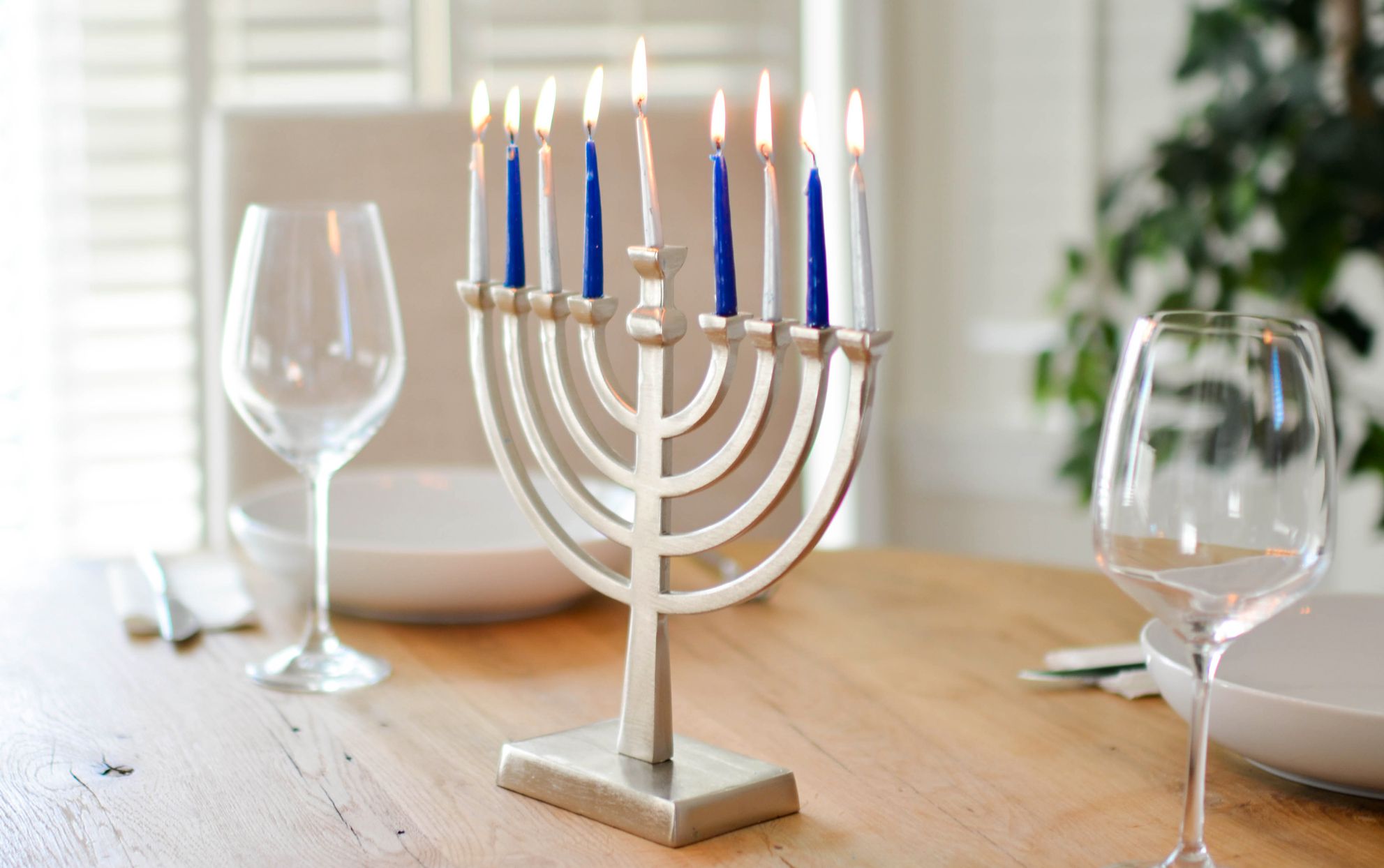
The centerpiece of Hanukkah observance is lighting the menorah, more specifically the nine-branched hanukkiyah used for the holiday. Eight branches represent the eight nights of Hanukkah, while the ninth holds the shamash, the helper candle used to light the others. Each night, one additional candle is lit, so the holiday literally grows brighter as it unfolds.
This ritual is simple enough for children to remember and profound enough for adults to keep rediscovering. The increasing light symbolizes perseverance, gratitude, and the public sharing of a miracle. In many homes, the hanukkiyah is placed near a window so the light can be seen from outside. That practice turns a private act into a public declaration: Jewish life is here, Jewish memory is alive, and joy has every right to be visible.
There are blessings recited before the candles are lit, and families often linger afterward, watching the flames burn. That pause matters. In a season that can become chaotic with shopping, travel, scheduling, and cookies that somehow require eleven bowls, Hanukkah creates a ritualized moment of stillness. The lights are not there to solve your inbox. They are there to remind you what deserves attention.
Eating Fried Foods
Hanukkah cuisine is famously devoted to oil, which is exactly the kind of culinary symbolism that people can get behind. Fried foods commemorate the oil miracle, and two stars dominate many Hanukkah tables: latkes and sufganiyot.
Latkes, or fried potato pancakes, are especially beloved in Ashkenazi communities. Crisp edges, tender centers, and the eternal family debate over applesauce versus sour cream make them a holiday classic. Sufganiyot, jelly-filled doughnuts fried in oil, are especially associated with Israel and have become wildly popular around the world. They are festive, sweet, and proof that sacred symbolism and powdered sugar can absolutely coexist.
Some communities also include cheese dishes, drawing on later Hanukkah traditions connected with Judith, a heroine whose story became associated in some circles with courage and deliverance. The menus vary by family and heritage, but the common thread is memory made edible. Hanukkah food is not just tasty. It tells the story on the plate.
Playing Dreidel
The dreidel may be small, but it carries a surprising amount of cultural baggage for something that spends most of its time spinning into chair legs. A dreidel is a four-sided top marked with Hebrew letters. Outside Israel, those letters stand for the phrase Nes gadol haya sham, meaning “A great miracle happened there.” In Israel, the final letter changes to reflect “A great miracle happened here.”
The game is playful and easy to learn, which helps explain its staying power with children and adults who suddenly become suspiciously competitive around candy. Historically, scholars note that spinning-top games likely predate Hanukkah and were adapted into the holiday over time. A beloved legend connects dreidel play to secret Torah study during persecution, though the game’s roots appear more complicated than a single origin story.
That complexity does not make the custom less meaningful. If anything, it makes it more human. Traditions often grow by borrowing, adapting, and absorbing new significance. The dreidel is a perfect example of how Hanukkah carries both history and folk memory at once.
Giving Gelt and Gifts
Hanukkah gelt began as real money. Over time, the custom evolved into giving coins to children, teachers, or those in need, and later into the chocolate gold-foil coins that now appear in candy bowls with the confidence of miniature treasure. The tradition reflects celebration, generosity, and the joy of having something shiny to wager during dreidel.
Gift-giving practices vary widely. Some families exchange small gifts each night, some reserve gifts for one or two evenings, and some focus less on presents and more on experiences, charity, or family gatherings. In the United States, Hanukkah’s proximity to Christmas has undeniably influenced how some families celebrate. Even so, the holiday’s deeper meaning is not about competing in a winter gift economy. Hanukkah is not trying to win a pageant. It is trying to keep memory, identity, and light alive.
Songs, Prayers, and Community Gatherings
Hanukkah is primarily celebrated at home, but synagogues, schools, and community centers also play a major role. Families sing songs, recite blessings, tell the Hanukkah story, and gather for parties, meals, and candle-lighting events. In some places, large public menorah lightings turn city squares into places of communal visibility and pride.
That mix of home and public life is one reason Hanukkah resonates so strongly. It is intimate without being isolated. A child can light candles at the kitchen table and then see a giant menorah in a town center the next evening. The message lands in both settings: light belongs in the world, not just in private memory.
How Hanukkah Traditions Vary Around the World
There is no single “correct” Hanukkah aesthetic. Jewish communities have long celebrated the holiday in ways shaped by geography, language, migration, and local culture. Some traditions feature olive oil lamps. Others use family heirloom menorahs. Some tables center on latkes, while others lean into doughnuts, fritters, cheese dishes, or regional specialties. Sephardic, Mizrahi, Ashkenazi, and other Jewish communities all bring distinct textures to the holiday.
That diversity is part of Hanukkah’s beauty. The holiday is grounded in a shared story, yet flexible enough to travel. It can be solemn, festive, spiritual, noisy, reflective, child-centered, or deeply political depending on the family and the moment. Hanukkah teaches that continuity does not require sameness. A tradition can evolve and still remain recognizably itself.
Why Hanukkah Still Matters Today
Modern Hanukkah speaks to more than ancient history. It raises questions that remain very current: How does a community preserve identity under pressure? What does religious freedom look like in public life? How do people carry tradition into modern, pluralistic societies without losing its soul?
For many Jewish families, Hanukkah is a yearly practice of showing up visibly and joyfully. It is a celebration of continuity after hardship, of faith that endures in changing times, and of the idea that light is not naïve. Light is stubborn. Light is resistance with excellent table snacks. In a world that often feels loud, fractured, and exhausting, Hanukkah insists that hope can be practical, communal, and repeated night after night until it changes the atmosphere.
Experiencing Hanukkah: What the Holiday Feels Like in Real Life
To understand Hanukkah fully, it helps to move beyond the textbook version and step into the lived experience of the holiday. Imagine the first night: the house is not necessarily fancy, the weather may or may not cooperate, and someone is already asking where the matches went. A menorah is brought out, maybe polished, maybe slightly crooked, maybe inherited from grandparents who would absolutely have opinions about how it should be displayed. Candles are unwrapped. Children hover. Adults pretend they are not emotional, which fools no one.
Then the blessings begin. The room shifts. Even if you do not know every word by heart, you know the rhythm means something. The first flame catches, then another. Faces warm in the candlelight. Phones become less interesting for a minute, which in modern life qualifies as a minor miracle all by itself. The whole point of Hanukkah starts to feel tangible: not abstract courage, but courage remembered in ordinary homes.
After the candles are lit, the evening often turns wonderfully human. Somebody argues about whether the latkes need more salt. Somebody else insists the sour cream belongs on the table, while another relative arrives with applesauce and the confidence of a person who knows they are right. The smell of frying potatoes settles into the kitchen like a holiday announcement. Sufganiyot appear dusted with sugar and optimism. Chocolate gelt ends up everywhere, including places chocolate should never have reached without legal counsel.
Children play dreidel with the kind of seriousness usually reserved for contract negotiations. Grandparents tell stories. Parents explain the difference between the Hanukkah menorah and the seven-branched Temple menorah. Teenagers act unimpressed but somehow still wander back to the table for another doughnut. There is laughter, repetition, and the strange comfort of rituals that do not need reinvention to stay meaningful.
In many families, Hanukkah is also deeply reflective. The candles invite memory. People think about ancestors who kept traditions in different countries, under different pressures, in different languages. They think about immigration, survival, belonging, and the quiet determination required to remain a people across generations. A simple candle-lighting can hold all of that. It can be festive and weighty at the same time.
Public celebrations add another layer. Seeing a menorah lit in a town square, outside a synagogue, or in a community center can feel affirming in a way that is difficult to overstate. Hanukkah is often celebrated in the home, but public lightings make a statement about visibility, dignity, and shared civic space. The holiday says: we are here, we remember, and we are not dimming ourselves for anyone else’s convenience.
And yet Hanukkah is not all solemn symbolism. It is also delightfully practical. It teaches through repetition. It gives children something to hold, taste, sing, spin, and remember. The holiday is full of sensory hooks: candle wax, potato sizzle, jelly filling, foil coins, Hebrew songs, laughter from the dining room, and the odd but charming sight of family members leaning very seriously over a spinning top. Memory sticks when it comes with texture.
That may be the real genius of Hanukkah. It is a holiday about survival that does not only speak in the language of struggle. It speaks in warmth, hospitality, humor, and ritual. It tells a story of rededication not by asking people to be perfect, but by asking them to light one more candle tonight than they lit yesterday. That is a manageable form of hope. That is a livable tradition. And that is why Hanukkah continues to matter, year after year, flame after flame.