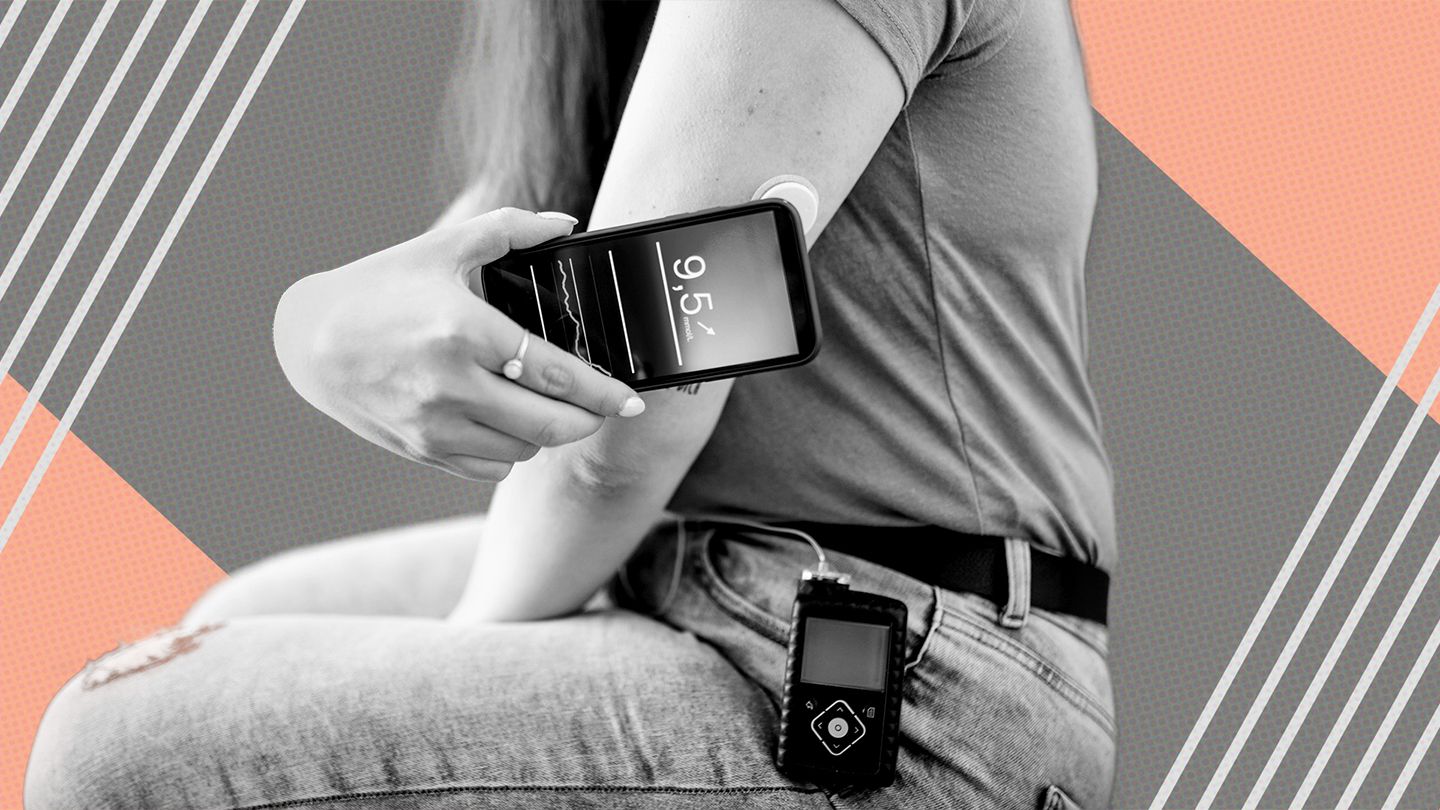
For years, continuous glucose monitors were treated like the VIP lounge of diabetes technology: incredibly useful, but mostly reserved for people using intensive insulin therapy. That view is changing fast. New research is showing that CGM benefits may extend well beyond insulin-heavy treatment plans, giving many adults with type 2 diabetes a clearer, more practical way to understand blood sugar patterns in real life.
And “real life” matters. Blood sugar does not rise and fall inside a neat spreadsheet. It reacts to breakfast, stress, sleep, walking the dog, skipping lunch, taking medicine late, eating “just one” cookie, and discovering that “just one” cookie somehow invited five friends. A traditional finger-stick glucose check can capture a single moment, but a continuous glucose monitor shows the whole movie.
Two newer studies add weight to a growing idea in diabetes care: CGM can help people with type 2 diabetes see patterns, reduce time spent with high glucose, improve time in range, and make better everyday decisions. The result is not magic. It is information. But in diabetes management, information at the right moment can feel pretty magical.
What Is a CGM and Why Does It Matter?
A continuous glucose monitor, or CGM, is a wearable device that estimates glucose levels throughout the day and night. A small sensor sits under the skin, usually on the arm or abdomen, and sends glucose data to a smartphone app, reader, or compatible device. Depending on the system, readings may update every few minutes or at set intervals.
The big advantage is context. Instead of asking, “What is my blood sugar right now?” a CGM helps answer better questions: “Is my glucose rising?” “Is it falling?” “Did that meal keep me high for three hours?” “Did my evening walk actually help?” “Why am I waking up above target?” In other words, CGM turns glucose monitoring from a pop quiz into a daily dashboard.
The New Evidence: CGM Is Not Just for Insulin Users
One recent randomized study looked at adults with type 2 diabetes who were not taking insulin. Participants used CGM either alone or with a food-logging app. The results were striking: time above range dropped substantially, time in range improved, and A1C fell over six months. Importantly, the improvements occurred with very limited medication changes early in the study, suggesting that behavior changesespecially around food choices and daily routinesplayed a major role.
A second study in a primary care setting examined adults with type 2 diabetes who were not using bolus insulin. Some were on noninsulin therapy, while others used basal insulin only. CGM users had greater improvement in A1C than matched controls receiving usual care. They also improved time in range, reduced time above 180 mg/dL, reduced time above 250 mg/dL, and lowered estimated average glucose.
Together, these studies support a practical conclusion: CGM may help many people with type 2 diabetes make better decisions before complications, frustration, or medication escalation become the main storyline.
Why A1C Alone Does Not Tell the Whole Story
A1C is still important. It estimates average blood glucose over roughly three months and remains a core marker in diabetes care. But averages can be sneaky. Two people can have the same A1C while living very different glucose lives. One person may stay fairly steady. Another may bounce between highs and lows like a badly supervised trampoline.
CGM adds missing details. It shows time in range, time above range, time below range, glucose variability, and daily patterns. That means patients and clinicians can see not just whether glucose control is improving, but how it is improving.
Time in Range: The Number People Can Actually Use
For many adults with diabetes, time in range usually refers to the percentage of time glucose stays between 70 and 180 mg/dL, though individual targets may vary. A person aiming for 70 percent time in range is trying to spend about 17 hours per day in the target zone.
That metric can feel more immediate than A1C. If someone eats oatmeal for breakfast and sees a long glucose climb, they can try adding protein, reducing portion size, changing timing, or taking a short walk afterward. If a late dinner consistently leads to high overnight glucose, that pattern becomes visible. CGM does not scold. It simply points at the evidence and says, “Here is what happened.”
How CGM Helps With Food Choices
Food advice for type 2 diabetes can sometimes sound like it was written by a committee that has never attended a birthday party. CGM makes nutrition more personal. Instead of relying only on generic rules, people can see how their own body responds to specific meals.
For example, one person may discover that white rice causes a steep glucose rise, but a smaller portion paired with chicken, vegetables, and a walk produces a gentler curve. Another may find that a “healthy” smoothie spikes glucose more than expected because it contains a fruit parade in liquid form. Someone else may learn that breakfast cereal is less of a breakfast and more of a glucose rocket with a cartoon mascot.
The point is not to create fear around food. The point is to create feedback. CGM helps turn eating decisions into experiments, not moral judgments. That shift can make diabetes management feel less like punishment and more like problem-solving.
CGM and Exercise: Seeing the Payoff
Exercise is one of the most powerful tools for type 2 diabetes management, but its effects are not always obvious right away. CGM can show how movement changes glucose patterns. A 10- to 20-minute walk after meals may reduce post-meal glucose spikes for some people. Strength training may improve glucose stability over time. Even light activity can help reveal a pattern: movement often makes the glucose line behave better.
This immediate feedback can be motivating. Instead of hearing “exercise is good for you” for the 9,000th time, a person can see that walking after dinner changed the graph that same night. Data becomes encouragement. The graph becomes a tiny coach, minus the whistle.
Medication Decisions May Become More Precise
CGM data can help healthcare professionals make better medication decisions. If glucose is high mainly after meals, the care plan may focus on meal timing, carbohydrate quality, or medications that target post-meal glucose. If glucose rises overnight or early in the morning, the strategy may be different. If lows appear, especially in people taking insulin or sulfonylureas, medication safety becomes a priority.
This is where CGM can be especially valuable: it helps move diabetes care from guessing to pattern recognition. Instead of adjusting treatment based only on A1C and occasional finger-stick numbers, clinicians can review days or weeks of glucose trends.
Who May Benefit Most From CGM?
CGM may be helpful for people with type 2 diabetes who struggle to reach glucose targets, have wide glucose swings, use insulin, experience low blood sugar, or want better insight into how food, activity, stress, and medication affect them. Newer evidence also suggests potential value for people not taking insulin, especially when CGM is paired with education and practical coaching.
That does not mean every person with type 2 diabetes needs a CGM forever. Some may use a personal CGM continuously. Others may use a professional CGM for a short period through a clinic to identify patterns. A few weeks of data can sometimes answer questions that months of guesswork could not.
Access Is Improving, But Barriers Remain
CGM access has expanded in the United States, including Medicare coverage updates for many insulin-treated patients and some people with problematic hypoglycemia. Over-the-counter glucose biosensors have also entered the market for certain adults who do not use insulin. These changes matter because access has historically been uneven.
Still, cost, insurance rules, digital literacy, device comfort, skin irritation, alarm fatigue, and data overload can all limit use. A CGM is only helpful if a person can afford it, wear it, understand it, and act on the information safely. Technology should reduce stress, not add a second full-time job called “Chief Glucose Officer.”
CGM Is a Tool, Not a Tiny Doctor
CGM data should support medical care, not replace it. Readings can lag behind blood glucose because CGM sensors measure glucose in interstitial fluid, not directly in blood. Finger-stick checks may still be needed when symptoms do not match sensor readings, when glucose is changing quickly, or when a healthcare professional recommends confirmation.
People who use medications that can cause hypoglycemia should be especially careful. Low glucose can be dangerous, and alarms should be taken seriously. Also, not every over-the-counter glucose biosensor is designed for people at risk of problematic hypoglycemia. Choosing the right device should involve a healthcare professional whenever possible.
What the Two Studies Mean for Everyday Type 2 Diabetes Care
The most exciting message from the newer CGM research is not simply that numbers improved. It is that people may improve because they can finally see cause and effect. Type 2 diabetes management often asks people to make daily decisions with delayed feedback. CGM shortens that delay.
When people see that a certain lunch keeps glucose high for hours, they can adjust. When they notice better readings after sleep improves, they may protect bedtime more seriously. When they learn that stress pushes glucose upward even without food, they may stop blaming themselves for every number. That emotional relief matters.
CGM can also make medical visits more productive. Instead of vague reports like “my sugars have been weird,” patients can bring patterns: high after breakfast, low before dinner, steady on walking days, elevated after poor sleep. That is useful information, and useful information tends to lead to better conversations.
Real-World Experiences: What CGM Feels Like in Daily Type 2 Diabetes Management
For many people with type 2 diabetes, the first week with a CGM can feel like turning on the lights in a room they have been walking through for years. The numbers are not always comfortable, but they are revealing. A person may discover that their “reasonable” breakfast sends glucose higher than expected, while a lunch they feared is actually manageable. Someone may learn that stress before a meeting raises glucose even when they have not eaten. Another person may notice that sleep quality changes the next morning’s readings more than they expected.
One common experience is the “food surprise.” A patient may assume that a small dessert is always worse than a large bowl of cereal, only to see the cereal create a longer spike. Another may find that pasta behaves differently when eaten after salad and protein. These discoveries can be oddly empowering. Instead of following a rigid list of forbidden foods, people can test combinations, portions, timing, and activity. Diabetes management becomes less about perfection and more about learning the body’s patterns.
Another common experience is motivation through visible progress. A short walk after dinner may not feel heroic. No one is likely to play dramatic movie music while someone circles the block in sneakers. But when that walk leads to a smoother glucose curve, the reward is immediate. The person sees proof that small actions count. That can be more persuasive than a pamphlet, a lecture, or a refrigerator magnet shaped like a vegetable.
CGM can also improve conversations at home. Family members often want to help but do not always know how. With CGM data, support can become more specific. A partner may understand why late-night snacking needs adjustment. A family cook may see why balanced meals matter. Caregivers may feel more confident when they can notice trends rather than wait for symptoms.
At the same time, real-world CGM use is not always smooth. Some users feel overwhelmed by constant data. Others may become anxious when every meal creates a visible response. Alarm fatigue can happen, especially when alerts are too frequent or poorly customized. Skin irritation may make sensors uncomfortable. Insurance paperwork can test anyone’s patience, and not in a fun character-building way.
The best experience usually comes when CGM is paired with education. People need help understanding what numbers mean, which patterns matter, when to call a clinician, and when not to panic. A single high reading is not a personal failure. A glucose graph is not a report card. It is a tool for decision-making.
For people with type 2 diabetes, CGM may offer something surprisingly simple: clarity. It shows what is happening between clinic visits, between meals, overnight, and during ordinary Tuesday afternoons. That clarity can support better food choices, safer medication adjustments, more confident activity habits, and more meaningful healthcare visits. In the end, CGM is not just about watching glucose. It is about helping people understand their daily lives well enough to change them.
Conclusion
The latest evidence shows that CGM benefits for type 2 diabetes management are broader than many people once assumed. New studies suggest that continuous glucose monitoring can help adults with type 2 diabetes improve time in range, reduce time spent above target, lower A1C, and better understand how food, movement, medication, sleep, and stress shape glucose patterns.
CGM will not replace medical guidance, healthy eating, physical activity, or appropriate medication. It also will not magically make broccoli taste like French fries. But it can give people and clinicians something extremely valuable: timely, personal, actionable data. For many adults with type 2 diabetes, that may be the missing link between knowing what to do and seeing why it matters.
Note: This article is for general educational web content only and should be medically reviewed before publication. Readers should consult a qualified healthcare professional before changing diabetes medication, diet, or glucose monitoring plans.