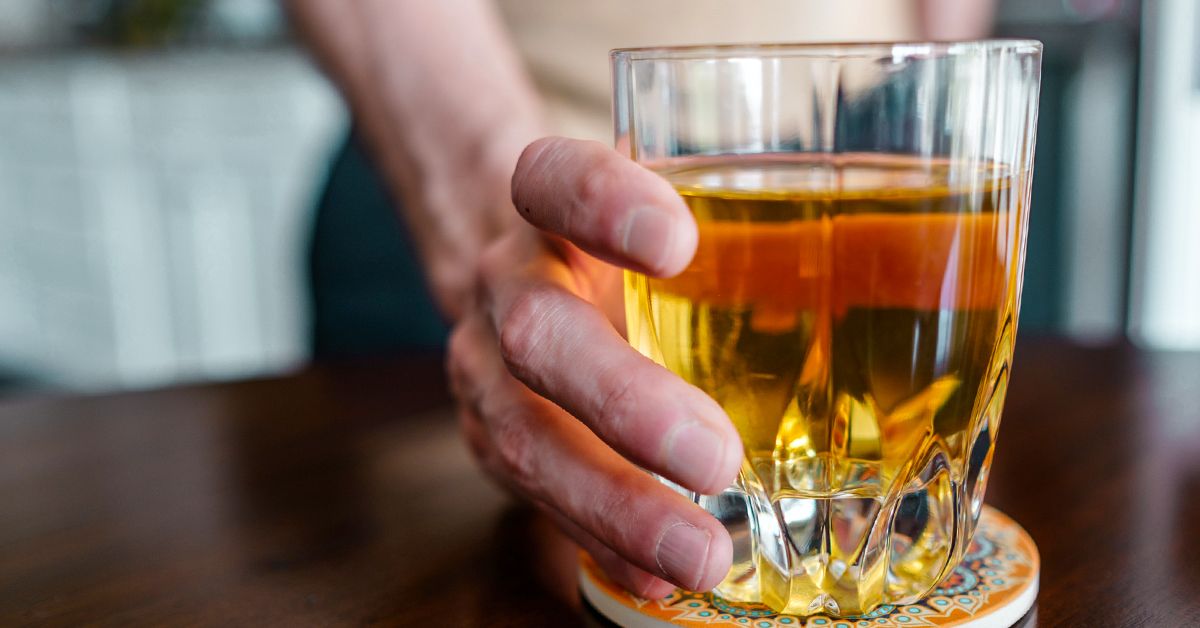
If colorectal cancer had a “guest list” of things that raise risk, alcohol would be on itprobably not wearing a name tag, but definitely inside the party.
The tricky part is that alcohol’s relationship with colorectal cancer isn’t loud and obvious like a flashing warning sign. It’s more like a slow leak:
easy to ignore until you realize it’s been adding up for years.
In this article, we’ll break down what research shows about the alcohol–colorectal cancer connection, why the risk rises with dose, how “standard drinks”
actually work in real life (spoiler: your pour is probably generous), and the other risk factors that matter just as much. We’ll also talk about practical,
realistic ways to lower riskwithout turning your life into a spreadsheet.
First, a Quick Refresher: What Counts as Colorectal Cancer?
“Colorectal cancer” includes cancers of the colon and the rectum. Most colorectal cancers start as
polypssmall growths that can develop in the lining of the colon or rectum. Not all polyps become cancer, but some can slowly change over
time. That’s why screening is such a big deal: it can find cancer early or remove certain polyps before they turn into cancer.
Does Alcohol Really Increase Colorectal Cancer Risk?
Yes. Across large studies and major health organizations, alcohol use is consistently linked with a higher risk of colorectal cancer.
The overall pattern looks like this:
- More alcohol over time → higher risk.
- Heavier drinking → clearer, stronger increase in risk.
- Even “light” or “moderate” drinking may carry some risk.
There’s no magic alcohol type that gets a hall pass. Beer, wine, cocktailsyour colon doesn’t care if it came in a stemmed glass or a plastic cup at a tailgate.
What matters most is the amount of ethanol (pure alcohol) and how often it shows up.
What’s a “Standard Drink,” and Why Does It Matter?
The phrase “I only have a drink” is doing a lot of heavy lifting. In the U.S., a standard drink contains about
14 grams of pure alcohol. In everyday terms, that’s roughly:
- 12 oz beer (about 5% alcohol)
- 5 oz wine (about 12% alcohol)
- 1.5 oz distilled spirits (about 40% alcohol)
Here’s the catch: many real-world pours are bigger than the standard. A large goblet of wine might be 8–10 ounces. A strong mixed drink can contain
two (or more) standard drinks depending on how it’s made. So when studies talk about “drinks per day,” they’re talking about standard drinks,
not “whatever fits in your cup.”
How Alcohol May Help Colorectal Cancer Get Started
Alcohol doesn’t cause colorectal cancer in a single, cartoonish way (like an evil villain rubbing its hands together). It works through several
biological pathways that can make the environment in your body more cancer-friendly over time.
1) Alcohol turns into acetaldehyde, a DNA-damaging chemical
When your body breaks down alcohol, one of the key byproducts is acetaldehyde. Acetaldehyde can damage DNA and interfere with the
normal repair process that keeps cells from going off the rails. DNA damage plus imperfect repair is one of the basic “how cancers happen” storylines.
2) Oxidative stress and inflammation
Heavy or frequent drinking can increase oxidative stress (think: cellular “rust”) and inflammation. Chronic inflammation
can create conditions where abnormal cells are more likely to survive, multiply, and eventually become cancer.
3) Nutrient disruption, including folate
Alcohol can affect how the body absorbs and uses certain nutrients, including folate. Folate supports healthy cell function and DNA
maintenance. Low folate status has been discussed as one factor that may contribute to cancer risk, including colorectal cancer.
4) Gut and microbiome effects
Your colon is ground zero for digestion, bacteria, and immune activity. Alcohol can irritate the digestive tract and may influence the gut microbiome.
Researchers are still mapping this territory, but it’s another plausible route for alcohol to affect colorectal cancer risk.
How Much Drinking Is “High Risk” for Colorectal Cancer?
Risk tends to climb as alcohol intake increases. The clearest increases show up in people who drink more heavily and/or more consistently over time.
Many studies describe heavier intake as roughly 3+ standard drinks per day (sometimes defined by grams of alcohol per day),
with risk increasing further at higher levels.
That said, one of the most frustrating truths in cancer prevention is this: “Low” doesn’t mean “zero.” Some evidence suggests that even
light-to-moderate drinking can be associated with some increase in risk. This doesn’t mean everyone who has a drink will get colorectal cancer.
It means risk is a sliding scale, not an on/off switch.
Alcohol Is Only One Piece of the Risk Puzzle
If you want a useful, realistic view of colorectal cancer risk, think “stacking effects.” Alcohol is one factor that can add to the total loadespecially
when it teams up with other risks.
Risk factors you can’t change (but you can plan around)
- Age (risk generally rises as people get older)
- Personal history of colorectal polyps or colorectal cancer
- Family history of colorectal cancer (especially in close relatives)
- Inherited syndromes (such as Lynch syndrome or familial adenomatous polyposis)
- Inflammatory bowel disease (ulcerative colitis or Crohn’s colitis)
Risk factors you can change (the “good news” section)
- Alcohol intake (cutting back helps reduce cancer risk overall)
- Smoking
- Excess body weight
- Physical inactivity
- Diet (especially high processed meat intake and low fiber/whole grain intake)
- Type 2 diabetes / insulin resistance (management matters)
The big idea: you don’t need perfect genetics or a flawless past to improve your odds. You can lower risk by changing what’s changeable,
and by doing the prevention steps that actually worklike screening.
When Alcohol Teams Up With Other Risks
Alcohol doesn’t exist in a vacuum. Certain combinations can make overall cancer risk worse:
- Alcohol + smoking: Both expose the body to carcinogens and can amplify damage across multiple systems.
- Alcohol + low-fiber diet: A diet low in fiber and whole grains can affect stool transit time, gut health, and inflammation.
- Alcohol + excess body weight: Weight-related inflammation and metabolic changes can overlap with alcohol’s effects.
- Alcohol + “weekend warrior” binge patterns: Even if weekly totals seem “average,” heavy single-session drinking can be hard on the body.
This is why risk conversations should be personalized. Two people can drink the same amount, but their overall risk profile may look very different based on
family history, weight, smoking, activity level, and screening habits.
Lowering Your Risk: Practical Steps That Don’t Require a Personality Transplant
1) Re-check your “normal” pour
If you drink, the simplest first move is awareness. Compare what you typically pour to a standard drink. Many people discover that their “one drink”
is closer to 1.5–2 standard drinks. No judgmentjust math.
2) Cut back in a way you’ll actually keep doing
If the goal is lower risk, consistency beats perfection. Options that often work in real life:
- Set drink-free days each week.
- Downshift to fewer standard drinks per occasion.
- Swap in no-alcohol options (especially in routines like “wine while cooking”).
- Slow the pace (food + water makes a difference for intake).
And because it matters: if you’re under 21, the safest move for cancer prevention and overall health is not drinking at all. If adults in your life are making
choices about drinking, the same risk principles applyless is better for cancer risk.
3) Improve the “support system” around your colon
The colon likes boring, dependable habits. The kind that don’t trend on social media.
- Move more: Regular physical activity supports digestion and lowers colorectal cancer risk.
- Build meals around fiber: Whole grains, beans, vegetables, fruits, nuts, seeds.
- Limit processed meats: Save bacon-as-a-food-group for special occasions.
- Don’t smoke: If you do, quitting is one of the highest-impact health moves you can make.
- Manage metabolic health: Blood sugar, weight, sleep, and stress all play roles.
Screening: The Risk-Reducer People Forget About
If you want a colorectal cancer prevention strategy with real “teeth,” it’s screening. For average-risk adults, U.S. recommendations generally support
starting screening at age 45, continuing through age 75, with individualized decisions after that depending on health status.
Screening isn’t just about early detectionit can help prevent cancer by finding certain polyps early and removing them.
Talk with a healthcare professional about which test fits you best. Options may include stool-based tests done at home and procedures like colonoscopy.
“I Drink. Should I Panic?” No. But Do Use the Information.
Cancer risk is about probability, not prophecy. Drinking alcohol does not mean you will get colorectal cancer. It means your risk can be higher than it would
be without alcohol, especially at higher intake over time.
A smarter response than panic is a simple checklist:
- Know your baseline risk (family history, personal history, IBD, etc.).
- Get on track with screening if you’re in the recommended age range or higher-risk category.
- Reduce what you can (alcohol, smoking, inactivity, processed meats).
- Strengthen the protective habits (fiber, activity, healthy weight, diabetes management).
FAQ: Common Questions About Alcohol and Colorectal Cancer
Is wine “safer” than liquor?
For cancer risk, the type of drink matters less than the amount of ethanol. A “healthy” label on a beverage does not cancel out alcohol’s biological effects.
What about “only on weekends”?
Total intake over time matters, but pattern matters too. High-intensity drinking sessions can increase harm even if you don’t drink daily.
If weekends are your drinking window, reducing the number of standard drinks per occasion can still move risk in a better direction.
If I quit drinking, does my risk go back down?
Risk can improve over time when you reduce or stop alcohol, especially when paired with other healthy changes and appropriate screening.
How quickly risk changes varies by individual factors and the amount and duration of past drinking.
Does alcohol affect colon polyps?
Alcohol use has been associated with higher risk patterns in colorectal health, and polyps are the common starting point for many colorectal cancers.
Screening and polyp removal remain key preventive steps regardless of drinking history.
Bottom Line
Alcohol and colorectal cancer are connected, and the relationship is largely dose-dependent: more drinking over time generally means higher risk.
Alcohol can contribute to cancer risk through multiple mechanisms, including DNA damage via acetaldehyde, inflammation, oxidative stress, and nutrient effects.
But alcohol is only one piece of the puzzlediet, smoking, activity, weight, metabolic health, and family history all matter too.
The most powerful approach is not “never do anything fun again.” It’s a practical combo:
drink less (or not at all), live in a colon-friendly way, and stay current with screening.
Your future self will thank youprobably quietly, because the colon is not a dramatic organ. It just wants peace.
Real-World Experiences: What People Commonly Notice (and Learn) About Alcohol and Colorectal Health
The science is important, but people don’t live their lives in research papers. They live in routines: dinner after work, weekend gatherings, celebrations,
stress, grief, and “I deserve a treat” moments. When colorectal cancer enters the pictureeither through a diagnosis, a scary symptom, or even a routine
screening resultalcohol is often one of the first habits people reassess. Not because it’s the only factor, but because it’s one of the most adjustable.
One common theme people share is surprise at how quickly “normal drinking” can creep upward. It’s rarely a dramatic storyline. It’s more like:
a drink while cooking becomes two, a weekend pattern expands into weekdays, and suddenly the person realizes they’ve been having several standard drinks
more often than they thought. When they learn what a standard drink really is, the reaction is usually some version of: “Wait… that counts as two?”
(Yes. Yes, it often does.)
People who decide to cut back frequently describe changes that are less about willpower and more about environment. They’ll say things like:
“I stopped keeping it in the house,” or “I switched to sparkling water in the same glass,” or “I realized my ‘wine time’ was actually my ‘decompress time,’
and I needed a different way to decompress.” In other words, they didn’t just remove alcoholthey replaced the ritual. That replacement matters because
habits love to leave an empty space and then refill it with something else (sometimes something you didn’t plan, like late-night snacking or doomscrolling).
Another common experience shows up after a colonoscopy or stool test: people feel oddly motivated by a concrete result. If a doctor says, “We removed a polyp,”
it can turn vague health intentions into an actual plan. People often describe it as a reset button: “Okay, that was my warning shot.” Some become
more consistent with exercise, fiber, and sleep; others pick one change that feels doablelike fewer drinking days per weekand build from there.
The most successful changes tend to be the ones that are specific and realistic, not heroic.
Families and caregivers often talk about the emotional side of the alcohol conversation. If someone has been diagnosed with colorectal cancer, loved ones
may want to “fix everything” instantly. But people going through treatment usually do better with support that feels respectful and practical:
keeping non-alcohol options around, planning social activities that aren’t built entirely around drinking, and celebrating progress without turning every meal
into a lecture. Humor can help, toolike the friend who jokingly names the fancy seltzers “my emotional support bubbles” so the change feels lighter.
Finally, many people share that lowering alcohol isn’t about chasing perfectionit’s about stacking small advantages. They can’t change family history,
and they can’t rewrite the past. But they can show up for screening, choose fewer standard drinks, and build a lifestyle that supports colon health.
That’s the quiet power move: not fear, not guiltjust a steady shift toward fewer risks and more protection, one normal day at a time.