The days leading up to winter break can make even the most organized classroom feel like a snow globe someone keeps shaking for fun. Students are excited. Schedules get weird. Assemblies pop up. Families are busy. Teachers are trying to finish lessons, wrap up assessments, and stop the room from turning into a holiday-themed trampoline park. In other words, it is a lot.
But calm does not have to disappear just because the calendar says December. In fact, this stretch of the school year is exactly when calm matters most. Students tend to do better when the room feels predictable, the teacher sounds steady, and the expectations remain clear without becoming harsh. The goal is not to suck all joy out of the room like a vacuum cleaner with a clipboard. The goal is to protect learning while making the classroom feel safe, warm, and manageable for everyone in it.
If you want to create calm in your classroom leading up to winter break, the answer is not a single magic trick. It is a combination of routines, short regulation strategies, careful transitions, connection, and realistic expectations. Think of it less like finding one perfect classroom hack and more like building a cozy system that works even when the energy gets sparkly and a little wild.
Why the Weeks Before Winter Break Feel So Unsettled
Before you fix the chaos, it helps to understand it. Students are not randomly deciding to become tiny agents of disorder. The weeks before winter break often come with excitement, routine changes, extra noise, social pressure, sugar, travel plans, weather shifts, and plain old anticipation. Even students who usually hold it together can become more distracted, more emotional, or more reactive.
Some children also experience the holiday season as stressful rather than magical. Changes in routine can increase anxiety. Family finances may feel tight. Travel, relatives, and social expectations can be overwhelming. Students who struggle with attention, sensory needs, or anxiety may look restless, withdrawn, oppositional, or extra silly when they are actually dysregulated. That matters, because teachers respond better when they interpret behavior with wisdom instead of personal offense. A student is not “being difficult” just to ruin your Tuesday. More often, the student is telling you, in the least elegant way possible, “My nervous system has left the building.”
1. Double Down on Predictable Routines
Keep the schedule visible and boring in the best way
When the season feels exciting, your classroom routines should feel delightfully unsurprising. Post the daily schedule where students can see it. Review it at the start of the day. Give a heads-up if anything changes. Predictability lowers stress because students are not constantly guessing what comes next.
This is especially important before winter break, when there may be assemblies, special projects, parties, altered lunch times, or random interruptions that show up like uninvited guests. A visible agenda and simple countdowns help students mentally prepare for transitions. Timers also work well. They answer the eternal student question, “How much longer?” before it is asked nineteen times.
Use proactive reminders before tricky moments
Do not wait until the line is crooked, the carpet is loud, and someone is somehow wearing another person’s hoodie like a cape. Before a transition, ask for a quick reminder of expectations. Try something like, “Before we head to specials, who can remind us how we move through the hallway?” That ten-second preview can prevent ten minutes of classroom chaos.
Routines stay calmer when students help rehearse them. Practice how to clean up, line up, put materials away, enter after recess, and pack up at dismissal. Yes, even in December. Especially in December. The fact that they learned it in August does not mean they currently remember it with accuracy.
Have a simple attention signal
A calm classroom needs a clear way to get everyone’s focus fast. A hand signal, call-and-response, chime, or countdown can do the trick. The signal should be brief, consistent, and practiced enough that it does not become a negotiation. The less talking you do over student noise, the calmer the room stays. Teachers should not have to compete with 24 excited children and one mysteriously squeaky chair.
2. Lower the Temperature Without Lowering Expectations
Use calm, concrete language
Students usually respond better to calm and specific directions than to dramatic speeches that sound like they belong in a courtroom. Instead of, “Why is no one listening right now?” try, “Papers flat, voices off, eyes here.” Short directions reduce friction because students know exactly what to do.
Another strong tool is when-then language. For example: “When your materials are put away, then we’ll start the game,” or “When the room is quiet, then I can read the next page.” This kind of phrasing keeps the focus on what students can do next rather than on a threat hanging in the air like a storm cloud.
Chunk the work
The week before break is not always the best time for long, stamina-heavy tasks with six directions, three rubrics, and a surprise twist. Break assignments into smaller pieces. Give one step at a time. Use oral and written directions. Build in checkpoints. Students who feel overwhelmed are more likely to drift, stall, or clown around, and honestly, adults do this too. We just call it “checking email.”
Calm classrooms do not eliminate rigor. They reduce unnecessary friction. Students can still do meaningful work, but they often need cleaner structure to stay successful.
3. Build Tiny Moments of Regulation Into the Day
Use brain breaks on purpose
Brain breaks are not wasted time. They are strategic resets. A short movement break, breathing exercise, stretch, or sensory pause can help students shift focus and return ready to learn. This matters even more when students are wiggly, emotionally buzzy, or mentally checked out because vacation is already living rent-free in their heads.
The key is to keep breaks short and structured. Two to five minutes is often enough. Try a breathing count, wall pushes, chair yoga, a brief dance-and-freeze game, or a quiet visual reset. Some classes need energizing movement. Others need calming movement. Good teaching is partly knowing whether your students need to wake up or power down.
Start the morning with regulation, not immediate chaos
If mornings have started to feel frantic, consider a calmer opening routine. Soft music, journaling, mindful breathing, a short gratitude prompt, or a simple goal-setting check-in can create a steadier tone than sending students straight into a stack of worksheets while everyone is still emotionally parking the bus.
These opening rituals do not need to be elaborate. One minute of breathing and one sentence about how students want to feel that day can go a long way. Calm is often created in tiny doses, not giant assemblies of perfection.
4. Keep Learning Meaningful but Easier to Carry
Choose lower-friction tasks
You do not need to turn the classroom into a monthlong movie marathon to survive December. But you also do not need to schedule the heaviest, driest, most demanding tasks of the semester if students are already running on holiday-static brain. This is a good time for highly engaging review, partner learning, stations, short writing bursts, read-aloud discussions, hands-on application, and projects with clear structure.
Students stay calmer when they know the goal, know the process, and feel likely to succeed. Successful classrooms before winter break often lean into work that is purposeful without being punishing.
Reduce surprise and performance pressure
Some students become especially anxious during this time of year. Give advance notice about tests or changes in routine. Let students preview class notes. Offer alternatives when possible for high-pressure tasks such as reading aloud in front of the whole class. A student who freezes in public does not suddenly become more confident because the room has paper snowflakes on the window.
For students with anxiety, clear expectations, frequent check-ins, a break pass, comfortable seating options, and smaller chunks of work can make a major difference. These supports are not “special treatment.” They are practical teaching.
5. Watch for Anxiety Disguised as Behavior
One of the biggest mistakes teachers can make before winter break is assuming every behavior problem is a discipline problem. Sometimes the student who argues, stalls, shuts down, or asks to go to the nurse again and again is not trying to be defiant. Sometimes that student is anxious, overstimulated, or overwhelmed.
That does not mean expectations disappear. It does mean your response gets smarter. Check in privately. Ask brief, neutral questions. Offer a regulated path back into learning: a drink of water, a short hall break, a designated calm-down spot, or a smaller first step. Students often do better when they feel there is a way back, not just a spotlight on the problem.
And if a student truly needs a reset, make sure it is restorative rather than punitive. A calming corner or regulation space should help students settle and return, not feel exiled from the class like they have been voted off Classroom Island.
6. Use Connection Before Correction
Belonging is a behavior strategy
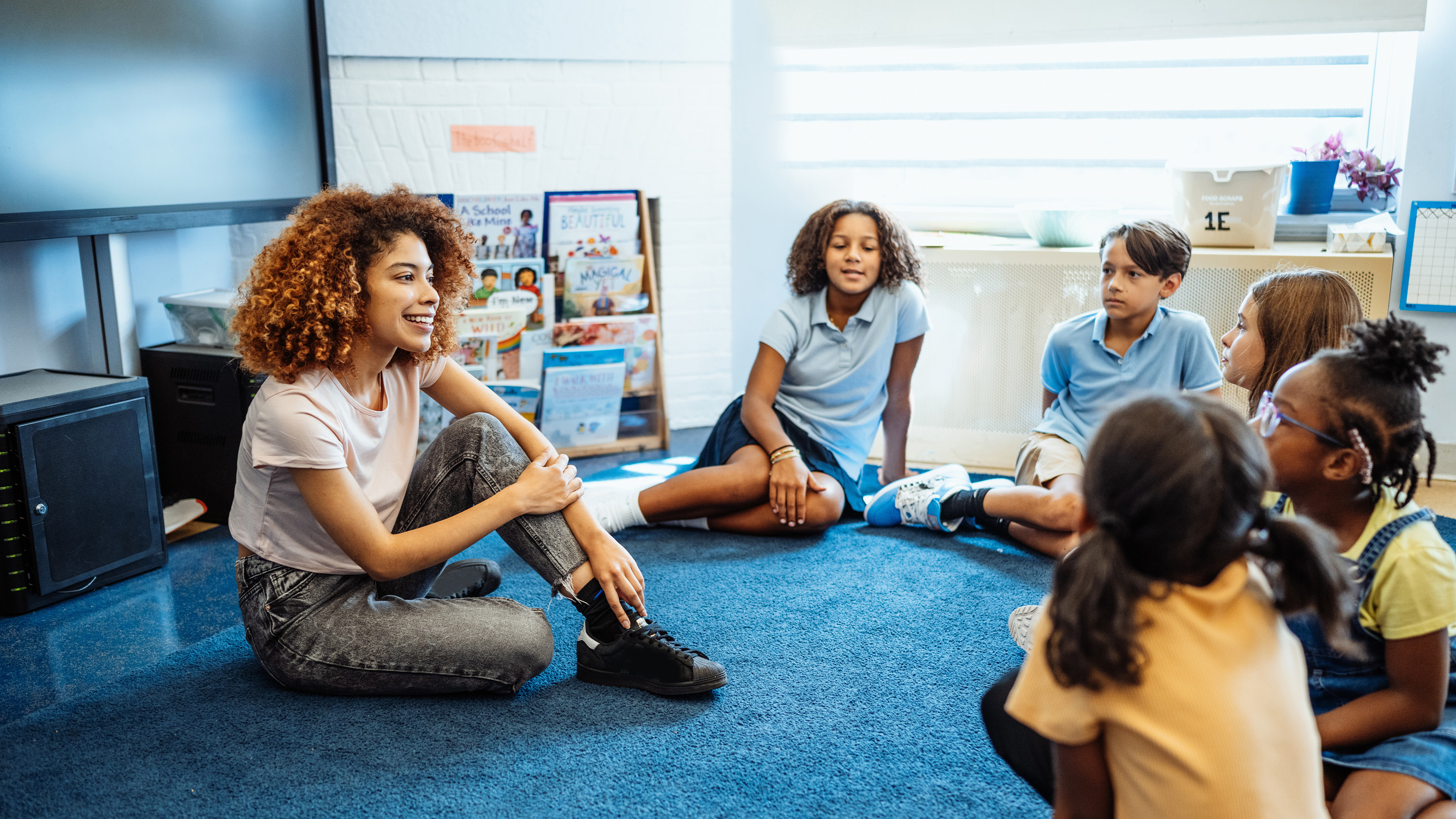
Students are more likely to stay regulated when they feel connected. That is one reason quick relationship-based routines matter so much before winter break. Greeting students by name, using short circles, offering class jobs, and ending the day with reflection can all strengthen belonging.
A calm classroom is not just quiet. It is relationally safe. Students need to know the teacher is steady, supportive, and not looking for reasons to explode. When students feel they belong, correction lands better because it is happening inside a trusting relationship rather than across a power struggle.
Keep holiday language inclusive
Not every student celebrates the same holidays, and not every family experiences winter break the same way. Some students are excited. Some are lonely. Some are grieving. Some are counting down to travel. Some are counting down to structure disappearing. A calm classroom respects that emotional range.
Use inclusive language like “winter break” unless your activity is specifically tied to a particular tradition and you are handling it respectfully. Invite students to share family traditions broadly, not competitively. The goal is warmth, not making anyone feel like they wandered into the wrong party.
7. Plan the Runway Into and Out of Break
Create a countdown with purpose
A simple countdown can help students anticipate the break without asking every fifteen minutes whether it is “basically Friday.” Use it to preview events, maintain structure, and reduce uncertainty. Countdowns work best when they are informational, not a giant hype machine that sends the room into orbit.
Send students out with a bridge back to school
If appropriate for your grade level, send home an optional break activity that invites family participation and gives students something to share when they return. It could be a reading reflection, a photo journal, a winter observation page, a gratitude list, or a creative response to a favorite book. This creates continuity between before-break and after-break learning.
Expect to reteach after break
One of the best ways to create calm before winter break is to plan for what happens after it. Students will need routines revisited. They will need reminders, practice, and familiar activities when they return. Planning for reentry keeps your expectations realistic now and helps you avoid the fantasy that everyone will come back in January like disciplined little scholars in matching cardigans.
Conclusion
To create calm in your classroom leading up to winter break, do not chase perfection. Chase steadiness. Keep routines visible. Preview transitions. Use short brain breaks. Offer supportive check-ins. Reduce unnecessary surprises. Protect connection. And remember that calm is not the absence of joy. It is the structure that lets joy exist without knocking over every chair in the room.
Winter break will still be exciting. Students will still buzz. Someone will still ask if the class party starts now when it is clearly still math. But when your classroom runs on predictable routines, emotionally safe responses, and small moments of regulation, the atmosphere changes. The room feels less frantic, more human, and much more teachable. And that, in December, is practically a holiday miracle.
Real Classroom Experiences Leading Up to Winter Break
In many classrooms, the change starts with one small adjustment rather than a giant seasonal overhaul. One upper elementary teacher noticed that her students were loudest right after lunch during the two weeks before break. Instead of opening the afternoon with announcements and corrections, she tried a three-minute reset: lights dimmed, one quiet breathing prompt, and a simple “What do you need to do well this afternoon?” response on sticky notes. The room did not turn into a meditation retreat, and nobody floated above a yoga mat, but the class settled faster and arguments dropped noticeably. The magic was not in the novelty. It was in the consistency.
A middle school teacher had a different issue: the transitions were the problem. The students came in buzzing from the hallway and took forever to switch gears. He started posting the day’s agenda in the exact same place, with a “Do Now” task that always took less than three minutes. He also used the same entry routine every day: backpack down, notebook out, start the prompt. The students rolled their eyes for about a day and a half, then the routine became automatic. He later said the room felt calmer not because students were less excited about break, but because they no longer had to figure out how class started. Their brains could save energy for learning instead of procedural confusion.
An early childhood teacher found that the emotional energy of December showed up during cleanup and dismissal. Children who were usually cooperative became clingy, tearful, or goofy. She began narrating transitions more carefully and previewing what came next: first cleanup, then coats, then circle, then pickup. She added songs for each stage and gave children tiny jobs to hold onto during the process. What looked like “misbehavior” had really been a need for support through transitions. Once the day was broken into smaller, predictable parts, the room grew calmer.
Another teacher realized that several students who seemed oppositional before winter break were actually anxious. One child kept asking to go to the nurse. Another refused to read aloud. A third got silly every time the schedule changed. Instead of escalating consequences, the teacher started private check-ins, advance notice for transitions, and alternative ways to participate. One student got a break card. Another got notes ahead of time. Another got the option to respond in writing before speaking. None of these supports lowered standards. They lowered panic, which made it possible for students to meet the standards in the first place.
Teachers also talk about the value of ending the day well during this season. In some rooms, a two-minute sharing circle works wonders. Students name one thing they learned, one person they helped, or one thing they are looking forward to. It sounds simple because it is simple. But that short closing routine can prevent the kind of end-of-day chaos that feels like managing a tiny airport during a snowstorm.
The common thread in these experiences is clear: calm is built, not begged for. Teachers who survive the stretch before winter break usually do not rely on louder voices, stricter moods, or bigger punishments. They rely on routines, regulation, empathy, and clarity. They make the classroom feel predictable when the season feels unpredictable. And that is often what students need most.