Cryotherapy is the therapeutic use of cold. That’s the official, boring definition. The practical definition is: someone is intentionally making you very chilly for a reasonwhether that’s freezing off a wart, calming a cranky tendon, or stepping into a cryotherapy chamber because your gym friend swears it “changed their life” (and their Instagram feed).
Here’s the important part: “cryotherapy” isn’t one thing. It’s a family of treatments with very different goals, evidence, and safety profiles. Medical cryotherapy (like liquid nitrogen on a skin lesion) is a well-established procedure. Whole-body cryotherapy (WBC) at a wellness studio is trendierand comes with bigger question marks.
What Cryotherapy Is (and the 3 Main Types)
1) Local cryotherapy (ice packs, cold spray, cold-water therapy)
This is the everyday version: an ice pack on a sprained ankle, a cold pack after dental work, or a cold wrap after surgery or injury. It’s usually short, targeted, and meant to reduce pain and swelling. It can be helpfulbut it’s not risk-free if you overdo it (more on that later).
2) Medical cryotherapy / cryosurgery (liquid nitrogen in a clinic)
This is the “freeze the problem tissue” version. A clinician applies extreme coldoften liquid nitrogento destroy abnormal or unwanted tissue. It’s commonly used for things like actinic keratoses (precancerous sun-damage spots) and viral warts. The procedure is fast, usually done in-office, and healing typically happens over days to a couple weeks depending on location and depth.
3) Cryoablation (internal cryotherapy, image-guided)
Cryoablation is a more advanced medical procedure where a probe is guided into or near a tumor and the tissue is frozen from the inside. It’s used in specific cancer and non-cancer settings and is performed by specialists under imaging guidance. It’s “cryotherapy,” but not the kind you book between a smoothie and a manicure.
Bonus: Whole-body cryotherapy (WBC) / cryostimulation (the chamber)
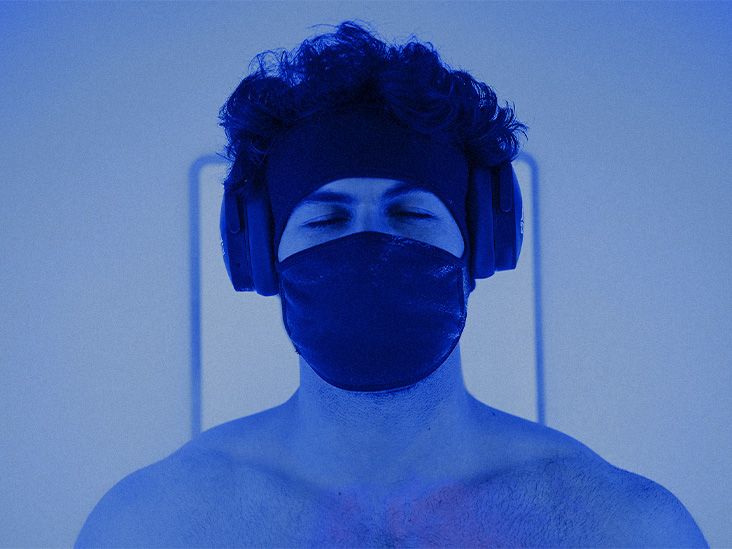
WBC typically involves standing in a chamber or room that blasts very cold, dry air for a brief period (often a couple minutes). Wellness centers often market it for muscle recovery, inflammation, mood, sleep, and even weight loss. The science is mixed, the standardization is inconsistent, and federal consumer guidance has long urged caution about unproven claims and real risks.
How Cryotherapy Works (Why Cold Can HelpSometimes)
Cold exposure generally causes vasoconstriction (blood vessels narrow), which can reduce blood flow to the area temporarily. That can help decrease swelling and slow some inflammatory processes. Cold also reduces nerve conductiontranslation: it can numb pain. When you warm back up, blood flow increases again, which may support recovery by bringing oxygen and nutrients back to the tissue.
Medical cryosurgery goes beyond “numbing.” Extreme cold can damage cells through freezing and thawing cycles, disrupting membranes and blood supply to the targeted tissueuseful when the goal is to remove or destroy abnormal cells.
Safety First: Who Should Be Cautious (or Skip Cryotherapy)
Cryotherapy sounds simple (“it’s just cold!”), but cold can stress the bodyespecially in whole-body or high-intensity forms. You should talk to a clinician before trying WBC (and sometimes even local cold therapy) if you have:
- Heart disease or a history of cardiac events
- Uncontrolled high blood pressure or significant circulation problems
- Raynaud’s phenomenon or other vasospastic conditions
- Peripheral neuropathy (reduced sensation increases injury risk)
- Cold urticaria (hives or allergic-like reactions to cold)
- Open wounds, active skin infections, or compromised skin integrity in exposed areas
- Pregnancy (generally a “don’t experiment” zone unless your clinician specifically recommends something)
For medical cryotherapy on skin lesions, your clinician will typically screen for factors like poor circulation, impaired healing, or a history of strong blistering/scarring. For cryoablation, the screening is far more extensive and depends on your diagnosis, imaging, and overall health.
The big safety difference: WBC is not the same as “ice on your knee”
The FDA has noted that “whole body cryotherapy presents a different set of risks and its healing benefits are unconfirmed,” and adverse event reports have included skin injuries and other complications. Translation: cold is a tool, not a magic spell. Tools still require instructions.
What to Expect: Whole-Body Cryotherapy (WBC)
Before your session
- You’ll usually change into minimal, dry clothing (moisture increases frostbite risk).
- You’ll be told to remove jewelry and anything metal.
- Many facilities provide or require protective gear like socks, gloves, and sometimes ear/mouth protection.
- A reputable facility should ask health questions and explain who should not do WBC.
During the session
Sessions are typically shortoften around 2–3 minutes. You’ll feel intense cold and may feel stinging, tingling, or a “my skin is confused” sensation (that’s the technical term). Some people feel energized; others feel anxious or light-headed. You should be monitored, and you should be able to stop at any time.
Immediately after
- Skin may look pink or red and feel tingly as you warm up.
- You might feel a short-lived mood or energy boost (some people describe a “buzz”).
- If you notice numbness that doesn’t resolve, blistering, severe pain, or patches that look gray/white/black, treat it like an injurybecause it may be.
What to Expect: Medical Cryotherapy for Skin Lesions (Liquid Nitrogen)
If you’re freezing a wart or an actinic keratosis in a clinic, the experience is usually quick but spicy: you may feel a sharp cold sting and then a burning or throbbing sensation for a short time.
Common normal reactions
- Redness and swelling
- Blistering (clear fluid or sometimes blood-tinged)
- Crusting/scabbing as the tissue heals
- Temporary color changes (lighter or darker pigmentation), especially in deeper skin tones
Healing timeline (typical)
Many areas heal in about 7–10 days, but some sites can take longer (and deeper freezes can extend healing). Your clinician will tell you what’s normal for your specific lesion and location.
Aftercare basics (the “don’t poke the volcano” rule)
- Don’t intentionally pop blisters. If one breaks, keep it clean and protected.
- Gently wash with mild soap and water; pat dry.
- A bandage can help if it’s rubbing on clothing or draining.
- Call your clinician if you see spreading redness, warmth, pus, fever, or worsening pain (infection signs).
What to Expect: Cryoablation (Internal Cryotherapy)
Cryoablation is typically done by specialists using imaging (like CT or ultrasound). You may receive sedation or anesthesia. The probe creates a controlled “ice ball” to freeze targeted tissue. Afterward, you might have localized pain, bruising, or fatigue, and recovery depends on the organ treated and your overall health.
Like any procedure, cryoablation has risks (bleeding, infection, injury to nearby structures), so it’s chosen when the benefit-risk profile makes sense for your specific case.
Benefits: What Cryotherapy Can Do (and What’s Still “Maybe”)
Benefit with strong medical backing: treating certain skin lesions
Cryotherapy is commonly used for actinic keratoses and other benign or precancerous lesions, and it’s also used for many viral warts. For actinic keratoses, freezing with liquid nitrogen is a widely used in-office option. The benefit here is straightforward: the goal is to remove damaged tissue so healthier skin can regrow.
Benefit with clear use in specialized care: certain tumors via cryoablation
Cryoablation is used in oncology and interventional radiology settings for selected tumors and patients. It can be an alternative to more invasive surgery in some contexts, but it’s not a wellness trendit’s a medical decision.
Benefit that’s often real (but easy to mess up): short-term pain relief
Local cold therapy can temporarily reduce pain and swelling after an acute injury or flare. The catch is that more is not better. Prolonged cold exposure can injure skin and nervesespecially if sensation is reduced or a device stays too cold for too long.
Whole-body cryotherapy for recovery: mixed evidence, real risks
Many people try WBC for post-workout soreness. Research and expert commentary tend to land on a cautious middle: some short-term improvements in soreness or perceived recovery may happen, but the overall evidence is inconsistent and often not clearly better than cheaper cold options (like cold-water immersion or targeted icing).
Here’s the nuance athletes care about: cold exposure can reduce inflammation signals, and that may feel good in the short term. But inflammation is also part of how your body adapts to training. Some sports medicine commentary suggests that frequent, aggressive cold use right after strength training could potentially blunt muscle adaptationmeaning it might be great for “I need to feel OK tomorrow,” and less great for “I’m trying to build long-term gains.”
Claims that are popular but not well-proven: weight loss, “detox,” and miracle cures
If a brochure promises you’ll burn hundreds of calories in three minutes, cure chronic disease, and emerge with the emotional stability of a golden retriever treat that like a red flag. Cold exposure can raise stress hormones temporarily and your body does use energy to maintain temperature, but sweeping weight-loss claims are not solidly supported.
How to Choose a Safe Cryotherapy Option (Especially for WBC)
If you’re considering whole-body cryotherapy, safety is less about “bravery” and more about process. Ask these questions before you step into anything colder than your ex’s heart:
- Who screens clients for contraindications? (A real intake process matters.)
- How are sessions timed and monitored? You should not be left alone.
- What protective gear is required? Hands/feet are common frostbite targets.
- What emergency stop procedures exist? You should be able to exit immediately.
- How do you prevent oxygen depletion? (Especially relevant if nitrogen is used in the environment.)
- Do you provide clear informed consent? Not vibesactual risks and expectations.
For medical cryotherapy, the safest path is simple: do it in a clinical setting with appropriate diagnosis. (If a “spa tech” offers to freeze a “suspicious mole,” that’s your cue to moonwalk out the door and call a dermatologist.)
Practical Tips: Using Cryotherapy Smartly
If your goal is injury or post-op swelling (local cold)
- Use a barrier (cloth) between cold source and skin.
- Short intervals beat marathon icing sessions.
- Stop if you feel burning, numbness, or see skin color changes.
If your goal is athletic recovery (WBC or cold immersion)
- Consider timing: cold is often used after competitions or high-soreness days, not necessarily after every strength session.
- Track outcomes: soreness, sleep, performance, and any skin reactions.
- If you have cardiovascular risks, get medical clearance first.
If your goal is skin lesion removal (medical cryotherapy)
- Follow aftercare instructions and protect healing skin from sun exposure.
- Don’t “self-treat” suspicious lesions. Diagnosis comes first.
- Expect possible blistering; it’s common and usually part of normal healing.
When to Stop and Seek Help
Cryotherapy should not leave you with a “souvenir injury.” Seek medical attention if you have:
- Severe or worsening pain during/after cold exposure
- Persistent numbness or loss of sensation
- Blisters that rapidly worsen, black/gray skin, or signs of frostbite
- Dizziness, fainting, chest pain, or shortness of breath
- Signs of infection after medical cryotherapy (spreading redness, pus, fever)
FAQ: Quick Answers People Actually Want
Is cryotherapy safe?
It depends on the type. Medical cryotherapy in a clinic is widely used with known, manageable risks. Whole-body cryotherapy has more variability and reported injuries; it requires careful screening and supervision.
Does it hurt?
Medical liquid nitrogen treatment can sting and throb briefly, and blistering can be tender. WBC feels intensely cold and can be uncomfortable, but it’s usually short. Either way, pain that feels sharp, worsening, or “wrong” is a sign to stop and reassess.
How often should I do whole-body cryotherapy?
There’s no universal evidence-based schedule for wellness WBC. If you try it, treat it like an experiment: start conservatively, track outcomes, and avoid stacking sessions if you’re getting skin reactions or feeling unwell. If you have a medical condition, talk to your clinician first.
Real-World Experiences: What People Commonly Notice (About )
Because cryotherapy lives at the intersection of biology and bravado, people’s experiences tend to fall into a few familiar storylines. Here are patterns commonly reported by clients and patientsuseful for setting expectations, not as a promise of results.
The “I can’t believe I paid to be cold” first session
First-timers in whole-body cryotherapy often describe a moment of disbelief when the cold hits: a sharp inhale, a brief urge to negotiate with the universe, and then a surprising realization: “Okay, I can do two minutes.” Many report that the cold feels most intense on areas with less insulation (hands, feet, outer thighs), which is why socks and gloves matter. A common tip people share is to focus on calm breathing and small movements (if allowed), because standing perfectly still can make the cold feel more aggressive.
The post-session “buzz” (and why it can be misleading)
A lot of people report feeling energized right afterwardalmost like a strong cup of coffee without the regret. Some describe improved mood for a few hours, and athletes sometimes say they feel “lighter” or “less achy” the next day. The tricky part is that this can blur the line between symptom relief and true recovery. Feeling better doesn’t always mean tissues are healing faster; it can also mean the nervous system is temporarily less cranky. That’s still valuablebut it’s not the same as a guarantee of improved performance or long-term injury repair.
The “this is basically a controlled blister” reality of liquid nitrogen
People who get medical cryotherapy for warts or sun-damage spots often aren’t prepared for the after-effects, even when the procedure itself is quick. A typical experience: it stings, then throbs for a bit, then the area looks red and slightly swollen, and latersurprisea blister shows up. Many patients worry they “did something wrong,” but blistering is often expected. What tends to go best is simple, boring care: keep it clean, protect it from friction, don’t pick at it, and let the body do its thing. People also commonly notice that the treated spot can look worse before it looks betterthen one day it’s suddenly much improved.
Why some people swear by itand others quit immediately
Individual response varies because goals vary. Someone using cold exposure for “I want less soreness before tomorrow’s game” might be thrilled, while someone expecting it to melt fat, erase chronic disease, and upgrade their personality to “effortlessly glowing” will be disappointed. People who stop early often cite skin sensitivity, feeling light-headed, anxiety in enclosed spaces, or simply not liking how they feel afterward. The most useful takeaway from real-world experiences is this: the best cryotherapy plan matches the goal. Medical problems belong in medical settings. Wellness experiments should be conservative, monitored, and never a substitute for proven care.
Conclusion
Cryotherapy can be a legitimate, effective toolespecially in medicine, where freezing is used with clear targets and clinical safeguards. For everyday aches, local cold therapy can help when used correctly. Whole-body cryotherapy is where the conversation gets colder and the evidence gets fuzzier: some people love it for short-term soreness and “feel-good” effects, but it comes with meaningful safety concerns and doesn’t have strong proof behind many of the biggest claims.
The smart approach is simple: pick the right kind of cold for the right job, respect contraindications, prioritize safe supervision, and treat miracle marketing like a frostbite warning label.