If your social feeds are starting to look like the same beige sofa on repeat, you’re not imagining it. But under the algorithm’s smooth, neutral surface, design people are quietly rebelling. Remodelista’s world of “Current Obsessions” isn’t about chasing every shiny new trend; it’s about tracking the slow, thoughtful shifts that actually change how we live at home. Think fewer gimmicks, more good bones. Less “I saw it on TikTok,” more “I’ll still love this in 10 years.”
This trend forecast takes a Remodelista-style approach: edited, quietly confident, rooted in real materials and real life. We’ll look at what’s emerging across design reports and interiors coveragewarm minimalism, cozy nostalgia, elevated naturalismand translate it into practical moves you can make in your own rooms, whether you rent a studio or own a forever home.
Consider this your cheat sheet to what’s next in home designwhat to embrace, what to retire, and how to shop and style like someone who reads Remodelista before breakfast.
The Remodelista Take on Trends
Remodelista’s “Current Obsessions” features are not traditional trend roundups with rigid rules. They’re more like mood boards for grown-ups: a handful of objects, spaces, and materials that all whisper the same story. A painted wood kitchen here, a simple enamel pendant there, a slightly offbeat wallpaper patternall pointing toward a larger shift.
Recent Remodelista and Gardenista trend pieces highlight layered, lived-in interiors, low-impact materials, and a move away from showy design toward quiet, functional beauty. Instead of declaring “grey is dead” this week and “grey is back” next week, the focus is on slow-burn obsessions: the limewashed wall you’ll still love in five winters, the farmhouse chair that only gets better with wear, the handmade stoneware mug that earns permanent residency on your open shelf.
In other words, the Remodelista trend forecast is about direction, not dictation. Here’s where that compass is pointing now.
Big Picture Themes Shaping the Trend Forecast
1. Warm Minimalism and Quiet Luxury
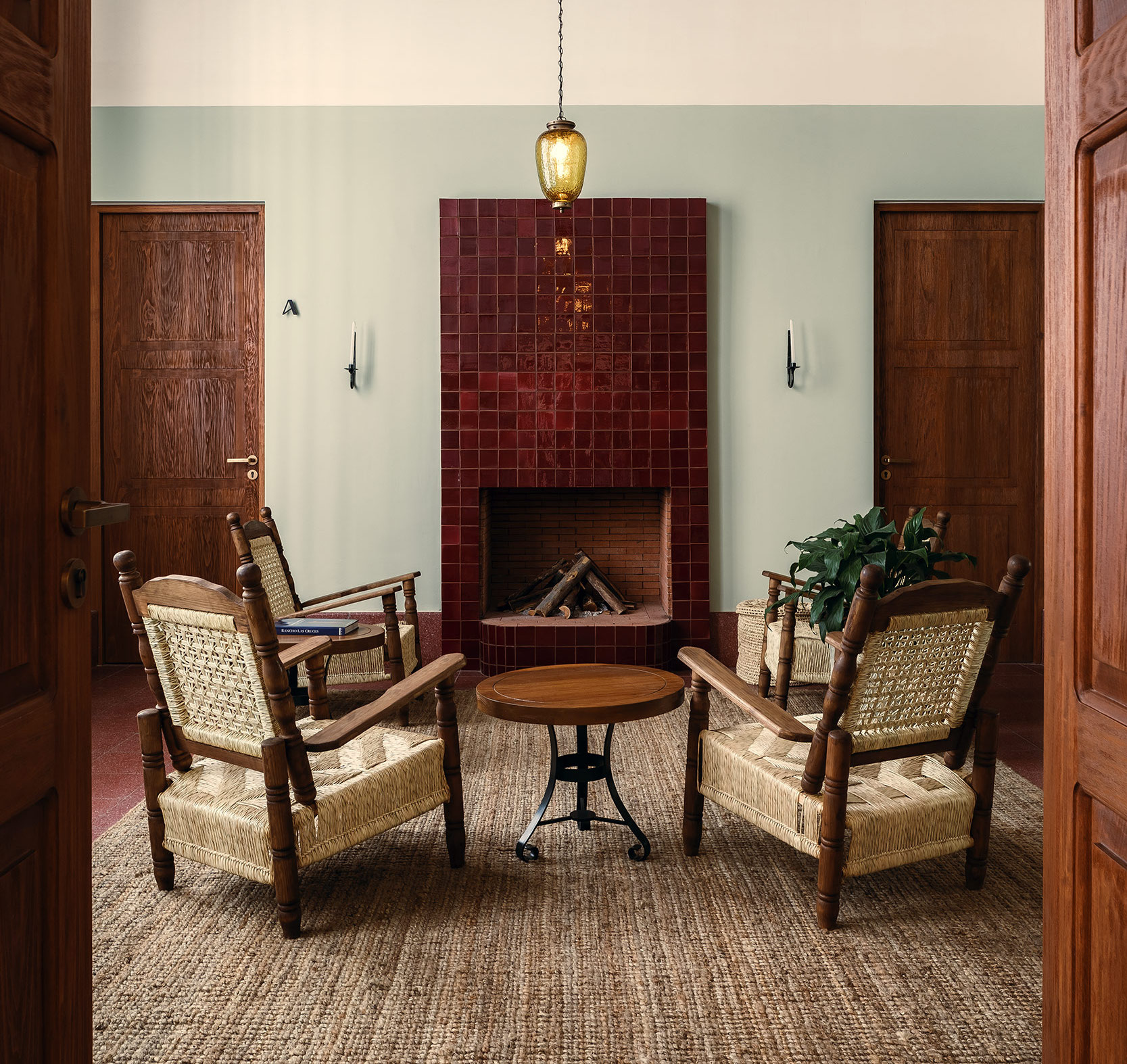
Minimalism isn’t gone; it just had a snack and took a nap. The new version isn’t stark or chillyit’s “warm minimalism” and “quiet luxury.” Design reports for 2024 and 2025 note a clear shift from icy whites and cool greys toward creams, taupes, ochre, oxblood, deep terracotta, and muted greens. These richer hues pair beautifully with natural wood, stone, and linen, and they lend rooms what some designers call “grounded luxury”: subtle, calm, but not boring.
Instead of big branded logos and flashy finishes, quiet luxury leans on quality: solid hardware, real wood cabinetry, heavy linen curtains, wool rugs, and fixtures you don’t need to replace every five years. The palette is soft, but the details are seriousthink unlacquered brass, honed stone, and plaster walls instead of high-gloss everything.
2. Elevated Naturalism and Biophilic Design
The other major theme in forecasts is elevated naturalism: spaces that feel deeply connected to nature without looking like a camping store. Trend reports for 2025 call out raw wood, veined marble, clay, ceramic, wicker, and natural textiles as must-have materials.
Biophilic designbringing nature into our interiorscontinues to grow up. This isn’t just about adding a single sad fiddle-leaf fig. It’s about:
- Using honey-toned or oak floors instead of engineered cool-grey planks.
- Choosing limewash or mineral-painted walls that reference stone and earth.
- Layering linen, cotton, wool, and jute for tactile warmth.
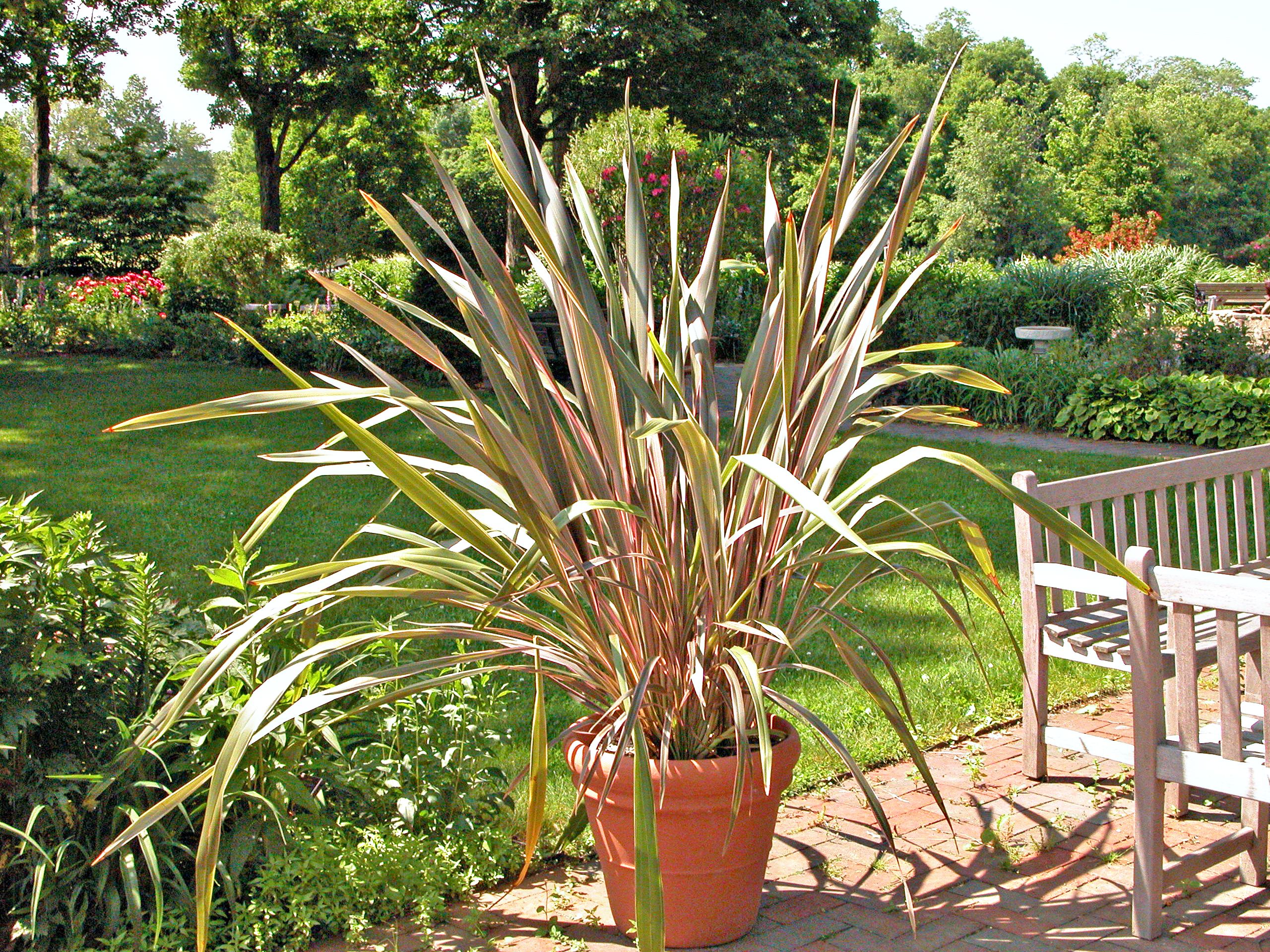
- Designing sightlines to greenery: a window seat overlooking a courtyard, a skylight over the shower, a little herb shelf by the kitchen sink.
The net effect is homes that feel restorative, not performativeplaces that slow your nervous system instead of increasing your screen time.
3. Cozy Nostalgia and Lived-In Layers
Alongside warm minimalism, another current obsession is what some editors call “cozy nostalgia”: interiors that look like someone you like has actually lived there for decades. Recent features show layered textiles, inherited furniture, patterned wallpapers, and shelves full of books and collected objectsthe opposite of the “just moved in and staged for a listing” vibe.
Remodelista’s own “Layered and Lived-In” features echo this: homes in which patina is not a problem to fix but the whole point. Picture a simple wood table with a few knife marks, a slipcovered sofa, a lamp bought at a flea market next to a sober designer chair. The result is relaxed and deeply personal, not random or cluttered.
Color Forecast: From Cloud Whites to Trellis Greens
Color forecasters and paint brands are signaling a clear direction for the coming years: soothing, atmospheric palettes that feel like a deep exhale. Rich, moodier tonesochre, oxblood, teal, forest greenare sticking around, especially paired with natural materials and warm metals. At the same time, off-whites and soft neutrals are being recalibrated: more cream and “cloud” white, less stark gallery white.
Interiors coverage for 2025 highlights three major color stories you’ll see in Remodelista-style spaces:
- Quiet neutrals. Chalky creams, warm off-whites, putty, and mushroom tones that provide a soft backdrop for art, wood, and textiles.
- Earth tones. Sand, clay, terracotta, cognac, rust, and olive greenpulled straight from the garden and the landscape.
- Deep accent hues. Inky blues, bottle greens, aubergine, and cumin-like yellows, used sparingly in small rooms, cabinetry, or interior doors.
If you’re trend-curious but cautious, start with doors, trim, or a single room (like a powder bath or entry) in a deeper tone while keeping main living areas in calm neutrals.
Texture, Materials, and Finishes to Watch
Limewash and Plaster Walls
Nearly every recent design forecast agrees on one thing: flat, featureless drywall is overachieving in the “meh” category. Limewash paints, plaster effects, and wood paneling are having a real moment. These finishes add depth and movement, catching the light in subtle ways that a single coat of eggshell simply can’t match.
Remodelista has long championed these finishes for their craftsmanship and longevity. Limewash and plaster also have practical perks: they can soften imperfections, age gracefully, and in some cases even help regulate humidity. The overall look is soft, chalky, and quietly luxuriouslike living inside a very tasteful cloud.
Natural Woods, Mixed Metals, and Honest Surfaces
Warm woodsoak, ash, walnut, and even pine when handled simplyare crowd favorites in 2025 trend reports. Instead of heavy stains, designers are opting for light, natural finishes that showcase grain and texture. Cabinets, floors, ceiling beams, and built-ins all benefit from this softer, more natural approach.
Meanwhile, metal finishes are being mixed with less fear: a brushed nickel faucet with unlacquered brass knobs, or a blackened steel island paired with polished chrome pendants. The key is repetition and restraint: repeat each metal at least twice in a space so it looks intentional, not accidental.
Textiles: Linen, Bouclé, Grasscloth, and Layered Bedding
Textiles are carrying a lot of the design weight right now. Reports show continued enthusiasm for bouclé and sherpa upholstery, but in more tailored, less blob-like silhouettes. Linen is still the MVP for curtains, bedding, and tablecloths thanks to its relaxed drape and breathability.
Wallcoverings are also back, particularly grasscloth and textured wallpapers that add dimension without shouting. Combine that with a thoughtful bedding stackpercale sheets, linen duvet, wool blanketand you’ve basically created a Remodelista-approved “honey bedtime bundle” effect without needing to buy a whole new bedroom.
Room-by-Room Trend Forecast
Kitchens: Warm, European-Inflected, and Highly Functional
Kitchen trend reports and trade-show recaps tell a consistent story: the all-white, high-gloss kitchen is ceding the spotlight to spaces that feel more like furniture-filled rooms than sterile labs. Expect to see:
- Wood cabinetry in natural or mid-tone stains instead of bright white.
- Panel-ready or integrated appliances to reduce visual clutter.
- Stone or composite counters in warm creams, taupes, and subtle veining.
- Freestanding pieces (a vintage hutch, a farmhouse table) mixed in with built-ins.
- Open shelves used sparingly, styled with everyday stoneware and glassware.
It’s very “country house meets city cook,” with a strong European feel: simple hardware, honest materials, lots of light, and everything designed to actually be used, not just photographed.
Bathrooms: Spa Energy, Organic Shapes, and Green Hues
Bathrooms are trending toward spa-like calm, but not in a hotel-lobby way. Forecasts emphasize green and earthy palettes, natural stone or stone-look surfaces, and organic curves in tubs, sinks, and fixtures. Wood vanities (properly sealed, of course), limewashed walls, and textured tiles add warmth.
Details like linen shower curtains, woven baskets, and aged brass hooks keep things from feeling clinical. Think “monastery retreat with good water pressure.”
Living Spaces: Layered, Multi-Functional, and Collected
As more people work and relax at home, living rooms are doing triple duty: office, lounge, and social hub. Recent trend reports highlight multi-functional furniture (nesting tables, ottomans with storage), flexible lighting (portable lamps, plug-in sconces), and layered seating (benches, side chairs, floor cushions) as key players.
But the Remodelista touch is in how these pieces are edited. The goal isn’t maximal clutter; it’s a layered, thoughtful mix of new and old: a modern sofa, a vintage rug, a homemade quilt, maybe a piece of midcentury lighting found on an online marketplace. Nothing matches, but everything gets along.
How to Shop the Trend Forecast, the Remodelista Way
Buy Less, Choose Better
One of the most consistent messages across Remodelista’s coverage is that real style isn’t about volume, it’s about intention. Instead of buying every trending item in sight, focus on a few categories that make the biggest impact:
- Lighting: Swap builder-grade fixtures for simple, well-designed pendants, sconces, or table lamps.
- Textiles: Upgrade to natural-fiber bedding, curtains, and rugs that feel good underfoot and age gracefully.
- Surfaces: When you do remodel, pick honest materials you won’t regret in five years.
Mix High and Low
A very Remodelista move: pair a single investment piece (a great sofa, a handcrafted dining table) with humble, hardworking basics (IKEA shelves, a painted pine bench, thrifted chairs). High-low mixing keeps your home from feeling like a showroom, and it makes trends more affordable to try.
When a trend is still in the “crush” phase rather than “true love,” test it with lower-commitment items: a pillow in a new color, a lamp with a different metal, a small accent table in a new shape. If you’re still obsessed in a year, that’s your cue to commit more fully.
Prioritize Sustainability and Longevity
The latest interior design reports emphasize sustainable materials, longer product life cycles, and low-impact choices. That aligns perfectly with Remodelista’s long-standing philosophy of buying things once and using them for decades. Look for:
- Solid wood furniture over fast flat-pack pieces (or at least buy the best you can afford).
- Natural fiberslinen, wool, cotton, juteover synthetic, plastic-heavy alternatives.
- Vintage and secondhand finds that keep existing objects in circulation.
Your home will feel richer, and your design choices will outlast this year’s hashtags.
Living the Trend Forecast: Real-Life Experiences
It’s one thing to read about “warm minimalism” and “cozy nostalgia” and another thing entirely to live with them every single day. So what does a Remodelista-style trend forecast look like in practice, beyond the styled photos?
Imagine walking into a small city apartment on a rainy evening. The walls are painted a soft mushroom rather than bright white. It’s a subtle change, but it immediately makes the space feel less like a rental and more like a retreat. The sofa is slipcovered in washable linen; there’s a wool blanket tossed over the arm. A vintage wooden trunk serves as a coffee table. None of these pieces match, yet they share a common language: natural materials, simple shapes, and a bit of patina.
The kitchen, visible from the living room, is compact but thoughtfully set up. Instead of glossy white cabinets, there are warm wood fronts and a single open shelf that holds daily dishesstoneware bowls, stackable mugs, a small enamel teapot. The counter is not Instagram-perfect; there’s a bowl of lemons, a French press, and a well-loved cutting board. But it all feels intentional, not chaotic. This is elevated naturalism at work: calm, functional, and visually warm.
In the bedroom, the trend forecast shows up in layers rather than statements. The walls are a chalky off-white that shifts gently with the light. The bed is dressed in a mix of crisp percale and linen, with a wool throw at the foot. Grasscloth on one accent wall adds texture without shouting. A pair of mismatched bedside tablesone vintage, one newcreates that lived-in, collected feel that Remodelista loves. A small reading lamp casts a warm pool of light on a paperback novel and a little ceramic dish for jewelry.
The real test of these trends isn’t how they photograph; it’s how they function on a Tuesday. Warm minimalism means you can toss a jacket on the chair and it still looks okay. Cozy nostalgia means that when a friend drops by with takeout, there’s a place for them to sit, a real glass for their drink, and a lamp you can switch on without needing an app. Elevated naturalism means that when you open the window, the breeze ruffles linen curtains instead of synthetic blinds.
Over time, living with these “current obsessions” tends to change how you shop and decorate. You start asking different questions: Will this age well? Does it feel good to touch? Would I still want this if it never appeared in a single photo online? A cheap, wobbly side table that looked cute in your cart suddenly feels… less compelling. A solid, secondhand oak table, on the other hand, starts to feel like the biggest bargain of all.
You also learn that the best trends are often invisible to guests. They notice that your home feels calm, that the colors don’t glare at them, that there’s a sense of coherence. They may not be able to pinpoint that it’s the limewashed wall, the unlacquered brass, or the warm white lamp shades doing the heavy liftingbut you will. And once you’ve experienced that kind of quiet, thoughtful design, it’s hard to go back to a space built on impulse buys and scroll-driven decisions.
That, ultimately, is the Remodelista version of a trend forecast: not a list of “must-buys,” but a nudge toward homes that support your life, honor good materials, and get bettermore yourswith every year. Today’s “current obsessions” are simply tomorrow’s classics, discovered a little early.