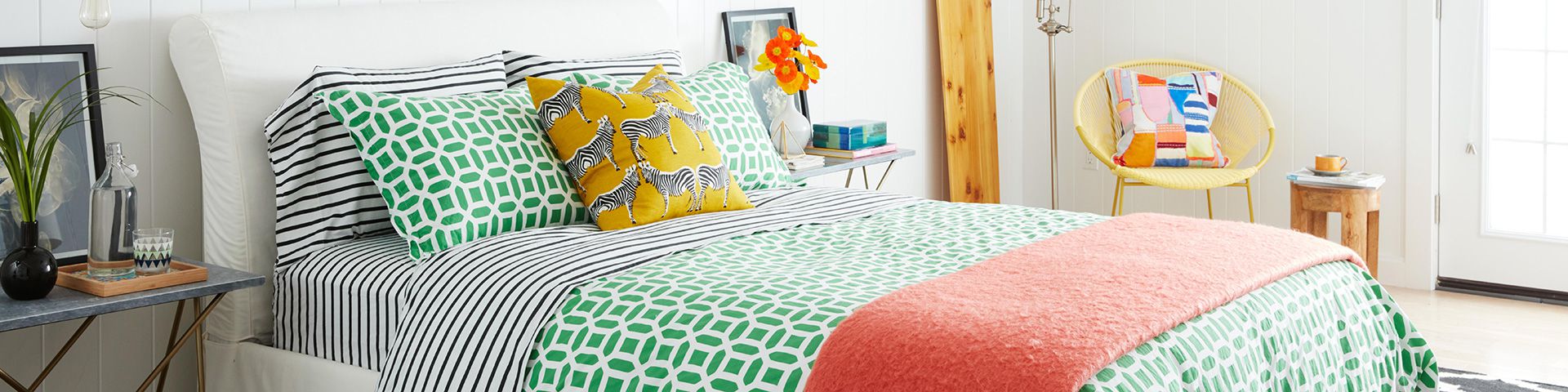
Decorating is basically the art of making a room look like you have your life togethereven when your “junk drawer”
has a junk drawer. The good news? Great design isn’t a secret club with a velvet rope. It’s a set of repeatable moves:
choose a direction, build a smart layout, layer comfort, and add personality in a way that feels intentional (not like
your home got dressed in the dark).
Better Homes & Gardens has long treated decorating as a practical joy: approachable ideas, room-by-room solutions,
and classic principles that work in real homes with real budgets. This guide pulls together those BHG-style basics,
plus expert-backed tips from other trusted U.S. home and lifestyle outlets, to help you design spaces that are
functional, warm, and unmistakably you.
Start With the “Why”: How You Want the Room to Feel
Before you buy a single throw pillow (or your 19th, no judgment), decide what the room is for and how it should feel.
Calm and cozy? Bright and energizing? Social and flexible? When you name the vibe, every decision gets easier:
color, lighting, layout, and even the kind of clutter you’re willing to tolerate.
A quick reality check
- Function first: A gorgeous living room that has nowhere to put a drink is just an expensive waiting room.
- Flow matters: If people have to shimmy sideways to cross the room, your furniture arrangement is the villain.
- Comfort is a design feature: If it looks great but feels bad, it’s not done.
Pick a Decorating Style (Without Getting Trapped by It)
You don’t need to “be” one style forever. Most beautiful homes are mixedbecause people are mixed. The trick is
making the mix look curated, not chaotic.
How to mix styles like you meant to
- Use a unifying thread: repeat a color family, wood tone, metal finish, or furniture silhouette.
- Balance eras: pair one statement vintage piece with clean-lined modern basics so nothing fights for attention.
- Keep the big pieces calmer: let sofas, rugs, and major casegoods be the “steady” layer; have fun with art and accents.
Think of your home like a playlist: a few genres can work together if the tempo isn’t all over the place. (Your couch
shouldn’t be death metal while your coffee table is smooth jazz.)
Layout: The Fastest Way to Make a Room Feel Better
If design had a cheat code, it would be furniture placement. You can upgrade a room without buying anything by
improving traffic flow, anchoring seating, and making conversation areas feel intentional.
Traffic flow rules that save relationships
- Keep clear pathways: aim for about 3 feet of clearance on main walkways when possible.
- Float furniture when it helps: not everything needs to hug the wallespecially in living rooms.
- Create zones: reading corner, conversation area, work nookespecially in open layouts.
Example: Fixing an awkward living room
If your sofa is pressed against the wall and the chairs are scattered like they’re avoiding commitment, try this:
pull the sofa forward a few inches, place a rug large enough that at least the front legs of seating sit on it,
and angle one chair slightly toward the sofa. Add a side table for every seat that needs one. Suddenly you have a
“room” instead of “furniture storage.”
Color: Make It Feel Designed, Not Just Painted
Color is where a room gets its mood. And you don’t have to choose between “boring beige” and “I accidentally joined
a circus.” The sweet spot is a palette with structure.
Easy palette strategy
- Choose a base: warm neutral, soft white, or gentle earth tone that plays well with your fixed finishes.
- Add a supporting color: a deeper or cooler shade for contrast (think: olive, navy, terracotta, charcoal).
- Pick an accent: something punchy you can swap seasonally (pillows, art, vase, lampshade).
Complementary colors can make a room pop when you want energylike pairing blue with rust, or green with blush.
If that sounds scary, use the bold color in smaller doses: art, a throw, a lamp, or even a painted interior door
for a surprising upgrade that doesn’t overwhelm the walls.
Pattern and Texture: The Difference Between “Nice” and “Wow”
Pattern is visual rhythm. Texture is visual comfort. Together, they prevent rooms from feeling flatespecially
if you love neutrals or minimalist shapes.
Pattern mixing that won’t melt your brain
- Use different scales: one large pattern (rug), one medium (curtains), one small (pillows).
- Share a color family: patterns can clash in motif but still harmonize if colors relate.
- Let solids “breathe”: give the eye places to rest (a solid sofa next to patterned pillows works wonders).
Pattern drenching (yes, it’s a thing)
If you love maximalist drama, pattern drenching wraps a room in coordinated patternwallpaper, textiles, maybe even
upholsteryso it feels immersive, not random. The key is cohesion: patterns that “speak the same language” through
shared colors and a consistent vibe.
Lighting: Layer It Like You Mean It
Good lighting is the difference between “cozy evening” and “interrogation scene.” Many design pros lean on layered
lighting: combining overhead light, task light, and accent light at different heights so the room feels flexible and
flattering.
A simple layered-lighting recipe
- Ambient: ceiling fixture or a pair of lamps that fill the room with general light.
- Task: reading lamp, under-cabinet lighting, desk lamplight where work happens.
- Accent: sconces, picture lights, or a small lamp that highlights art, texture, or architecture.
The “Unexpected Lamp” trick
One of 2025’s buzziest design hacks was the idea of adding an “unexpected” lampsomething quirky, oversized, sculptural,
or in a surprising spot (like a bathroom counter or a lonely corner that needs personality). It’s a playful way to add
character without renovating anything.
Small Spaces: Make Them Feel Bigger (Without Lying to Yourself)
Small rooms can be stunning when they’re intentional. The goal isn’t to pretend your apartment is a ballroom; it’s to
make every inch work harder and look better doing it.
Small-space moves that actually help
- Go round: a round or oval dining table can improve flow in tight eat-in kitchens.
- Use double-duty pieces: storage ottomans, nesting tables, benches with baskets underneath.
- Choose visually light furniture: open legs, glass/acrylic accents, slimmer silhouettes.
- Vertical strategy: tall shelves, stacked art, and higher curtain placement draw the eye up.
Trends Worth Noticing (and How Not to Regret Them Later)
Trends are fun. Regret is expensive. The smartest approach is to treat trends like hot sauce: a little can be amazing;
dumping the whole bottle in your lap will ruin your day.
What’s been sticking around in 2025 (and heading into 2026)
- Warmer palettes and earth tones: inviting, grounded color families instead of icy all-white everything.
- Curves and softer shapes: rounded sofas, sculptural chairs, and organic silhouettes.
- Defined spaces: more interest in rooms with purpose, not endless open-concept everything.
- Craft and personality: hand-done details, collected objects, and homes that feel personal.
- Immersive pattern: bold wallpapers, color drenching, and richly layered textiles (done thoughtfully).
Trends to approach carefully
- “Too much, too fast” millwork: paneling and trim can look amazingor look like a costume.
- Oversized statement lighting with bad proportions: big can be beautiful, but scale matters.
- Overdone arches: charming when it fits the architecture; awkward when it doesn’t.
A Room-by-Room Mini Playbook
Living room
- Anchor seating with a rug and a clear conversation zone.
- Layer lighting: overhead + table/floor + one accent source.
- Add one “personality piece” (art, lamp, vintage chair) to avoid showroom vibes.
Kitchen
- Use color strategically: cabinetry, a painted island, or a backsplash with character.
- Keep counters calm: display a few beautiful essentials; hide the rest.
- Warm it up with natural materials (wood, stone, woven accents).
Bedroom
- Think “cocoon”: softer lighting, layered bedding, and soothing colors.
- Repeat one texture at least twice (linen curtains + linen pillowcases).
- Let the nightstands do real work: storage, lighting, and a landing spot.
Bathroom
- Upgrade with small changes: better mirror, warmer lightbulbs, tidy storage, and one statement detail.
- Try an unexpected lamp or sconce pairing for charm (yes, even here).
- Use textiles strategically: plush towels and a washable rug add instant comfort.
Design on a Budget: The “Big Pieces, Small Experiments” Rule
If you want a space to look elevated without spending like you have a secret yacht, keep the foundation timeless and
experiment in the accents.
- Invest (when you can): sofa, mattress, rug, and good lightingitems you touch daily.
- Experiment: paint, hardware, pillows, art, thrift finds, and fun lampshades.
- Thrift smart: mix vintage and new for a collected look; focus on quality shapes and materials.
Decluttering: The Decorating Step People Skip (Then Wonder Why It’s Not Working)
Styling on top of clutter is like putting sprinkles on a sandwich. (Technically possible. Emotionally confusing.)
Decluttering doesn’t mean minimalism; it means making room for what you actually want to see.
Make it easier on yourself
- Start small: one drawer, one shelf, one surface.
- Use the “camera crew” trick: imagine your favorite home magazine is shooting tomorrowwhat would you hide?
- Give items a home: the prettiest basket is still a tool. Let it do its job.
Real-World Decorating Experiences: Lessons That Actually Worked
Over time, the most useful decorating “experience” is realizing that the room will teach you what it needsif you pay
attention. One of the first lessons I learned (the hard way) is that buying decor before solving layout is like buying
a tie before you own a shirt. I once tried to “fix” a living room with pillowseight of themwhile the sofa was blocking
the natural walkway. The result? A beautiful obstacle course. The moment I pulled the sofa forward, added a rug that
truly anchored the seating, and gave the chairs a clear relationship to the coffee table, the entire space calmed down.
Same furniture. Same budget. Better decisions.
Another surprisingly effective experience-based rule: lighting is emotional. I used to rely on one overhead fixture
and wondered why evenings felt harsh and flat. When I finally layered the lightingone floor lamp near the sofa for
reading, a table lamp on a sideboard, and a small accent light aimed at artworkthe room started feeling “designed.”
It wasn’t brighter; it was kinder. That’s the trick: layered lighting gives you options. You can host, relax, work, or
watch a movie without changing the roomjust the mood.
I’ve also learned that color confidence grows in small steps. If painting a whole room feels intimidating, start with a
door, a powder room, or even the back of a bookshelf. A friend once painted interior doors a moody, inky tone while
keeping walls neutral; it made the whole house feel more intentional, like the architecture got a tailored suit. Another
time, we used a complementary color pairing in a subtle wayblue-gray walls with warm rust accents in art and textiles.
It read sophisticated, not loud, because the bold color was “portable.” If we ever got tired of it, we could swap it out
without repainting the universe.
Pattern, too, became easier once I stopped trying to “match” everything. The breakthrough was thinking in scales: one
larger motif, one medium, one small, and plenty of solids. In a tiny bedroom, a larger patterned rug became the hero,
while the bedding stayed mostly solid with a small-print pillow that echoed the rug’s color. It looked curated, not busy.
And when I experimented with a more maximal look (pattern-heavy curtains plus a patterned chair), keeping the patterns in
the same color family saved the day. The room felt layered instead of chaoticlike a well-made outfit that’s interesting
up close, not a costume from across the street.
Finally, the most honest decorating lesson: clutter is louder than any paint color. I’ve seen beautiful rooms feel
stressful simply because surfaces were overloaded. A quick “reset” habitclearing one main surface nightly, giving
mail a defined spot, and using baskets to corral loose itemsmade the space feel more peaceful than any decor haul.
Decorating isn’t only about adding; it’s also about editing. When you remove what doesn’t belong, the pieces you love
finally get to be the main character.
Conclusion: Your Home, But Make It Livable
The best decorating advicewhether you’re inspired by Better Homes & Gardens or your own saved screenshotsboils
down to this: build a functional foundation, choose a cohesive palette, layer lighting and texture, and let personality
show up in thoughtful, repeatable ways. Trends can be fun, but comfort and intention are what make a space feel like home.