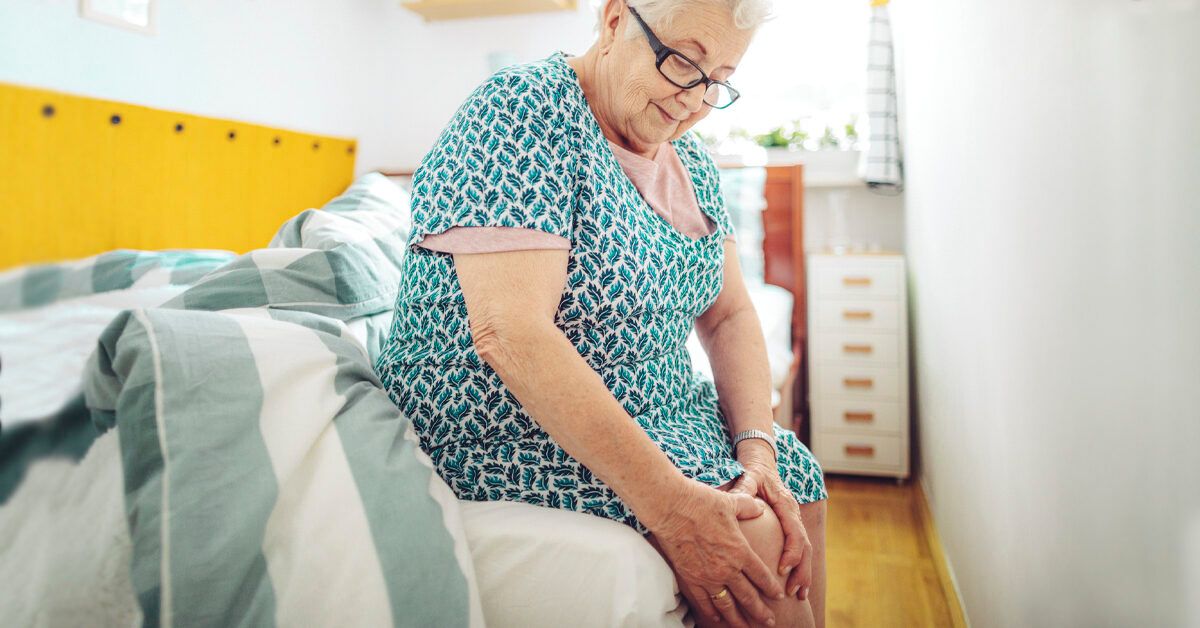
Severe knee pain has a special talent: it can turn a normal day into a one-legged adventure with zero warning.
One minute you’re fine, the next you’re negotiating with a staircase like it’s a final boss.
The tricky part is that “knee pain” isn’t one problemit’s a whole neighborhood of possible issues packed into one
hardworking joint made of bones, cartilage, ligaments, tendons, and cushy little fluid-filled sacs called bursae.
This guide breaks down five of the most common causes of severe knee pain, what they typically feel like,
why they happen, and what usually helps. It’s written for real life (and real knees), with enough detail to help you
make sense of symptomswithout pretending an internet article can replace an in-person exam.
If your knee is screaming, think of this as a map, not a diagnosis.
Quick Triage: When Severe Knee Pain Needs Urgent Care
Some knee pain can wait for a regular appointment. Some knee pain should not.
If any of the signs below are happening, treat it as urgent and get medical care promptly.
- You can’t bear weight or the knee feels like it will buckle every time you stand.
- Major swelling that appears quickly after an injury (especially within hours).
- Visible deformity (it looks “out of place”), or you heard/felt a pop and now it’s unstable.
- Fever, redness, warmth, and severe painespecially if the knee is stiff and hard to move.
- Numbness, tingling, coldness, or color change in the foot (circulation/nerve concerns).
- An open wound near the joint or spreading redness.
Translation: if the knee is intensely painful and you’re seeing signs of infection, a serious injury, or
circulation/nerve issues, don’t “walk it off.” That’s not gritthat’s gambling.
Cause #1: Ligament Sprain or Tear (ACL/MCL and Friends)
Ligaments are the tough bands that stabilize the knee. When one gets overstretched (sprain) or torn, the pain can be
intense, and the joint may feel unstablelike it can’t be trusted with basic tasks, such as turning around in the kitchen.
What it often feels like
- A sudden injury during cutting, pivoting, landing, or a collision (sports are common, but so is slipping on a wet floor).
- A “pop” sensation, followed by swelling (often within 24 hours for ACL injuries).
- Instability: the knee feels like it’s giving way.
- Loss of full range of motion and pain with walking.
Why it happens
The ACL (anterior cruciate ligament) is commonly injured during quick direction changes or awkward landings.
The MCL (medial collateral ligament) is often hurt by a blow to the outer knee or a force pushing the knee inward.
Sometimes, multiple structures are injured at once (because the knee loves teamworkjust not the good kind).
What usually helps
- Immediate swelling + instability after trauma often needs medical evaluation.
- Early care commonly includes rest from aggravating activity, ice, compression, elevation, and guided rehab.
- Physical therapy focuses on restoring strength and control around the knee.
- Some complete tears (especially ACL tears in active people) may require surgery, depending on goals and instability.
One important point: swelling and pain can ease over time even with a serious ligament injury. That doesn’t mean the knee is “fine.”
It can still be unstable and at risk for additional damageespecially to the meniscus.
Cause #2: Meniscus Tear (Torn Cartilage Cushion)
Each knee has two menisciC-shaped pads of cartilage that act like shock absorbers between the thigh bone and shin bone.
A torn meniscus is one of the most common knee injuries, and it can absolutely cause severe painespecially if the tear
catches in the joint and makes the knee lock.
What it often feels like
- Pain along the joint line (often inside or outside of the knee).
- Swelling and stiffness, sometimes developing over the first day.
- A catching, locking, or “stuck” sensation.
- Trouble fully straightening the knee.
How it happens (two common storylines)
Traumatic tear: a forceful twist or rotation while weight-bearing (think pivoting, squatting, or lifting something awkward).
Degenerative tear: the meniscus frays over time and can tear with a smaller movementmore common as we age or alongside arthritis.
What usually helps
Treatment depends on the type of tear, symptoms, and how much the knee is mechanically “misbehaving.”
Many people start with conservative care: reducing aggravating activity, managing swelling, and doing targeted strengthening.
For degenerative meniscus tears, supervised exercise/physical therapy is commonly recommended as a first step, and research has found
that rehab can produce results comparable to some surgical approaches for many patients.
If your knee is truly locked (you can’t straighten it), or you have significant instability/swelling after injury, that’s a strong reason to get evaluated.
Cause #3: Knee Osteoarthritis (When the Joint Surfaces Wear Down)
Knee osteoarthritis is often described as “wear and tear,” but it’s more accurate to call it a whole-joint condition.
Over time, cartilage can break down, bone shape can change, inflammation can increase, and movement may become painfulespecially during flare-ups.
What it often feels like
- Deep aching pain that can become severe, especially after activity or long periods on your feet.
- Stiffness, often worse after rest or in the morning (usually improves after some movement).
- Swelling and reduced range of motion.
- Grinding, crackling, or a “grating” sensation with movement (crepitus).
- Flares: days where pain and swelling suddenly ramp up and everyday tasks feel harder.
Why it happens
Risk tends to rise with age, prior injuries (like meniscus or ligament damage), repetitive high-load use, body weight that increases joint stress,
and joint alignment or biomechanical factors. It’s also common for osteoarthritis to coexist with other issuesso pain may have more than one driver.
What usually helps
- Strength training and physical therapy (especially for quadriceps and hip muscles) to improve joint support.
- Activity modification: swap some high-impact exercise for lower-impact options (cycling, swimming, walking on flatter terrain).
- Weight management when relevantsmall changes can reduce knee load meaningfully.
- Medications and other treatments may be considered based on symptoms and medical history.
- In advanced cases, surgical options may be discussed when pain and function are severely affected.
If osteoarthritis is the “background music,” flare-ups are when someone turns the volume way up.
The goal is to calm the flare, keep the joint moving safely, and build the strength that prevents the next encore.
Cause #4: Patellofemoral Pain Syndrome (Runner’s Knee)
Patellofemoral pain syndrome (PFPS) is pain around or behind the kneecap. Despite the nickname “runner’s knee,” it can happen to
runners, jumpers, hikers, people who squat a lot for work, and people who sat too long and then tried to stand up like nothing happened.
What it often feels like
- Achy pain in the front of the knee, around the kneecap.
- Pain when going up/down stairs, squatting, kneeling, or after sitting with the knee bent for a long time.
- Sometimes rubbing, grinding, clicking, or a “crunchy” feeling around the kneecap.
Why it happens
PFPS is often linked to overuse and biomechanicshow the kneecap tracks over the femur and how the hip, thigh, and foot mechanics influence that tracking.
Weak hip muscles, tight quads/hamstrings, sudden training increases, and footwear or running form changes can all contribute.
What usually helps
- Temporarily reducing painful activities (yes, even if your training plan is emotionally attached to you).
- Targeted strengtheningespecially hips and quadricepsplus flexibility work as needed.
- Cold packs, compression, and elevation can help calm irritation after activity.
- Gradual return to running/jumping with smart progression.
PFPS can feel dramatic, but it’s often very treatable with the right plan. The key is to stop poking the bear (or, in this case, the kneecap)
and rebuild the support system around it.
Cause #5: Bursitis or Tendinitis (Inflamed Cushion or Tendon)
If your knee pain feels intense and localizedespecially with swelling in a specific spottwo common culprits are
bursitis (inflamed fluid sacs) and tendinitis (inflamed or irritated tendons).
Bursitis: when the “padding” gets angry
Bursae are small fluid-filled sacs that reduce friction. When a bursa gets irritatedoften from frequent kneeling, direct pressure, overuse, or a bump
it can swell and become painful. Prepatellar bursitis (in front of the kneecap) is a classic example.
- Swelling at the front of the knee (sometimes obvious and puffy).
- Pain with kneeling or pressure.
- Symptoms often improve with rest, ice, compression, and elevation.
Important: if the area is very warm, red, increasingly painful, or you have fever, the bursa can be infectedanother reason to get checked quickly.
Tendinitis: when the “rope” gets overloaded
Tendons connect muscles to bone. Patellar tendinitis (jumper’s knee) often causes pain between the kneecap and where the tendon attaches
to the shinbone. It may start as pain during or after jumping, running, or hard workouts, and can worsen until normal daily movements (stairs, standing up)
feel unpleasant.
- Pain with jumping, running, stairs, or getting up from a chair.
- Tenderness around the patellar tendon area.
- Symptoms often respond to load management, rehab exercises, and gradually rebuilding capacity.
How a Clinician Narrows Down the Cause
Because “severe knee pain” has many possible explanations, clinicians usually start with a few practical questions:
How did it start? Where exactly is the pain? Is there swelling?
Any locking, catching, or instability? Any fever or redness?
Common clues that matter
- Sudden injury + pop + swelling + instability: think ligament injury (often ACL) or major internal damage.
- Twist + joint line pain + catching/locking: meniscus becomes more likely.
- Gradual aches, stiffness after rest, crepitus: osteoarthritis climbs the list.
- Front-of-knee pain with stairs/squats/sitting: PFPS is a frequent suspect.
- Focal swelling over the kneecap or tendon pain with jumping: bursitis or tendinitis often fits.
Imaging isn’t always step one. Depending on the situation, evaluation may include a physical exam, X-rays (especially if fracture is a concern),
and sometimes MRI for soft tissue injuries. The goal is to rule out urgent problems and match treatment to the most likely source of pain.
What You Can Do Today (Without Accidentally Making It Worse)
If you’re dealing with severe knee pain and you don’t have emergency signs, the best early plan is usually:
calm things down, protect the joint, and then rebuild strength and motion in a smart way.
Smart self-care basics
- Relative rest: avoid the movements that trigger sharp pain (but don’t aim for total immobility unless advised).
- Ice: helpful for pain and swelling in many injuries (especially after activity).
- Compression and elevation: can help reduce swelling.
- Gentle range of motion: when tolerable, to prevent stiffness from taking over the joint.
- Over-the-counter pain relief: may help some people, but use as directed and consider your health history.
A quick reality check about braces and supports
A brace can feel comforting, and sometimes it’s genuinely usefulespecially for instability.
But a brace isn’t a substitute for strength, control, and rehab. Think “seatbelt,” not “self-driving car.”
When to book a visit even if it’s not an emergency
- Pain is severe or not improving over 1–2 weeks despite reasonable self-care.
- Recurrent swelling, repeated “giving way,” or symptoms that limit walking and daily function.
- Mechanical symptoms like locking/catching that don’t settle down.
- You have a history of major knee injury or surgery and the knee suddenly worsens.
Prevention: Keeping Future-You Out of the “Knee Pain” Search Results
Knee pain prevention isn’t glamorous, but it’s effective. A few habits consistently show up in successful prevention plans:
build strength, increase activity gradually, and respect recovery.
- Strengthen hips and thighs: strong glutes and quads reduce stress at the knee.
- Progress training slowly: sudden mileage or intensity jumps are a classic PFPS and tendinitis setup.
- Warm up and move well: especially before cutting, pivoting, or jumping sports.
- Vary your activity: mix low-impact and higher-impact movement when possible.
- Be kind to your kneecaps: if your work requires kneeling, use padding and take breaks.
No plan prevents every injury. But good mechanics and strong support muscles make the knee far more resilientlike upgrading from “paper umbrella”
to “actual roof.”
Experiences: What Severe Knee Pain Looks Like in Real Life (5 Composite Stories)
The stories below are compositesbased on common patterns clinicians and patients reportso you can see how these causes often show up
outside of a perfectly lit anatomy diagram.
1) The Pivot-and-Pop Moment (Ligament Injury)
A teen soccer player plants to change direction, feels a loud pop, and the knee swells like it has its own agenda.
By evening, stairs feel impossible and the knee “gives out” during a careful walk to the bathroom.
The surprise twist: a few days later, pain is better, so they consider returning to practiceuntil a clinician explains that reduced pain
doesn’t automatically mean the knee is stable. Rehab begins, with a plan to rebuild strength and decide whether surgery is needed based on instability
and sports goals. Moral of the story: the knee can be quiet while still being unsafe.
2) The “Why Is My Knee Stuck?” Weekend Warrior (Meniscus Tear)
Someone spends Saturday moving boxes, does a deep squat with a twist, and feels a sharp jab inside the knee.
Sunday morning arrives with stiffness and a weird catching sensationlike the knee is briefly snagging on something.
They can walk, but turning or squatting feels risky, and once the knee won’t fully straighten for a moment.
Physical therapy focuses on swelling control and strengthening. Over time, function improves, and the big win is learning
how to avoid repeat twisting under load. Moral: if the knee is catching or locking, don’t ignore it.
3) The “Weather App Says Pain” Flare (Osteoarthritis)
A middle-aged parent with occasional knee aches notices a sudden flare after a long day on their feet.
The knee feels swollen, stiff after sitting, and creaky going downstairs. They start avoiding movement, which backfires:
stiffness increases, and the leg feels weaker. With guidance, they shift to gentle motion, strengthening, and low-impact activity.
They also learn that flare management is about calming inflammation and keeping the joint from deconditioning.
Moral: with arthritis, doing nothing often makes “something” worse.
4) The New Runner’s Staircase Betrayal (Patellofemoral Pain)
A new runner ramps up quicklynew shoes, new route, big motivation. The knee doesn’t complain during the run at first,
but the next day, stairs feel like punishment. The pain sits right in the front of the knee, around the kneecap,
and shows up after sitting through a movie like it’s been waiting for the credits.
They scale back running, strengthen hips and quads, and return gradually with fewer flare-ups.
Moral: PFPS is often a “load management + strength” puzzle, not a “push harder” challenge.
5) The Home-Improvement Hangover (Bursitis/Tendinitis)
A DIY enthusiast spends a weekend kneeling on hard floors installing tile. By Monday, the front of the knee is puffy and tender,
and kneeling is now officially a terrible idea. Ice and compression help, and they learn the value of knee pads (a simple tool that feels
suspiciously like cheatinguntil you try it). In a separate but common scenario, another person develops patellar tendon pain after adding
jump training too fast; the fix is reducing load and rebuilding gradually. Moral: your knee loves ambition, but it also loves padding and pacing.
Final Thoughts
Severe knee pain is commonand it’s also a signal worth respecting. Ligament injuries, meniscus tears, osteoarthritis, patellofemoral pain syndrome,
and bursitis/tendinitis are frequent causes, each with its own pattern of symptoms and best next steps.
If you’re unsure, can’t bear weight, have significant swelling, mechanical locking, or any fever/redness/warmth, get evaluated promptly.
The earlier you match the problem to the right plan, the sooner your knee can stop acting like a drama critic reviewing every step you take.