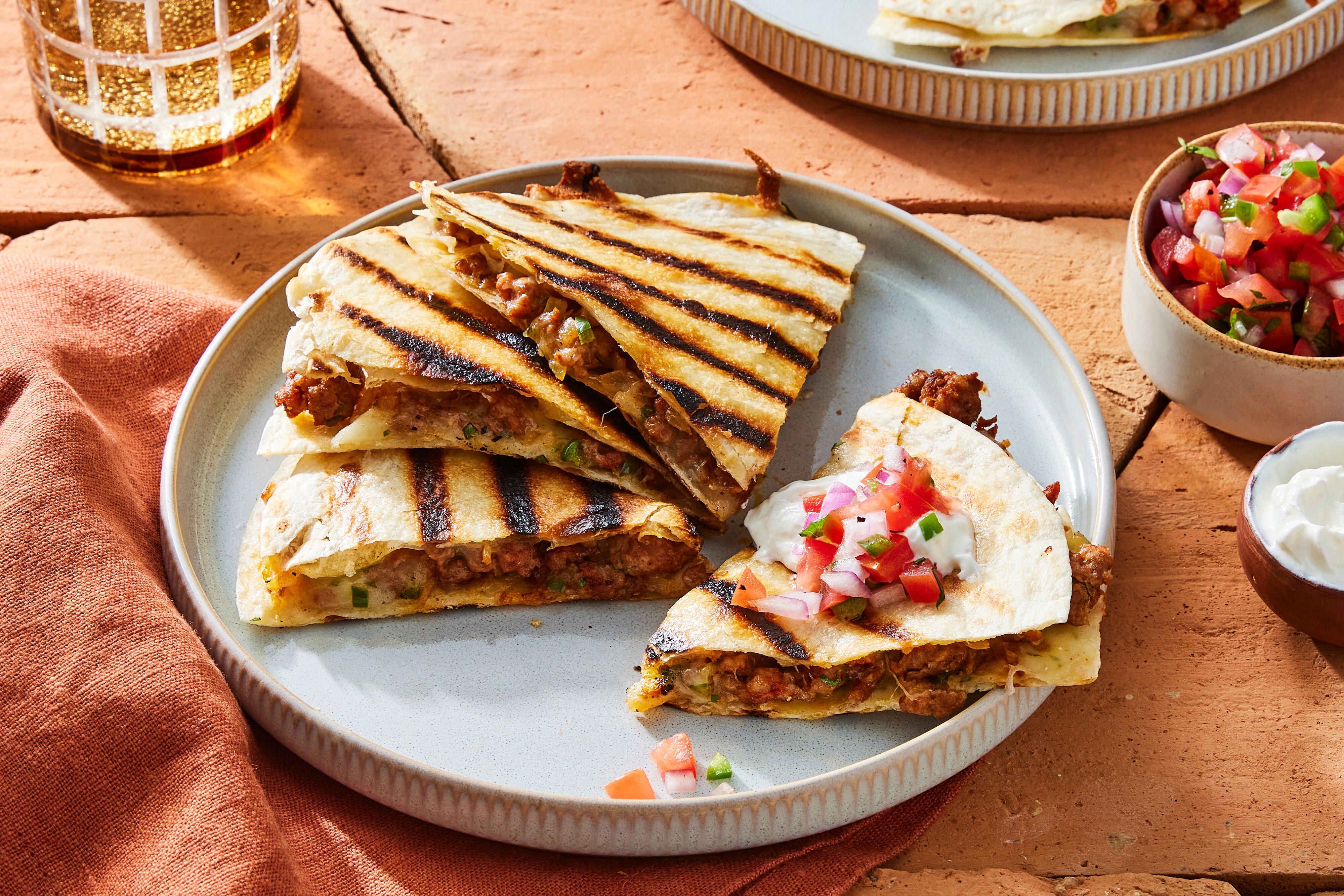
If weeknights had a mascot, it would be a quesadilla: fast, forgiving, and wildly good at turning “I have groceries” into “I have dinner.” This version brings the big personalitysavory chorizo, puddles of melted cheese, and a tortilla that crisps like it’s auditioning for a snack commercial.
Below you’ll get a foolproof, 15-minute method, plus smart ingredient swaps (because the fridge is not a wish-granting genie) and tips to keep your quesadilla crispynot greasy.
Why This Chorizo Quesadilla Works (Even If You’re Tired)
- Fast flavor: Chorizo brings instant seasoninggarlic, spices, chileso you don’t need a long ingredient list.
- Cheese does the glue job: Melted cheese keeps fillings in place and makes flipping less stressful.
- Simple technique, big payoff: Moderate heat + the right assembly = golden tortilla and fully melted cheese.
- Flexible: Make it mild, spicy, meaty, or vegetarian with easy swaps.
Ingredients
This recipe makes 2 large quesadillas (or 4 smaller wedges for people who “just want a little bite” and then mysteriously eat half of yours).
Core Ingredients
- Tortillas: 2 large (10–12 inch) flour tortillas (or 4 medium 8-inch tortillas)
- Chorizo: 8 ounces (about 1/2 pound)
- Cheese: 2 cups shredded melting cheese (about 8 ounces)
- Fat for crisping: 1–2 teaspoons butter or neutral oil (optionalmore on this in the tips)
Flavor Boosters (Pick 1–3)
- 2 tablespoons diced onion (or sliced scallions)
- 1 small jalapeño, minced (remove seeds for less heat)
- 1/2 teaspoon smoked paprika (especially good with milder chorizo)
- 1/2 cup drained canned black beans (rinsed)
- 1/2 cup sautéed bell peppers or corn
- 2 tablespoons chopped cilantro
For Serving
- Salsa or pico de gallo
- Sour cream or Mexican crema
- Guacamole
- Lime wedges
- Hot sauce (choose your own adventure)
Chorizo 101: Mexican vs. Spanish (Quick and Useful)
In many U.S. stores, “chorizo” can mean two different things:
- Mexican chorizo: typically sold raw (often in a tube or fresh links) and must be cooked. It turns crumbly, richly spiced, and releases flavorful fat.
- Spanish chorizo: usually cured/smoked and firm, more like salami. It can be sliced or diced and warmed, but it doesn’t crumble the same way.
This recipe is written for Mexican chorizo because it creates the classic juicy, crumbled filling. If you’re using Spanish chorizo, jump to the “Variations” section for the best adjustment.
Best Cheese for Quesadillas
The goal is a cheese that melts smoothly and stretches a bit. Great options:
- Monterey Jack: mild, ultra-melty, and classic
- Oaxaca (quesillo): stretchy like mozzarella, very quesadilla-friendly
- Chihuahua or Asadero: creamy Mexican melting cheeses
- Cheddar: adds sharp flavor (best mixed with a meltier cheese)
- Pepper Jack: if you want the quesadilla to bite back
Pro move: Grate cheese yourself when you can. Pre-shredded is convenient, but it often contains anti-caking agents that can melt a little less smoothly.
Equipment
- Large skillet or cast-iron pan (10–12 inch)
- Spatula (wide helps)
- Paper towels (for blotting excess fat)
- Knife + cutting board
Easy Chorizo and Cheese Quesadilla Recipe (15 Minutes)
Recipe Snapshot
- Prep: 5 minutes
- Cook: 10 minutes
- Total: ~15 minutes
- Servings: 2 (or 4 snack-size)
Step 1: Cook the Chorizo
- Heat a skillet over medium heat.
- Add chorizo (remove casings if using links). Cook, breaking it up with a spatula, until browned and fully cooked, about 5–7 minutes.
- If there’s a lot of rendered fat, spoon off some or blot the chorizo briefly on paper towels. You want flavor, not an oil slick.
- If using onion or jalapeño, stir it into the chorizo for the last 1–2 minutes to soften slightly.
Step 2: Assemble (The Less-Mess Method)
For easiest flipping, build a folded half-moon quesadilla instead of a stacked “tortilla sandwich.”
- Wipe the skillet if it’s swimming in fat (a thin sheen is fine).
- Place one tortilla in the skillet over medium-low heat (this helps cheese melt before the tortilla burns).
- Sprinkle 1/2 cup cheese over half the tortilla.
- Add half the chorizo (and any extras like beans or peppers) in an even layer.
- Top with another 1/2 cup cheese (cheese on both sides acts like edible glue).
- Fold the tortilla over to make a half-moon.
Step 3: Crisp and Melt
- Cook 2–4 minutes per side, pressing gently, until the tortilla is golden and crisp and the cheese is fully melted.
- If it browns too fast before the cheese melts, lower the heat and give it another minutepatience is a key ingredient that sadly isn’t sold in the spice aisle.
- Transfer to a cutting board, rest 1 minute, then slice into wedges.
- Repeat with the second tortilla.
Pro Tips for Crispy (Not Greasy) Quesadillas
1) Use medium-low heat once the tortilla hits the pan
High heat browns tortillas quickly, but cheese needs time to melt. Medium-low gives you the golden exterior without a cold, rebellious cheese center.
2) Don’t overstuff
Overstuffed quesadillas don’t become “extra.” They become “structural engineering.” Keep fillings in a thin, even layer so the cheese can melt through and hold everything together.
3) Drain chorizo smartly
Chorizo is flavorful partly because it’s fatty. Great. But too much fat can soak into the tortilla and stop it from crisping. Spoon off excess rendered fat before assembling.
4) A little fat goes a long way
Depending on your pan and tortillas, you may not need extra oil at allespecially if your chorizo left a thin coating. If you do add fat, keep it minimal (think teaspoons, not puddles).
5) Freshly shredded cheese melts smoother
If you want that dramatic cheese pull (the universal symbol for “this was worth turning on the stove”), shredding your own cheese helps.
Variations and Swaps
Using Spanish chorizo (cured)
Dice it small and sauté briefly to warm and render a little flavor, then proceed. Because it’s firmer and less greasy, you may want a tiny bit of oil or butter in the pan for crisping.
Make it milder
- Use Monterey Jack + mild cheddar (skip pepper jack).
- Add sautéed bell pepper or corn for sweetness.
- Serve with sour cream or crema to cool the heat.
Make it spicier
- Add minced jalapeño or a pinch of cayenne.
- Use pepper jack or a spicy cheese blend.
- Finish with hot sauce or salsa roja.
Breakfast quesadilla vibe
Add scrambled eggs (soft-scrambled works best) and keep the chorizo portion slightly smaller so the quesadilla still folds cleanly.
Vegetarian option
Swap chorizo for sautéed mushrooms + smoked paprika, or use a soy-based chorizo alternative. Add beans for protein.
What to Serve With Chorizo and Cheese Quesadillas
Quesadillas are complete on their own, but sides turn them into a full-on “I tried” meal (without actually trying that hard).
- Fresh: pico de gallo, salsa verde, shredded lettuce, lime
- Creamy: guacamole, sour cream, crema
- Crunch: radishes, pickled onions, tortilla chips
- Soup pairing: tortilla soup or a quick black bean soup
Storage and Reheating
Fridge
Store cooked quesadilla wedges in an airtight container for up to 3 days.
Reheat for crispness
- Skillet: 2–3 minutes per side over medium-low (best texture)
- Oven/toaster oven: 375°F for 6–10 minutes
- Microwave: works, but softens the tortilla (use only when speed wins)
Make-ahead tip
Cook the chorizo ahead of time and refrigerate. When hunger strikes, assembly and cooking go even faster.
FAQ
Can I use corn tortillas?
You can, but corn tortillas are smaller and more prone to cracking when folded. Use the “two tortilla” stacked method (one tortilla on bottom, one on top) and flip carefully, or warm the tortilla briefly first to make it flexible.
Why isn’t my quesadilla crispy?
Usually one of three culprits: too much fat in the pan, heat too low (so it steams), or too much filling. Wipe excess grease, cook over medium-low to medium, and keep layers thin.
How do I keep the filling from falling out?
Put cheese down first, then fillings, then more cheese. Also, the half-moon fold is sturdier than a stacked quesadilla for most home cooks.
Is chorizo already cooked?
Some cured chorizo is ready-to-eat, but many products labeled “Mexican chorizo” in U.S. supermarkets are raw and must be cooked. When in doubt, read the label and cook it.
Real-World Quesadilla Experiences (The Stuff Recipes Don’t Always Warn You About)
Let’s talk about what actually happens in a normal kitchenwhere the smoke alarm is dramatic, the spatula is slightly bent, and someone always asks “Is it done yet?” precisely 12 seconds after the tortilla hits the pan.
First: the grease surprise. Chorizo is bold and delicious, but it can render a lot of fat. The first time you make chorizo quesadillas, it’s common to think, “Great! Free cooking oil!” and then wonder why your tortilla is soft like a warm blanket. The fix is simple: spoon off excess fat until you’ve got a thin sheen, not a shallow-fry situation. You’re aiming for crisp, not slick.
Second: the cheese timing dilemma. Everyone wants a tortilla that’s deeply golden and a cheese pull that could win an award. The trick is giving cheese enough time to melt without scorching the tortilla. In real life, that means lower heat than you think and a little patience. If you go too hot, the tortilla browns fast and the cheese stays stubborn. When that happens, you’ll be tempted to press harder, like the pan is a magic “melt” button. Pressing gently helps contact, surebut heat control is the real hero.
Third: the overstuffing optimism. You start with good intentions: “Just a little chorizo, a little cheese.” Then your hands forget the plan and suddenly you’ve built a tortilla volcano. This is a classic home-cook experience, because adding filling feels like adding happiness. But the quesadilla has physics: too thick, and it won’t seal; too heavy, and flipping becomes an Olympic event. A thin layer tastes better anywayyou get chorizo and cheese in every bite, not a center wad that steams itself into mush.
Fourth: the flip fear. If flipping quesadillas makes you nervous, you’re not alone. The most common “oops” moment is flipping before the cheese has melted enough to act as glue. In a real kitchen, the easiest confidence boost is to wait until the bottom is golden and you can see cheese starting to melt at the fold edge. Then slide a wide spatula under as much surface area as possible and flip decisivelyno mid-flip hesitation, which is how fillings escape.
Fifth: the the dips become the main character. You’ll notice that once you nail the crisp-and-melty baseline, people start customizing at the table. Someone wants salsa verde, someone wants sour cream, someone wants “all of it at once,” and suddenly your quesadilla night feels like a tiny taco bar. This is the best kind of “problem.” Keep it simple: one fresh element (pico), one creamy element (guac), and one spicy element (hot sauce). That trio turns a basic quesadilla into something that feels intentional, even if dinner happened because you were too hungry to think.
Last: the leftover miracle. Chorizo quesadillas reheat surprisingly well if you avoid the microwave. A skillet reheat brings the crunch back and makes the cheese gooey againalmost like you planned meal prep, even if you absolutely did not. Cut leftovers into wedges before storing and you’ll have quick snacks that feel way more exciting than “random container of food.”