Some kitchen tools are born to be used. Others are born to be admired. Edward Wohl’s maple cutting board is
annoyingly good at being bothlike that friend who’s great at sports and somehow still gets straight A’s.
It’s the kind of board you buy because you want a reliable work surface…and then you catch yourself leaving it out
on the counter like it’s a sculpture that just happens to be cool with onions.
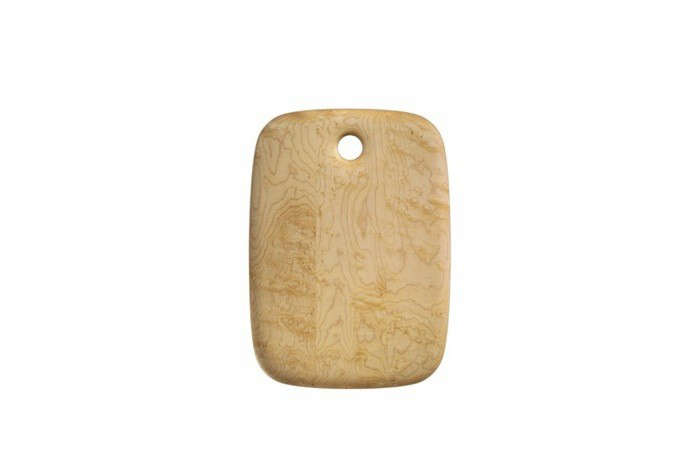
If you’ve seen Wohl’s boards at design-forward retailers, you already know the vibe: bird’s-eye maple, silky finish,
distinctive shapes, and a quiet confidence that says, “Yes, I’m a cutting board. No, I’m not hiding in a drawer.”
But beyond the “ooh” factor, there’s a practical story hereabout wood choice, craftsmanship, food safety, and
maintenance that’s easier than people think (spoiler: you don’t need to light candles and play spa music every time
you oil it…though the board wouldn’t object).
Meet the Maker: Edward Wohl and the Wisconsin Legacy
Edward Wohl Woodworking & Design spent decades building a reputation on meticulous joinery, clean lines, and an
insistence that functional objects deserve serious design. Edward Wohl (1942–2023) is often described as a master
woodworker whose work pairs “quiet utility” with a refined finishpieces meant to live with you, not just impress
guests once a year. That philosophy transfers beautifully to a cutting board: it’s an everyday object, so the
everyday experience should feel excellent.
The studio’s roots in Wisconsin matter, too. Great craft tends to grow in places where people value patience and
process. A maple board, done well, is a small tribute to that mindset: choose the wood carefully, shape it with
intention, finish it so it feels alive, and let it do its job for years.
What Makes Bird’s-Eye Maple So Different?
First, let’s translate “bird’s-eye maple” out of design-speak. It’s not a separate speciesit’s a rare figuring
pattern that shows up in hard maple, creating tiny swirling “eyes” across the surface. It’s unusual enough that
retailers and makers talk about it like a natural wonder, because it basically is. The result is a board that looks
animated even when it’s sitting still.
But maple isn’t chosen only because it’s pretty. Hard maple has a long-standing reputation as a workhorse wood:
dense, durable, and resistant to the kind of daily abuse that would chew up softer woods. In real-kitchen terms,
that means it stands up to repetitive chopping, resists deep gouges better than many alternatives, and keeps looking
good if you treat it like a normal human who occasionally washes a dish.
Looks aside, the “feel” is the feature
People often underestimate how much texture affects cooking. A board that’s too slick can feel skittish. A board
that’s too rough can feel like you’re chopping on sandpaper. Wohl’s boards are known for a smooth, “liquid” finish
a surface that feels refined in the hand while staying practical under a knife. It’s the difference between
“this works” and “this makes me weirdly happy.”
Design Details That Feel Like Furniture, Not Just a Board
Edward Wohl’s cutting boards are frequently described as precision-shaped and beveleddetails that sound small until
you actually use one. A bevel changes how a board lifts, how it sits, how it looks when it’s leaned against a
backsplash, and how easily you can slide it around without doing that awkward fingertip claw-grip.
Another signature detail: many boards are made from a single piece of carefully selected bird’s-eye maple. That
matters because a single-piece board can have a more consistent tone and figuring, and it avoids the “patchwork”
effect you sometimes see when multiple boards are laminated together for looks rather than performance. Add hand
sanding and hand oiling to the mix, and you get a tool that feels intentional rather than mass-produced.
The best part? No two are exactly alike. Variations in tone and grain aren’t flaws; they’re the receipt that proves
you bought wood, not wallpaper printed to look like wood.
Choosing the Right Shape and Size for Your Kitchen
Here’s the honest truth: the “best” cutting board is the one you’ll actually grab on a Tuesday night when you’re
hungry and slightly annoyed at your refrigerator. Size and shape decide whether a board becomes your daily driver
or your decorative roommate.
Smaller boards (snack duty and quick prep)
A compact board is perfect for citrus, garlic, strawberries, or that one avocado that’s ripe for precisely nine
minutes. Smaller Wohl boards are also excellent “serve and slice” piecescheese, fruit, pastries, sandwicheswithout
making your counter feel crowded.
Medium boards (everyday cooking)
This is the sweet spot for most people: enough room for onions + peppers + a pile of herbs, but still easy to wash
in a normal sink. If you cook often, a medium board becomes the center of gravity for your prep routine.
Large boards (the weekend project board)
Bigger boards shine when you’re chopping a lotmeal prep, big salads, roast vegetables, or anything involving
multiple ingredients and a confident amount of mess. Large boards also make serving look effortless. You can slice
and present on the same surface, which is both charming and mildly smug in the best way.
How to Use It Without Treating It Like Fine China
A beautiful board can make people weird. Suddenly they’re afraid to cut on it, like the board is going to file a
complaint with management. Let’s fix that.
- Use one side for cutting and one side for “show” if you want the best of both worlds.
- Use a damp towel underneath if you need extra grip during aggressive chopping.
- Don’t confuse “handmade” with “fragile.” It’s meant to workjust not to be soaked, microwaved, or dishwashed.
If you’re someone who likes tools that earn a little patina, you’ll love how maple ages. Small marks happen. Over
time, they become part of the board’s storylike laugh lines, but for cookware.
Care and Maintenance: Keep It Smooth, Keep It Safe
Wood care has a reputation for being high-maintenance. In reality, it’s more like basic skincare: wash gently, dry
thoroughly, moisturize occasionally, and don’t do anything unhinged.
Daily cleaning (the non-dramatic routine)
- Scrape off food bits.
- Hand wash with warm water and mild dish soap.
- Rinse quicklydon’t let it soak like it’s enjoying a bubble bath.
- Towel dry, then let it air-dry fully (ideally with both sides exposed).
Many retailers recommend storing a freshly washed board upright in a drying rack at first so both sides dry evenly.
That one habit prevents a lot of the classic wood-board issues (warping, funky smells, and the sadness of realizing
you accidentally created a subtle canoe).
Sanitizing (when raw meat enters the chat)
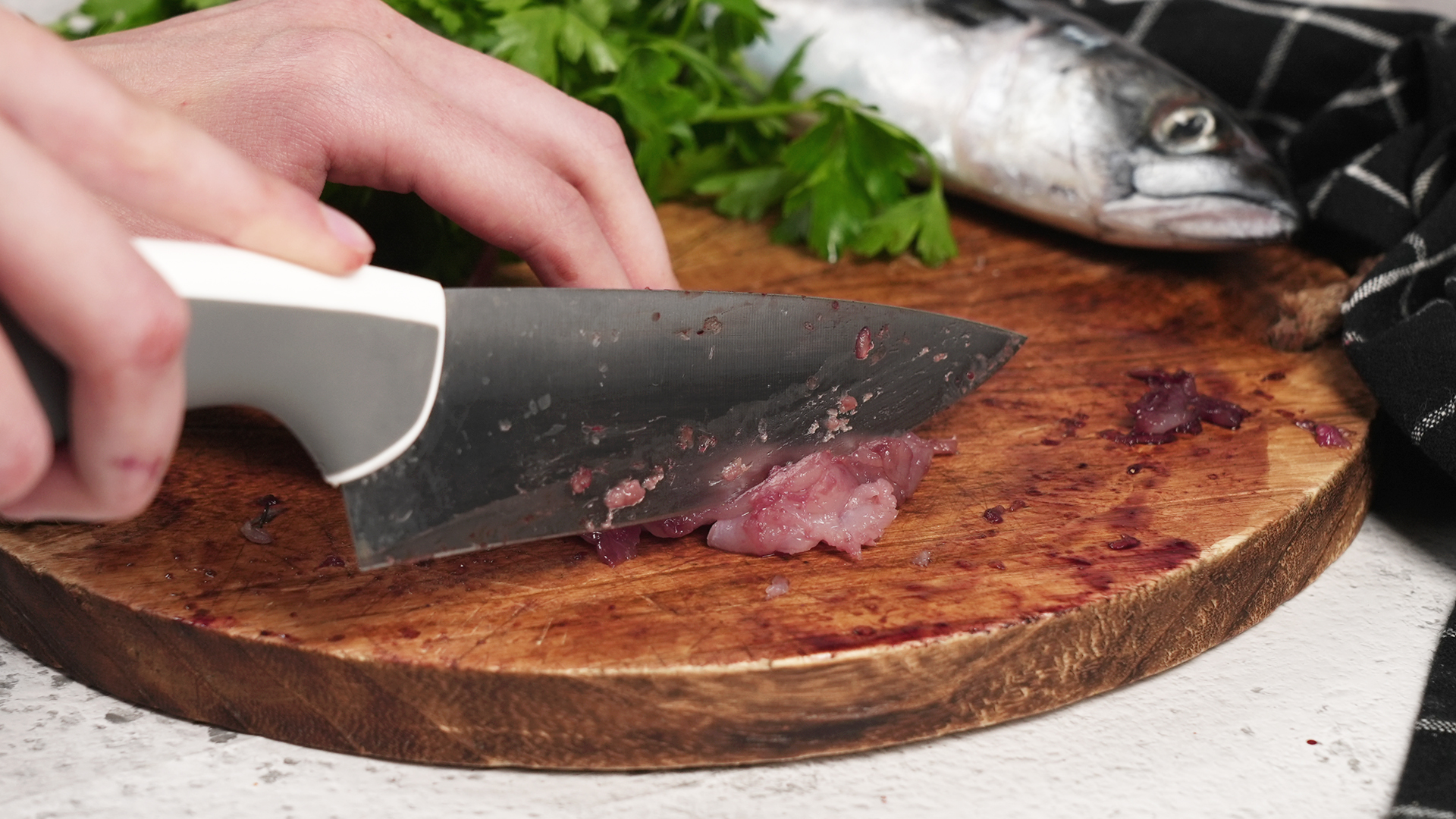
Food safety doesn’t care how cute your cutting board is. The safest practice is to use separate boards: one for raw
meat/seafood/poultry and another for produce, bread, and ready-to-eat foods. If you do cut raw animal products on a
wood board, wash it promptly, then sanitize using a food-safe method recommended by U.S. food safety guidance.
A common home approach is a diluted unscented bleach-and-water solution, followed by a thorough rinse and complete
air-drying. The goal is sanitation without leaving residues or harsh chemicals behind. If you’re not comfortable
using bleach, a dedicated “raw protein” board (often plastic, dishwasher-safe) can be a simple system that keeps
everyone calmer.
Re-oiling (the “moisturize me” moment)
Wood dries out. That’s not a moral failing; it’s physics. When your board starts looking pale or feeling rough,
it’s time to oil it. Food-grade mineral oil is popular because it’s stable and doesn’t go rancid the way some
cooking oils can.
- Make sure the board is completely dry.
- Apply a generous coat of food-grade mineral oil to all sides (yes, edges too).
- Let it absorb for several minutes (or longer if it looks thirsty).
- Wipe off any excess.
Some people like using a thicker board cream (often mineral oil + beeswax) as a “top coat.” Think of it like a
rain jacket for your boardhelpful, especially in dry climates or busy kitchens.
Smoothing roughness (because wood has feelings)
If the surface ever develops a slightly raised grain or rough patch, a gentle scrub pad or very fine sandpaper can
smooth it back down. After sanding, clean the board, let it dry fully, and re-oil. The board will look and feel
refreshedlike it just got a haircut and now expects compliments.
Mistakes to avoid (save yourself the heartbreak)
- No dishwasher. Heat + prolonged water exposure is a warp recipe.
- No soaking. Wash fast, rinse fast, dry faster.
- No “mystery oils” from the pantry. Some cooking oils can oxidize and smell off over time.
- Don’t store it flat while wet. That’s how you invite uneven drying and warping.
Is It Worth It? A Practical Verdict for Real Kitchens
“Worth it” depends on what you want a cutting board to be.
If you want the cheapest surface that can be replaced without a second thought, you already know what to do: grab a
basic plastic board and move on with your life (no shame, just facts).
But if you want a board that feels like an object of craftone that turns daily prep into a small sensory upgrade,
looks good enough to serve on, and holds up with reasonable careEdward Wohl’s bird’s-eye maple boards make a strong
case. The value isn’t only “it cuts food.” The value is that it makes your kitchen feel more intentional while
staying genuinely useful.
In other words: it’s not just a tool. It’s a tiny piece of woodworking culture that happens to be excellent at
onions.
Bonus: Kitchen Moments With an Edward Wohl Maple Board (Experiences)
The best way to understand a board like this isn’t a spec sheetit’s how it shows up in everyday life. Below are
real-world-style moments people commonly experience with a premium maple board (and yes, they all start with good
intentions).
1) The “I’ll just slice one lemon” trap
You pull the board out for something tinyone lemon, one clove of garlic, one strawberry that’s suspiciously close
to overripe. Five minutes later, you’ve reorganized your entire prep flow because the board feels so nice under the
knife that you keep finding reasons to keep cutting. Suddenly there’s a neat pile of lemon wedges, minced garlic,
and a chopped herb “garnish” you absolutely did not need. The board didn’t ask for this. It just made it easier to
be the kind of person who garnishes.
2) The “serving board glow-up”
A friend drops by. You weren’t planning on making it a thing. But you slice a few pieces of fruit, add crackers,
maybe some cheese, and set it all on the board because it looks good even when it’s doing nothing. The board’s
bird’s-eye figuring catches the light, and now your snack looks like it has a publicist. Your friend says, “Wow,
this is nice,” and you nod casuallylike you’re always hosting a magazine shoot, and snacks just happen to be your
art form.
3) The “knife sounds different” realization
People rarely talk about the sound of cooking, but it’s real. On a quality wood board, the chop is softer and more
muted than on harder, more brittle surfaces. It’s not dramaticjust satisfying. The knife feels controlled, the
board feels stable, and your hands relax a little. It’s one of those micro-improvements that adds up, like finally
getting a pillow that doesn’t fight your neck.
4) The “oops, I forgot to oil it” lesson that isn’t catastrophic
Life gets busy. The board gets washed a lot. One day you notice it looks a little dryslightly lighter in color,
a touch less silky. This is where people panic and think they’ve ruined it. You haven’t. A simple oiling brings it
back. In fact, seeing how quickly it rebounds can be oddly reassuring: the board isn’t precious, it’s resilient.
It’s happy to be maintained, not worshiped.
5) The “my kitchen looks calmer” side effect
A well-made board becomes a visual anchor. It’s not clutter; it’s an intentional object. Left on the counter, it
can make the whole space feel more organizedeven if the reality is that there are three mugs in the sink and a
rogue onion peel on the stove. The board signals “this is a working kitchen,” not “this is chaos,” and that subtle
feeling can make you more likely to cook, clean, and reset the space.
6) The “separate board system” that saves your brain
Many cooks end up with a simple rhythm: the maple board for produce, bread, and serving; a second board (often
plastic) dedicated to raw meat. This isn’t about fearit’s about ease. When you’re not mentally juggling food safety
every second, you cook more confidently. And when your beautiful maple board isn’t constantly battling raw poultry
juices, it stays nicer longer. Everyone wins, including your future self who doesn’t want to scrub aggressively at
9:45 p.m.
7) The “hand-me-down” fantasy that becomes realistic
People joke about heirloom cutting boards until they own one that actually holds up. Over time, a board like this
can pick up subtle marks, gentle changes in color, and a sense of familiaritylike your favorite hoodie, but
acceptable to display in public. If you maintain it, it can last for years, and that’s where the sentimental value
sneaks in. It becomes part of your routines: holiday prep, weekend breakfasts, quick weekday dinners. Eventually,
the idea of passing it on doesn’t feel dramatic. It feels normalbecause the object was built to keep showing up.
Conclusion
Edward Wohl’s maple cutting board is proof that “everyday” objects can still be extraordinary. It’s made to work,
made to last, and made to be enjoyedboth as a prep surface and as a piece of craft you’ll actually want to leave
out. Choose a size you’ll use, keep it clean and dry, oil it when it looks thirsty, and let it do what it was built
to do: make cooking feel a little more grounded, a little more beautiful, and a lot more satisfying.